
Homemade whey protein sounds like something a gym bro, a dairy farmer, and a frugal grandparent would argue about over breakfast. But the idea is actually simple: whey is the liquid left after milk proteins form curds. If you have ever opened a tub of yogurt and seen a thin yellowish liquid floating on top, congratulationsyou have met whey. It was not glamorous. It did not wear a tiny lab coat. But it was whey.
Before we get too excited and start naming mason jars “Muscle Juice,” let’s clear up one important point: homemade whey is not the same as commercial whey protein powder. Store-bought whey protein concentrate or isolate is made with filtration, evaporation, and spray-drying equipment that most kitchens do not have unless your kitchen is secretly a dairy plant. Homemade whey is usually a liquid with modest protein, natural lactose, minerals, and a tangy dairy flavor. You can use it in smoothies, pancakes, oatmeal, bread dough, soups, and post-workout drinks, but it will not deliver 25 grams of protein per scoop like many commercial powders.
That said, making whey at home is useful, affordable, and surprisingly satisfying. It helps reduce food waste, gives you a natural ingredient for cooking, and teaches you how milk behaves when heat, acid, cultures, or enzymes enter the chat. Below are five practical ways to make homemade whey protein, plus storage tips, safety notes, and real-life kitchen experience so you do not turn your fridge into a science fair with commitment issues.
What Is Whey Protein, Really?
Milk contains two main protein groups: casein and whey. Casein proteins form curds when milk is cultured, acidified, or treated with rennet. Whey proteins stay mostly in the liquid portion. That liquid also contains water, lactose, minerals, and small amounts of fat depending on the milk and method used.
In commercial production, whey from cheesemaking is filtered to concentrate the proteins and reduce lactose and minerals. That is how companies create whey protein concentrate, isolate, and hydrolysate. At home, you can make liquid whey and, with patience, reduce or dehydrate it into a more concentrated ingredient. Just remember: “homemade whey protein” is best understood as a natural whey-rich liquid or powdernot a perfect copycat of supplement-store whey.
Safety First: The Non-Negotiable Whey Rules
Use pasteurized milk or pasteurized dairy products. Raw milk can contain harmful bacteria, and turning it into whey does not magically make it safer. Keep equipment clean, wash your hands, use sanitized jars, and refrigerate whey quickly. Perishable dairy should not sit at room temperature for long periods, especially in a warm kitchen.
Also, if you have a milk allergy, whey is not for you. If you are lactose intolerant, homemade liquid whey may still cause bloating, gas, or stomach discomfort because it contains lactose. If you have kidney disease or follow a medically restricted diet, talk with a healthcare professional before increasing protein intake. Whey may be natural, but “natural” is not a permission slip to ignore your body.
Basic Equipment You Need
- Large pot
- Fine-mesh strainer
- Cheesecloth, nut milk bag, or clean coffee filter
- Large bowl
- Food thermometer
- Clean glass jars with lids
- Optional: dehydrator or low-temperature oven
Keep everything clean and dry. Whey is simple, but dairy is sensitive. A dirty spoon can turn your wholesome kitchen project into a weird-smelling cautionary tale.
1. Make Whey from Strained Yogurt
This is the easiest and most beginner-friendly method. It requires only plain yogurt, a strainer, and patience. When you strain yogurt, the thick portion becomes Greek-style yogurt or yogurt cheese, while the liquid that drains out is acid whey.
How to Do It
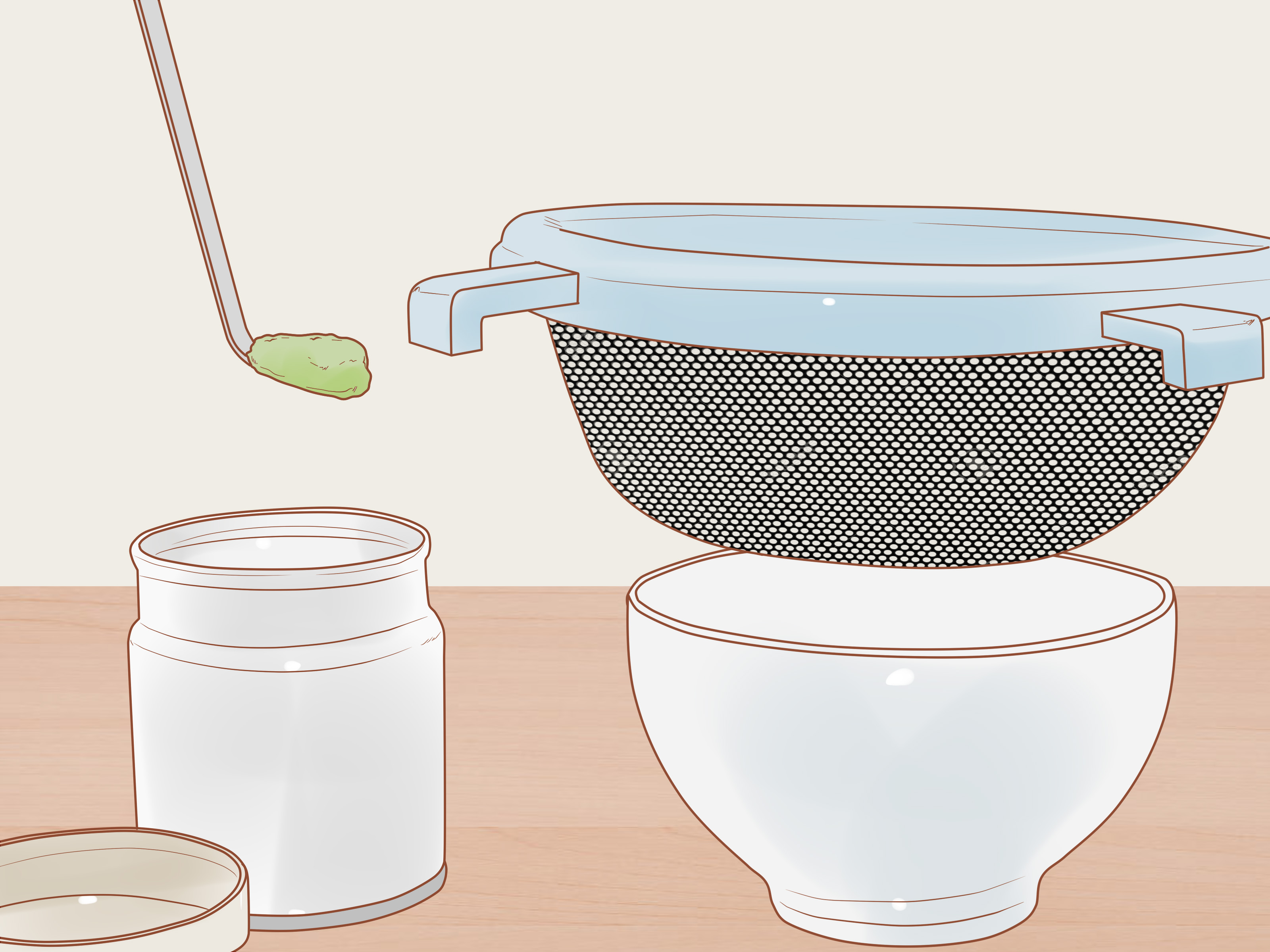
- Place a fine-mesh strainer over a deep bowl.
- Line the strainer with cheesecloth, a nut milk bag, or a clean coffee filter.
- Spoon plain yogurt into the lined strainer.
- Cover and refrigerate for 8 to 24 hours.
- Collect the yellowish liquid in the bowl. That is your homemade whey.
- Transfer the whey to a clean jar and refrigerate.
For the best results, use plain yogurt with live cultures and no gelatin, starches, or gums. Those thickeners can slow drainage and create a texture that feels less like wholesome whey and more like dairy pudding trying to escape.
Best Uses
Yogurt whey is tangy and slightly acidic. Add it to smoothies, overnight oats, pancake batter, salad dressings, bread dough, or marinades. It also works well in fermented recipes that benefit from acidity.
2. Make Whey from Homemade Greek Yogurt
This method starts one step earlier: instead of buying yogurt and straining it, you make yogurt at home and then strain it. It takes longer, but it gives you control over the milk, culture, thickness, and final flavor. Plus, it gives you the smug satisfaction of saying, “I made the yogurt myself,” which is worth at least three imaginary chef points.
How to Do It
- Heat pasteurized milk gently, following a reliable yogurt-making temperature process.
- Cool the milk to the proper culturing temperature.
- Stir in a small amount of plain yogurt with live active cultures.
- Incubate until the milk sets into yogurt.
- Chill the yogurt, then strain it through cheesecloth in the refrigerator.
- Collect the whey that drains into the bowl.
Homemade yogurt whey often tastes fresher and cleaner than whey drained from commercial yogurt. The protein level still remains modest, but it is a useful ingredient and a smart way to stretch one batch of milk into multiple foods: yogurt, thick yogurt cheese, and whey.
Best Uses
Use Greek yogurt whey in smoothies, protein pancakes, muffins, quick breads, oatmeal, and homemade granola clusters. It adds mild tang and moisture without needing extra oil or butter.
3. Make Whey from Lemon or Vinegar Cheese
This method is fast, dramatic, and great for impatient people. You heat milk, add an acid like lemon juice or vinegar, and watch curds separate from whey. The curds can become paneer, farmer cheese, or a simple cottage-style cheese. The leftover liquid is acid whey.
How to Do It
- Pour pasteurized milk into a large pot.
- Heat it gently until steaming, stirring often to prevent scorching.
- Add lemon juice or white vinegar a little at a time.
- Stir gently until curds form and the liquid turns pale yellow.
- Let it sit for 5 to 10 minutes.
- Strain through cheesecloth over a bowl.
- Save the liquid whey and refrigerate it.
The flavor depends on your acid. Lemon juice gives a brighter, citrusy note. Vinegar is sharper and more neutral once diluted in recipes. Do not overdo the acid unless you want whey that tastes like it lost a fight with salad dressing.
Best Uses
Lemon whey is excellent in smoothies with berries, mango, banana, or honey. Vinegar whey works better in savory dishes, bread, pizza dough, soups, and marinades. Acid whey also helps tenderize dough and can add a pleasant tang to biscuits and pancakes.
4. Make Sweet Whey from Rennet-Based Cheese
Sweet whey comes from cheeses made with rennet rather than direct acid. It is usually milder than acid whey and has a cleaner dairy flavor. If you make mozzarella, cheddar-style cheese, or other rennet-set cheeses at home, the liquid left after curds form is sweet whey.
How to Do It
- Use pasteurized milk suitable for cheesemaking.
- Warm the milk according to your cheese recipe.
- Add starter culture if the recipe requires it.
- Add diluted rennet and allow the milk to set.
- Cut the curds and cook or stir as directed.
- Drain the curds and collect the whey.
- Cool the whey quickly and store it in clean jars.
Sweet whey is the closest home version to the whey used in many commercial whey products, although it is still not concentrated. It is lighter in acidity and blends well into both sweet and savory recipes.
Best Uses
Sweet whey is wonderful in bread, pizza crust, rice, soups, oatmeal, smoothies, and sauces. Use it in place of water in baking for a softer crumb and subtle dairy flavor. It is also the best choice if you plan to reduce or dehydrate whey because its flavor is less sharp than acid whey.
5. Make Concentrated Whey Powder at Home
Now we reach the method everyone secretly wants: homemade whey powder. Yes, you can make a dry whey powder at home, but expectations matter. This will not be identical to whey protein isolate. It will be a dried whole-whey powder containing protein, lactose, minerals, and flavor compounds. It is more like a homemade dairy ingredient than a laboratory-grade supplement.
How to Do It
- Start with fresh liquid whey from yogurt, cheese, or rennet-based cheesemaking.
- Pour it into a wide saucepan.
- Simmer very gently over low heat to reduce the volume. Avoid boiling hard.
- Once thickened, spread the reduced whey thinly on dehydrator trays or a parchment-lined baking sheet.
- Dry at a low temperature until brittle and fully dry.
- Break into pieces and grind into powder using a blender or spice grinder.
- Store in an airtight container in the refrigerator or freezer.
Low and slow is the key. High heat can darken the whey, create cooked flavors, and make it clump. If the powder smells burnt, sour in a bad way, moldy, or unpleasant, do not use it. Whey powder should smell mildly dairy-like, tangy, or slightly caramelizednot like a haunted pantry.
Best Uses
Add homemade whey powder to smoothies, oatmeal, pancake mix, bread dough, muffins, or energy bites. Start with one tablespoon and adjust. Because homemade powder can be tangy and lactose-rich, it is better as a recipe booster than a straight shake powder.
How Much Protein Is in Homemade Whey?
This is where the truth puts on sensible shoes. Liquid whey is mostly water. It contains some protein, but far less than commercial whey powder. A cup of liquid sweet whey may contain only a small amount of protein compared with a scoop of whey isolate or concentrate. Dehydrating whey removes water and concentrates everything, including protein, lactose, and minerals, but it still does not selectively isolate protein.
If your goal is serious muscle-building nutrition, homemade whey can support your meals, but it should not be your only protein strategy. Pair it with Greek yogurt, eggs, fish, chicken, tofu, beans, lentils, cottage cheese, or a high-quality tested protein powder if needed. Homemade whey is a helpful ingredient, not a magic biceps potion.
How to Store Homemade Whey
Store fresh liquid whey in clean, sealed jars in the refrigerator. For best flavor and safety, use it within several days. If you make more than you can use, freeze it in ice cube trays and transfer the cubes to a freezer bag. Frozen whey cubes are perfect for smoothies, soups, and sauces.
Homemade whey powder should be fully dry before storage. Any leftover moisture can lead to spoilage. Keep it in an airtight container in the refrigerator or freezer, especially if your kitchen is humid. Label the container with the date, because “mystery beige powder” is not a category anyone wants in the freezer.
Flavor Ideas for Homemade Whey Drinks
Berry Breakfast Whey Smoothie
Blend 1 cup liquid yogurt whey, 1 frozen banana, 1 cup mixed berries, 1 tablespoon peanut butter, and a spoonful of honey. The fruit balances the tang and the peanut butter adds body.
Chocolate Oat Whey Shake
Blend 1 cup sweet whey, 2 tablespoons cocoa powder, 1/3 cup oats, 1 banana, and a splash of vanilla. Chill before drinking for a thicker texture.
Green Whey Smoothie
Blend 1 cup whey, spinach, pineapple, cucumber, and ginger. This is bright, refreshing, and much better than it sounds if you do not go wild with the spinach.
Common Mistakes to Avoid
Using Raw Milk
Raw milk can carry harmful bacteria. Use pasteurized milk and dairy products for homemade whey.
Leaving Whey Out Too Long
Whey is perishable. Cool it quickly, refrigerate it, and do not let it sit out on the counter all afternoon while you “get to it later.”
Expecting Commercial Protein Levels
Homemade liquid whey is nutritious, but it is not a concentrated supplement. Use it as a cooking liquid or smoothie base, not as a direct replacement for whey isolate.
Boiling Whey Aggressively
Hard boiling can create strong cooked flavors and reduce quality. Gentle heat is better, especially if you plan to make powder.
Ignoring Your Stomach
Whey contains lactose unless specially processed. If it bothers your digestion, use smaller amounts or choose lactose-free protein options.
Real Kitchen Experience: What Making Homemade Whey Teaches You
The first thing you learn when making homemade whey protein is that milk has a personality. Sometimes it behaves beautifully: curds form, whey drains, jars fill, and you feel like the calm host of a countryside cooking show. Other times, the yogurt refuses to strain quickly, the cheesecloth collapses into the bowl, and the kitchen looks as if a dairy cloud sneezed. Both outcomes are educational.
The yogurt method is the best starting point because it is forgiving. You can buy a tub of plain yogurt, strain it overnight, and wake up to thick yogurt plus whey. It feels like getting two ingredients from one purchase. The whey is tangy, so it shines in fruit smoothies. Berry, banana, and mango are especially helpful because they make the acidity taste intentional instead of accidental.
The lemon-cheese method is more exciting. Watching milk split into curds and whey feels like a tiny kitchen magic trick. It is also a good reminder that homemade food does not need to be complicated to be impressive. The curds become paneer or farmer cheese, and the whey becomes a useful liquid for pancakes or bread. The only catch is acid control. Add too little lemon and the milk barely separates. Add too much and the whey tastes like it is auditioning for a pickle jar.
Rennet-based whey is smoother and more flexible, but it requires more precision. Temperature matters. Timing matters. Clean equipment matters. This method makes you respect cheesemakers very quickly. A good batch of sweet whey smells mild and dairy-fresh, and it can replace water in bread dough beautifully. The resulting bread often has a tender texture and a slightly richer flavor, as if the loaf went to finishing school.
Making whey powder is the most humbling method. It takes time, and the yield can feel hilariously small. You may start with a big pot of liquid and end with a modest jar of powder that makes you understand why commercial dairy equipment exists. Still, it is satisfying. The powder blends into oatmeal, pancake batter, and smoothies, and it gives you a shelf-stable-ish way to use whey, provided it is dried thoroughly and stored carefully.
The biggest practical lesson is this: homemade whey is not about replacing every protein product in your pantry. It is about using food wisely. It turns yogurt-making and cheesemaking leftovers into something useful. It adds flavor, moisture, and nutrition to everyday recipes. It also makes you more aware of what “protein” means in real food compared with powdered supplements. One is a whole dairy byproduct with water, lactose, minerals, and modest protein. The other is a concentrated ingredient created by industrial processing.
If you approach homemade whey with realistic expectations, it is absolutely worth making. Keep it clean, keep it cold, use pasteurized dairy, and treat it like a fresh food. Add it to smoothies when you want tang, to dough when you want softness, and to soups when you want a subtle nutritional boost. And if a jar gets pushed to the back of the fridge and starts smelling suspicious, do not negotiate. The compost bin does not judge.
Conclusion
Homemade whey protein is simple, affordable, and useful, but it is not the same as commercial whey protein isolate. You can make liquid whey by straining yogurt, preparing homemade Greek yogurt, separating milk with lemon or vinegar, making rennet-based cheese, or reducing and drying whey into powder. Each method creates a slightly different flavor and texture, from tangy acid whey to mild sweet whey.
The best method depends on your goal. For beginners, strained yogurt is the easiest. For cooks, lemon or vinegar cheese gives both curds and whey. For bakers, sweet whey from rennet cheese is a fantastic liquid replacement. For experimenters, homemade whey powder is a fun projectjust remember that it concentrates the whole whey, not only protein.
Use homemade whey in smoothies, oatmeal, pancakes, bread, soups, marinades, and sauces. Keep food safety front and center: choose pasteurized dairy, use clean tools, refrigerate promptly, and discard anything that smells or looks off. Done right, homemade whey is less “supplement hack” and more “smart kitchen habit.” It helps you waste less, cook better, and understand your food from the inside out.














