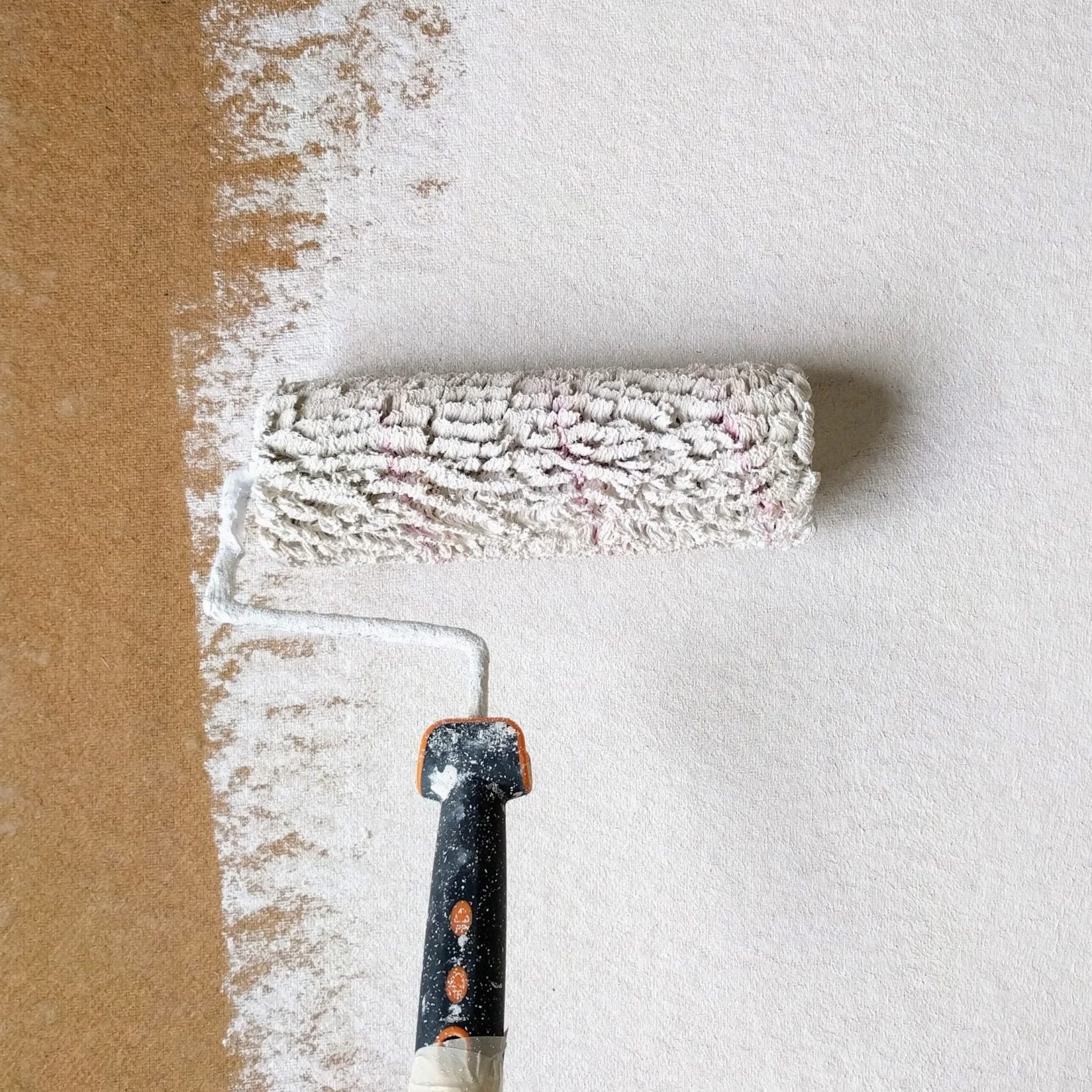
Choosing the best paint roller sounds simple until you are standing in the paint aisle, holding six fuzzy tubes that all promise a “smooth finish” while quietly judging your life choices. One roller says it is for walls. Another says it is lint-free. A third looks like it could paint a barn, a ceiling, and possibly your neighbor’s mailbox before lunch.
The truth is this: the best paint roller for walls, cabinets and ceilings in 2025 is not one magic roller. It is the right roller for the surface, paint finish, and amount of texture you are dealing with. A roller that makes a living room wall look flawless may leave cabinet doors looking like an orange peel. A foam roller that makes cabinets shine may turn a large ceiling project into a slow-motion fitness class.
This guide breaks down six top paint rollers and roller covers worth buying in 2025, based on real product specifications, paint-company guidance, retailer availability, and practical DIY experience. Whether you are repainting drywall, rescuing tired kitchen cabinets, or staring up at a ceiling with the optimism of someone who has not yet been dripped on, these picks will help you roll smarter.
How We Chose the Best Paint Rollers for 2025
To narrow the list, we looked for rollers that perform well in three common home projects: interior walls, cabinets and trim, and ceilings. The strongest picks had low-shed fabric, smooth paint release, reliable availability, multiple nap options, and good compatibility with modern latex, acrylic, enamel, primer, and specialty coatings.
We also considered the big buying factors that actually matter once paint hits the wall: how evenly the roller loads, how much it splatters, whether it leaves lint behind, whether it creates excessive texture, and whether the roller feels like a tool or like a bargain-bin regret cylinder.
Quick Buying Guide: What Paint Roller Do You Need?
For Walls
For most smooth or lightly textured interior walls, a 9-inch roller with a 3/8-inch nap is the safe starting point. It holds enough paint to move quickly but does not create heavy texture. For slightly rough drywall or older plaster, a 1/2-inch nap can help fill small dips and texture more evenly.
For Cabinets
Cabinets need control and a fine finish. A 4-inch or 6-inch mini roller is usually better than a full-size roller. Foam, velour, and short-nap microfiber are the stars here because they reduce stipple and help create a smooth, furniture-like surface. Cabinets are not the place to “just use what is in the garage,” unless what is in the garage is patience and a good sander.
For Ceilings
Ceilings reward rollers with good paint capacity and low spatter. A 9-inch roller works for small rooms, while a 12-inch or 18-inch roller can speed up larger ceilings. For flat ceiling paint on smooth drywall, a 3/8-inch to 1/2-inch nap usually works well. For textured ceilings, move up to 3/4-inch or more so the fibers can reach into the uneven surface.
1. Purdy WhiteDove Roller Cover Best Overall Paint Roller for Walls
The Purdy WhiteDove is one of the most trusted roller covers for interior walls because it balances smoothness, paint capacity, and low lint. It is made with premium woven fabric and is designed for latex and oil-based paints, primers, stains, and clears. It also comes in several sizes and nap lengths, making it flexible enough for drywall, ceilings, and floors.
For most walls, the 9-inch x 3/8-inch WhiteDove is the sweet spot. It lays down paint cleanly without leaving aggressive roller texture, and it performs especially well with eggshell, satin, and matte interior paints. If your wall is a little more textured, the 1/2-inch version gives you more reach and paint pickup.
Best For
Smooth to semi-smooth walls, bedrooms, living rooms, hallways, drywall, primed surfaces, and general interior repainting.
Why It Stands Out
WhiteDove is a dependable “first good roller” for homeowners who want professional-looking results without overthinking every square foot. It does not feel gimmicky. It just loads paint, releases paint, and avoids leaving fuzz in your finish like an unwelcome houseguest.
Possible Drawbacks
It is not the cheapest roller cover, and it may not be the best choice for very rough surfaces. If you are painting brick, stucco, or heavily textured walls, you will want a thicker, higher-capacity cover.
2. Wooster Pro/Doo-Z High-Density Woven Roller Cover Best Value Roller for Smooth Walls and Ceilings
The Wooster Pro/Doo-Z is another excellent woven roller cover that gives DIYers a clean finish at a very reasonable price. It is known for interlocked fibers that help reduce shedding, plus good resistance to matting. In plain English: it stays useful longer and does not collapse into a sad paint noodle halfway through the room.
The 9-inch x 3/8-inch Pro/Doo-Z is a smart pick for walls, while the 12-inch or 14-inch versions can help cover larger areas faster. For ceilings, the 1/2-inch nap version gives a little more paint capacity and can reduce the number of times you reload the roller.
Best For
Interior walls, ceilings, large drywall areas, rental refreshes, weekend repainting, and homeowners who want solid performance without buying the fanciest roller in the store.
Why It Stands Out
It offers a smooth finish, low lint, and good paint release across common interior paints. It is also widely available in multi-packs, which matters when you are painting more than one room or using separate rollers for primer and topcoat.
Possible Drawbacks
For ultra-fine cabinet work, a mini foam, velour, or short-nap microfiber roller will usually leave a smoother surface. Pro/Doo-Z is excellent for walls and ceilings, but cabinet doors demand a more delicate touch.
3. Wooster Pro Microfiber Roller Cover Best Paint Roller for a Smooth Modern Finish
The Wooster Pro Microfiber roller cover is a strong choice when you want more paint capacity than a short woven roller but still want a refined finish. Microfiber rollers are popular because they hold a generous amount of paint, release it evenly, and help reduce spatter when used correctly.
The 9-inch x 3/8-inch version is especially useful for smooth to semi-smooth walls and ceilings. It can also work well on wood and doors when paired with the right coating and a light finishing pass. For deep colors, microfiber can be helpful because it keeps the paint flowing evenly, reducing lap marks and patchy areas.
Best For
Smooth walls, ceilings, doors, wood surfaces, modern acrylic paints, dark wall colors, and rooms where even coverage matters.
Why It Stands Out
This roller is a great option for homeowners who hate stopping every four feet to reload paint. It carries more paint than many basic woven covers but still aims for a clean finish. That makes it useful for large bedrooms, open living spaces, and ceilings where steady coverage saves time and shoulder drama.
Possible Drawbacks
Because microfiber holds more paint, it can feel heavier when fully loaded. Beginners should avoid pressing too hard, because pressure creates ridges, edge marks, and the classic “I was definitely learning here” pattern.
4. FoamPRO Fine Finish Foam Roller Best Paint Roller for Cabinets and Trim
For cabinets, trim, doors, furniture, and molding, the FoamPRO Fine Finish foam roller is one of the best choices for a sprayed-like look without using a sprayer. Its high-density foam is designed for smooth, even application on super-smooth, smooth, and semi-smooth surfaces.
A 4-inch foam roller gives you the control needed for cabinet rails, stiles, drawer fronts, and door panels. It is also useful for bathroom vanities, built-ins, bookshelves, and small furniture projects. Foam rollers work especially well with enamel, gloss, semi-gloss, and specialty coatings when the goal is to minimize visible texture.
Best For
Kitchen cabinets, bathroom vanities, doors, furniture, trim, molding, shelves, and smooth woodwork.
Why It Stands Out
Foam is the friend who shows up to the cabinet-painting party wearing a blazer. It is neat, controlled, and serious about appearances. If you properly sand, prime, and apply thin coats, this roller can produce a very smooth finish for a low cost.
Possible Drawbacks
Foam rollers usually hold less paint than fabric rollers. That means more reloading and thinner coats. This is not a bad thing for cabinets, where thin coats are your best friend, but it can feel slow if you are used to rolling big walls.
5. Whizz Velour Mini Roller Best Cabinet Roller for Coverage and Control
The Whizz Velour mini roller is a favorite for cabinet and furniture projects because it offers a fine finish while carrying more paint than many foam rollers. Velour rollers can leave a very smooth surface, especially with water-based enamels, cabinet paints, and trim coatings. They are also excellent for doors, shelves, and detail work.
The 4-inch size is ideal for cabinets because it fits neatly around panels and edges. Compared with foam, velour can sometimes cover faster and reduce the number of coats needed, depending on the paint. It gives you a nice middle ground between foam’s ultra-smooth finish and microfiber’s paint capacity.
Best For
Cabinets, doors, shelves, furniture, trim, smooth panels, and small areas where finish quality matters more than speed.
Why It Stands Out
Velour is excellent when you want a refined cabinet finish but do not want to spend the whole weekend reloading a tiny foam roller every twelve seconds. It is controlled, smooth, and surprisingly efficient for small work.
Possible Drawbacks
Some velour rollers can shed lightly at first, so prep is important. Before painting, wrap the roller with painter’s tape and pull it off to remove loose fibers. Then dampen the roller slightly and spin or towel off excess moisture before loading paint.
6. Purdy Colossus Roller Cover Best Paint Roller for Ceilings and Textured Surfaces
The Purdy Colossus is built for high-capacity painting. It is designed to hold and release a large amount of paint, making it a strong option for ceilings, new drywall, rough walls, stucco, brick, and other textured surfaces. If the WhiteDove is the neat office worker, the Colossus is the person who shows up with a truck, a ladder, and strong opinions about primer.
For smooth ceilings, a 1/2-inch nap may be enough. For textured ceilings or rough walls, a 3/4-inch or 1-inch nap can help reach into surface valleys. The Colossus is especially useful when speed and coverage matter, such as painting large rooms, basements, garages, or fresh drywall after proper priming.
Best For
Ceilings, textured walls, rough drywall, stucco, brick, concrete block, large rooms, and production-style painting.
Why It Stands Out
Its biggest advantage is paint capacity. You spend less time returning to the tray and more time covering the surface. On ceilings, that can feel like a small miracle, especially around minute forty when your arms begin negotiating with your brain.
Possible Drawbacks
High-capacity rollers can create more texture on smooth walls if you choose too thick a nap. They can also feel heavy when fully loaded. Use a quality extension pole and roll with controlled pressure instead of mashing paint into the surface.
Paint Roller Comparison Table
| Paint Roller | Best Use | Recommended Size | Recommended Nap | Finish Quality |
|---|---|---|---|---|
| Purdy WhiteDove | Walls and general interiors | 9 in. | 3/8 in. or 1/2 in. | Smooth, low-lint |
| Wooster Pro/Doo-Z | Walls and ceilings | 9 in., 12 in., 14 in. | 3/8 in. or 1/2 in. | Clean and consistent |
| Wooster Pro Microfiber | Smooth walls and ceilings | 9 in. | 3/8 in. | Fine with good capacity |
| FoamPRO Fine Finish | Cabinets, trim, furniture | 4 in. or 6 in. | Foam | Very smooth |
| Whizz Velour Mini Roller | Cabinets, doors, shelves | 4 in. | Short velour | Smooth with better coverage |
| Purdy Colossus | Ceilings and textured surfaces | 9 in., 12 in., 18 in. | 1/2 in. to 1 in. | High coverage |
How to Choose the Right Nap Length
Nap length is the thickness of the roller fabric. The smoother the surface, the shorter the nap should be. The rougher the surface, the longer the nap needs to be. This is where many DIY paint jobs go sideways. A thick nap on a smooth wall can leave heavy stipple. A thin nap on a textured wall skips over low spots and forces you to press harder, which creates uneven coverage.
1/4-Inch Nap
Use this for very smooth surfaces, high-gloss paints, cabinets, doors, and trim. It holds less paint but leaves a finer finish.
3/8-Inch Nap
This is the most versatile nap for smooth to lightly textured interior walls. It works well for bedrooms, living rooms, hallways, and most drywall.
1/2-Inch Nap
Choose this for ceilings, slightly textured walls, older plaster, and surfaces that need a little more paint pickup.
3/4-Inch to 1-Inch Nap
Use these for rough surfaces such as textured ceilings, brick, stucco, concrete block, and heavily textured walls.
Pro Tips for Better Results With Any Paint Roller
Even the best paint roller can disappoint if the technique is off. First, remove loose lint before painting. A quick pass with painter’s tape around the roller cover can pull away stray fibers. Second, dampen the roller slightly before using latex paint, then remove extra water. A slightly conditioned roller loads more evenly than a bone-dry one.
Third, do not press hard. The roller should glide, not bulldoze. If you are squeezing paint out of it like a sponge, you need to reload. Heavy pressure creates edge lines and uneven texture. Fourth, keep a wet edge. Work in manageable sections and overlap each pass slightly. Finally, roll in one direction on the final pass to even out the texture.
Best Paint Roller by Project
Best Roller for Living Room Walls
Choose the Purdy WhiteDove 9-inch x 3/8-inch or Wooster Pro/Doo-Z 9-inch x 3/8-inch. Both provide a smooth finish and are easy for beginners to control.
Best Roller for Kitchen Cabinets
Choose the FoamPRO Fine Finish foam roller for the smoothest look, or the Whizz Velour mini roller if you want slightly better coverage with a refined finish.
Best Roller for Ceilings
Choose the Wooster Pro Microfiber 9-inch x 3/8-inch for smooth ceilings or the Purdy Colossus in a thicker nap for textured ceilings.
Best Roller for Textured Walls
Choose the Purdy Colossus or a thicker Wooster Super/Fab-style roller in a 3/4-inch nap. The goal is to reach into the texture without forcing the roller.
Common Paint Roller Mistakes to Avoid
The first mistake is buying the cheapest roller cover possible. Cheap rollers often shed, mat down, and create uneven texture. Saving two dollars on a roller and then staring at lint in your wall for five years is not exactly financial genius.
The second mistake is using one roller for everything. Walls, cabinets, and ceilings have different needs. Cabinets need fine control. Ceilings need capacity and low spatter. Textured walls need longer nap. Smooth walls need balance.
The third mistake is skipping prep. Clean the surface, repair holes, sand glossy areas, remove dust, and use primer where needed. Paint rollers are applicators, not miracle wands. They cannot hide greasy cabinets, dusty drywall, or old paint that is peeling like a bad sunburn.
Real-World Experience: What Actually Matters When Rolling Walls, Cabinets and Ceilings
After you have painted a few rooms, you start to realize that the roller is not just a tool; it is the mood setter for the entire project. A good roller makes painting feel almost peaceful. A bad roller makes you question architecture, gravity, and the person who invented corners.
For walls, the biggest lesson is that smoothness comes from rhythm. I like a 9-inch woven or microfiber roller with a 3/8-inch nap for most interior drywall. Load it evenly, start a few inches away from the edge, roll in a loose W pattern, and then smooth the section with vertical passes. The key is not speed. The key is consistency. If one section is rolled aggressively and the next is barely touched, the wall will show it once the light hits from the window.
For cabinets, patience beats muscle. Cabinet paint looks best in thin coats. A foam roller or velour mini roller should not be overloaded. If paint is bubbling, sagging, or forming fat edges along the cabinet frame, there is too much paint on the roller. I prefer to roll a thin coat, then lightly tip off edges with a quality brush if needed. Between coats, a light sanding with fine-grit sandpaper can make the next coat feel dramatically smoother. It is not glamorous, but neither is repainting cabinet doors because you rushed.
Ceilings are a different beast. The first rule is to use an extension pole. Painting a ceiling with only a handheld frame is technically possible in the same way eating soup with a fork is technically dinner. A pole gives better reach, smoother pressure, and less shoulder strain. A roller with good capacity also matters because every trip back to the tray interrupts the wet edge. For flat ceilings, I like microfiber or a good woven cover. For textured ceilings, a thicker nap saves time because it gets into the raised pattern without forcing you to grind the roller overhead.
One practical trick is to match the roller to the light in the room. In rooms with large windows, smooth walls show roller marks more easily, so a low-lint 3/8-inch cover is safer than a thick one. In hallways or older homes with imperfect plaster, a 1/2-inch nap can help disguise minor unevenness. For cabinets under bright kitchen lighting, foam and velour are worth the slower pace because every tiny ridge becomes visible when the under-cabinet lights turn on and begin their career as paint inspectors.
Another lesson: buy more roller covers than you think you need. Use one for primer and one for finish paint. If you are switching colors, use a fresh cover. If the roller starts shedding, matting, or dragging, replace it. People will spend hundreds on paint and then try to finish the job with one tired roller that looks like it has survived a raccoon fight. Do not do that. The roller is the final contact point between the paint and your home, so give it a little respect.
Finally, cleanup matters. A good roller can be reused if it is washed immediately and dried properly. Scrape out excess paint, rinse until the water runs clear, spin or shake out moisture, and let it dry standing on end. If you are pausing overnight, wrap the roller tightly in plastic wrap or a sealed bag. Do not let paint dry in the fibers unless you want a decorative club instead of a painting tool.
Final Verdict: Which Paint Roller Should You Buy in 2025?
If you want one reliable roller for most walls, buy the Purdy WhiteDove 9-inch x 3/8-inch. If you want excellent value for walls and ceilings, the Wooster Pro/Doo-Z is hard to beat. For a smooth modern finish with better paint capacity, choose Wooster Pro Microfiber. For cabinets, choose FoamPRO Fine Finish for the smoothest result or Whizz Velour for a great balance of smoothness and coverage. For ceilings and textured surfaces, Purdy Colossus is the high-capacity workhorse.
The best paint roller is not the fluffiest, the most expensive, or the one with the loudest packaging. It is the one that fits your surface and finish. Match the roller size, nap, and material to the job, and your walls, cabinets, and ceilings will look cleaner, smoother, and far less like a “before” photo.