
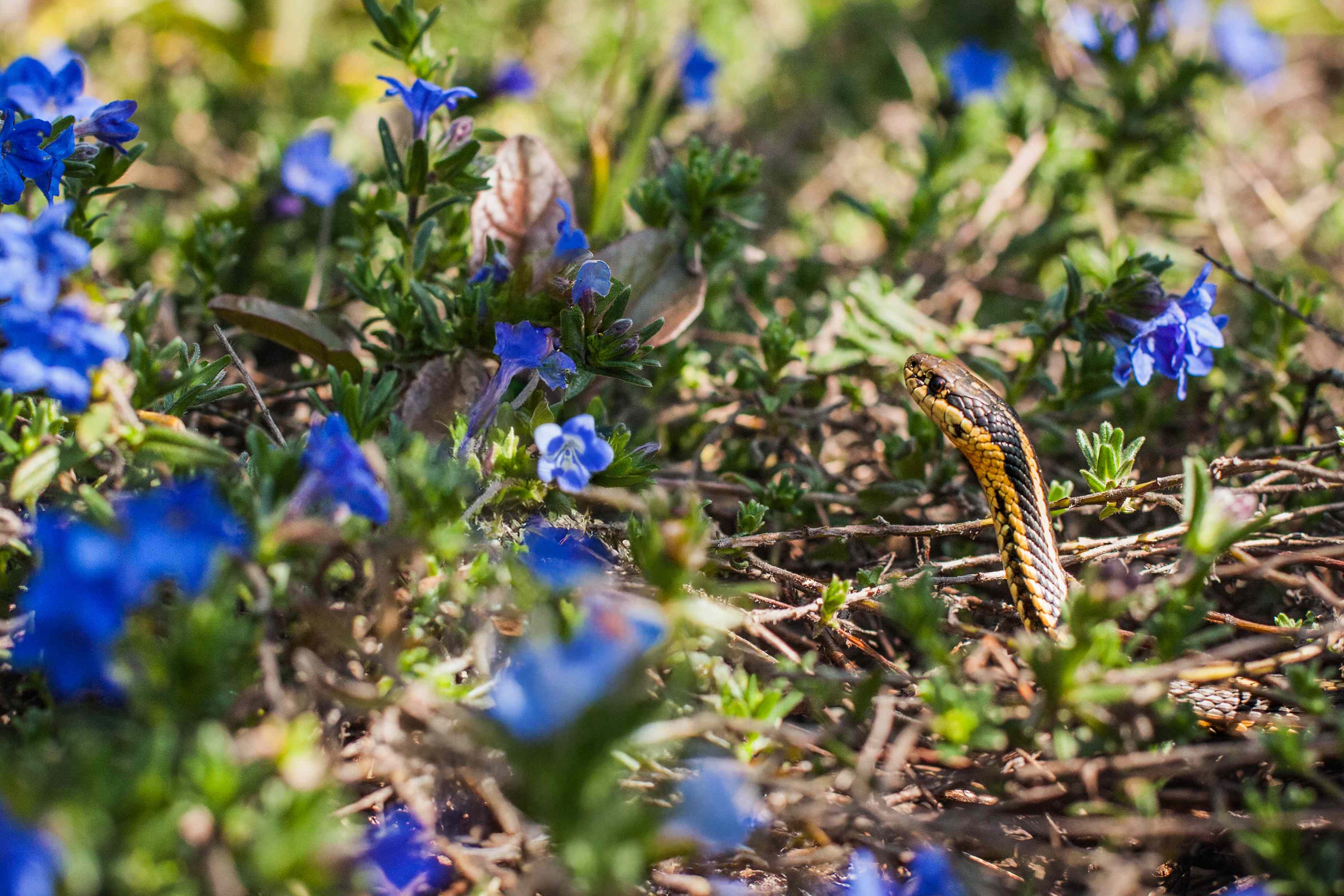
Finding a snake in your yard can turn an ordinary Tuesday into an Olympic sprint event. One minute you are watering tomatoes, the next you are standing on a patio chair asking the universe why it has chosen you. The good news is that most snakes are not interested in chasing people, stealing garden tools, or becoming permanent roommates. They usually show up for three practical reasons: food, shelter, and comfortable conditions.
That means the best way to keep snakes away from your yard is not a magic powder, a dramatic old wives’ tale, or a ring of mothballs tossed around like confetti. The most effective approach is to make your landscape less attractive to snakes in the first place. Natural snake prevention focuses on removing hiding spots, reducing prey, closing entry points, and designing outdoor spaces that are open, clean, and easy to inspect.
This guide explains seven natural solutions to keep snakes away from your yard for goodor more accurately, for as long as you keep the yard from offering a free buffet and luxury lodging. Let’s make your landscape less “snake resort” and more “please move along.”
Why Snakes Come Into Yards
Before you can prevent snakes, it helps to understand what attracts them. Snakes are not browsing real estate listings. They are looking for places where survival is easy. A yard with tall grass, thick mulch, brush piles, stacked firewood, dripping water, rodents, frogs, insects, and gaps under sheds can become the perfect hideout.
Many snakes are beneficial because they help control mice, rats, slugs, insects, and other pests. However, even helpful wildlife can be unwelcome near play areas, patios, pet spaces, chicken coops, and doorways. The goal is not to harm snakes. The goal is to guide them away by removing the reasons they came.
7 Natural Solutions to Keep Snakes Away from Your Yard
1. Remove Hiding Places Before Snakes Find Them
The first natural solution is also the least glamorous: clean up the yard. Snakes love cover. They use it to stay cool, avoid predators, and ambush prey. If your yard has piles of boards, old tarps, unused pots, garden debris, fallen branches, scrap metal, stacked bricks, or random “I’ll deal with that later” corners, snakes may see opportunity.
Start with a simple yard audit. Walk around the property and look for anything that creates a dark, quiet space close to the ground. Remove brush piles, rake thick leaf buildup near the house, and avoid leaving lawn clippings in damp heaps. Store lumber, tools, and garden supplies in sealed sheds or raised bins instead of directly on the soil.
Firewood deserves special attention. A low, messy woodpile is basically a tiny apartment complex for insects, mice, and snakes. Stack firewood at least several inches off the ground on a rack, keep it away from the house, and avoid placing it against fences or shed walls. A tidy woodpile still looks rustic; it just looks less like a reptile bed-and-breakfast.
2. Keep Grass Short and Trim Overgrown Edges
Snakes prefer moving through areas where they are hidden from hawks, owls, cats, dogs, and curious humans with phone cameras. Tall grass and weedy borders give them cover, especially along fence lines, drainage ditches, sheds, foundations, and garden edges.
Mow regularly during the growing season and trim around structures where a mower cannot reach. Pay attention to the “edge zones” of your yard: the strip behind the garage, the corner near the compost bin, the narrow space between a fence and shrubs, and the shady area under decks. These are the places where outdoor maintenance often goes to retire.
Short grass does two things. First, it makes snakes less comfortable because they are more exposed. Second, it makes them easier to spot from a safe distance. If you live in an area where venomous snakes are common, visibility matters. You do not want your first clue to be a surprise movement near your ankle.
3. Control Rodents and Other Food Sources Naturally
If your yard has mice, rats, voles, frogs, slugs, or plentiful insects, snakes may visit because dinner is served. One of the most effective natural snake deterrents is reducing the prey that attracts them.
Begin with rodent prevention. Store birdseed, grass seed, and pet food in sealed metal or heavy-duty plastic containers. Do not leave pet food outdoors overnight. Clean up fallen fruit, spilled birdseed, and food scraps around outdoor dining areas. Keep trash cans tightly closed and avoid placing garbage bags outside before pickup day unless they are in secure bins.
Bird feeders can be a hidden snake attraction. The birds are not usually the problem; the spilled seed is. Seed on the ground attracts rodents, and rodents attract snakes. Use a seed tray, sweep under feeders regularly, or move feeders farther from patios and entrances.
For gardens, reduce slug and insect pressure by improving drainage, spacing plants properly, and removing damp debris. If you keep chickens, collect eggs promptly and secure feed. A coop with spilled grain, hidden eggs, and gaps in the wire is an invitation to rodents first and snakes second.
4. Manage Water, Moisture, and Damp Areas
Snakes need water, and many of their prey animals love moisture too. A leaky hose bib, soggy mulch bed, poorly drained low spot, uncovered pond edge, or constantly damp stack of leaves can attract frogs, insects, worms, and rodents. In other words, moisture can build the food chain, and snakes are happy to show up near the top of it.
Fix dripping outdoor faucets, repair irrigation leaks, and avoid overwatering the lawn. If your sprinkler system runs long enough to create puddles, it may also be creating habitat for prey. Adjust watering schedules so soil stays healthy but not swampy.
Look at drainage near the foundation. Downspouts should direct water away from the house. Low spots may need soil grading, gravel, or a drainage solution. Keep gutters clean so overflowing water does not soak the ground near walls and crawl spaces.
If you have a pond or water feature, you do not necessarily need to remove it. Instead, keep surrounding grass trimmed, reduce clutter nearby, and avoid dense vegetation that gives snakes a hidden approach route. A pond can be beautiful; it does not need to come with surprise guests wearing scales.
5. Seal Gaps Around the House, Shed, Garage, and Deck
Natural snake control is not only about the lawn. It is also about exclusion. Snakes can slip through surprisingly small gaps, especially young snakes and slender species. Once inside a crawl space, shed, garage, or basement, they may follow prey or seek shelter from heat, cold, or storms.
Inspect the exterior of your home and outbuildings. Look for gaps around doors, vents, utility lines, pipes, foundation cracks, broken screens, crawl space openings, and spaces under siding. Install tight-fitting door sweeps on exterior doors and garage doors. Use hardware cloth or galvanized screening over vents and drains where appropriate. Seal cracks with suitable materials such as mortar, caulk, or expanding foam depending on the surface and location.
Do not forget sheds and decks. A shed raised slightly above the ground can create cool shade underneath. If that space also has weeds, stored pots, and rodents, it becomes prime snake habitat. Block access with sturdy material, keep the area trimmed, and avoid storing loose items around the base.
This step is especially important if you have children, pets, or a finished basement. Keeping snakes outside is easier than convincing one to leave after it has discovered your laundry room.
6. Use Physical Barriers in High-Risk Areas
For most yards, habitat cleanup and exclusion are enough. But in areas with frequent venomous snake activity, or around play spaces, dog runs, patios, chicken coops, and vegetable gardens, a physical barrier can add another layer of protection.
A snake-resistant fence is usually made from fine hardware cloth or galvanized mesh with very small openings. It should be tall enough to discourage climbing, buried several inches into the ground to prevent snakes from passing underneath, and angled outward at the top or installed in a way that makes climbing difficult. Gates must fit tightly because a perfect fence with a gap under the gate is like locking the front door while leaving the garage open.
Barriers work best around smaller zones rather than entire large properties. A protected children’s play area, enclosed dog potty area, or secure chicken run is more practical than fencing every inch of a sprawling yard. Keep vegetation trimmed away from the fence so snakes cannot use plants as a bridge.
For chicken coops, use wire with openings small enough to exclude snakes and rodents. Standard chicken wire may keep chickens in, but it does not always keep small predators or snakes out. Secure feed, close gaps, collect eggs, and inspect corners regularly.
7. Choose Snake-Smart Landscaping and Avoid Repellent Myths
Some advice online claims that certain plants, essential oils, sulfur, vinegar, garlic, or mothballs will keep snakes away. Unfortunately, many of these “solutions” are unreliable, temporary, unsafe, or not supported by strong evidence. Mothballs are especially problematic because they are pesticides meant for specific labeled uses, not outdoor snake control. They can harm people, pets, soil, and wildlife when misused.
Snake-smart landscaping is more dependable. Create open, visible spaces near the house. Keep shrubs trimmed up from the ground so you can see underneath them. Avoid deep, loose mulch right against foundations. Use gravel or rock borders in strategic areas where you want a drier, less sheltered surface. Keep dense plantings farther from doors, walkways, and children’s play areas.
This does not mean your yard must become a lifeless parking lot with a mailbox. You can still have flowers, shrubs, native plants, and a beautiful garden. The key is placement and maintenance. Dense wildlife-friendly areas are better located away from the home’s foundation and heavy-use spaces. Near entrances, patios, and paths, aim for clean lines, visibility, and fewer hiding spots.
Think of your landscape in zones. The closer an area is to your house, the cleaner and more open it should be. Farther out, you can allow more natural planting if desired, but keep it intentional rather than neglected.
What to Do If You See a Snake in Your Yard
If you spot a snake, stay calm and give it space. Most snakes want to avoid people and will move away if not cornered. Do not try to pick it up, chase it, or kill it. Many bites happen when someone attempts to handle or harm a snake. That is not pest control; that is signing up for a very avoidable emergency.
Keep children and pets away. Watch the snake from a safe distance if you can do so comfortably. If it is moving away, let it go. If it is near a doorway, patio, or play area and you are sure it is nonvenomous, a gentle spray from a garden hose may encourage it to move along. If you cannot identify it, suspect it may be venomous, or find it indoors, call a licensed wildlife removal professional or local animal control service.
After the snake leaves, inspect the area. Ask yourself: What attracted it? Was there tall grass, a woodpile, spilled birdseed, standing water, a shed gap, or a rodent problem? The answer tells you which prevention step to prioritize.
Common Mistakes That Make Snake Problems Worse
Using Mothballs Outdoors
Mothballs are not a safe natural snake repellent. They are pesticide products intended for labeled uses, usually in sealed containers for fabric pests. Scattering them outside can expose children, pets, and wildlife to toxic chemicals.
Letting Birdseed Pile Up
Birdseed on the ground often attracts rodents. Where rodents gather, snakes may follow. Use catch trays, clean regularly, or relocate feeders away from patios and doors.
Ignoring the Garage Door Gap
A worn garage door seal can invite mice, insects, and snakes. Replace damaged seals and check side gaps where daylight shows through.
Assuming One Cleanup Solves Everything Forever
Snake prevention is a maintenance habit. Grass grows, leaves fall, mulch shifts, and sheds collect clutter. A monthly check is far better than one heroic cleanup every three years.
Seasonal Yard Checklist for Natural Snake Prevention
Spring
Inspect foundations, vents, doors, and sheds after winter. Clear leaf piles, trim early weeds, and check for rodent activity before snakes become more active in warm weather.
Summer
Mow frequently, water wisely, clean under bird feeders, and keep children’s play areas open and visible. Wear gloves when moving debris or reaching into hidden spaces.
Fall
Rake leaves away from the house, stack firewood properly, and seal gaps before cooler weather pushes animals toward shelter. Check crawl spaces and garage seals.
Winter
Use the slower season to improve storage, repair fencing, raise woodpiles, and plan landscaping changes. Prevention is easier when the yard is not growing faster than your weekend energy.
Personal Experience: What Actually Works in a Real Yard
In real life, keeping snakes away is less about one dramatic trick and more about stacking small, boring victories. The first time someone finds a snake near the porch, the instinct is often to buy the strongest-smelling product at the hardware store and declare chemical warfare. But the yards that improve the fastest are usually the ones where homeowners step back and ask, “Why did this snake choose this spot?” That question changes everything.
A common experience is finding snakes near cluttered corners: behind stacked flowerpots, under a damp tarp, beside a woodpile, or near a messy shed. Once those areas are cleaned up, sightings often drop. Not because snakes received a formal eviction notice, but because the yard stopped offering cover. A clean corner is not very exciting to a snake. It is exposed, bright, and full of awkward eye contact.
Another practical lesson is that rodent control matters more than people expect. Homeowners may focus on the snake and miss the mouse buffet. Birdseed under a feeder, pet food on the patio, loose chicken grain, and open trash can quietly invite rodents every night. Then a snake appears and gets blamed for noticing the obvious. When food sources are sealed and cleaned up, the whole outdoor ecosystem shifts. Fewer rodents usually means fewer snake visits.
Moisture is another sneaky factor. A dripping spigot or overwatered side yard can attract frogs, insects, and other prey. Fixing a leak may not feel like snake prevention, but it can make a surprising difference. The same goes for trimming shrubs up from the ground. Once you can see beneath plants, the yard feels safer and snakes have fewer places to hide close to walkways.
For families with pets or children, the most reassuring improvement is often creating one highly controlled zone. Instead of trying to make an entire property snake-proof, focus on the spaces people use daily: the patio, play area, dog run, garage entrance, and path to the trash bins. Keep these areas mowed, open, sealed, and easy to inspect. Add physical barriers where needed. This targeted approach feels manageable and produces visible results.
The biggest experience-based takeaway is simple: consistency beats panic. A yard that is checked once a month, mowed regularly, cleaned after storms, and kept free of rodent food is far less inviting than a yard that gets one giant cleanup after every scary encounter. Natural snake prevention is not about hating snakes. It is about setting boundaries. Snakes can do their useful pest-control work somewhere else, preferably in a location where you are not trying to grill burgers in peace.
Conclusion
The best natural solutions to keep snakes away from your yard are practical, humane, and surprisingly ordinary. Remove hiding places. Keep grass short. Reduce rodents and other prey. Manage moisture. Seal gaps. Use physical barriers where needed. Design your landscape so the areas near your home are open, visible, and easy to maintain.
No method can promise that a snake will never cross your property again. Wildlife does not read our plans, and snakes are excellent at being snakes. But by removing food, shelter, water, and access points, you can make your yard far less appealing. The result is a safer, cleaner, more comfortable outdoor spaceand fewer moments where your garden hose becomes a microphone for screaming.
Note: This article is written for general home and garden education. If you see a snake you cannot identify, suspect a venomous snake, or find a snake inside your home, keep your distance and contact a qualified wildlife removal professional.













