
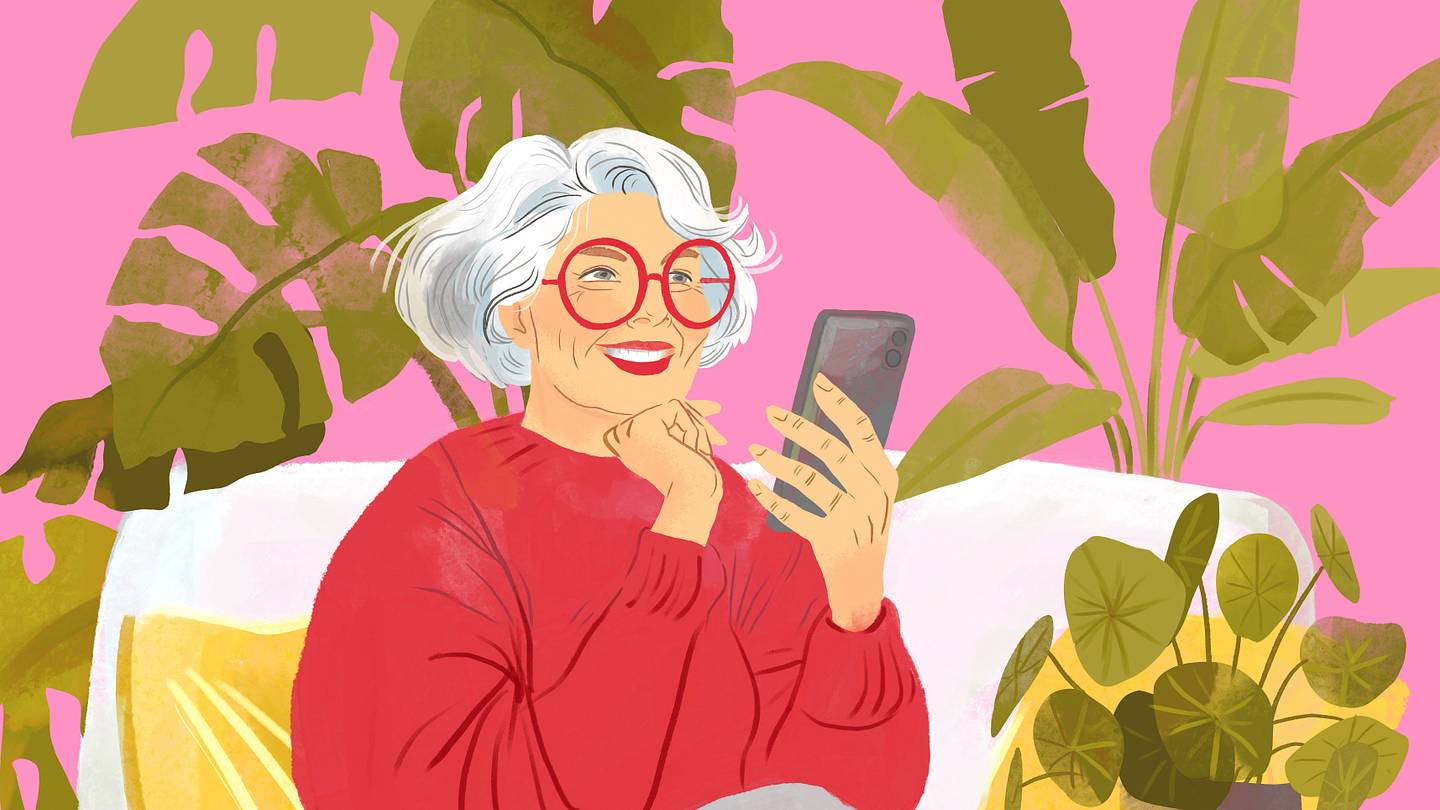
Growing old has a reputation problem. Somewhere along the way, society decided aging means slowing down, losing your spark, forgetting everyone’s name, and developing a mysterious affection for hard candy. Cute? Maybe. Accurate? Not really.
The truth is far more interesting. Modern research on healthy aging shows that later life can include strength, learning, purpose, friendship, romance, creativity, and yes, the occasional badly timed knee pop. Aging does bring changes, but many of the most common beliefs about getting older are outdated, exaggerated, or flat-out wrong.
This article breaks down nine things people often misunderstand about growing old. Whether you are planning for your own future, caring for an older loved one, or simply hoping to age with fewer myths and better snacks, these aging misconceptions are worth retiring immediately.
1. You Think Aging Means Automatic Decline
One of the biggest myths about growing old is that life after a certain age becomes one long downhill slide. People imagine aging as a conveyor belt headed straight toward weakness, confusion, and orthopedic shoes with suspiciously aggressive Velcro.
In reality, aging is not one single experience. Some physical changes are normal, such as slower recovery, changes in vision or hearing, and reduced muscle mass. But decline is not guaranteed in every area of life. Many older adults stay active, independent, intellectually sharp, socially engaged, and emotionally satisfied well into their 70s, 80s, 90s, and beyond.
Healthy aging depends on many factors: movement, nutrition, sleep, medical care, social connection, financial stability, environment, genetics, and mindset. You cannot control everything, but you can influence more than many people assume.
What to get right instead
Think of aging as change, not collapse. A 75-year-old may not train like a 25-year-old, but that does not mean improvement is off the table. Strength, balance, endurance, flexibility, and confidence can still grow with the right habits. Growing old is less like falling off a cliff and more like learning to drive a different vehicle. Preferably one with good lumbar support.
2. You Think Memory Loss Always Means Dementia
Misplacing your keys does not automatically mean your brain has filed for retirement. Normal aging can bring mild forgetfulness, such as taking longer to recall a name, walking into a room and forgetting why, or needing a calendar for appointments. Honestly, people in their 30s do that too; they just blame “being busy” instead of “getting older.”
Dementia is different. It involves cognitive changes that interfere with daily life, independence, judgment, communication, and routine tasks. Forgetting where you parked once is normal. Repeatedly getting lost in familiar places, struggling to manage bills, or having major personality changes deserves medical attention.
The important point is this: dementia is not a normal part of aging. Many older adults never develop dementia. Memory problems can also come from treatable causes, including poor sleep, depression, medication side effects, vitamin deficiencies, thyroid problems, dehydration, alcohol use, infection, or stress.
What to get right instead
Take memory changes seriously without panicking. If forgetfulness becomes frequent, disruptive, or concerning to family members, talk with a health care professional. Early evaluation can identify treatable problems and provide better support if something more serious is happening.
3. You Think Older Adults Need Less Sleep
Some people believe older adults can run on five hours of sleep, a cup of coffee, and pure stubbornness. While that sounds like a personality type, it is not a sleep strategy.
Older adults generally still need about seven to nine hours of sleep per night. What changes is often sleep quality, not the need for sleep. Aging can make sleep lighter or more fragmented. People may wake earlier, nap more often, or deal with conditions such as insomnia, sleep apnea, restless legs, pain, medication effects, or frequent nighttime bathroom trips.
Poor sleep can affect mood, memory, balance, immune health, and heart health. It can also increase fall risk and make ordinary problems feel ten times worse. Anyone who has tried to assemble furniture after a bad night’s sleep knows the brain becomes a committee of raccoons.
What to get right instead
Do not dismiss sleep problems as “just age.” A consistent bedtime, morning sunlight, regular activity, limited late caffeine, a comfortable bedroom, and medical evaluation for sleep disorders can make a meaningful difference. Good sleep is not laziness; it is maintenance for the entire operating system.
4. You Think It Is Too Late to Start Exercising
If exercise had a public relations department, it would constantly be yelling, “It is not too late!” Starting physical activity later in life can still improve strength, mobility, balance, mood, sleep, blood pressure, blood sugar control, and independence.
The best exercise routine for healthy aging usually includes several types of movement: aerobic activity for heart and lung health, strength training for muscles and bones, balance work to reduce fall risk, and flexibility exercises to keep movement comfortable. Walking, water aerobics, resistance bands, chair exercises, tai chi, dancing, gardening, and light weights can all count depending on ability and safety.
The goal is not to become a 72-year-old action movie stunt double, although if that happens, fantastic. The goal is to make daily life easier: climbing stairs, carrying groceries, getting out of a chair, playing with grandchildren, traveling, or staying independent at home.
What to get right instead
Start where you are. A person who has been inactive should begin gently and check with a clinician if they have chronic conditions, pain, dizziness, or heart concerns. Small, consistent movement beats heroic overdoing. Your knees do not need a dramatic origin story.
5. You Think Falls Are Inevitable
Falls are common among older adults, but common does not mean unavoidable. Many people treat falls as a normal tax of aging, like gray hair or suddenly caring about weather forecasts. That is a dangerous mistake.
Falls can lead to fractures, head injuries, fear of movement, loss of independence, and hospitalization. But fall risk can often be reduced. Strength training, balance exercises, medication reviews, vision checks, proper footwear, better lighting, grab bars, removing loose rugs, and clearing clutter can all help.
One sneaky problem is fear. After a fall, an older adult may move less to “stay safe.” But less movement can weaken muscles and worsen balance, which increases the chance of another fall. The couch may look innocent, but it can be a charming little trap.
What to get right instead
Fall prevention is proactive, not pessimistic. If someone falls once, tell a health care provider even if they feel fine. A fall can signal medication side effects, vision problems, muscle weakness, blood pressure changes, or hazards at home. Prevention protects freedom.
6. You Think Loneliness and Depression Are Normal Parts of Aging
Sadness can happen at any age, and older adults may face real losses: retirement transitions, health changes, bereavement, caregiving stress, reduced mobility, or friends moving away or passing on. But depression is not a normal part of growing old.
Depression is a medical condition, and it is treatable. In older adults, it may not always look like obvious sadness. It can show up as irritability, fatigue, sleep changes, loss of appetite, aches, withdrawal, confusion, or loss of interest in activities that once mattered.
Loneliness is also more than a bad mood. Social isolation and loneliness are linked with higher risks for serious physical and mental health problems. Human beings are not designed to thrive in emotional solitary confinement, even the introverts who claim they are “perfectly fine” with only a cat and a streaming password.
What to get right instead
Connection is health care. Phone calls, walking groups, faith communities, volunteering, classes, neighborhood gatherings, support groups, and intergenerational friendships can all support well-being. If depression symptoms persist, professional help matters. No one should have to “tough out” treatable suffering.
7. You Think Older Adults Cannot Learn New Things
The idea that older adults cannot learn new skills is one of the laziest stereotypes still wandering around society. The brain changes with age, but it remains capable of learning, adapting, and forming new connections.
Older adults learn languages, play instruments, start businesses, write books, master smartphones, join online communities, take college courses, and become terrifyingly good at video calls once someone explains the mute button for the third time.
Learning may look different with age. Some people need more repetition, larger text, better lighting, or step-by-step instructions. That is not inability. That is good design. Younger people also need instructions; they just refuse to read them and then blame the app.
What to get right instead
Lifelong learning supports cognitive health, confidence, and social connection. The best approach is practical: choose something meaningful, break it into small steps, practice consistently, and remove embarrassment from the process. Curiosity does not expire.
8. You Think Aging Ends Romance, Intimacy, and Style
Another stubborn myth says older adults become invisible in romance, intimacy, fashion, beauty, and self-expression. According to this view, after a certain birthday, everyone must wear beige, discuss cholesterol, and pretend attraction has left the building.
Not true. Many older adults continue to value romance, companionship, touch, affection, sexuality, and personal style. Physical changes can affect intimacy, including menopause-related symptoms, erectile dysfunction, pain, chronic illness, fatigue, or medication side effects. But many challenges are manageable with communication, medical care, lubrication, adjusted expectations, creativity, and patience.
Style also does not retire. Older adults can be elegant, bold, sporty, artsy, glamorous, practical, or wonderfully strange. Personal expression often gets better with age because people become less interested in impressing strangers who have not even moisturized properly.
What to get right instead
Intimacy is not limited to youth, and attraction is not a twenty-something monopoly. Respect older adults as whole people with emotional, social, romantic, and aesthetic lives. Aging does not erase identity; it adds chapters.
9. You Think Your Genes Decide Everything
Genes matter, but they are not the whole story. Family history can influence risks for certain diseases, body composition, longevity, and how someone responds to lifestyle factors. Still, daily habits and environment play a major role in healthy aging.
Nutrition, movement, sleep, stress management, preventive care, vaccination, dental care, hearing and vision care, social connection, avoiding smoking, limiting alcohol, managing chronic conditions, and staying mentally engaged all shape later-life health.
Food is a good example. Older adults may need fewer calories, but they still need nutrient-dense meals with protein, fiber, fruits, vegetables, whole grains, healthy fats, and adequate fluids. Hydration matters because thirst cues may weaken with age. Protein matters because muscle is precious. Fiber matters because the digestive system appreciates manners.
What to get right instead
Do not use genetics as an excuse to give up. A family history of disease is a reason to be proactive, not fatalistic. You may not choose the cards, but you can still play a smarter hand.
Why These Aging Myths Matter
Misunderstanding aging is not harmless. Age stereotypes can affect how older adults are treated by employers, health care systems, families, media, and even themselves. When people believe decline is inevitable, they may exercise less, avoid new experiences, ignore treatable symptoms, or stop planning for the future.
Ageism can be subtle. It shows up when people talk over an older adult, assume they cannot use technology, dismiss pain or depression as “normal,” or make every birthday card sound like a medical diagnosis. These attitudes can shrink opportunities and confidence.
A healthier view of aging is realistic but not gloomy. It recognizes challenges without turning older adults into walking caution signs. Growing older can involve adaptation, courage, humor, grief, wisdom, frustration, joy, and reinvention. In other words, it remains life.
Practical Ways to Age Better Starting Now
You do not need to overhaul your entire life by Monday. Sustainable aging habits are usually simple, repeated actions. Move your body most days. Add strength and balance exercises. Eat meals that contain actual nutrients, not only “things found near the checkout counter.” Prioritize sleep. Stay connected. Keep learning. Schedule preventive checkups. Review medications. Protect your hearing, vision, teeth, and feet. Ask for help early instead of waiting until a small issue becomes a dramatic plot twist.
Also, build a life that gives you reasons to stay engaged. Purpose does not have to be grand. It can be mentoring, gardening, volunteering, cooking for family, caring for pets, joining a choir, fixing bicycles, teaching a skill, or becoming the neighborhood expert on tomatoes. Purpose is not about being busy; it is about feeling connected to something that matters.
Real-Life Experiences That Reveal the Truth About Growing Old
One of the best ways to understand aging is to pay attention to real people instead of stereotypes. Consider the retired teacher who starts tutoring children at the library because she misses the classroom but not the faculty meetings. She discovers that her patience, humor, and decades of experience make her better at explaining fractions than ever. The children do not see “old.” They see someone who can turn math into cookies, pizza slices, and occasionally dramatic pencil gestures.
Or think about the man who begins walking after his doctor warns him about blood pressure. At first, he only makes it to the end of the block. He feels embarrassed, as if the squirrels are judging him. Three months later, he walks a mile. Six months later, he joins a local walking group and accidentally becomes social chair because he knows the best coffee shop route. His health improves, but so does his mood. The medicine mattered. The movement mattered. The people mattered too.
Then there is the grandmother who gets a smartphone mainly because her family keeps sending photos through apps she cannot open. At first, she taps everything like the device might explode. Eventually, she learns video calls, photo albums, online grocery orders, and voice messages. Soon she is sending reaction GIFs with the confidence of a teenager and asking why everyone else types so slowly. Her story is not about technology alone. It is about access, patience, and refusing to be excluded from modern life.
Another common experience involves downsizing after retirement. Many people assume moving to a smaller home means losing independence. For some, it can be the opposite. A safer layout, fewer stairs, better lighting, and less maintenance can create more freedom. One older couple may trade a large house and endless yard work for an apartment near parks, friends, and public transportation. Suddenly, Saturday is not swallowed by gutters. That is not decline; that is strategy.
Caregiving also changes how families understand aging. Adult children may start by focusing on what a parent cannot do anymore. But the deeper lesson often comes from noticing what remains: humor, preferences, stories, stubbornness, generosity, and identity. A father may need help managing medications but still give the sharpest advice in the room. A mother may walk more slowly but remember every family recipe by smell. Support should protect dignity, not replace personhood.
Some aging experiences are difficult. Loss is real. Chronic illness is real. Financial stress, isolation, pain, and fear can be real. A positive view of aging should never pretend otherwise. But it should also leave room for growth. Many people become more selective with their time, more honest about their needs, and less willing to waste energy on nonsense. That is not crankiness. That is editing.
Growing old often teaches a practical kind of wisdom: use the good dishes, call the friend, stretch before the long drive, label the freezer containers, ask the question, wear the sunscreen, and stop saving joy for “someday.” Later life can bring a clearer sense of what matters because time feels less theoretical. That awareness can be bittersweet, but it can also be powerful.
The experience of aging is not one story. It is millions of stories, shaped by health, culture, money, family, community, luck, choices, and support. The more accurately we understand aging, the better we can build homes, workplaces, health systems, and relationships that help people thrive at every age.
Conclusion
Growing old is not the cartoon version many people carry around in their heads. It is not automatic misery, automatic dementia, automatic loneliness, or automatic irrelevance. Aging brings changes, yes, but it also brings opportunities to adapt, learn, connect, contribute, and become more fully yourself.
The biggest mistake is treating older age as one fixed identity. People do not stop being individuals because they qualify for Medicare, enjoy early dinners, or own a suspicious number of reusable containers. Older adults are learners, workers, lovers, leaders, volunteers, artists, neighbors, caregivers, athletes, friends, and storytellers.
If there is one thing to remember, it is this: aging well is not about pretending you are young forever. It is about respecting your body, protecting your mind, nurturing your relationships, and refusing to let lazy myths write the final chapters for you.
SEO Tags
Note: This article is synthesized from reputable U.S. health, aging, medical, and research-based sources, including public-health agencies, academic medical centers, nonprofit aging organizations, and evidence-based healthy aging guidance.












