Note: This article is written as an original, publication-ready SEO blog inspired by real Gardenista-style outdoor living themes, current gardening guidance, edible landscaping practices, houseplant care advice, shade gardening strategies, and sustainable landscape design trends.
The Sweet Green Mood: Why Garden Lovers Keep Coming Back to Green
Some garden trends arrive wearing tap shoes and demanding applause. Others simply sit quietly in a terra-cotta pot, looking effortlessly elegant while everyone else panics about color palettes. “Sweet Green” belongs to the second group. It is not just a color story; it is a whole gardening mood. It suggests lush leaves, cool shade, edible borders, low-light houseplants, vintage planters, desert gardens, and the kind of outdoor space that makes you want to cancel plans and have iced tea with your basil.
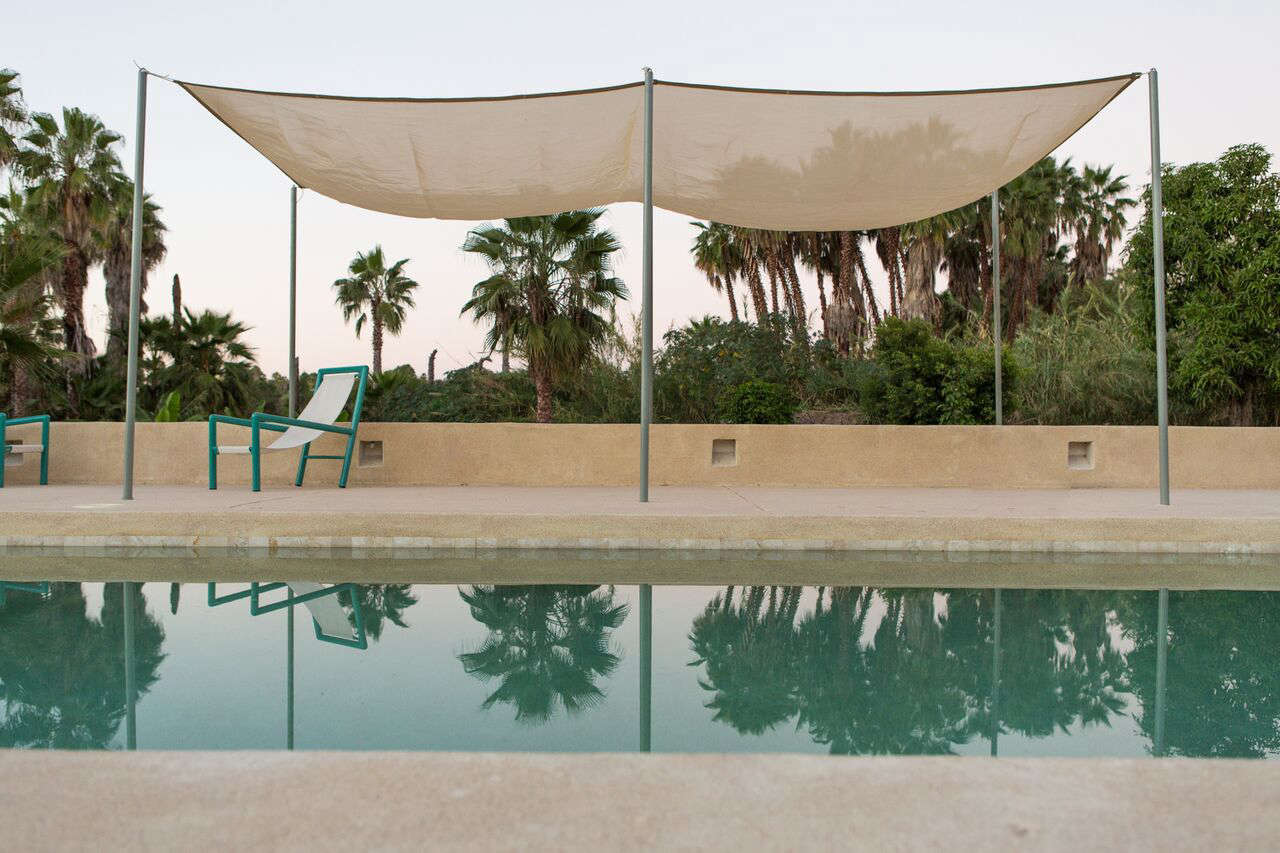
The original Gardenista idea behind “Sweet Green” gathered a handful of design-forward garden moments: a poolside retreat in Mexico, low-light indoor plants, a tiny vertical garden birdhouse, vintage planters, sculptural hoses, succulents, pool design, and desert-garden problem solving. In other words, it was green with range. Not the one-note lawn green of suburban obligation, but layered green: silvery, glossy, dusty, edible, architectural, and occasionally dramatic enough to deserve its own chair.
Today, the “Sweet Green” concept feels even more relevant. Garden design has shifted toward spaces that look beautiful, work harder, conserve resources, support pollinators, and make room for both style and survival. Homeowners want gardens that can handle heat, shade, limited space, pets, drought, and the occasional overconfident squirrel. The good news? Green is still the most flexible design tool in the garden.
What “Sweet Green” Means in Modern Garden Design
At its core, Sweet Green is about building a garden around foliage, freshness, texture, and quiet abundance. Flowers are welcome, of course. Nobody is throwing roses out of the party. But in a Sweet Green garden, leaves do the heavy lifting. Ferns, herbs, succulents, vines, grasses, lettuces, euphorbias, hostas, heucheras, pothos, snake plants, and chard all become part of the same visual language.
This approach works because green is not one color. A single garden can include blue-green agave, lime-green sweet potato vine, deep green rosemary, silver-green lavender, emerald basil, chartreuse creeping Jenny, and the dark polished leaves of a rubber plant. Put them together and suddenly the garden looks intentional, not like you blacked out at the nursery and woke up with seven carts.
Green as a Design Neutral
Designers often treat green the way interior decorators treat white, gray, or natural wood. It calms the eye and creates a framework for everything else. A border of clipped boxwood, a row of potted citrus, or a mass of shade-tolerant foliage can make even a tiny patio look composed. Green also connects indoor and outdoor spaces, especially when houseplants echo the garden outside.
Green as a Sensory Experience
Sweet Green is not just about appearance. It is the smell of mint when you brush past a pot, the texture of lamb’s ear under your fingers, the sound of water near a shaded bench, and the joy of cutting herbs for dinner while pretending you are in a cooking show. A garden built on green feels alive even before it flowers.
Sweet Green Idea #1: Create a Lush Look with Low-Light Plants
One of the most practical lessons from the Sweet Green aesthetic is that not every beautiful plant needs blazing sun. Low-light and shade-friendly plants are the unsung heroes of apartments, covered patios, bathrooms, porches, and north-facing windows. They do not ask for much. They simply request that you stop drowning them in the name of love.
For indoor spaces, dependable low-light choices include pothos, snake plant, cast iron plant, Chinese evergreen, peace lily, ZZ plant, philodendron, parlor palm, and certain dracaenas. These plants tolerate lower light better than many tropical divas, though “low light” does not mean “closet with emotional support.” Most still prefer bright indirect light when possible.
Outdoors, shade gardens succeed when you think in layers. Use taller shrubs or small trees as a background, medium perennials for fullness, and groundcovers to finish the scene. Hostas, heucheras, ferns, Solomon’s seal, woodland phlox, sedges, and shade-tolerant herbs can create a green room that feels cool and private. If the space is dark, variegated foliage and pale blooms can keep it from looking like a mysterious portal to a woodland committee meeting.
Practical Tips for a Sweet Green Shade Garden
Start by identifying your shade type. Light shade is open and bright without harsh sun. Part shade gets a few hours of sun. Full shade receives little direct sun, often under trees or beside buildings. Once you know the difference, plant selection becomes much less dramatic. Add compost to improve soil structure, repeat plants in groups for cohesion, and use paths, pots, or a bench to invite people into the space.
The trick is texture. Pair broad leaves with fine leaves, upright forms with mounding plants, and glossy foliage with matte foliage. A hosta beside a fern is classic for a reason: one looks like a green umbrella, the other like botanical lace. Together, they do not need fireworks.
Sweet Green Idea #2: Grow Edible Plants That Look Good Enough for the Front Yard
Edible landscaping has become one of the smartest garden design movements because it answers two important questions at once: “Can my yard look beautiful?” and “Can I eat part of it?” The answer is yes, provided you do not plant zucchini in a formal entry bed unless you enjoy being physically intimidated by squash.
A Sweet Green edible garden blends herbs, vegetables, fruits, and ornamental plants in a way that feels designed rather than purely practical. Think purple basil edging a path, rainbow chard glowing like stained glass, bronze fennel rising behind perennials, strawberries spilling over a border, rosemary shaping a fragrant hedge, and nasturtiums tumbling from a pot with edible flowers that make salads look smugly professional.
Best Edible Plants for the Sweet Green Look
For sunny gardens, try rosemary, sage, thyme, lavender, chives, bronze fennel, Swiss chard, kale, artichoke, alpine strawberries, calendula, and nasturtiums. For partial shade, focus on leafy crops and herbs such as lettuce, arugula, parsley, cilantro, mint, chervil, kale, mustard greens, pea shoots, and cresses. Leafy vegetables generally perform better in shade than fruiting crops like tomatoes, peppers, and cucumbers, which usually want more sun to produce generously.
The design secret is to treat edible plants as ornamental plants first. Choose varieties for color, height, leaf shape, and seasonal interest. A potager-style garden can be formal, with geometric beds and tidy paths, or relaxed, with herbs and vegetables woven into a cottage border. Either way, it should feel like a garden, not a grocery list that fell into dirt.
Sweet Green Idea #3: Use Containers for Instant Garden Drama
Containers are the garden equivalent of good accessories. They can rescue a boring corner, create a focal point, define a seating area, or let renters garden without negotiating with a landlord, a shovel, and several mysterious underground pipes.
The Sweet Green approach to containers favors strong foliage combinations. Try pairing upright rosemary with trailing thyme, elephant ear with maidenhair fern in a shady courtyard, agave with creeping herbs in a sunny spot, or sweet potato vine with ornamental grasses for a fast, lush effect. The best container gardens mix height, spill, texture, and contrast.
How to Make Containers Look Expensive Without Spending Like Royalty
Use fewer, larger pots instead of many tiny ones. Small pots dry out quickly and can look cluttered unless grouped carefully. Choose containers in a consistent material or color family: aged terra cotta, zinc, concrete, glazed green ceramic, or simple matte black. Then repeat plants across the arrangement. Repetition makes even budget-friendly plants look intentional.
Always use a quality potting mix rather than heavy garden soil, which can compact in containers. Check drainage holes before planting, because a pot without drainage is not a planter; it is a ceramic swamp with ambition. In hot weather, containers may need daily attention, especially if they hold thirsty annuals or vegetables.
Sweet Green Idea #4: Bring the Outdoors In with Houseplants
The Gardenista universe has always understood that the line between indoors and outdoors is wonderfully blurry. A green room can begin on the patio and continue on a bookshelf. Houseplants are one of the easiest ways to create a Sweet Green atmosphere, especially in apartments or homes without much yard space.
For beginners, start with durable plants. Pothos, snake plant, ZZ plant, philodendron, Chinese evergreen, and cast iron plant are forgiving choices. They tolerate imperfect light and occasional neglect, which is excellent news for anyone who has ever whispered “you’re still alive!” to a plant on a Monday morning.
Houseplant Styling Tips
Group plants by care needs, not just by looks. A fern that likes humidity should not be forced to share a hot, dry windowsill with a cactus. Use plant stands, shelves, hanging baskets, and wall-mounted planters to create vertical layers. For bathrooms, choose plants only if there is enough light; humidity helps, but it cannot replace sunshine or a good grow light.
To keep houseplants healthy, rotate them every few weeks, wipe dusty leaves, avoid overwatering, and watch for pests. Most indoor plant problems begin when a stressed plant sits in poor light with soggy soil. Translation: love your plants, but do not love them with a watering can every 37 minutes.
Sweet Green Idea #5: Mix Vintage Patina with Modern Function
One detail from the Sweet Green inspiration that still feels fresh is the appreciation for vintage planters and garden objects. Weathered terra cotta, old stone troughs, zinc tubs, reclaimed wood benches, iron plant stands, and timeworn watering cans add instant soul. They suggest that the garden has stories, even if the story is “I found this at a flea market and carried it six blocks like a determined raccoon.”
Patina softens new plantings. A young garden can look bare in its first season, but a few aged containers or reclaimed pieces make it feel settled. The key is balance. Too many vintage objects can turn a garden into an antique store with bees. Pair older materials with clean lines, simple furniture, and strong planting masses to keep the look stylish.
Where Function Matters
Charming does not mean impractical. Choose hoses that coil easily, tools that feel good in your hand, and planters that drain well. A beautiful garden object still has to work. The dream is not suffering elegantly with a leaky hose while your basil judges you.
Sweet Green Idea #6: Design for Water-Wise Beauty
Modern Sweet Green gardening must also address climate. Across much of the United States, gardeners are thinking about drought, heat, wildfire risk, and water use. That does not mean gardens have to become gravel deserts with one suspicious cactus in the middle. It means planting smarter.
Mediterranean and dry-garden plants such as lavender, rosemary, salvia, catmint, agastache, euphorbia, sedum, ornamental grasses, and many succulents can create a richly textured green garden with lower water needs once established. In the right climate, olive trees in pots or citrus trees in sheltered spaces can add structure and romance.
How to Make a Water-Wise Garden Feel Lush
Use density and repetition. A drought-tolerant garden looks thin when plants are scattered like they had a disagreement. Group plants in generous drifts, mulch exposed soil, use gravel paths, and combine fine-textured plants with bold architectural forms. Drip irrigation can deliver water efficiently to roots, while organic mulch helps retain moisture and protect soil life.
In wildfire-prone regions, design should also include defensible space principles: keep the area closest to the home clear of flammable debris, use noncombustible materials near structures, prune carefully, and avoid continuous masses of dry vegetation. Beauty and resilience can share the same garden bed. They may even split the watering schedule.
Sweet Green Idea #7: Build a Garden That Supports Wildlife
A green garden becomes sweeter when it supports more than humans. Pollinators, birds, butterflies, beneficial insects, and soil organisms all contribute to a healthier landscape. Native plants are especially valuable because they connect with local ecosystems and often provide food or habitat for regional wildlife.
To make a Sweet Green garden more wildlife-friendly, plant in layers. Include trees or shrubs where space allows, flowering perennials for nectar, seed-producing plants for birds, herbs that attract beneficial insects, and groundcovers that protect soil. Add a shallow water source, but keep it clean. A bird bath should be a spa, not a mosquito nightclub.
Plant Choices with Purpose
Consider native grasses, coneflowers, mountain mint, milkweed, asters, goldenrod, serviceberry, oakleaf hydrangea, sedges, and regionally appropriate shrubs. Mix these with ornamental and edible plants for a garden that looks generous and functions beautifully. The result is not messy; it is alive.
Sweet Green Idea #8: Small Gardens Can Still Feel Abundant
You do not need an estate, a greenhouse, or a gardener named Nigel to create a Sweet Green space. Balconies, stoops, side yards, fire escapes, patios, and windowsills can all participate. Small-space gardening simply requires sharper editing.
Use vertical space with trellises, wall planters, hanging baskets, shelves, and narrow raised beds. Choose compact varieties of vegetables and herbs. Grow upward with peas, beans, cucumbers, passionflower, jasmine, or climbing roses where conditions fit. Use mirrors carefully in enclosed patios to bounce light, and choose furniture that folds or doubles as storage.
The Small-Space Formula
For a tiny Sweet Green garden, combine one structural plant, two edible plants, one trailing plant, one fragrant plant, and one object that makes you happy. For example: a potted olive or bay tree, rosemary and lettuce, creeping thyme, lavender, and a small bistro chair. That is a garden. Small, yes. But still fully capable of improving your mood and your lunch.
How to Create the Sweet Green Look at Home
Start by choosing the feeling you want. Cool and shady? Mediterranean and sun-baked? Indoor jungle? Edible cottage garden? Desert modern? Once the mood is clear, build the palette around greens first, then add flowers and accessories.
Step 1: Pick Three Greens
Choose one deep green, one light green, and one silver or blue-green. For example, use rosemary for deep green, chartreuse heuchera for light green, and lavender or agave for silver-green. This simple combination creates depth immediately.
Step 2: Add Texture Before Color
Texture lasts longer than flowers. Mix strappy leaves, round leaves, feathery foliage, glossy leaves, and soft herbs. A garden that looks good without blooms will look spectacular when flowers arrive.
Step 3: Include Something Edible
Even one edible plant changes the relationship between you and the garden. Basil on a windowsill, mint in a pot, thyme between stepping stones, chard in a border, or strawberries in a hanging basket all add usefulness and charm.
Step 4: Choose Better Objects
A handsome hose, a sturdy bench, a vintage pot, a simple watering can, or a clean-lined bird bath can elevate the entire space. Outdoor objects should earn their keep visually and practically.
Step 5: Maintain Lightly but Consistently
Sweet Green gardens do not need to be fussy, but they do need attention. Water deeply when needed, mulch soil, cut herbs often, remove dead foliage, clean bird baths, and refresh containers before they look exhausted. Gardening is less overwhelming when done in small rituals rather than one heroic annual battle.
Common Sweet Green Mistakes to Avoid
The first mistake is buying plants only because they look good together in the cart. Plants are not throw pillows. They have opinions about light, water, soil, and temperature. Always match plants with similar needs in the same container or bed.
The second mistake is overwatering. Many popular green plants, especially succulents, herbs, snake plants, and Mediterranean plants, dislike constantly wet roots. Check soil before watering. Your finger is still one of the best moisture meters ever invented, and it does not require batteries.
The third mistake is ignoring scale. A tiny pot beside a huge wall looks nervous. A giant shrub in a narrow walkway becomes a personal-space issue. Choose plants and containers that suit the size of the area.
The fourth mistake is forgetting seasonal change. A garden should have something to offer in more than one month. Use evergreen structure, seed heads, bark, containers, and varied foliage to keep interest alive through the year.
Personal Experience: Living with the Sweet Green Garden Mindset
The Sweet Green idea becomes most convincing when you try it in real life. My favorite version began not as a grand landscape plan but as a rescue mission for a dull patio that looked like it had given up on joy. The space had two plastic chairs, one lonely pot, and the atmospheric charm of a parking receipt. The goal was simple: make it green, useful, and pleasant enough that morning coffee would feel like a tiny vacation.
The first change was foliage. Instead of chasing flowers, I started with herbs and durable leaves: rosemary, mint, basil, thyme, a snake plant, a pothos cutting, and a pot of Swiss chard with stems so bright they looked like garden confetti. Immediately, the patio felt cooler. Not physically at first, although shade helped later, but emotionally. Green has a way of lowering the volume of a space. It makes traffic noise feel farther away and turns a plain wall into a backdrop.
The second change was grouping. I used to scatter pots around like nervous guests at a party. Once I clustered them by height and texture, the whole patio looked designed. A tall rosemary became the anchor. Basil and chard filled the middle. Thyme and trailing vines softened the edges. The plants were not rare or expensive, but together they looked abundant. This is one of the best Sweet Green lessons: generosity often comes from arrangement, not budget.
The third change was scent. Mint near the chair, rosemary by the door, basil close to the kitchen window. Suddenly the garden participated in daily life. Brushing past herbs became part of the routine. Dinner improved because fresh herbs were only a few steps away. Even a simple tomato salad felt more impressive with basil harvested dramatically from a pot, as though a film crew might arrive at any moment.
Of course, there were failures. A fern crisped up after I underestimated afternoon heat. A pot without proper drainage turned into a tragic basil lagoon. Mint attempted a hostile takeover, which is exactly why mint should stay in a container unless you want future archaeologists to identify your property as the Mint Empire. But each mistake clarified the rules: right plant, right place, good drainage, and no emotional watering.
The biggest surprise was how much wildlife appeared. Bees visited the herbs. Birds came closer once there was water nearby. A tiny lizard treated the warm pot rims like a resort deck. The patio became less like decoration and more like a small ecosystem. That changed how I maintained it. I stopped cutting everything back too aggressively. I let some herbs flower. I left seed heads longer. The garden looked a little looser, but also more alive.
Over time, Sweet Green became less of a style and more of a habit. I began noticing leaf shapes on walks, saving attractive containers, choosing plants for texture, and thinking about shade as an opportunity instead of a problem. The patio never became magazine-perfect, and honestly, that was part of its charm. It became a place that worked: for coffee, herbs, birds, quiet minutes, and the small satisfaction of seeing something grow because you paid attention.
That is the real appeal of “Trending on Gardenista: Sweet Green.” It is not about copying a perfect garden from a photograph. It is about creating a greener, calmer, more useful life in whatever space you have. A bungalow pool in Mexico is lovely. So is a windowsill basil plant that survives long enough to meet pasta. Sweet Green welcomes both.
Conclusion: Sweet Green Is More Than a Garden Trend
“Trending on Gardenista: Sweet Green” captures a design idea that has only grown stronger with time: gardens should be beautiful, practical, sensory, and connected to the way we live. Whether the space is a shaded apartment bath, a sun-baked patio, a small edible border, a vintage planter collection, or a drought-wise landscape, green remains the most dependable foundation.
The best Sweet Green gardens are not sterile or overdesigned. They are layered, useful, and a little personal. They mix herbs with ornamentals, houseplants with outdoor views, old pots with modern tools, and stylish choices with ecological common sense. They invite birds, feed pollinators, cool the eye, and occasionally provide dinner. That is a lot of work for one color, but green has always been an overachiever.
If you want to start, start small. Choose one corner, one container, one windowsill, or one patch of shade. Add foliage, texture, scent, and something edible. Then let the garden teach you what it wants next. Sweet Green is not a final look. It is a living conversation, preferably held with dirty hands and a very good cup of coffee.