One second, you are enjoying an innocent spoonful of ice cream. The next, a lightning bolt shoots through your tooth and makes you question every decision that led you to the a chilly breath of air make your teeth hurt, you may be dealing with tooth sensitivity.
Sensitive teeth are not simply teeth being dramatic. The pain usually occurs because the protected inner layer of a tooth, called dentin, has become exposed or because another dental problem is irritating the tooth’s nerve. Enamel wear, receding gums, cavities, cracks, teeth grinding, whitening products, and recent dental procedures are among the most common causes.
Understanding what causes sensitive teeth matters because the correct solution depends on the source. A toothpaste designed for sensitivity may calm exposed dentin, but it cannot repair a cracked tooth or remove decay. Here is how to recognize the likely culprits, reduce discomfort, and know when your dentist needs to investigate.
What Does Tooth Sensitivity Feel Like?
Tooth sensitivity usually feels like a brief, sharp, sudden pain. It may affect one tooth, several teeth, or an entire side of the mouth. Common triggers include:
- Cold water, ice cream, or refrigerated foods
- Hot coffee, tea, soup, or other warm foods
- Sweet foods and drinks
- Acidic foods, including citrus and tomatoes
- Cold air entering the mouth
- Brushing, flossing, or professional cleaning
- Pressure from biting or chewing
True dentin hypersensitivity generally produces pain that disappears soon after the trigger is removed. Pain that lingers, throbs, wakes you at night, or becomes worse when biting may point to decay, a crack, inflammation inside the tooth, or an infection rather than ordinary sensitivity. n>
Why Exposed Dentin Makes Teeth Sensitive
A healthy tooth has several layers. Enamel protects the crown, which is the part visible above the gumline. Cementum protects the root, while dentin sits beneath both layers and surrounds the dental pulp, where nerves and blood vessels live.
Dentin contains thousands of microscopic channels known as dentinal tubules. When enamel or root covering is lost, these tiny channels become exposed. Temperature changes, pressure, sweetness, or acidity can move fluid inside the tubules. That movement stimulates nerves near the center of the tooth, producing the familiar short, sharp “absolutely not” sensation.
This explanation, known as the hydrodynamic theory, is the most widely accepted model for dentin hypersensitivity. In everyday language, exposed dentin acts like a direct line between your iced latte and the tooth’s alarm system. n>
What Causes Sensitive Teeth? 10 Common Reasons
1. Worn Tooth Enamel
Enamel is exceptionally strong, but it is not indestructible. Years of brushing, chewing, grinding, and exposure to acids can gradually thin this protective layer. Once enough enamel is lost, the underlying dentin becomes easier to stimulate.
Signs of enamel wear may include increased sensitivity, yellowish teeth, rounded edges, small chips, or teeth that appear slightly translucent. Because enamel does not grow back after it is physically lost, preventing further erosion is important.
2. Receding Gums
Gum recession occurs when gum tissue pulls away from a tooth and exposes part of its root. Tooth roots do not have the same thick enamel protection as the crowns, so exposed roots are especially vulnerable to temperature changes and touch.
Recession may result from gum disease, aggressive brushing, tobacco use, naturally thin gum tissue, tooth position, or genetics. You may notice that a tooth looks longer or that a small notch has developed near the gumline. . Brushing Too Hard
Brushing harder does not make teeth extra clean. Teeth are not patio furniture, and your toothbrush is not a pressure washer.
Forceful side-to-side scrubbing can irritate the gums, contribute to recession, and wear the tooth surface near the gumline. A hard-bristled toothbrush or highly abrasive toothpaste may increase the damage. Use a soft-bristled brush, light pressure, and small controlled motions instead.
4. Acidic Foods and Drinks
Acids soften and gradually dissolve minerals in enamel. Frequent exposure from soda, energy drinks, sports drinks, citrus juice, sour candy, vinegar-based products, and some flavored sparkling waters can increase enamel erosion.
The frequency of exposure matters as much as the amount. Drinking one acidic beverage with a meal is generally less harmful than sipping it every few minutes throughout the afternoon. The latter keeps your teeth trapped in a tiny, ongoing acid rainstorm.
After consuming something acidic, rinse with plain water. Avoid brushing immediately because softened enamel is easier to wear away. Waiting about an hour gives saliva time to neutralize acids and begin remineralizing the surface. . Tooth Decay
Cavities can cause sensitivity to cold, heat, sweetness, or pressure. Tooth decay begins when oral bacteria use sugars and starches to produce acids that attack enamel. Continued mineral loss eventually creates permanent damage and an opening in the tooth.
Early decay may cause no obvious symptoms. As it progresses toward the dentin and pulp, sensitivity and pain become more likely. A sensitive spot that affects one specific tooth, especially when eating sweets, deserves a dental examination. . A Cracked, Chipped, or Fractured Tooth
A crack can expose dentin or allow pressure and temperature changes to irritate tissue inside the tooth. Symptoms may come and go, making the problem surprisingly difficult to locate. You might feel pain when biting, releasing your bite, eating something cold, or chewing on one side.
Cracks may result from an injury, biting hard objects, large fillings, teeth grinding, or ordinary wear over time. Unlike mild generalized sensitivity, cracked-tooth pain often seems connected to a particular tooth or chewing motion. . Worn, Loose, or Damaged Dental Work
Fillings, crowns, bonding, and other restorations do not last forever. A filling may loosen, crack, or develop a small gap around its edge. Bacteria and fluids can enter that space, causing sensitivity or new decay underneath the restoration.
Contact your dentist when a previously comfortable restored tooth suddenly becomes sensitive, particularly if food catches around it or biting feels unusual.
8. Teeth Grinding and Clenching
Grinding or clenching, medically called bruxism, places repeated pressure on teeth. Over time, it can flatten chewing surfaces, create small cracks, damage restorations, strain jaw muscles, and wear away enamel.
Many people grind their teeth while sleeping and have no idea they are doing it. Morning jaw fatigue, headaches, chipped enamel, flattened teeth, or a partner reporting suspicious nighttime crunching noises may provide clues. Stress, anxiety, sleep problems, certain medications, and bite-related factors can contribute. . Teeth Whitening
Whitening strips, gels, trays, and in-office bleaching can temporarily make teeth sensitive. Peroxide-based ingredients move through enamel to break apart stain-producing molecules, but they may also temporarily increase stimulation within the tooth.
Sensitivity is more likely with higher peroxide concentrations, longer treatment times, frequent whitening sessions, or improper product use. It usually improves after whitening is paused or completed. However, repeatedly overusing whitening products can irritate gums and worsen discomfort. 0. Recent Dental Treatment
Temporary sensitivity can occur after fillings, crowns, deep cleanings, whitening, or other dental procedures. During treatment, tooth tissue may become mildly irritated. A filling may also feel sensitive while the pulp adjusts to the procedure.
This discomfort often improves gradually. Call your dentist when pain gets worse, lasts longer than expected, interferes with sleep, or occurs when biting. A filling that is slightly too high, for example, can place excessive pressure on the treated tooth and may need a simple adjustment.
Other Conditions That Can Cause or Worsen Sensitivity
Gum Disease
Gum disease can inflame and damage the tissues supporting the teeth. As the disease progresses, gums may pull away from tooth surfaces, creating pockets and exposing sensitive roots. Bleeding, swelling, persistent bad breath, loose teeth, and gum recession should not be dismissed as normal aging. cid Reflux and Frequent Vomiting
Gastroesophageal reflux disease can bring stomach acid into the mouth, where it may erode enamel, particularly on the inner surfaces of the teeth. Repeated vomiting from morning sickness, gastrointestinal illness, or an eating disorder can cause similar damage.
A dentist may be among the first professionals to notice an erosion pattern related to reflux. Managing the medical cause is essential because repairing teeth without controlling the acid exposure is a bit like fixing a roof while leaving the sprinkler running in the attic. ry Mouth
Saliva helps wash away food, neutralize acids, limit harmful microbes, and return minerals to tooth surfaces. Persistent dry mouth reduces these protective effects and increases the risk of decay and enamel damage.
Dry mouth can be associated with medications, dehydration, autoimmune conditions, cancer treatment, tobacco use, or mouth breathing. Because many medications can reduce saliva, discuss persistent symptoms with your dentist or healthcare provider rather than stopping medication on your own. nflammation Inside the Tooth
Pulpitis is inflammation of the dental pulp. It may develop because of deep decay, trauma, a crack, grinding, or repeated dental work. Reversible irritation may cause brief sensitivity, while more severe inflammation can cause lingering pain after hot or cold exposure.
Lingering sensitivity, spontaneous pain, severe chewing pain, gum swelling, or a darkened tooth may indicate that the pulp needs prompt professional evaluation. In some cases, root canal treatment is necessary to save the tooth. n>
How a Dentist Identifies the Cause
Because several dental problems can produce similar symptoms, tooth sensitivity is often a diagnosis of exclusion. Your dentist may ask:
- Which tooth or area hurts?
- Does cold, heat, sweetness, touch, or biting trigger it?
- Does the pain stop immediately or continue afterward?
- Have you recently whitened your teeth or had dental treatment?
- Do you grind your teeth or experience acid reflux?
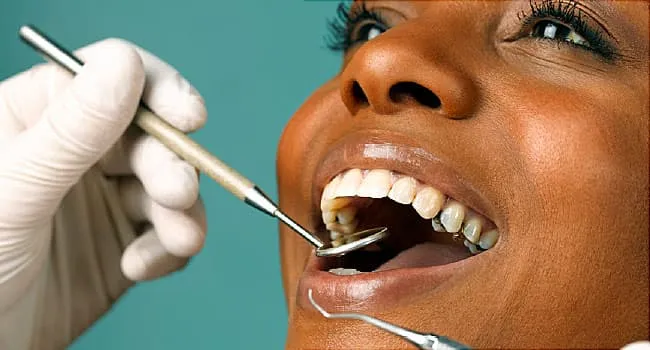
The examination may include checking for gum recession, enamel wear, cracks, loose restorations, decay, bite problems, and signs of grinding. The dentist may use air, cold, gentle pressure, tapping, or dental X-rays to distinguish exposed dentin from deeper problems.
What Helps Sensitive Teeth?
Treatment depends on what is causing the pain. Common approaches include:
- Desensitizing toothpaste: Ingredients such as potassium nitrate or stannous fluoride can reduce nerve responses or help block exposed dentinal tubules. Consistent use may be needed before improvement becomes noticeable.
- Fluoride treatment: Professional fluoride varnish, gel, or prescription-strength toothpaste can strengthen vulnerable surfaces and reduce sensitivity.
- Dental bonding or sealants: A dentist may cover exposed roots or worn areas with a protective material.
- Restorative care: Cavities, broken fillings, cracks, or damaged crowns may require repair.
- Gum treatment: Treating gum disease can help prevent further recession. Significant root exposure may require grafting or another periodontal procedure.
- A custom night guard: A properly fitted guard can reduce damage from nighttime grinding.
- Root canal treatment: When the pulp is severely inflamed or infected, treating the inside of the tooth may be necessary.
For mild generalized sensitivity, a soft toothbrush, fluoride toothpaste, gentler brushing, and reduced acid exposure are reasonable starting points. However, home care should not replace an examination when pain is persistent, severe, or limited to one tooth. n>
When Should You See a Dentist?
Schedule a dental visit when sensitivity lasts more than a week or two, repeatedly returns, affects one particular tooth, or interferes with eating and drinking. Seek faster care when you have:
- Pain that lingers after hot or cold exposure
- Severe or throbbing tooth pain
- Pain when biting or releasing a bite
- A visible crack, chip, cavity, or loose filling
- Swollen, tender, or bleeding gums
- Facial swelling, fever, or a pimple-like bump on the gum
- A tooth that has become dark or discolored after an injury
These symptoms may indicate decay, a fracture, pulp inflammation, or infection. Tooth problems rarely admire your plan to “see how it feels next month.” Earlier care usually means more treatment options and less complicated dentistry.
Real-Life Experiences With Sensitive Teeth
The Ice-Water Surprise
A common experience begins with a cold drink. Someone takes a sip of ice water and feels a fast electric jolt near the gumline. The discomfort disappears almost immediately, so it is easy to ignore. Over several weeks, however, brushing the same area also starts to hurt.
In a situation like this, a dental examination may reveal mild gum recession and exposed root dentin. The person may have been scrubbing aggressively with a medium- or hard-bristled toothbrush, believing that more pressure removed more plaque. Switching to a soft brush, improving technique, and regularly using desensitizing fluoride toothpaste may gradually reduce the symptoms. The lesson is simple: enthusiasm is wonderful, but teeth prefer gentle enthusiasm.
The Whitening Weekend
Another familiar story starts before a wedding, reunion, vacation, or photo-heavy event. A person uses whitening strips longer or more often than directed in hopes of reaching movie-star brightness by Saturday. By Friday, room-temperature water feels suspiciously cold and breathing through the mouth sends zingers across several front teeth.
This pattern is often temporary whitening-related sensitivity. Pausing treatment, following product instructions, and discussing lower-strength or professionally supervised whitening options with a dentist can help. The experience also demonstrates why “more product” does not always mean “more beauty.” Sometimes it means spending dinner avoiding both the ice water and the soup.
The Mystery Tooth That Hurts Only While Chewing
Some people experience sensitivity that seems unpredictable. Cold food may hurt one day but not the next. Chewing a seed, crusty bread, or popcorn kernel produces a sharp pain, particularly when the bite is released. The tooth may look perfectly normal in the mirror.
That combination can occur with a small crack. Because cracks may be difficult to see and symptoms can come and go, diagnosis sometimes requires bite testing, magnification, imaging, or referral to an endodontist. Continuing to chew hard foods on the tooth may allow the crack to worsen, so intermittent pain should not automatically be labeled ordinary sensitivity.
The Coffee That Keeps Hurting
Brief sensitivity to hot coffee is one thing. Pain that continues for 30 seconds, a minute, or longer after the cup is set down is different. Some people also notice spontaneous aching later in the day or pain that wakes them at night.
Lingering heat sensitivity can signal significant inflammation inside a tooth. A deep cavity, an old restoration, or a crack may have irritated the pulp. In this case, switching toothpaste is unlikely to solve the underlying problem. Prompt dental evaluation can determine whether the tooth needs a filling, crown, root canal, or another treatment.
The “Healthy” Habit With an Acidic Side
A person may drink lemon water throughout the day, snack frequently on citrus fruit, or sip flavored sparkling water from morning until evening. The habit may seem harmless or even health-conscious, yet repeated acid exposure can gradually soften enamel.
Months later, the teeth may appear slightly yellower as dentin becomes more visible. Cold foods become uncomfortable, and the edges of the front teeth may look thinner. The solution is not necessarily to ban every acidic food. It is to reduce the length and frequency of exposure, consume acidic items with meals, rinse with water afterward, and avoid immediate brushing.
The Sensitivity That Was Actually a Cavity
Perhaps the most important experience is assuming that all sensitivity is harmless. Someone notices that one tooth hurts when eating chocolate or drinking something cold. A sensitivity toothpaste provides slight relief, but the discomfort keeps returning.
An examination may uncover decay between teeth or beneath an old filling. Because cavities can remain hidden from casual view, waiting for a visible hole is not a reliable strategy. Sensitivity is a symptom, not a complete diagnosis. When one tooth repeatedly complains, it is usually worth letting a dentist translate.
Conclusion
What causes sensitive teeth? Most cases involve exposed dentin caused by enamel wear, gum recession, aggressive brushing, acidic foods, grinding, or gum disease. Sensitivity can also come from cavities, cracks, damaged restorations, whitening products, recent dental care, reflux, dry mouth, or inflammation inside the tooth.
Brief discomfort affecting several teeth may respond to gentler brushing, fluoride, and desensitizing toothpaste. Persistent, lingering, severe, or one-tooth pain needs professional evaluation because the real cause may require repair. Your teeth are not trying to ruin ice cream. They are simply sending a message, sometimes with the subtlety of a fire alarm.