
Note: This article is for educational purposes only and does not replace medical advice. If bruising appears suddenly, happens often, is large or painful, or comes with unusual bleeding, fever, fatigue, weight loss, or dizziness, it is smart to contact a healthcare professional.
Introduction: When Your Skin Starts Keeping Receipts
You walk into the corner of a coffee table, forget about it, and two days later your thigh looks like it lost a tiny boxing match. Or worse, you spot a purple mark and have absolutely no memory of earning it. If you have ever asked, “Why do I bruise easily?” you are not alone. Easy bruising is common, and in many cases, it is not dangerous. Still, it can be your body’s way of waving a small purple flag.
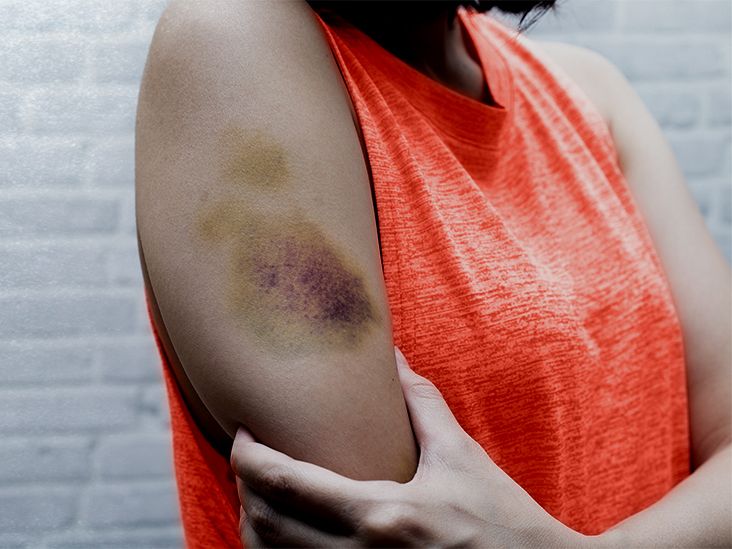
A bruise forms when small blood vessels under the skin break and leak blood into nearby tissue. The skin is not cut, but the blood gets trapped below the surface, creating that familiar red, blue, purple, green, yellow, or brown patch. In other words, a bruise is basically your body’s internal “oops” sticker.
Most bruises heal on their own. However, bruising easily can happen for many reasons, including aging skin, medications, vitamin deficiencies, intense physical activity, blood disorders, liver problems, and simple genetics. The key is knowing what is normal, what is suspicious, and when to stop Googling at 1 a.m. and call a doctor instead.
What Does “Bruising Easily” Actually Mean?
Everyone bruises. The phrase “easy bruising” usually means you bruise from minor bumps, bruise more often than you used to, get bruises in unusual places, or develop bruises without remembering an injury. A few small bruises on your shins after a busy week may be ordinary. A sudden pattern of large, unexplained bruises deserves more attention.
Bruises are often more noticeable on areas with less cushioning, such as arms, legs, hands, and feet. They can also look different depending on skin tone. On lighter skin, bruises may appear red, purple, blue, green, or yellow. On darker skin, they may look deep purple, brown, black, or darker than the surrounding skin.
Why Do I Bruise Easily? 8 Common Reasons
1. Everyday Bumps You Barely Notice
The simplest reason is also the most overlooked: you may be bumping into things and forgetting. Life is full of furniture corners, car doors, gym equipment, laundry baskets, and bed frames with suspiciously aggressive personalities. Minor trauma can break tiny blood vessels under the skin, especially on the legs and arms.
This kind of bruising is usually harmless if the bruises are small, improve within about two weeks, and clearly match your daily activities. For example, shin bruises after hiking, thigh bruises after moving boxes, or arm bruises after carrying heavy grocery bags often have a clear explanation.
2. Aging Skin and Fragile Blood Vessels
As people get older, skin naturally becomes thinner and loses some of the fatty layer that helps protect blood vessels. Collagen also decreases over time. With less padding, small blood vessels can break more easily after a mild bump. This is one reason older adults may notice bruises on their hands and forearms even after very light contact.
Long-term sun exposure can make this worse. Years of ultraviolet damage can weaken skin structure and blood vessels, especially on sun-exposed areas. This can lead to flat purple or brown patches often seen on the forearms or backs of the hands. They may look dramatic, but they are often related to fragile skin rather than a fresh injury.
3. Medications That Affect Clotting or Skin Strength
Some medications make bruising easier because they affect how blood clots or how strong the skin and blood vessels are. Blood thinners, aspirin, and certain anti-inflammatory pain relievers can reduce clotting ability, which means a small leak under the skin may spread into a larger bruise. Corticosteroids, especially when used for a long time, can thin the skin and make blood vessels more vulnerable.
Common examples include warfarin, heparin, apixaban, rivaroxaban, clopidogrel, aspirin, ibuprofen, naproxen, and prednisone. Some supplements may also affect bleeding risk, especially when combined with medications. If you suspect a medication is involved, do not stop taking it on your own. That is a conversation for your doctor, not a dramatic breakup text to your prescription bottle.
4. Low Vitamin C or Vitamin K Intake
Nutrition matters more than your snack drawer wants to admit. Vitamin C helps support collagen, which keeps skin and blood vessels strong. When vitamin C intake is very low, blood vessels can become more fragile, and bruising may happen more easily. Other signs may include fatigue, swollen or bleeding gums, slow wound healing, or rough skin.
Vitamin K is important for making proteins that help blood clot. A serious vitamin K deficiency can cause bruising and bleeding problems because blood may take longer to clot. Adults rarely become severely deficient from diet alone, but risk may rise with certain digestive conditions, liver problems, bariatric surgery, or medications that affect vitamin K metabolism.
Food sources of vitamin C include oranges, strawberries, kiwi, bell peppers, broccoli, and tomatoes. Vitamin K is found in leafy greens such as spinach, kale, collards, and broccoli. If you take warfarin or another anticoagulant, ask your clinician before making major changes in vitamin K intake. Consistency matters.
5. Intense Exercise or Physical Strain
Hard workouts can sometimes cause bruising, especially if you are lifting weights, playing contact sports, running long distances, or trying a new activity that makes your muscles question your life choices. Small blood vessels may break from pressure, impact, or muscle strain. You may also bruise from equipment, resistance bands, kneeling, or repeated contact with a surface.
Exercise-related bruises are usually mild and appear near areas that were stressed or hit. They should improve with rest, ice, and time. However, bruising with severe pain, swelling, weakness, numbness, or limited movement should be checked. A bruise after a workout should not feel like your body filed a formal complaint.
6. Platelet Problems or Blood Clotting Disorders
Platelets are tiny blood cells that help stop bleeding. If platelet levels are low or platelets do not work properly, bruising and bleeding can happen more easily. One example is thrombocytopenia, which means a low platelet count. People with platelet problems may also notice tiny red, purple, or brown dots on the skin called petechiae, frequent nosebleeds, bleeding gums, or heavier menstrual bleeding.
Inherited clotting conditions, such as hemophilia or von Willebrand disease, can also lead to easy bruising or prolonged bleeding. These conditions affect the body’s ability to form stable clots. Some people are diagnosed in childhood, while others do not notice symptoms until surgery, dental work, childbirth, or an injury reveals the issue.
Blood disorders are not the most common cause of easy bruising, but they are important to rule out when bruising is frequent, unexplained, severe, or paired with other bleeding symptoms.
7. Liver Disease or Problems Making Clotting Proteins
The liver does much more than complain quietly after greasy food. It helps make clotting proteins that the body needs to stop bleeding. When liver function is seriously affected, bruising and bleeding can become easier. This may happen with advanced liver disease or cirrhosis.
Other warning signs can include yellowing of the skin or eyes, swelling in the legs or abdomen, dark urine, pale stools, itchy skin, unusual tiredness, nausea, loss of appetite, or unexplained weight loss. Easy bruising alone does not automatically mean liver disease, but bruising plus these symptoms deserves prompt medical attention.
8. Family Tendency, Connective Tissue Differences, or “Just You”
Some people simply bruise more easily because of naturally fragile blood vessels. A condition sometimes called purpura simplex is common and may cause increased bruising without a serious underlying disease. It is often seen in otherwise healthy people, especially women, and bruises may appear on the thighs, arms, or buttocks after minor trauma.
Connective tissue conditions can also make bruising more likely. For example, Ehlers-Danlos syndrome can affect collagen and lead to flexible joints, stretchy or delicate skin, slow wound healing, and easy bruising. If easy bruising comes with very flexible joints, frequent sprains, chronic joint pain, or unusual scarring, it may be worth discussing with a healthcare provider.
When Should You Worry About Easy Bruising?
Most bruises are not emergencies. Still, certain patterns should not be ignored. Call a healthcare professional if bruises appear suddenly, become more frequent or severe, are very large or painful, develop without any clear reason, or do not improve over time. You should also get medical advice if bruising comes with nosebleeds, bleeding gums, blood in urine or stool, heavy menstrual bleeding, fever, night sweats, extreme fatigue, dizziness, weakness, or unexplained weight loss.
Seek urgent help if a bruise follows a major injury, is accompanied by severe swelling or intense pain, appears near the eye after head trauma, or if you suspect a broken bone. If bruises are caused by someone hurting you, tell a trusted adult, healthcare professional, school counselor, or local emergency service. Your safety matters more than keeping a painful secret.
How Doctors May Evaluate Easy Bruising
A doctor will usually begin with questions. When did the bruising start? Where do bruises appear? Are they painful? Do you bleed easily? Do you take aspirin, blood thinners, steroids, supplements, or herbal products? Is there a family history of bleeding problems? Have you had recent illness, weight loss, fever, or fatigue?
Depending on the answers, testing may include a complete blood count to check platelets, blood tests that measure clotting time, liver function tests, or other targeted labs. The goal is not to panic; the goal is to separate ordinary bruising from something that needs treatment.
How to Help Bruises Heal
For a typical bruise, simple care is usually enough. Apply a cold pack wrapped in a towel for 10 to 20 minutes at a time during the first day or two. Elevate the area if possible. Rest the injured spot and avoid massaging the bruise, because rubbing it like a magic lamp will not summon faster healing.
After the first couple of days, gentle warmth may help with comfort. Over-the-counter pain relievers may be useful, but ask a healthcare professional which option is safest for you, especially if you already bruise easily or take blood-thinning medication.
How to Reduce Bruising in Everyday Life
You cannot bubble-wrap your entire body, and frankly, the fashion industry is not ready. But you can lower bruise risk with practical habits. Keep walkways clear, use good lighting at night, wear protective gear during sports, move slowly around sharp furniture corners, and consider long sleeves or shin guards for activities that commonly cause bumps.
Eat a balanced diet with enough fruits, vegetables, protein, and healthy fats. Protein supports tissue repair, while vitamin C and vitamin K support blood vessel strength and clotting. If you drink alcohol, keep it moderate, because heavy use can affect the liver and increase injury risk. Review medications and supplements with your doctor or pharmacist if bruising becomes a new problem.
Experience Section: Real-Life Lessons From the Land of Mystery Bruises
Easy bruising often becomes noticeable in ordinary moments, not dramatic ones. Someone may be getting dressed, glance down, and see a purple spot on the shin with no memory of a bump. The first reaction is usually confusion. The second is detective work. “Was it the desk? The gym? The dog? Did the laundry basket attack again?” In many cases, the answer is surprisingly boring: a tiny impact that seemed too minor to remember.
One common experience is the “busy week bruise.” After moving furniture, helping a friend carry boxes, playing sports, or cleaning the garage, bruises appear days later. Because bruises do not always show up immediately, people may not connect them to the original bump. The body keeps a delayed receipt, then posts it on your skin like a passive-aggressive sticky note.
Another familiar story is bruising after starting a new medication. A person may begin daily aspirin, a blood thinner, or a steroid and then notice that small bruises look bigger or last longer. This can feel alarming, but it does not always mean something is terribly wrong. It does mean the change should be mentioned to a healthcare provider, especially if there is unusual bleeding. Medication-related bruising is a classic example of why the phrase “ask your doctor” is not just a legal decoration at the end of health articles.
There is also the “I started working out” bruise. New runners may see bruises around the legs. Weightlifters may notice marks where equipment rests against the body. People trying a new sport may discover muscles they did not know existed and bruises they definitely did not invite. Usually, these bruises improve as technique, conditioning, and protective habits improve. Better shoes, proper form, padded equipment, and recovery days can make a difference.
Food habits can play a role too. Someone living on coffee, crackers, and the emotional support of takeout may not get enough vitamin-rich produce. While severe deficiencies are not the most common cause of bruising, poor nutrition can make the body less resilient. Adding citrus, berries, peppers, broccoli, leafy greens, beans, eggs, fish, or lean protein is not a magical bruise eraser, but it supports normal healing. Your skin is an organ, not a decorative wrapper, and it appreciates being fed like one.
Aging brings another experience: bruises that appear on hands and forearms after very light contact. People may say, “I barely touched anything.” They may be right. Thinner skin and fragile blood vessels can make minor bumps leave bigger marks than they used to. Sun-exposed skin is especially prone to this. Moisturizer and sun protection cannot reverse time, but they can help protect the skin barrier and reduce additional sun damage.
The most important experience is learning your own pattern. If you usually bruise a little on your legs after activity, that may be normal for you. If you suddenly develop many bruises, large bruises, painful bruises, or bruises with bleeding gums, nosebleeds, fever, fatigue, or weight loss, that is different. The goal is not to fear every mark. The goal is to notice changes. Your skin may be dramatic, but sometimes it is also informative.
Conclusion: Listen to the Bruise, But Do Not Let It Host a Panic Podcast
So, why do you bruise easily? The answer may be as simple as minor bumps, aging skin, exercise, or family tendency. It may also involve medications, vitamin deficiencies, platelet issues, clotting disorders, liver disease, or connective tissue differences. Most bruises heal without treatment, but new, frequent, large, painful, or unexplained bruises should be taken seriously.
The best approach is calm curiosity. Track when bruises appear, where they show up, how long they last, and whether other symptoms come with them. Support your body with balanced nutrition, safe movement, sun protection, and medication reviews when needed. And if your bruises seem unusual, let a healthcare professional help you solve the mystery. Your coffee table may be guilty, but it is not the only suspect.














