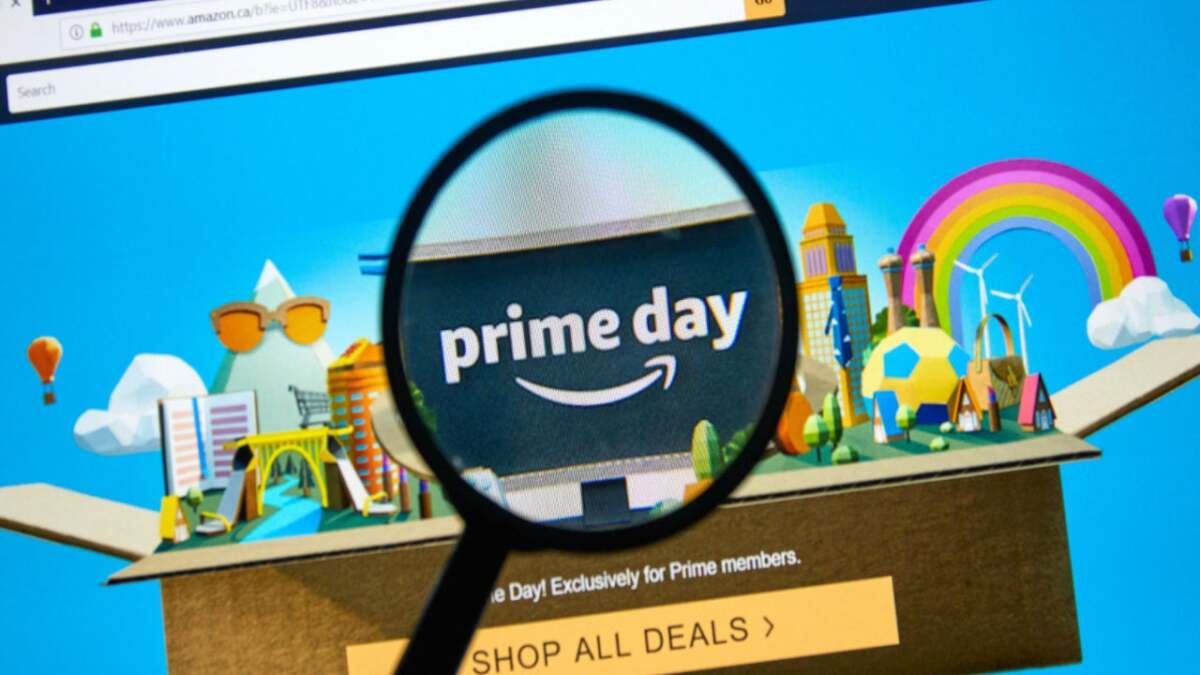
Prime Day looks like a giant savings festival, but it is also one of the internet’s most carefully engineered shopping environments. Bright badges, ticking clocks, personalized recommendations, low-stock warnings, and effortless checkout shorten the distance between “Maybe someday” and “Your order has shipped.”
That does not make every deal bad or every persuasive feature deceptive. Many discounts are real, and Amazon offers price-history tools and reference-price safeguards. The point is that Prime Day is designed to increase purchases, order size, membership value, and repeat shopping. Knowing how the system works can keep you from waking up beside a discounted countertop ice maker you never planned to own.
Prime Day Is More Than a SaleIt Is a Conversion Machine
Prime Day has expanded into a multi-day retail season surrounded by early offers, alerts, rival sales, and lingering discounts. Adobe reported that U.S. shoppers spent a record $26.4 billion across online retailers during the 2026 Prime Day period. The event is not merely a time when prices fall; it is a national cue to browse, compare, justify, and buy.
Amazon’s most effective Prime Day shopping tricks influence what you notice, how quickly you decide, which price becomes your reference point, and how much friction remains before payment. In ordinary language, the site gives your wallet a waterslide.
1. The Strikethrough Price Creates a Powerful Anchor
Your Brain Compares Before It Calculates
A product shown at $59.99 beside a crossed-out $119.99 price feels like a $60 victory. The useful question, however, is not how far today’s price sits below the reference price. It is what the item actually sold for during the last 30, 90, or 180 days.
This is anchoring: the first prominent number shapes later judgments. Amazon says it validates reference prices, including List Price and Typical Price, and may suppress inflated figures. Still, shoppers can mistake a legitimate manufacturer list price for the product’s normal street price. Consumer Reports and NBC Select therefore recommend checking price history rather than trusting the discount badge alone.
2. Lightning Deals Turn Shopping Into a Race
The Clock Removes Your Best Money-Saving Tool: Time
Lightning Deals combine a deadline with limited inventory. Amazon explains that they may last only a few hours and can disappear sooner when the allocated quantity sells out. Hesitation suddenly feels expensive: you are no longer deciding whether a blender is worth buying; you are deciding whether somebody else will get “your” blender first.
Scarcity can increase perceived value and urgency. Prime Day makes it visible through countdowns, progress bars, and “ends soon” language, turning shopping into a game. The defense is boring but effective: decide what you need before the timer appears. A deadline describes the promotion; it does not prove the product belongs in your home.
3. Low-Stock and Popularity Messages Trigger FOMO
“Only 4 left” suggests future regret. “10K+ bought in the past month” offers social proof. A popularity badge reassures you that other shoppers have already done the thinking.
Amazon publicly describes using sales-trend data and customer activity to rank and recommend products. These signals can be useful, but popularity is not personal relevance. The Federal Trade Commission and U.S. PIRG have warned more broadly that urgency appeals, scarcity cues, and similar interface patterns can steer online shoppers toward rushed choices.
4. Prime Membership Changes the Question
“Am I Saving?” Becomes “Am I Using My Benefits?”
Member-exclusive prices make deals feel like rewards you already paid to access. Skipping Prime Day can then feel like wasting the membership, even though the annual fee should not affect whether one particular air fryer is worth buying.
Prime Day also attracts new members, reinforces loyalty, and discounts Amazon-owned devices that connect customers more deeply to its ecosystem. NBC Select notes that Kindle, Fire, Ring, Blink, and other Amazon products often receive aggressive discounts, while Amazon emphasizes that the event is exclusive to Prime members.
5. Personalization Makes Every Aisle Look Relevant
A physical store cannot rebuild itself around you every time you enter. Amazon can. Browsing history, purchases, searches, Lists, reviews, and preferences can shape “Keep shopping for,” “Buy Again,” personalized deal feeds, and alerts. Products you once viewed return when a discount makes them easier to justify.
Newer AI tools can compare items, show price history, set alerts, add products to a cart, and even buy automatically at a target price. Convenience is valuable, but every removed step is also one less opportunity to reconsider.
6. Sponsored Products Blend Into the Shopping Journey
Amazon search results are not simply a neutral ranking of the best choices. Sponsored Products can appear at the top of, beside, or within results and on product pages. They are labeled, but hurried shoppers may focus on the image, rating, discount, and delivery date instead of asking why the item occupies such a valuable position.
Treat the first row as a starting point, not a verdict. Compare the seller, model number, warranty, return terms, total price, review quality, and historical price.
7. Coupons and Stacked Badges Make Spending Feel Like Earning
A sale price may appear beside a percentage discount, coupon checkbox, Prime badge, card reward, or promotional credit. With enough savings symbols on one screen, buying starts to feel like a financial achievement.
It is not. Saving $35 on an unplanned $90 purchase is still a $90 expense. Ask one blunt question: “Would I pay today’s final price if there were no red badge, crossed-out number, or event?” If not, the promotion is making the decision.
8. Bundles Quietly Expand the Original Mission
You arrive for a cordless drill. The page suggests a battery, bit set, case, safety glasses, and a brush attachment apparently designed for grout on the moon. “Frequently bought together” modules make new needs easy to imagine.
A bundle saves money only when you already intended to buy every component and the package beats buying the best options separately. Otherwise, it is just a larger receipt wearing a discount hat.
9. Easy Checkout Shrinks the Pain of Paying
Saved addresses, stored cards, Buy Now buttons, fast delivery, and easy reordering remove friction. That is excellent customer experience, but friction is sometimes your unpaid financial adviser.
Amazon’s advertising materials emphasize that sponsored products can lead directly to detail pages and make buying possible in a click or two. Fewer steps mean fewer moments to notice the cart total, compare alternatives, or reconsider an impulse.
10. Monthly Payments Make Expensive Items Look Smaller
A $720 purchase feels serious. “$60 per month” feels manageable. Buy now, pay later changes the unit your brain evaluates even though the total obligation remains. The Consumer Financial Protection Bureau describes BNPL as installment credit that provides the item immediately and spreads repayment across later payments.
Compare the full cost, fees, interest, due dates, and impact on monthly cash flow. Prime Day ends quickly; payment obligations are less festive.
11. More Deal Days Mean More Chances to Rationalize
A longer event creates repeated exposure: morning browsing, lunchtime alerts, evening comparisons, and final-chance offers. Every return visit creates another opportunity for an ad, recommendation, or scarcity cue to convert curiosity into spending.
Prime Day also prompts competing retailers to run overlapping promotions. Associated Press coverage has documented how the event influences back-to-school demand and wider retail activity. Buying something can begin to feel like the default activity of the week.
12. Deal Fatigue Weakens Careful Decisions
After comparing twenty nearly identical earbuds, checking reviews, opening price trackers, and dismissing notifications, shoppers may choose the familiar brand, boldest discount, or fastest delivery simply to finish.
Narrow the field before Prime Day. Pick required features, acceptable brands, a target price, and a maximum budget. A prepared shopper uses the sale as a price check. An unprepared shopper uses it as entertainmentand entertainment on Amazon comes with free shipping.
How to Shop Prime Day Without Being Played
Use a List, Target Prices, and a Hard Ceiling
Write down what you planned to buy and the maximum price for each item. Check historical prices and at least two competing retailers. Consumer advocates consistently recommend researching sellers, verifying discounts, and resisting decisions based only on urgent promotional language.
Judge the Cart Total, Not Individual Discounts
Five excellent deals can still create a terrible bill. Remove anything absent from the original list and ask what else you could do with the total. Realistic spending limits protect broader financial goals.
Use Technology Against the Technology
Wish lists, price-history charts, target-price alerts, and retailer comparisons turn Prime Day into a planned buying window. NerdWallet and NBC Select both emphasize historical pricing as a key test of whether a markdown is meaningful.
Delay Anything Unplanned
Save the product and wait several hours. A genuine need will survive. A scarcity-induced craving often will not.
A Common Prime Day Experience: How a $29 Purchase Becomes a $241 Cart
Consider a realistic composite shopper named Jordan. Jordan opens Amazon with one goal: buy a discounted electric toothbrush. The target budget is $40. This should take six minutes.
The toothbrush page shows a bold discount, a countdown, thousands of recent purchases, and delivery tomorrow. Jordan feels efficient already. Below the offer is a bundle containing replacement heads. That seems reasonable, because teeth apparently continue existing after Prime Day. The cart is now $63.
Amazon then recommends a water flosser. Jordan has never researched one, but it is 38% off and labeled as a limited-time deal. A review headline says it “changed my routine.” Jordan imagines a future in which dental hygienists applaud upon entry. The flosser joins the cart. Total: $102.
A progress message suggests the deal may end soon, so Jordan checks out before comparing prices. The stored card and address make the process nearly invisible. Purchase complete.
Ten minutes later, a personalized notification announces a discount on noise-canceling headphones Jordan viewed three months ago. Back then, they were merely interesting. Today, the crossed-out price makes them feel urgent. A monthly payment looks like “the cost of two lunches,” while the total cost receives less attention. The headphones are ordered.
Now Amazon displays a headphone stand, cable organizer, and compact charging station. Each accessory feels inexpensive beside the headphones. Once the large purchase resets the anchor, smaller additions seem harmless. Another $46 disappears.
By afternoon, Jordan has spent $241. Every decision had a reasonable story: oral health, future savings, better focus, cleaner cables, faster charging. None felt reckless. That is why the system works. Overspending rarely arrives wearing a villain’s cape. It arrives as several sensible decisions made too quickly.
That evening, confirmation emails make each purchase feel complete and justified. Jordan notices the total only after adding the orders together. Returning items is possible, but returns require another decision, another task, and sometimes repacking several boxes. Instead, Jordan tells friends the headphones were “basically half price” and keeps everything. This is post-purchase rationalization: once money has been spent, the brain becomes a talented defense attorney. The original $40 mission has quietly become a lifestyle upgrade.
The next Prime Day, Jordan changes the process. The list contains three items, each with a target price. Products not on the list go into a “wait 24 hours” note, not the cart. Historical prices are checked beforehand. Notifications are muted. Monthly payments are translated back into total cost. The toothbrush is purchased for $31; the replacement heads are cheaper elsewhere; the water flosser is ignored.
The second experience feels less exciting, but it produces actual savings. Jordan spends $31 instead of $241 and keeps $210 for something chosen without a timer shouting in the background. That is the central lesson: the best deal is not the largest percentage on the screen. It is the lowest price on something you already intended to buy.
Conclusion: Prime Day Savings Require Prime Day Discipline
Amazon does not need one magical trick. It combines price anchors, scarcity, social proof, exclusivity, personalization, advertising, bundles, rapid delivery, frictionless checkout, and payment framing. Each influence is small; together, they create momentum.
Do not assume every discount is fake. Separate the product decision from the promotional theater: decide what you need, study the normal price, set a limit, and let deals compete for your money. Prime Day can save cash, but only when “buy now” does not outrank “think first.”