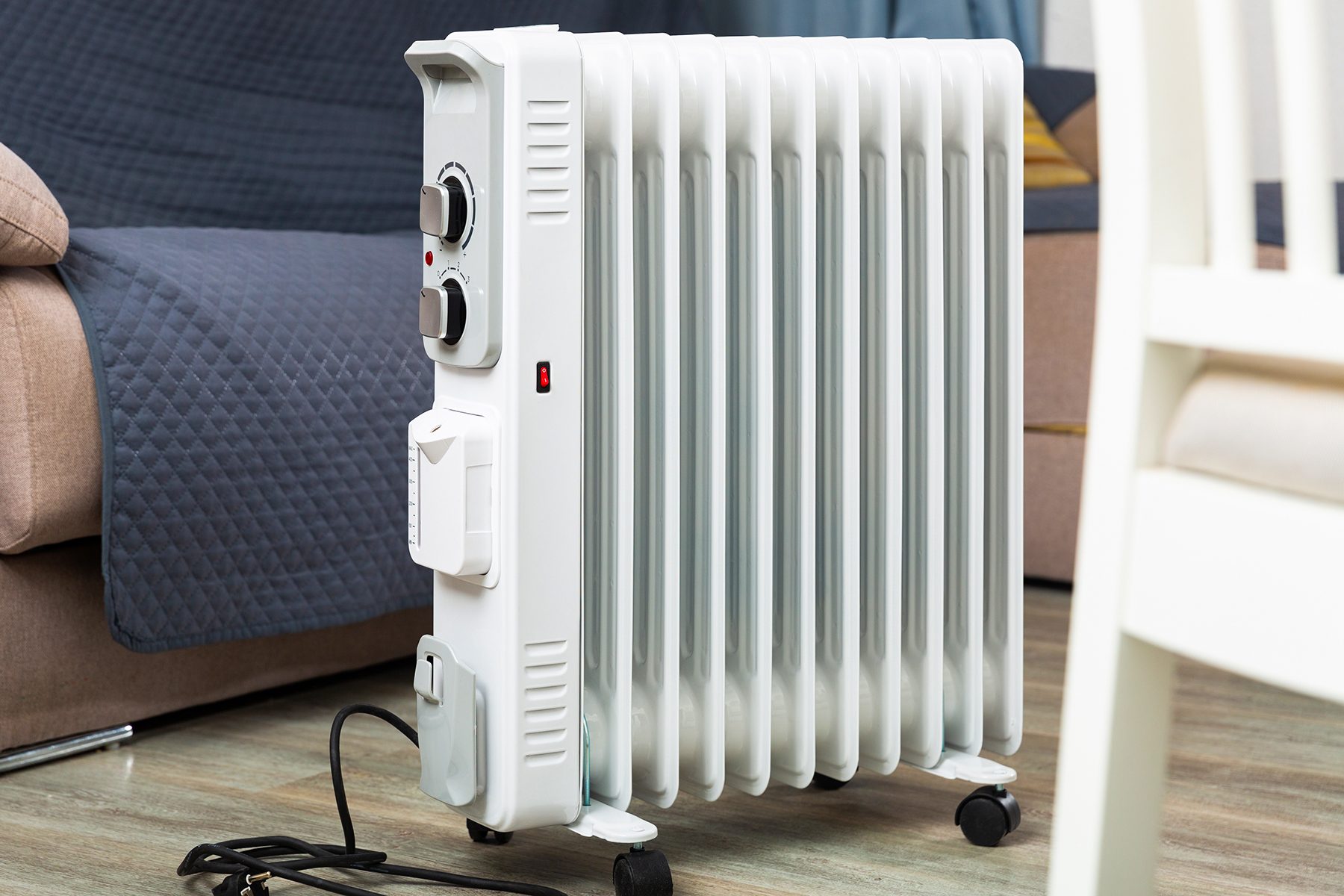
A space heater can turn a chilly home office, drafty bedroom, or stubbornly cold living room into a comfortable retreat. Unfortunately, it can also become the household equivalent of a tiny dragon if it is placed beside curtains, connected to an overloaded power strip, or left running while everyone goes to bed.
That risk is not theoretical. The U.S. Consumer Product Safety Commission estimates that portable heaters were involved in an annual average of approximately 1,600 fires, 70 deaths, and 150 injuries from 2020 through 2022. The National Fire Protection Association also reports that space heaters account for a substantial share of home heating fires and most heating-related deaths and injuries.
The good news is that most space heater hazards can be reduced through sensible equipment selection, proper placement, safe electrical practices, and one simple habit: turning the heater off before leaving the room. This guide explains how to use a portable heater safely without forcing your family to spend winter dressed like an Arctic expedition team.
Why Space Heater Safety Matters
Portable heaters produce concentrated heat in a relatively small area. That makes them useful for supplemental heating, but it also means nearby objects can become dangerously hot. Curtains may sway toward the unit, bedding can fall against it, pets can knock it over, and overloaded electrical connections can overheat inside a wall or power strip.
The most important rule is often called the three-foot safety zone: keep anything that can burn at least three feet away from every side of the heater. That includes furniture, bedding, clothing, books, papers, curtains, rugs, toys, cardboard boxes, and holiday decorations. Multiple U.S. fire-safety organizations emphasize this minimum clearance because ordinary household materials can ignite when exposed to sustained heat.
Choose the Right Space Heater
Look for Independent Safety Certification
Purchase a heater bearing the mark of a nationally recognized testing laboratory. Common examples include UL and ETL. These marks indicate that the model has been independently evaluated against applicable safety standards. They do not make a heater magically accident-proof, but they provide greater assurance that its electrical components and protective systems meet established requirements.
A suspiciously cheap heater from an unknown seller may be tempting, especially when your toes feel like frozen grapes. However, unclear labeling, counterfeit certification marks, missing instructions, and poor-quality electrical components are excellent reasons to keep scrolling.
Prioritize Automatic Shutoff Features
Choose a model with tip-over protection that switches the heater off if it falls. Overheat protection is also valuable because it shuts down the unit if internal temperatures become unsafe. These features are especially important in homes with children, pets, crowded rooms, or residents who may have difficulty moving quickly.
A thermostat and timer can improve comfort and reduce unnecessary operation, but neither replaces supervision. A timer is a convenience feature, not a permission slip to leave the house while the heater runs.
Match the Heater to the Room
Select a heater designed for the size and type of space you intend to warm. An oversized fuel-burning heater may create indoor air-quality problems, while an undersized electric model may run constantly without producing satisfactory comfort. Follow the manufacturer’s room-size recommendations rather than assuming that the biggest heater is automatically the best one.
Use portable space heaters as supplemental heat, not as a permanent substitute for a damaged furnace, unsafe wiring, or inadequate building insulation. A heater can warm your feet; it cannot repair your HVAC system through positive thinking.
Place the Heater Safely
Use a Hard, Level Surface
Set the heater upright on a stable, flat, nonflammable surface where it cannot easily be tipped over. Ceramic tile and other hard flooring are generally safer than thick rugs, upholstered furniture, beds, or uneven carpeting. Never balance a heater on a chair, desk covered with papers, shelf, mattress, or pile of books.
Keep the unit out of busy walkways. A perfectly placed heater can become badly placed the moment someone trips over its cord while carrying coffee.
Protect the Three-Foot Zone
Measure the clearance instead of estimating it. Three feet is approximately the length of a baseball bat, not the width of a throw pillow. Check behind the heater as well as in front of it. A unit that appears safely positioned may still be heating a curtain, wall decoration, laundry basket, or electrical cord behind it.
Recheck the area during use. Blankets slide, pets relocate their beds, laundry piles grow mysteriously, and children have an impressive ability to move toys into exactly the wrong location.
Keep Heaters Away From Water
A standard portable electric heater should not be used near sinks, bathtubs, showers, wet floors, or other water sources. Bathrooms combine electricity, moisture, steam, and conductive metal fixtures, creating additional shock and fire hazards. Use a heater in a bathroom only when the manufacturer specifically approves that location and all applicable electrical requirements are satisfied. A professionally installed bathroom heating system is often the safer solution.
Follow Safe Electrical Practices
Plug the Heater Directly Into a Wall Outlet
Plug an electric space heater directly into a properly installed wall outlet. Do not connect it to an extension cord, plug adapter, power strip, surge protector, or multi-outlet device. Space heaters draw substantial electrical current, and connections that are not designed for that continuous load can overheat and start a fire.
Do not plug another high-wattage appliance into the same outlet or circuit while the heater is operating. A heater and a microwave, toaster, hair dryer, or coffee maker may form a charming little team dedicated to tripping the breakeror creating a more serious electrical problem.
Inspect the Cord and Plug Before Every Use
Examine the power cord for cracks, cuts, melted insulation, exposed wires, discoloration, or crushed sections. Check that the plug fits securely in the outlet. Stop using the heater if the plug is loose, the cord becomes unusually hot, the outlet is discolored, or you notice buzzing, sparking, smoke, or a burning smell.
Never run the cord beneath a rug, carpet, furniture, or doorway. Covering a cord can trap heat and conceal damage. It also turns the cord into a trip hazard with excellent camouflage.
Do Not Ignore Repeated Breaker Trips
A circuit breaker that repeatedly trips while the heater is running is warning you that something is wrong. Do not keep resetting it or move the heater through the house in search of an outlet that “complains less.” Stop using the unit and have the circuit, outlet, and heater evaluated by a qualified professional.
Supervise the Heater Whenever It Is Running
Turn It Off When Leaving the Room
Never leave an operating space heater unattended. Turn it off and unplug it when leaving the room, going to sleep, or leaving home. Allow the heater to cool before moving or storing it. Fire departments, the CPSC, the Red Cross, and other safety organizations consistently warn against unattended and overnight operation.
Place the heater where you can see it. Hiding it behind a sofa may improve the decorating scheme, but it also hides shifting blankets, damaged cords, and early signs of overheating.
Keep Children and Pets Away
Create a child- and pet-free zone around the heater. Hot surfaces may cause burns, and a running child or enthusiastic dog can tip over even a reasonably stable unit. Do not rely entirely on a protective grille; exterior surfaces and discharged air may still become hot.
A physical barrier may help in some homes, provided it remains well outside the required clearance area and does not block airflow. Teach children that the heater is not a stool, toy garage, snack warmer, or place to dry mittens.
Never Use a Space Heater for the Wrong Job
A portable heater is designed to heat occupied space. It should not be used to dry wet clothing, warm bedding, thaw frozen pipes, heat food, or provide a warm platform for pets. Placing fabric directly on or near the unit can restrict airflow and create an immediate ignition hazard.
Never use an oven or gas range to heat a room. Combustion appliances used improperly can produce dangerous carbon monoxide and create serious burn and fire risks.
Understand Fuel-Burning Heater Risks
Carbon Monoxide Is Invisible
Electric space heaters do not produce carbon monoxide during normal operation, but propane, kerosene, natural-gas, and other fuel-burning heaters may produce it. Carbon monoxide is colorless and odorless and can cause sudden illness or death. Common symptoms include headache, dizziness, weakness, nausea, vomiting, chest pain, and confusion.
Only use a fuel-burning heater indoors when it is specifically approved for indoor residential use. Follow all ventilation, fuel, installation, and clearance instructions. Outdoor patio heaters, camping heaters, grills, charcoal burners, and portable stoves should never be brought into a home, garage, tent, camper, or other enclosed area unless the product is expressly designed and approved for that setting.
Use the Correct Fuel
Never substitute gasoline or another fuel for the type specified by the manufacturer. For a kerosene heater, the CPSC advises using only the approved grade of kerosene and never gasoline. Refuel outdoors only after the heater has been turned off and allowed to cool completely.
Local laws may restrict or prohibit certain unvented fuel-burning heaters in residences. Check local fire codes, lease rules, and manufacturer instructions before use. For example, Massachusetts prohibits unvented kerosene and portable propane space heaters in residential settings because of their fire and carbon monoxide risks.
Maintain Smoke and Carbon Monoxide Protection
Every home using heating equipment should have functioning smoke alarms. Homes with fuel-burning appliances, attached garages, fireplaces, or other potential carbon monoxide sources should also have properly installed carbon monoxide alarms. Test alarms regularly, replace batteries and units according to manufacturer instructions, and make sure everyone recognizes the alarm sounds.
Alarms are essential backup protection, but they do not make unsafe heater placement acceptable. A smoke alarm is there to warn you about a fire, not to referee an argument between a space heater and a curtain.
Space Heater Safety at Work
Before bringing a portable heater into an office, warehouse, studio, or other workplace, check company policy and obtain approval. Some workplaces prohibit personal heaters, while others require specific models, documented inspections, or connection only to designated circuits. OSHA’s own office policy, for example, does not permit nonbusiness small appliances such as space heaters unless management approves them.
Office heaters should never sit beneath desks crowded with paper, bags, coats, and plastic trash cans. Keep exits and walkways clear, disconnect the heater at the end of the workday, and report cold working conditions rather than improvising an electrical obstacle course.
What to Do if Something Goes Wrong
If You Smell Burning or See Smoke
Turn the heater off only if you can do so safely. Unplug it only when the plug and outlet are not hot, sparking, or burning. Leave the area and call emergency services if a fire has started. Do not throw water on an electrical fire.
If a Carbon Monoxide Alarm Sounds
Move everyone, including pets, into fresh air immediately and contact emergency services. Do not search the building for the source or reenter until emergency personnel say it is safe. Anyone experiencing possible carbon monoxide symptoms should receive prompt medical evaluation.
If the Heater Is Damaged
Stop using a heater that has been dropped, flooded, recalled, modified, or repaired with improvised parts. Check the model against current CPSC recall information and contact the manufacturer for approved service or replacement instructions. Electrical tape may be useful for labeling a storage box; it is not a heater restoration program.
A Quick Space Heater Safety Checklist
- Choose a heater certified by a recognized testing laboratory.
- Look for tip-over and overheat shutoff protection.
- Read the manufacturer’s instructions before operation.
- Place the heater on a hard, stable, level surface.
- Maintain at least three feet of clearance on every side.
- Plug the heater directly into a wall outlet.
- Never use an extension cord or power strip.
- Inspect the cord, plug, and outlet before use.
- Keep the heater away from water, exits, and walkways.
- Supervise children and pets around the unit.
- Turn it off and unplug it when leaving or sleeping.
- Use fuel-burning heaters only as approved and directed.
- Maintain working smoke and carbon monoxide alarms.
Conclusion: Warm Rooms Require Cool Decisions
Space heater safety is less about mastering complicated technology and more about maintaining reliable habits. Give the heater room to breathe, connect it directly to a safe outlet, inspect it regularly, supervise it while it runs, and switch it off before leaving or sleeping.
Most dangerous situations begin with a seemingly harmless shortcut: placing the heater a little closer to the bed, using a power strip “just this once,” or leaving it on while stepping out for a few minutes. Avoiding those shortcuts allows a portable heater to do what it was designed to doprovide supplemental warmth without becoming the star of an emergency-services report.
Experience-Based Lessons From Everyday Space Heater Use
The Under-the-Desk Heater That Slowly Disappears
A common home-office setup begins safely enough. The heater sits on a clear floor beneath the desk, several feet from everything else. Over the next few days, a delivery box arrives, a backpack gets dropped nearby, printed documents slide off the desk, and a wastebasket clear floor beneath the desk, several feet from everything else. Over moves closer. The heater has not moved, but its safety zone has quietly vanished.
The practical lesson is to inspect the entire area each time the heater is switched on. Do not assume yesterday’s safe setup still exists today. Office clutter is sneaky, and paper has never respected personal boundaries.
The Living-Room Heater Used During a Movie
Imagine a family turning on a heater while watching a movie. Someone brings out blankets, a child builds a pillow fort, and the dog relocates its bed to the warmest part of the room. Halfway through the film, one blanket slips toward the heater’s air outlet.
This scenario explains why the three-foot zone must remain active rather than merely looking good when the heater is first positioned. Blankets and cushions should stay on the opposite side of the room. An adult should occasionally check the heater, cord, plug, and surrounding area, especially when people are moving around.
The Bedroom Shortcut
A person may turn on a heater before bed intending to switch it off after the room warms up. Then the bed becomes comfortable, the book becomes sleepy, and the heater becomes somebody else’s problemspecifically, Tomorrow Morning’s problem.
A safer routine is to warm the room while getting ready for bed and turn the heater off before getting under the covers. Place the controls where they are easy to reach while standing, not from bed. Better yet, use central heating, appropriate bedding, or another sleeping-safe solution rather than depending on an unattended portable heater overnight.
The Outlet That Feels “A Little Warm”
People sometimes notice that a plug or outlet feels warm and continue operating the heater because it has not sparked or produced smoke. That is the electrical version of hearing a strange engine noise and turning up the radio.
A slightly warm heater casing may be normal, depending on the model, but a hot plug, loose connection, discoloration, crackling sound, or burning odor is not something to monitor casually. Stop using the heater and have the equipment and outlet inspected. Moving the heater to another receptacle may conceal the symptom without correcting damaged wiring.
The Pet Who Loves Warm Air
Cats and dogs are often drawn to space heaters. A pet may lie directly in front of the unit, brush against it, chew the cord, or pull a blanket into the airflow. Even a heater with tip-over protection can cause burns or ignite material that remains pressed against a hot surface.
Create a clear pet-free boundary and supervise the room. Position cords where animals cannot chew or become tangled in them, without routing the cord under rugs or furniture. Never aim the heater directly at a pet bed.
The Power-Outage Improvisation
During a winter outage, a camping heater or patio heater may look like an obvious indoor heat source. It is portable, it produces heat, and it happens to be sitting in the garage. Those qualities do not make it safe inside a home.
Outdoor fuel-burning equipment can produce lethal carbon monoxide in enclosed or partially enclosed spaces. The safer response is to use approved emergency heating methods, move to a designated warming location when necessary, follow local emergency guidance, and never improvise with grills, ovens, generators, or outdoor heaters indoors.
Across all these situations, the pattern is consistent: space heater accidents rarely require an extraordinary chain of events. They usually begin when an ordinary object moves too close, an electrical warning is ignored, or supervision ends. Building a brief safety check into every use is one of the simplest ways to keep a warm room from becoming a dangerous one.
Note: This article provides general safety information. Always follow the heater manufacturer’s instructions, local fire codes, workplace rules, and directions from qualified emergency or electrical professionals.