Every home has storage space. The trouble is that much of it is hiding above doors, beneath beds, behind cabinet fronts, or under a pile of reusable shopping bags that appears to be reproducing. Genius storage solutions do not merely squeeze more possessions into a room. They make useful items visible, accessible, and easy to return after use.
This guide covers practical home organization ideas for kitchens, bedrooms, bathrooms, entryways, offices, and garages. Whether you live in a compact apartment or a house with closets that have somehow declared independence, these strategies can help you reclaim space without turning your home into a warehouse.
Build a Smarter Storage Foundation
Before ordering a matching fleet of baskets, decide what actually deserves space in your home. Buying organizers before decluttering often produces attractive containers filled with things nobody wants. The clutter is still present; it is simply wearing a nicer outfit.
Empty, Edit, and Categorize
Work on one manageable area at a time. Empty the drawer, shelf, or cabinet so you can see everything together. Remove broken items, expired products, unnecessary duplicates, and objects that belong elsewhere. Group what remains by purpose rather than appearance.
For example, create a breakfast category containing cereal, oatmeal, coffee filters, and other morning essentials. In an entryway, group dog-walking supplies, outgoing mail, and weather gear separately. Categories make storage decisions easier because each group has a clear function and measurable size.
Store According to Frequency
The best storage location is determined by how often an item is used. Keep daily necessities between waist and eye level, where they can be reached without stretching or crouching. Place weekly items slightly higher or lower. Holiday decorations, spare bedding, and rarely used serving pieces can occupy less convenient shelves.
This simple hierarchy prevents a fondue set used once every three years from receiving premium cabinet space while the everyday skillet performs a nightly obstacle course.
Measure Before Buying
Measure the width, height, and depth of shelves, drawers, and door clearances. Remember to account for plumbing beneath sinks, hinges inside cabinets, baseboards behind furniture, and handles on storage bins. Record the measurements on your phone so an innocent visit to the store does not become an expensive festival of returns.
Use Vertical Space Without Creating a Climbing Expedition
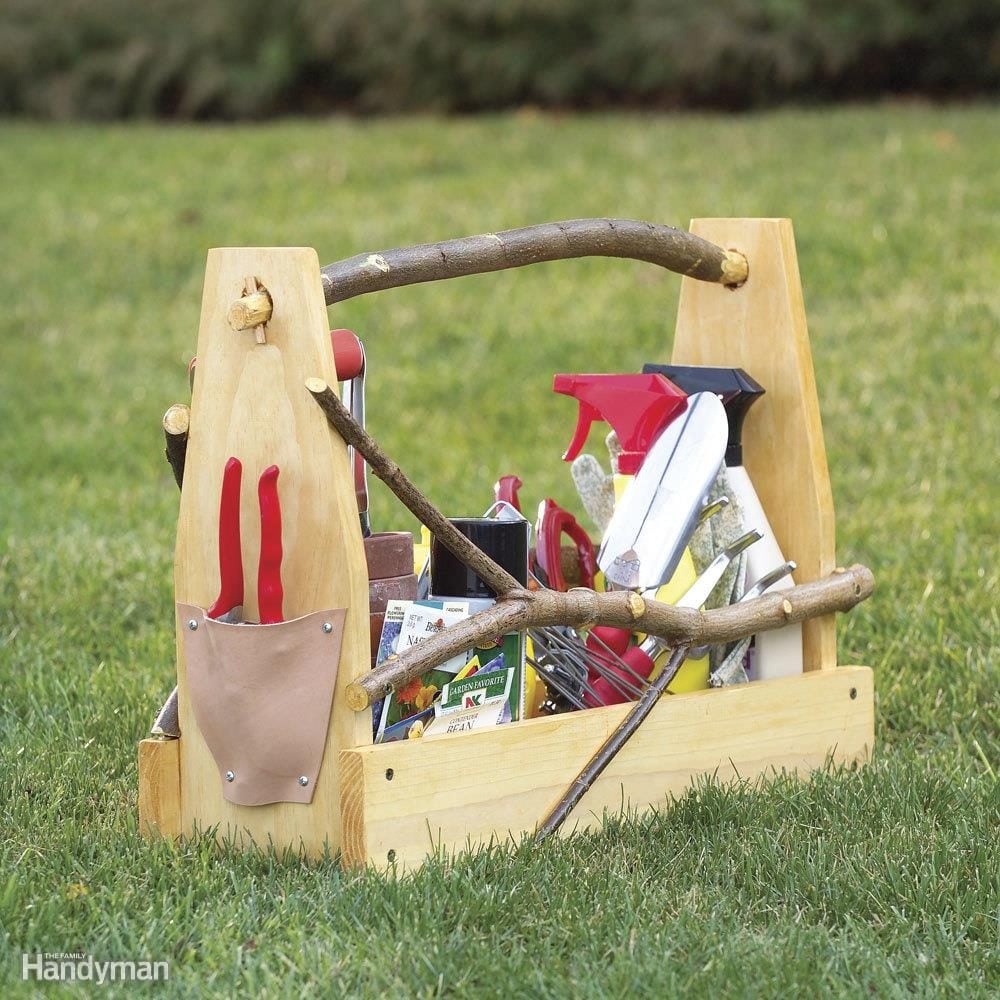
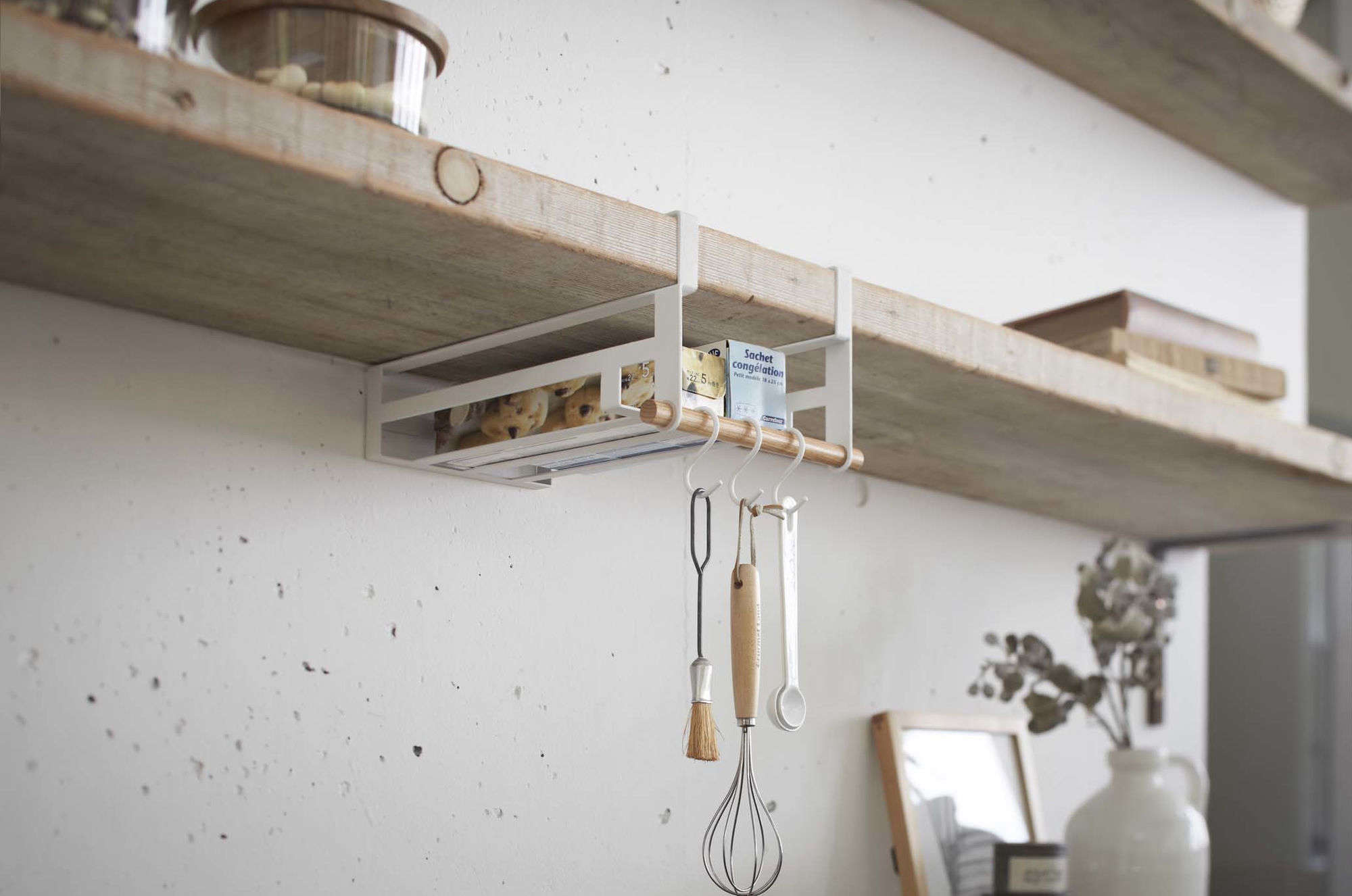
When floor space is limited, walls and doors become valuable storage territory. Tall shelving, floating shelves, pegboards, hooks, and stackable drawers increase capacity without making a room feel crowded.
Take Shelves Toward the Ceiling
Extend bookcases and closet shelving upward, reserving the highest levels for lightweight, infrequently used belongings. Labeled, lidded bins work well for seasonal clothes and keepsakes because they protect contents from dust. Keep a stable step stool nearby rather than balancing on a swivel chair and briefly reconsidering your life choices.
Put Doors to Work
Over-the-door organizers can hold shoes, scarves, toiletries, pantry packets, cleaning cloths, or gift-wrapping supplies. Shallow racks are especially useful because they add storage without consuming floor area. Check that the organizer does not interfere with hinges, door closure, or wall trim.
Use Wall Systems That Can Adapt
Pegboards, rails, and adjustable tracks allow storage to change as household needs evolve. A pegboard might hold craft tools today and home-office accessories next year. In a garage, a track system can support hooks for bicycles, ladders, cords, and garden tools while keeping the floor clear.
Genius Storage Solutions for Every Room
Entryway: Build a Landing Zone
An organized home begins at the entrance. Install sturdy hooks for coats, bags, and leashes, then add a narrow bench with shoe storage below. Give keys, wallets, sunglasses, and incoming mail a small tray or drawer. If several people share the space, assign each person a hook, cubby, or basket.
The goal is to make putting something away easier than dropping it on the nearest chair. When a storage system requires six steps and a password, the dining table will inevitably become headquarters for backpacks.
Kitchen: Make Ingredients and Tools Easy to Reach
Kitchen storage should support the way food is prepared. Store frequently used cookware near the range, knives and cutting boards near the main preparation area, and dishes near the dishwasher. Drawer dividers prevent utensils from forming a metallic nest, while vertical dividers keep baking sheets, trays, and cutting boards upright.
Use shelf risers to take advantage of tall cabinets. Pull-out organizers improve access to deep lower cabinets, and open turntables make bottles and jars easier to find. Keep food in logical zones such as baking, snacks, breakfast, and weeknight cooking. Labels are helpful, but they should describe categories your household naturally understands.
Clear countertops improve both appearance and working space. Appliances used only occasionally can move into cabinets or a pantry. Everyday ingredients may stay visible in attractive, airtight containers, provided the containers are easy to refill and clean.
Bedroom and Closet: Capture Overlooked Space
Under-bed storage is ideal for off-season clothing, spare bedding, luggage, and occasionally used shoes. Choose shallow lidded boxes, breathable fabric bags, or wheeled drawers that can be removed easily for cleaning. A few large containers are usually more manageable than a colony of tiny boxes migrating toward the wall.
Inside the closet, slim hangers can free horizontal rod space. Add a second hanging rod for shirts and folded pants if garment lengths allow it. Shelf dividers stop sweaters from leaning into neighboring stacks, while hooks and hanging organizers create homes for belts, bags, hats, and jewelry.
Bathroom: Think Narrow, Shallow, and Moisture-Aware
Use drawer dividers for grooming products and small bins beneath the sink, carefully working around pipes. A rolling cart can fit beside a vanity and move when needed. Floating shelves above the toilet provide space for towels and extra paper products without occupying the walkway.
Keep frequently used toiletries easy to reach, but avoid storing large reserves in a humid bathroom when a dry linen closet is available. Baskets can soften the appearance of open shelving, while clear bins are better inside cabinets where quickly identifying the contents matters more than decorative charm.
Living Room: Let Furniture Work Overtime
Storage ottomans, lift-top coffee tables, window seats, side tables with drawers, and media consoles conceal games, blankets, chargers, and remote controls. Combining open and closed storage is usually the most balanced approach. Display a curated selection of books and meaningful objects, then place visually noisy necessities behind doors.
A built-in wall unit can provide substantial capacity while appearing architectural rather than bulky. For a renter-friendly alternative, arrange matching freestanding bookcases closely together and use baskets along the lower shelves.
Home Office: Control Paper and Cables
Create separate locations for items requiring action, documents that must be filed, and papers ready for recycling or shredding. Store office supplies near the point of use and keep only modest quantities on the desktop. Cable sleeves, clips, and labeled cords prevent the area below the desk from resembling an electronic jungle.
Use wall-mounted shelves or a pegboard when the floor plan cannot accommodate another cabinet. A rolling cart also works well for shared supplies because it can move between a desk, craft table, and homework station.
Garage and Utility Areas: Organize by Activity
Divide the garage into zones for gardening, automotive care, sports equipment, tools, and seasonal supplies. Cabinets conceal visual clutter, while slatwall panels, rails, hooks, and pegboards keep frequently used equipment accessible. Heavy objects belong on lower shelves, not overhead.
Use durable, labeled containers that suit the temperature and moisture conditions of the space. Keep walkways, doors, electrical panels, and access to emergency equipment unobstructed. Outdoor chemicals, paints, fuels, and pesticides should remain in their original labeled containers and be stored according to manufacturer directions. Never transfer hazardous products into food or beverage containers or mix leftovers together.
Choose Containers That Solve a Real Problem
Containers should fit both the belongings and the available space. Clear bins are practical in pantries, utility closets, and garages because their contents remain visible. Opaque baskets reduce visual clutter on open shelving. Drawers are better than stacked boxes for frequently accessed items because nothing must be unpiled first.
Avoid containers that are too deep for small objects. Items disappear at the bottom, leading people to buy replacements they already own. Use smaller interior bins to divide broad drawers or cabinets into categories. Square and rectangular containers generally use shelf space more efficiently than round ones.
Labels should be short, specific, and readable from the normal viewing position. “Batteries and Flashlights” is more useful than “Miscellaneous,” a category that often translates to “objects we have emotionally postponed understanding.”
Keep Your Home Organization System Working
A genius storage system is not the one that looks perfect in a photograph. It is the one household members can maintain on an ordinary Tuesday. Leave a little empty capacity in drawers and cabinets so items can be returned without wrestling. When a category outgrows its container, reduce the quantity or deliberately assign more space instead of starting a second mystery pile.
Follow the One-Minute Return Rule
If an item can be put away in less than a minute, return it immediately. Add a ten-minute reset at the end of the day for shared rooms. These short routines prevent small amounts of disorder from developing their own municipal government.
Review Seasonal Categories
Inspect clothing, sports gear, holiday decorations, pantry supplies, and children’s items at least once or twice a year. Remove anything damaged, expired, outgrown, or no longer useful. Update labels when categories change.
Make Tall Storage Safe
Anchor dressers, bookcases, and other furniture with drawers, doors, or shelves securely to the wall, especially in homes with children. Follow the manufacturer’s instructions and use hardware appropriate for the wall. Store heavier items low, avoid overloading shelves, and do not place tempting objects where children may climb to reach them.
Storage Lessons From Real-Life Organization Projects
Storage projects repeatedly demonstrate that the most attractive solution is not always the most durable one. Consider a family that installs beautiful open baskets in an entryway. The first week looks magazine-ready. By the third week, gloves are mixed with dog treats, unopened mail, and a screwdriver nobody remembers using. The problem is not the baskets; it is the lack of specific categories. Once each basket receives a single purposecold-weather gear, pet supplies, and outgoing itemsthe area becomes easier to maintain.
Kitchen projects reveal a similar lesson. Decanting every pantry ingredient into matching containers can look impressive, but the system becomes tedious if packages do not fit, cooking instructions are discarded, or containers require constant washing. A more practical compromise is to decant frequently used staples such as flour, rice, and sugar while grouping packaged foods in labeled bins. The pantry still looks orderly, yet unloading groceries does not become a part-time job.
Another common experience involves installing shelves before examining what must be stored. One homeowner may add evenly spaced shelves to a utility closet, only to discover that the vacuum is too tall and the cleaning caddy is too wide. Adjustable shelving or a measured plan would have preserved flexibility. The lesson is gloriously unexciting but valuable: inventory first, measure second, and purchase third.
Small bedrooms show how dramatically one overlooked zone can change a room. Moving extra linens and seasonal clothes into wheeled under-bed boxes may free an entire closet shelf. That shelf can then hold everyday sweaters that previously lived on a chair. The chair becomes available for sittinga plot twist furniture enthusiasts have supported for years.
Children’s storage works best when it matches the child’s height and abilities. Picture labels, low hooks, open toy bins, and broad categories make cleanup easier than complicated systems with tight lids. “Blocks,” “Cars,” and “Art” are manageable categories. Sorting every plastic brick by size and emotional significance is less likely to survive bedtime.
Garage reorganizations often create the biggest visual transformation because they recover the floor. Hanging bicycles, garden tools, and extension cords on properly installed wall systems opens walking and parking space. However, success depends on respecting weight limits and placing frequently used equipment within comfortable reach. A leaf blower stored eight feet high may look tidy, but retrieving it could become an unscheduled upper-body workout.
The strongest lesson is that organization must reflect behavior. Put keys where people naturally pause, store plates near the dishwasher, keep laundry supplies near the washer, and locate children’s backpacks along their path into the house. When belongings repeatedly land in the same unofficial spot, treat that pattern as useful information. It may be easier to add storage there than to conduct a daily campaign against human nature.
Finally, leave breathing room. A cabinet packed to absolute capacity can appear efficient, but it becomes frustrating the moment one new item arrives. Empty space is not wasted space; it is operating space. It lets drawers open smoothly, shelves remain visible, and routines absorb change. The genius in a storage solution is rarely a complicated product. It is the quiet alignment of location, accessibility, safety, and everyday habits.
Conclusion: Give Everything a Sensible Home
Effective home organization begins with editing, measuring, and assigning categories before buying containers. Use walls, doors, overlooked corners, and double-duty furniture to increase capacity, then keep everyday belongings in the easiest locations. Above all, design a system simple enough to maintain. Your home does not need to look like a showroom; it needs to help you find the tape before you buy your fourth replacement roll.
Note: This article synthesizes established guidance from professional organizers, U.S. home-improvement publications, consumer-safety resources, and environmental authorities. Always follow product instructions, structural weight limits, and local safety requirements when installing storage systems.