
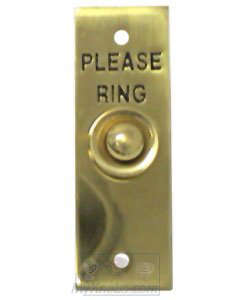
A Victorian recessed doorbell is one of those small architectural details that quietly says, “Yes, this house has manners.” It does not shout like a giant modern smart doorbell camera. It does not blink, sing, or demand a Wi-Fi password before breakfast. Instead, it sits neatly within the door trim or exterior wall, often framed in brass, bronze, nickel, or another heritage-style finish, giving the entryway a polished, period-inspired look.
For homeowners restoring an old houseor simply trying to give a newer home a little old-world charma Victorian recessed doorbell can be the perfect finishing touch. It combines function with character, which is exactly what Victorian design did so well. The best examples feel decorative without becoming fussy, practical without looking plain, and historical without turning the front porch into a museum exhibit guarded by dust bunnies.
What Is a Victorian Recessed Doorbell?
A Victorian recessed doorbell is a doorbell button designed in a Victorian or Victorian-inspired style and mounted so the plate sits close to, or partially within, the surface of the door frame, siding, masonry, or trim. Unlike bulky surface-mounted buttons, recessed models create a cleaner, more built-in appearance.
The word “Victorian” usually refers to design associated with the reign of Queen Victoria, from 1837 to 1901. In American architecture, Victorian details became popular in the second half of the 19th century and influenced Queen Anne homes, Italianate houses, Second Empire residences, Gothic Revival cottages, and many richly ornamented urban row houses.
A Victorian-style doorbell button often includes details such as scrollwork, beaded borders, floral shapes, raised rosettes, domed centers, oval or rectangular backplates, and warm metal finishes. The recessed format keeps the profile tidy, which is especially helpful on narrow door casings or historic trim where every inch matters.
Why This Tiny Hardware Piece Makes a Big Difference
Front entry hardware works like jewelry for a house. The lockset, knocker, mailbox slot, house numbers, porch light, and doorbell all help set the tone before anyone steps inside. A plastic doorbell button on a carefully restored Victorian porch can look like sneakers with a tuxedo. Comfortable, maybe. Correct? Not quite.
A Victorian recessed doorbell adds visual continuity. If your home already has brass hinges, antique-style lighting, carved woodwork, stained glass, or decorative brackets, the doorbell should not feel like it was borrowed from a rental apartment hallway. A well-chosen recessed doorbell supports the architectural story instead of interrupting it.
Key Design Features of a Victorian Recessed Doorbell
Decorative Backplate
The backplate is the visible metal frame surrounding the button. Victorian designs often use oval, round, or elongated rectangular plates with raised borders. Some have floral motifs, rope edging, acanthus-inspired detail, or Eastlake-style geometric carving. The goal is ornament, but good ornamentdetail that looks intentional rather than overcaffeinated.
Low-Profile or Recessed Mount
A recessed doorbell sits flatter against the entry surface than a large projected button. This makes it a smart choice for narrow trim, storm-door clearance, or homes where the entry hardware should look integrated rather than added later.
Solid Brass or Cast Metal Construction
Many quality Victorian doorbell buttons are made from solid brass, cast brass, bronze, or other durable metals. Brass is especially popular because it resists corrosion better than many cheap plated materials and develops an attractive patina over time. In other words, it ages like a dignified library chair, not like a mystery stain.
Classic Finishes
Common finishes include polished brass, antique brass, oil-rubbed bronze, unlacquered brass, satin nickel, polished nickel, and antique pewter. For historic homes, antique brass and oil-rubbed bronze tend to blend well with darker wood, aged brick, and traditional porch lighting. Satin nickel can work nicely when the home has updated hardware but still wants a vintage silhouette.
Victorian Doorbell History: From Pull Bells to Electric Buttons
Before electric doorbells became common, many homes used mechanical bell systems. A visitor might pull a knob, twist a turn bell, or operate a lever connected by wire to a bell inside the house. In larger homes, servants’ bells and call systems were part of domestic life, with different rings indicating different rooms or entrances.
As electricity entered American homes in the late 19th and early 20th centuries, doorbell systems became more convenient. Electric push buttons gradually replaced some mechanical pulls. The button itself became an opportunity for decorative hardware makers to blend new technology with familiar architectural style. That is why many antique and reproduction doorbell buttons look ornate even though the function is simple: press button, complete circuit, chime rings, dog loses its mind.
Today’s Victorian recessed doorbells are usually reproductions or vintage-inspired pieces rather than original 19th-century hardware. Some antique buttons are still available through salvage dealers, but modern reproductions are often easier to install, safer to wire, and more compatible with standard low-voltage chime systems.
How a Wired Recessed Doorbell Works
Most traditional wired doorbells use a low-voltage electrical system. The main parts are the doorbell button outside, the chime unit inside, and a transformer that reduces household current to a safer low voltage for the doorbell circuit. When someone presses the button, the circuit closes and activates the chime.
Many standard wired doorbell buttons are designed for 16-volt systems, though exact requirements can vary by chime and transformer. This matters because the most beautiful Victorian button in the world will not help much if it refuses to ring. Always check compatibility with the existing transformer and chime before buying.
Recessed vs. Surface-Mounted Doorbell Buttons
Recessed Doorbell
A recessed button offers a cleaner, more architectural appearance. It may require a properly sized opening or back box, depending on the model. This makes it ideal for detailed trim, narrow frames, and restoration projects where the hardware should feel original.
Surface-Mounted Doorbell
A surface-mounted button is attached directly on top of the wall or trim. Installation is often easier because less cutting is involved. However, it can look bulkier, especially if the button has a thick projection or sits on delicate historic millwork.
For a Victorian home, either style can work, but recessed designs usually look more refined when the door casing allows for it. The choice depends on the existing wiring, trim depth, wall material, and the look you want at the front entrance.
Best Places to Use a Victorian Recessed Doorbell
A Victorian recessed doorbell is especially suitable for restored Victorian homes, Queen Anne cottages, brownstones, historic row houses, Craftsman homes with vintage accents, farmhouse porches, and traditional new builds. It can also work beautifully on a modern home when used as a contrast detaillike adding antique cufflinks to a crisp white shirt.
The most common installation spot is on the door casing near the latch side of the front door. It may also be placed on brick, stone, stucco, porch columns, or siding if wiring and mounting conditions allow. The important rule is visibility. Visitors should not have to solve a treasure map just to announce they brought brownies.
How to Choose the Right Victorian Recessed Doorbell
Match the Home’s Hardware Finish
Start with the finishes already present near the entrance. If your lockset, mailbox slot, and porch light are oil-rubbed bronze, a bright polished brass doorbell may look too loud. If the home has warm brass accents, antique brass or unlacquered brass may feel more natural.
Measure the Mounting Area Carefully
Before ordering, measure the width and height of the trim or wall space where the button will sit. Also check the depth behind the surface if the button needs a recess. Historic homes often have surprises behind the trim, and not all of them are charming.
Check Wiring Compatibility
Confirm whether your current system is wired, wireless, or disconnected. A traditional recessed push button usually needs low-voltage wiring. If the old wires are damaged, painted over, cut, or missing, the project may require troubleshooting.
Consider Lighted vs. Non-Lighted Buttons
Lighted buttons are convenient at night, especially on darker porches. However, some vintage-style homeowners prefer non-lighted buttons because they look more historically subtle. If choosing a lighted model, make sure it is compatible with the chime and transformer.
Look for Durable Materials
Solid brass, cast brass, and heavy-duty metal construction generally hold up better than thin plated plastic. Outdoor hardware faces sun, rain, temperature changes, fingerprints, and the occasional overly enthusiastic delivery driver. Durability matters.
Installation Considerations
Replacing a doorbell button can be simple when existing low-voltage wiring is present and in good condition. In many cases, the old button is removed, the two low-voltage wires are attached to the new button terminals, and the new plate is secured to the surface. That said, recessed installation can require more precision because the plate must sit neatly and the button mechanism needs enough space behind it.
Safety is important. Although the button side is typically low voltage, the transformer connects to household electrical power. If the transformer needs replacement, wiring is damaged, or you are unsure what you are looking at, hire a qualified electrician. Historic homes may also have older wiring methods that deserve professional attention.
Common Problems and Practical Fixes
The Doorbell Does Not Ring
The issue may be the button, chime, transformer, or wiring. A stuck or corroded button is common. Loose wires behind the button can also prevent the circuit from closing. If the chime hums but does not ring, the problem may be elsewhere in the system.
The Button Sticks
Paint buildup, dirt, corrosion, or an incorrectly seated plate can cause sticking. On older homes, doorbell buttons are sometimes painted around so many times that they appear to be fossilized. Gentle cleaning may help, but avoid harsh scraping on valuable antique finishes.
The Finish Looks Worn
Brass and bronze can darken naturally. Some homeowners love patina; others prefer shine. Use cleaning products appropriate for the material and finish. Lacquered brass, unlacquered brass, plated metal, and antique finishes all respond differently to polish.
The New Button Does Not Fit the Old Opening
This is common when replacing historic or discontinued hardware. Measure before buying, and pay attention to screw spacing, plate size, button projection, and required recess depth. If the old opening is too large, a larger backplate may solve the problem without obvious patching.
Victorian Recessed Doorbell Style Ideas
For a red-brick Victorian home, an antique brass or oil-rubbed bronze recessed doorbell can look warm and historically appropriate. Pair it with a traditional lantern-style porch light and dark metal house numbers for a cohesive entry.
On a painted Queen Anne with colorful trim, a polished brass button can add a cheerful accent. If the house already has decorative spindlework, stained glass, or patterned shingles, choose a doorbell with detail, but not so much detail that it starts competing with the entire porch.
For a brownstone or urban row house, a narrow oval or rectangular recessed button in satin nickel, antique nickel, or aged brass can look elegant without overwhelming the stone surround. In tight spaces, a slim plate is often more practical than a large rosette.
For a newer traditional home, a Victorian recessed doorbell can add instant character. It works especially well when paired with paneled doors, brass locksets, classic sconces, and substantial trim. The result feels collected rather than builder-basic.
Antique vs. Reproduction Victorian Doorbells
Antique Doorbells
Antique doorbell buttons offer authentic age, unique patina, and details that may be difficult to find in modern production. However, they can also come with worn contacts, missing screws, unusual dimensions, or compatibility concerns. They are best for homeowners who enjoy restoration and are comfortable working with salvage pieces.
Reproduction Doorbells
Reproduction Victorian doorbells are easier to source and often designed for modern low-voltage systems. Many are available in multiple finishes and standard sizes. For most homeowners, a high-quality reproduction offers the best mix of historic appearance and practical reliability.
Maintenance Tips for Long-Term Beauty
Clean the doorbell plate gently with a soft cloth. Avoid abrasive pads unless the manufacturer specifically allows them. For brass, choose polish carefully and test in a small area if possible. If you like patina, skip aggressive polishing and simply remove dirt and fingerprints.
Keep the button free of paint during exterior repainting projects. Painters often tape around hardware, but small buttons are easy to overlook. A few coats of paint can make a recessed button look sloppy and may interfere with movement.
Check screws occasionally. Outdoor temperature changes and repeated pressing can loosen hardware over time. Tighten gently; overtightening can damage trim, strip screws, or bend thin plates.
Is a Victorian Recessed Doorbell Worth It?
Yes, especially if curb appeal and architectural detail matter to you. A Victorian recessed doorbell is not the most expensive upgrade on a home, but it can make the entry feel finished. It is a small detail with a high visual return.
Think of it as the handshake before the hello. Visitors may not consciously analyze the doorbell, but they notice when the entry feels complete. The right button makes the door look cared for, intentional, and welcoming.
Experience Notes: Living With a Victorian Recessed Doorbell
One of the best things about a Victorian recessed doorbell is how quickly it changes the mood of an entrance. A plain white plastic button can make even a handsome front door feel unfinished. Swap it for an antique brass recessed button with a narrow decorative plate, and suddenly the entry has personality. It feels less like a utility switch and more like part of the house’s character.
In real-world use, the recessed style is especially satisfying on older trim. Many Victorian and early 20th-century homes have layered casing, narrow side jambs, or decorative moldings around the door. A bulky modern button can sit awkwardly on those surfaces, projecting too far or covering trim lines. A recessed model usually looks more intentional because it follows the shape of the architecture rather than fighting it.
The installation experience can vary. On a newer home with existing low-voltage wires, replacing the button may be straightforward. On an older house, the adventure may include mystery wires, painted-over screws, a chime hidden in a hallway, or a transformer mounted in a location only a very determined detective would enjoy. The good news is that doorbell systems are generally simple compared with many home electrical projects. The less-good news is that old homes enjoy testing your patience like a cat testing gravity with a coffee mug.
From a design perspective, finish choice matters more than many people expect. Polished brass looks bright and formal, which can be beautiful on a freshly painted door with other polished hardware. Antique brass feels warmer and more forgiving, especially if the home already has aged metal details. Oil-rubbed bronze looks handsome against brick, dark green paint, navy doors, and stained wood. Satin nickel can work well when the rest of the entry has cooler metal tones, but it may feel less historically rich than brass or bronze.
A recessed Victorian doorbell also tends to age gracefully. Small scratches and weathering often look like part of the charm rather than damage. That is a major advantage over plastic buttons, which can yellow, crack, or look tired after a few seasons. With metal hardware, a little wear can make the piece feel more authentic.
The biggest lesson is to measure twice and buy once. Check plate dimensions, screw spacing, projection, wiring access, and whether the button is meant for wired or wireless use. A gorgeous doorbell that does not fit the existing space becomes a very fancy paperweight. But when the size, finish, and wiring all line up, a Victorian recessed doorbell is one of those rare upgrades that is practical, affordable, and genuinely charming every single day.
Conclusion
A Victorian recessed doorbell may be small, but it carries a surprising amount of design power. It can make a historic home feel more authentic, help a newer home gain character, and bring a refined finishing touch to the front entry. The best choice balances style, material, fit, wiring compatibility, and durability.
Whether you choose antique brass scrollwork, a slim bronze plate, or a polished nickel reproduction, the goal is the same: a doorbell that looks like it belongs. When selected carefully, it does more than ring the chime. It welcomes guests with a little grace, a little history, and just enough personality to make the front porch smile.














