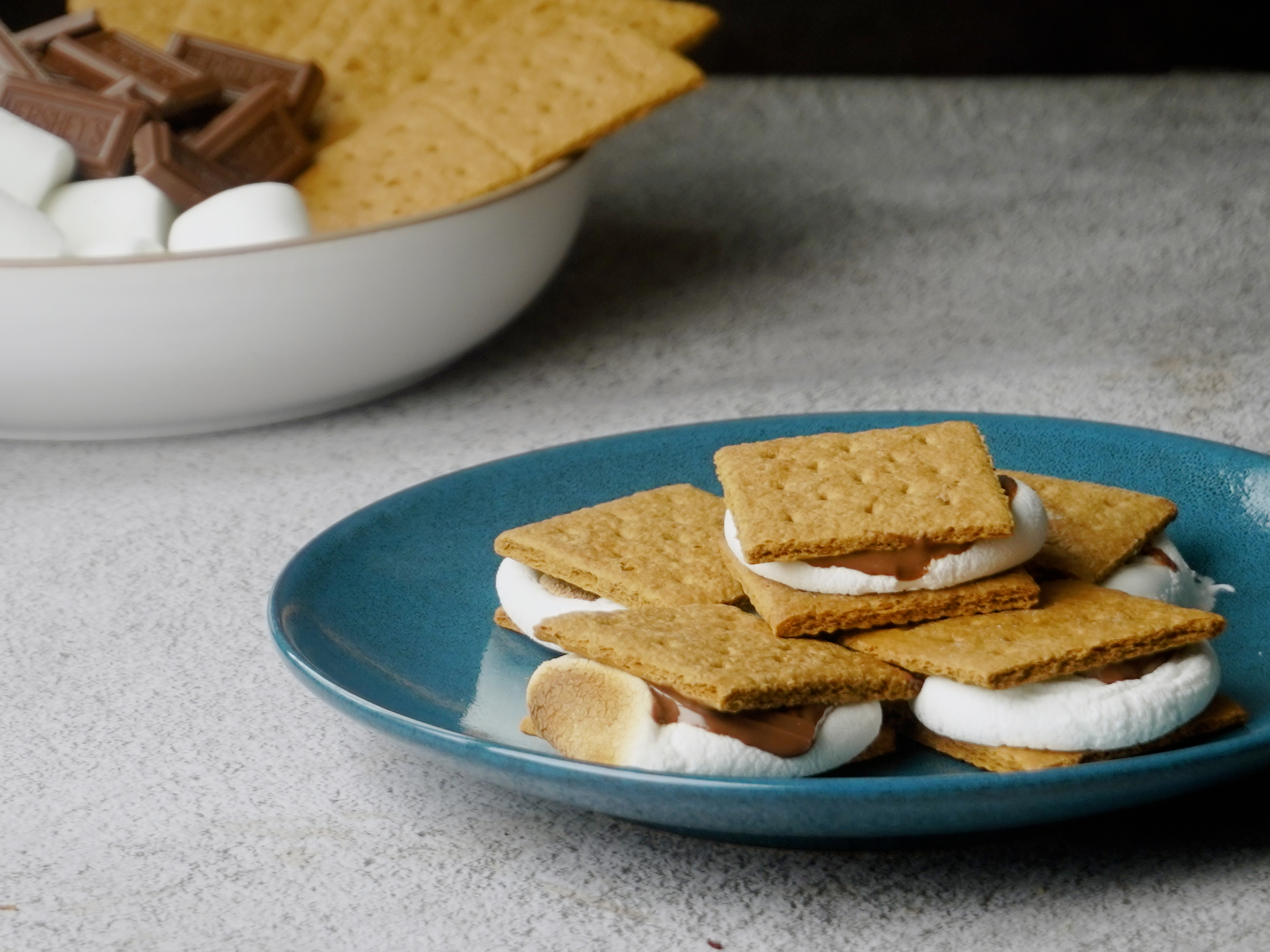
S’mores are usually associated with campfires, folding chairs, and at least one marshmallow that catches fire because somebody insisted they “liked it extra toasted.” Fortunately, you do not need a backyard fire pitor smoke following you around like an overly friendly ghostto enjoy the same combination of crisp graham crackers, melted chocolate, and gooey marshmallows.
Learning how to make s’mores in the oven gives you more control, less cleanup, and the ability to prepare several servings at once. You can broil individual s’mores for a deeply toasted finish, bake a full tray at a gentler temperature, or turn the ingredients into a warm skillet dip that everyone can share.
The basic s’mores formula is wonderfully simple: a graham cracker component, a chocolate component, and a marshmallow component. Once those three are present, you are officially in s’mores territoryeven if you swap the standard milk chocolate for dark chocolate, peanut butter cups, or another favorite candy.
What You Need to Make Oven S’mores
The classic recipe uses only three ingredients, but choosing the right form of each ingredient can improve the finished texture.
Basic Ingredients
- Graham crackers: Plan on one full rectangular sheet, broken into two squares, for each s’more.
- Large marshmallows: One marshmallow per sandwich is usually enough. Jumbo marshmallows can overflow spectacularly, which is entertaining until you have to clean the pan.
- Chocolate: Use two to four small chocolate-bar rectangles per serving, depending on their size.
Useful Equipment
- A rimmed baking sheet
- Parchment paper or aluminum foil
- Oven mitts
- A spatula or thin metal turner
- An oven-safe skillet or baking dish for the dip method
A rimmed pan is preferable because melted marshmallow has ambitions. Parchment makes cleanup easier, while foil can also be used to line a pan or form individual packets. Do not cover the floor of the oven with foil, since that can interfere with airflow and heat distribution.
Method 1: Fast Broiled S’mores
Broiling is the best way to make oven s’mores that closely resemble the campfire version. The intense top heat browns the marshmallow quickly while warming the chocolate underneath. This method delivers crisp crackers, molten chocolate, and a toasted marshmallow exterior in only a few minutes.
It is also the method most likely to produce tiny charcoal pillows if you walk away to answer a text. Marshmallows can go from pale to golden to dramatically on fire very quickly, so stay beside the oven.
Ingredients for 4 S’mores
- 4 full graham cracker sheets, broken into 8 squares
- 4 large marshmallows
- 1 standard milk chocolate bar, divided into 4 portions
Step-by-Step Instructions
- Move an oven rack so the baking sheet will sit approximately 5 to 6 inches below the broiler.
- Line a rimmed baking sheet with parchment paper or foil.
- Arrange four graham cracker squares on the pan.
- Place a portion of chocolate on each cracker, followed by one marshmallow.
- Turn the broiler to low or high, depending on the options available on your oven.
- Broil for approximately 30 seconds to 2 minutes, watching continuously.
- Remove the pan when the marshmallows are puffed and golden brown.
- Immediately top each marshmallow with another graham cracker square. Press gently and serve warm.
Hershey’s home method recommends broiling the open-faced stacks for roughly one to two minutes. Food Network and Simply Recipes likewise emphasize that marshmallows toast rapidly under a broiler and should never be left unattended. The exact timing depends on the strength of the heating element and the distance between the pan and the heat.
How to Brown Both Sides
If you want a marshmallow with more all-around color, broil the marshmallows separately. Place them on a lined, lightly greased pan, toast the tops, turn them carefully with tongs, and return the pan to the oven briefly. Transfer the finished marshmallows to prepared chocolate-topped crackers.
This extra step creates more toasted flavor, although the marshmallows become sticky and slightly harder to move. Think of it as advanced marshmallow management.
Best Uses for the Broiler Method
- Making one to six servings
- Getting a dark, campfire-style crust
- Keeping the graham crackers especially crisp
- Satisfying a s’mores craving immediately
Method 2: Baked Sheet-Pan S’mores
Regular baking is more forgiving than broiling and works especially well when you need oven s’mores for a crowd. Instead of exposing the marshmallows to fierce direct heat, you warm the stacks at a moderate temperature until the marshmallows puff and the chocolate softens.
The result may not have the dark blistered patches produced by a campfire, but the centers become reliably gooey. More importantly, you can make a dozen servings without standing over twelve roasting sticks like an air-traffic controller at a sugar-themed airport.
Ingredients for 8 S’mores
- 8 full graham cracker sheets, broken into 16 squares
- 8 large marshmallows
- 2 standard chocolate bars, divided into 8 portions
Step-by-Step Instructions
- Preheat the oven to 375°F.
- Line a large rimmed baking sheet with parchment paper.
- Arrange eight graham cracker squares in a single layer.
- Place chocolate on each cracker and top it with a marshmallow.
- Bake for 5 to 7 minutes, or until the marshmallows look swollen, soft, and lightly golden.
- Remove the pan carefully.
- Top each stack with a second cracker square and press gently.
- Rest for 30 to 60 seconds before eating so the chocolate can soften without turning your mouth into a tiny dessert emergency.
Southern Living’s oven method uses 375°F and a baking time of approximately five to seven minutes. Other baked s’mores recipes use temperatures ranging from 350°F to 400°F, demonstrating that moderate oven heat is flexible as long as the food is watched near the end.
For Extra Browning
After baking, switch the oven to broil for 15 to 30 seconds. Keep the pan in view and remove it as soon as the marshmallows develop golden spots. This two-stage technique combines the reliable melting of regular baking with the caramelized surface of broiling.
How to Keep the Crackers Crisp
Do not assemble the complete sandwiches before baking unless you prefer softer graham crackers. Leaving the top crackers off allows steam to escape. Add them only after the marshmallows have finished heating.
Chocolate bars generally work better than tiny chips in individual sandwiches because the flat pieces stay centered. Milk chocolate melts readily and provides the traditional flavor, while semisweet or dark chocolate helps balance the sweetness of the marshmallow.
Best Uses for the Baking Method
- Preparing eight or more servings
- Cooking with children under adult supervision
- Avoiding the speed and intensity of a broiler
- Making evenly softened marshmallows
Method 3: Oven-Baked S’mores Skillet Dip
A s’mores dip includes the same essential flavors but rearranges the architecture. Instead of building individual sandwiches, you melt chocolate in an oven-safe skillet or baking dish, cover it with marshmallows, and use graham crackers for dipping.
This is the ideal party method because guests can serve themselves. It is also useful when several graham crackers have broken in the box. In a dip, a broken cracker is not defective; it is conveniently pre-portioned.
Ingredients for 6 to 8 Servings
- 2 cups milk chocolate or semisweet chocolate chips
- 20 to 24 large marshmallows, or about 3 cups mini marshmallows
- 10 to 12 graham cracker sheets, broken into dipping pieces
- 1 teaspoon butter, optional
Step-by-Step Instructions
- Preheat the oven to 450°F.
- Lightly grease a 9- or 10-inch oven-safe skillet or baking dish.
- Spread the chocolate chips in an even layer across the bottom.
- Arrange the marshmallows closely together over the chocolate.
- Bake for 5 to 8 minutes, checking after 4 minutes.
- Remove the dish when the chocolate is melted and the marshmallows are puffed and golden.
- Let the dip stand for 2 minutes before serving with graham cracker pieces.
Simply Recipes, Southern Living, and Taste of Home all use an oven-safe dish or skillet to warm chocolate beneath a marshmallow layer. Temperatures and times differ slightly, but the shared goal is to melt the chocolate without scorching it while browning the exposed marshmallows.
For a looser dip, stir one or two tablespoons of heavy cream into the chocolate before adding the marshmallows. For a thicker, candy-bar texture, use chopped chocolate or chips without cream.
Sheet-Pan S’mores Nachos Variation
To make s’mores nachos, scatter broken graham crackers over a parchment-lined pan. Add chocolate chips and mini marshmallows, then bake at 350°F until the chocolate softens and the marshmallows puff. Broil briefly for additional color.
Betty Crocker’s three-ingredient s’mores nachos and similar layered recipes from Delish show why this style is popular: it is fast, flexible, and practically designed for imperfect cracker pieces.
Which Oven Method Is Best?
Choose the broiler method when you want the most campfire-like toasted flavor. Choose regular baking when you are feeding a larger group or want a more forgiving process. Choose skillet dip when the occasion calls for a shareable dessert instead of individual sandwiches.
- Fastest: Broiled s’mores
- Best for a crowd: Baked sheet-pan s’mores
- Best for parties: S’mores skillet dip
- Crispiest crackers: Broiled open-faced s’mores
- Most customizable: Skillet dip or s’mores nachos
Easy Ways to Customize Oven S’mores
Change the Chocolate
Milk chocolate is traditional, but it is not mandatory. Try dark chocolate, cookies-and-cream bars, caramel-filled chocolate, peanut butter cups, or thin chocolate-covered peppermint candies. Thick candy pieces may need additional warming, so place them on the crackers during the entire baking time.
Add a Flavorful Spread
Spread a thin layer of peanut butter, almond butter, chocolate-hazelnut spread, cookie butter, or raspberry jam on one cracker before assembling the s’more. Avoid using too much, or the filling will slide out after the marshmallow is pressed.
Replace the Graham Crackers
Chocolate chip cookies, shortbread, cinnamon cookies, pretzel crackers, and waffle cookies can all replace graham crackers. Choose sturdy cookies that can hold a warm marshmallow without immediately crumbling into delicious rubble.
Add Sweet-Salty Contrast
A pinch of flaky salt makes chocolate taste richer and keeps the dessert from seeming overwhelmingly sweet. Crushed pretzels, salted peanuts, or thin banana slices also work well.
Common Oven S’mores Problems
The Marshmallows Burned
The pan was probably too close to the broiler, or the s’mores cooked slightly too long. Lower the rack and begin checking after 20 to 30 seconds. A broiler is not a setting that rewards multitasking.
The Chocolate Did Not Melt
Some thick chocolate bars soften slowly. Place the chocolate-topped crackers in the oven for one or two minutes before adding the marshmallows, or use thinner chocolate pieces. The hot marshmallow will continue warming the chocolate after assembly.
The Graham Crackers Became Soft
Steam was likely trapped between fully assembled crackers. Bake the s’mores open-faced and add the top crackers after heating. Serve promptly, since warm marshmallows naturally transfer moisture to the crackers over time.
The Marshmallows Slid Off
Set each marshmallow on a flat chocolate surface and place the pan into the oven gently. Cutting large marshmallows in half and placing the sticky cut side downward can help them stay in position.
Frequently Asked Questions
Can You Make S’mores in a Toaster Oven?
Yes. A toaster oven works well for small batches. Use the bake or broil setting, keep the tray several inches from the heating element, and watch the marshmallows closely. Because the interior is compact, browning may occur faster than it does in a full-size oven.
Can You Prepare Oven S’mores Ahead of Time?
You can arrange the crackers and chocolate on a baking sheet several hours in advance, but wait to add and heat the marshmallows until shortly before serving. Finished s’mores are best eaten warm, while the centers are soft and the crackers still have crunch.
Can Mini Marshmallows Replace Large Marshmallows?
Yes. Use four to six mini marshmallows per individual s’more. Mini marshmallows are especially suitable for dips, nachos, bars, and other desserts because their greater exposed surface area produces plenty of toasted flavor.
Should You Use Parchment Paper or Foil?
Either one works on a baking sheet. Parchment usually releases sticky marshmallow more easily. Foil is useful for sealed packets, but lightly greasing it helps prevent sticking.
My Experience Making Oven S’mores Three Ways
Making all three versions taught me that “oven s’mores” is not one single recipe. The method changes the personality of the dessert. The broiler version is dramatic and slightly chaotic, the baked version is dependable, and the skillet dip is basically a social event disguised as food.
I started with the broiler because it promised the fastest route from unopened marshmallow bag to dessert. The first batch demonstrated the broiler’s impressive ability to create consequences. I looked away for only a moment, and the marshmallows developed dark tops that suggested they had recently reentered Earth’s atmosphere. They were not completely ruined, but the experience confirmed the most important broiler rule: remain close enough to stare through the oven window.
On the second attempt, I placed the pan one rack lower and used the oven light instead of repeatedly opening the door. The marshmallows expanded, turned golden around the edges, and developed a delicate shell over a nearly liquid center. When pressed between the crackers, the hot marshmallow softened the chocolate almost immediately. This batch had the closest resemblance to traditional campfire s’mores, including the satisfying moment when the marshmallow stretched into a sticky ribbon.
The 375°F baked batch was less exciting to watch, which was exactly why it was easier. The marshmallows puffed gradually, giving me enough time to remove the pan before anything burned. The coloring was lighter, but every serving cooked at roughly the same rate. This method also handled a large batch neatly. For a family movie night, children’s party, or rainy-day gathering, I would choose regular baking because it minimizes last-second panic.
I also discovered that cracker arrangement matters. Leaving a little space between the servings made it easier to slide a spatula underneath them. Crowding the crackers caused expanding marshmallows to touch, creating a single sticky marshmallow bridge between neighboring s’mores. Nobody complained about receiving bonus marshmallow, but the portions stopped looking particularly tidy.
The skillet dip was the most forgiving method and the first dish to disappear. I used semisweet chocolate rather than milk chocolate because an entire layer of marshmallows adds plenty of sweetness. The darker chocolate provided a slight bitterness that made each bite taste more balanced. Around the edges, the chocolate became hotter and thinner; near the center, it remained thicker and more fudge-like.
The dip also encouraged experimentation. Some people used standard graham crackers, while others tried pretzels and chocolate chip cookies. A small sprinkle of flaky salt was surprisingly effective, making the chocolate taste deeper without changing the familiar s’mores character. Peanut butter cups scattered beneath the marshmallows produced another popular variation, although the finished dip was extremely rich.
There were a few practical lessons. First, warm chocolate retains heat longer than it appears to, so the skillet needs a brief resting period. Second, serving the dip on a heat-resistant trivet prevents an awkward conversation with the dining table. Third, placing an extra plate beside the skillet gives people somewhere to rest sticky crackers instead of holding them indefinitely like tiny dessert microphones.
After comparing the three methods, the broiler won for flavor, the conventional oven won for consistency, and the skillet won for entertainment value. None required special equipment, outdoor space, firewood, or the ability to make a campfire while pretending to understand where the smoke will blow.
The broader lesson is that the best method depends on the situation. For two people craving a late-night snack, use the broiler. For twelve hungry guests, line a sheet pan and bake a full batch. For a party where people want to snack gradually, put a skillet of warm s’mores dip in the center of the table and let everybody build their own bites.
Conclusion
You do not need a campfire to make gooey, chocolate-filled s’mores. A broiler creates fast, deeply toasted marshmallows; a conventional oven makes consistent batches for a crowd; and an oven-safe skillet transforms the familiar ingredients into a shareable dip.
Whichever method you choose, keep the basic formula simple, watch the marshmallows closely, and serve the finished dessert while it is warm. The kitchen may not provide crackling logs or chirping crickets, but it does provide reliable chocolate, comfortable seating, and considerably fewer mosquitoes.