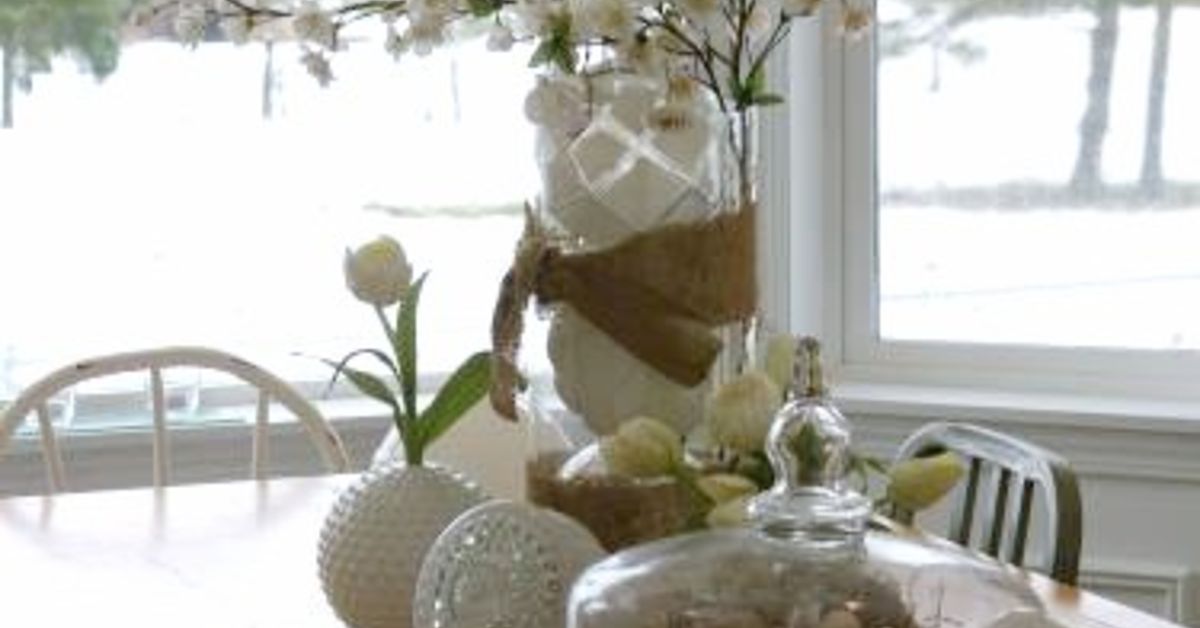
That orphaned glass globe in the garage may look like the last survivor of a 1980s ceiling fan, but it has more decorative potential than its dusty reputation suggests. Old glass lamp globes are inexpensive, sculptural, easy to find at thrift stores, and available in shapes ranging from milk-glass tulips to frosted moons and rippled amber bowls. With a little cleaning and a sensible respect for electricity, heat, and gravity, they can become stylish accents instead of landfill-bound leftovers.
The best part is that repurposed lamp globe decor does not require a workshop full of power tools. Many projects are “clean it, place it, style it” simple. Others call for an adhesive, a stable base, a battery-operated light, or a professionally rated lamp kit. Whether your home leans farmhouse, cottage, midcentury, maximalist, or “I found this for three dollars and now it is art,” there is a globe project that fits.
Why Old Glass Lamp Globes Make Great Decor
Glass shades were designed to shape, soften, and diffuse light, which means they already possess qualities decorators spend good money trying to imitate. Frosted glass gives a gentle glow. Clear pressed glass creates sparkle and shadow. Opal or milk glass looks calm and classic. Amber, smoke, and pale pink glass add warmth even when no bulb is present.
Reusing an existing globe also extends the useful life of a manufactured object. Recycling remains important because it reduces demand for virgin resources, but reuse can postpone disposal while preserving the energy and craftsmanship already invested in an item. In other words, the greenest decorative sphere may be the one currently hiding behind your paint cans.
Common Globe Styles Worth Hunting For
- Milk-glass schoolhouse shades: Excellent for traditional, cottage, and vintage-inspired rooms.
- Frosted round globes: Ideal for modern arrangements, illuminated accents, and seasonal displays.
- Clear pressed-glass shades: Best for sparkle, flowers, ornaments, shells, and layered tabletop vignettes.
- Tulip and bell shades: Useful as small bowls, wall pockets, or flower-shaped garden accents.
- Amber or smoked glass: A natural match for 1970s decor, warm woods, brass, leather, and moody interiors.
Design sources have documented the return of smoked glass, mushroom-shaped lighting, vintage-inspired hurricanes, and mixed old-and-new glass silhouettes. That is excellent news for anyone whose thrift-store basket currently resembles a chandelier’s lost-and-found department.
Inspect and Clean the Globe Before Decorating
Before imagining a terrarium, pendant, or glowing centerpiece, inspect the glass in bright light. Run a finger carefully around the rim while wearing cut-resistant gloves. Look for chips, hairline cracks, deep scratches, loose paint, and stress marks around screw holes. A damaged globe can still be displayed out of reach, but it should not hold heat, hang overhead, or sit where children and pets can knock it over.
A Gentle Cleaning Method
- Remove loose dust with a soft brush or dry microfiber cloth.
- Place a folded towel in the sink so the glass does not strike a hard surface.
- Wash the globe by hand in lukewarm water with a small amount of mild dish soap.
- Use a soft cloth rather than an abrasive pad, especially on painted, etched, frosted, or iridescent finishes.
- Rinse with water close to the same temperature to reduce thermal shock.
- Dry immediately with a clean, lint-free towel.
For ordinary mineral haze, a diluted white-vinegar treatment may help, but test a hidden area first and avoid soaking metal trim or fragile decorative coatings. Cloudiness that does not respond to a mild acid may be permanent etching rather than removable residue. Conservation guidance favors cautious handling and the least aggressive effective treatment, while modern glass-cleaning advice similarly warns against harsh abrasives and rushed cleaning on hot surfaces.
12 Creative Old Glass Lamp Globe Decor Ideas
1. Make a Tabletop Cloche
Turn a globe upside down over a small wooden board, vintage saucer, marble tile, or thrifted cake stand. Place dried flowers, a tiny house, a battery candle, a shell collection, or a favorite object underneath. A decorative knob can be attached to the top only when the glass shape and adhesive allow it without stressing the globe. Otherwise, let the globe remain wonderfully knob-free. Not every object needs a tiny hat.
2. Build a Glowing Shelf Accent
Place a short strand of battery-operated micro lights inside a frosted or textured globe. Hide the battery pack behind books or beneath a shallow base. The result is soft ambient lighting with no rewiring and very little heat. A remote-control light strand makes the display easy to operate on a high shelf.
3. Create a Seasonal Snow Scene
A wide globe can become an oversized snow-globe-style display without adding liquid. Use faux snow, bottlebrush trees, miniature deer, a tiny ceramic house, or paper stars. HGTV has demonstrated similar seasonal projects using discarded fixture parts, proving that yesterday’s ceiling hardware can have a surprisingly festive second career.
4. Style a No-Water Botanical Display
Fill a clear globe with preserved moss, pinecones, seedpods, eucalyptus, air plants, or realistic faux stems. Avoid sealing living plants inside unless you understand their airflow and moisture requirements. Lamp globes generally lack drainage, and a decorative glass sauna is not the wellness retreat most houseplants requested.
5. Use It as a Flower Vessel
Set a low jar or watertight cup inside a wide globe, then arrange flowers in the hidden container. The globe becomes the visual vessel while the inner cup handles water. This “vessel within a vessel” approach makes unusual glass shapes practical and protects old glass from mineral deposits and prolonged moisture.
6. Make a Pedestal Bowl
Pair a shallow globe with a sturdy candlestick, furniture foot, wood disk, or metal base. Use an adhesive rated for the specific materials and allow the full curing time listed by the manufacturer. Fill the finished piece with wrapped candy, decorative fruit, ornaments, yarn balls, or pinecones. Do not use it for unwrapped food unless every surface and adhesive is confirmed food-safe.
7. Assemble a Mixed-Globe Centerpiece
Group three or five globes of different heights and textures down the center of a dining table. Add battery candles, greenery, or a few objects in a repeated color. Odd-numbered groupings usually feel relaxed, while repetition keeps the collection from looking like a lighting showroom suffered a minor earthquake.
8. Turn a Globe into Garden Art
Thick glass globes can become mosaic garden balls, mushroom caps, or solar-light covers. DIY garden sources have used lamp globes with glass gems, outdoor-rated adhesive, bases, and solar components. Outdoor success depends on the glass thickness, climate, mounting method, and water management. Bring fragile pieces inside before freezing weather, strong winds, or hail, and never assume vintage indoor glass is automatically weatherproof.
9. Make a Decorative Wall Pocket
A half-round or tulip-shaped shade can be mounted opening-up in a purpose-built bracket and filled with faux greenery. Keep the arrangement lightweight. Because improvised wall mounting can fail, use hardware designed to support the globe’s weight and shape rather than relying on glue alone.
10. Display a Curated Collection
Sometimes the globe itself is the decor. Line up milk-glass shades on an open shelf, mix amber globes with brown bottles, or place a single sculptural shade on a stack of art books. Backlighting a textured collection with an LED strip can reveal patterns that were barely visible when the pieces were attached to a ceiling.
11. Create a Safe Candle-Like Glow
Use battery-operated flameless candles instead of open flames. A lamp globe is not necessarily made from glass tested for candle-container use, and glass can crack or break under heat. The Consumer Product Safety Commission references specific standards for candle containers, while the National Fire Protection Association recommends flameless candles as a safer alternative. A flickering LED provides the atmosphere without turning your craft night into a fire-department networking event.
12. Convert It Back into a Real LightProperly
A beautiful old globe can become a pendant, sconce, or table lamp again, but this is the project that deserves the least improvisation. Use a listed fixture or pendant kit compatible with the globe’s fitter opening, provide secure mechanical support, use an appropriate bulb, and have questionable wiring inspected by a qualified electrician. Do not drill mystery vintage glass unless you have the correct tools and experience; hidden stress can turn a charming shade into airborne confetti.
LEDs are often a smart choice because they use less energy and typically last much longer than traditional lamps. Still, enclosed fixtures can trap heat, so the bulb must be labeled or specified for enclosed use when the globe restricts ventilation. Lighting components and assemblies are subject to dedicated safety standards for good reason.
How to Make Repurposed Lamp Globes Look Intentional
Repeat One Design Element
A collection looks purposeful when at least one feature repeats. That feature might be color, glass finish, shape, base material, or the objects placed inside. Five unrelated globes can feel chaotic; five unrelated globes containing the same warm-white micro lights suddenly become an installation.
Mix Vintage Glass with Simple Materials
Old glass often has enough pattern already. Pair ornate pressed glass with plain wood, blackened metal, stone, linen, or an unadorned white shelf. If the globe is smooth and minimal, give it contrast with a fluted base, woven tray, or bold botanical arrangement.
Use Scale to Control the Mood
One large globe creates a sculptural focal point. Several small matching shades feel collected and nostalgic. A row of identical globes can look architectural, while a loose cluster feels casual. Leave enough negative space around the display so the glass can catch light instead of disappearing into clutter.
Choose Warm or Cool Light Deliberately
Warm-white LEDs flatter amber, milk, peach, and smoked glass. Neutral white can sharpen clear pressed glass and modern frosted spheres. Color quality also matters: higher color-rendering performance generally makes nearby finishes and objects appear more natural. Test the light inside the actual globe before committing, because texture and tint can change the result dramatically.
Buying Old Glass Lamp Globes Without Regret
Thrift stores, architectural salvage shops, flea markets, estate sales, reuse centers, online marketplaces, and the “free” box at a neighborhood yard sale are prime hunting grounds. Bring a tape measure and record the diameter of any fitter opening you hope to reuse electrically. Examine screw holes and rims, where damage often begins.
Before painting, gluing, drilling, or permanently altering a globe, check for maker’s marks, labels, unusual glass techniques, matching hardware, or signs that it belongs to a collectible fixture. A complete antique shade may be worth moreand tell a better storywhen preserved. When in doubt, use reversible styling: set it on a base, fill it loosely, or illuminate it with a removable battery light.
Also consider practical limits. A top-heavy pedestal bowl needs a wide base. A hanging arrangement needs rated hardware. A globe displayed outdoors needs drainage and shelter. Good decor is allowed to be clever, but it should not be plotting against the house.
Common Mistakes to Avoid
- Using a real candle: Unknown glass may not tolerate direct flame or concentrated heat.
- Installing the wrong LED: A bulb not rated for an enclosed fixture may overheat or fail early.
- Hanging with adhesive alone: Overhead glass needs mechanical support and compatible hardware.
- Planting directly without drainage: Standing water can harm plants and stain the glass.
- Scrubbing vintage finishes: Abrasives may permanently damage frosting, paint, or iridescence.
- Ignoring tiny cracks: Heat, weight, vibration, and temperature changes can make damage worse.
- Making every idea permanent: Reversible displays preserve flexibility and possible collectible value.
My Experience Decorating with Old Glass Lamp Globes
My first old lamp globe project began with a frosted bowl shade that cost less than a takeout coffee and looked, at first glance, like a salad bowl designed by a cloud. I brought it home expecting to make a planter. Five minutes into the experiment, I realized it had no drainage, a narrow opening, and the approximate stability of a sleepy penguin. That idea was retired before any succulents were inconvenienced.
Instead, I placed the globe upside down over a small battery candle on a round wood trivet. The frosted glass softened the points of light and made a dark bookshelf feel warmer. It was simple, removable, and surprisingly polished. The lesson was immediate: the best repurposing idea is not always the most complicated one. Often, the globe has already done the design work; the decorator merely needs to stop adding rhinestones long enough to notice.
A second project involved three mismatched shades: one clear and ribbed, one amber, and one white milk glass. Displayed separately, they looked like spare parts waiting for a repair technician. Grouped on a tray with matching warm-white lights, they became a cohesive centerpiece. Repeating the light color mattered more than matching the glass. The amber shade produced a cozy glow, the clear shade scattered brighter highlights, and the milk glass created an even, lantern-like effect.
Cleaning also changed my approach. One globe had stubborn white haze that I assumed was permanent. A cautious vinegar test removed most of it, revealing a crisp geometric pattern underneath. Another shade stayed cloudy after gentle cleaning, which suggested surface etching rather than dirt. I stopped scrubbing. That restraint saved the soft, aged look and probably prevented scratches. Vintage pieces do not have to look factory-new to look beautiful; sometimes the patina is the point.
The most ambitious experiment was a pedestal display made from a shallow pressed-glass globe and a heavy wooden candleholder. Dry-fitting the pieces before gluing exposed a problem: the base looked substantial but was too narrow. A light bump sent the globe wobbling. I switched to a wider wood disk beneath the pedestal, and the piece became far more stable. That small design change taught me to test balance before thinking about paint, filler, or styling.
I filled the finished bowl with pinecones in fall, silver ornaments in winter, and folded seed packets in spring. Because nothing was permanently attached inside, the display changed with the seasons. It became more useful than a single-purpose craft and never felt like holiday decor stranded in the wrong month.
I have also learned that electrical conversions deserve humility. A thrifted globe may fit a modern pendant kit physically without being suitable mechanically. Weight, fitter dimensions, ventilation, socket rating, cord support, and bulb clearance all matter. For one especially beautiful shade, I abandoned the DIY pendant plan and asked an electrician to pair it with compatible hardware. The result looked better, hung straight, and did not make me stare nervously at the ceiling during dinner.
After several projects, my favorite method is still the simplest: collect one or two globes with interesting texture, clean them gently, and use removable LED lighting or a hidden inner vessel. These approaches preserve the glass, reduce risk, and allow the arrangement to evolve. They also make old lamp globe decor approachable for renters, beginners, and anyone who owns more enthusiasm than power tools.
The broader experience is a reminder that useful design often begins with seeing an object outside its original job description. A shade can become a cloche. A ceiling globe can become a sculptural bowl. A forgotten fixture part can become the warmest light in the room. The transformation is not magic, although the final glow may argue otherwise. It is simply observation, patience, and the willingness to give an unfashionable object one more chance to shine.