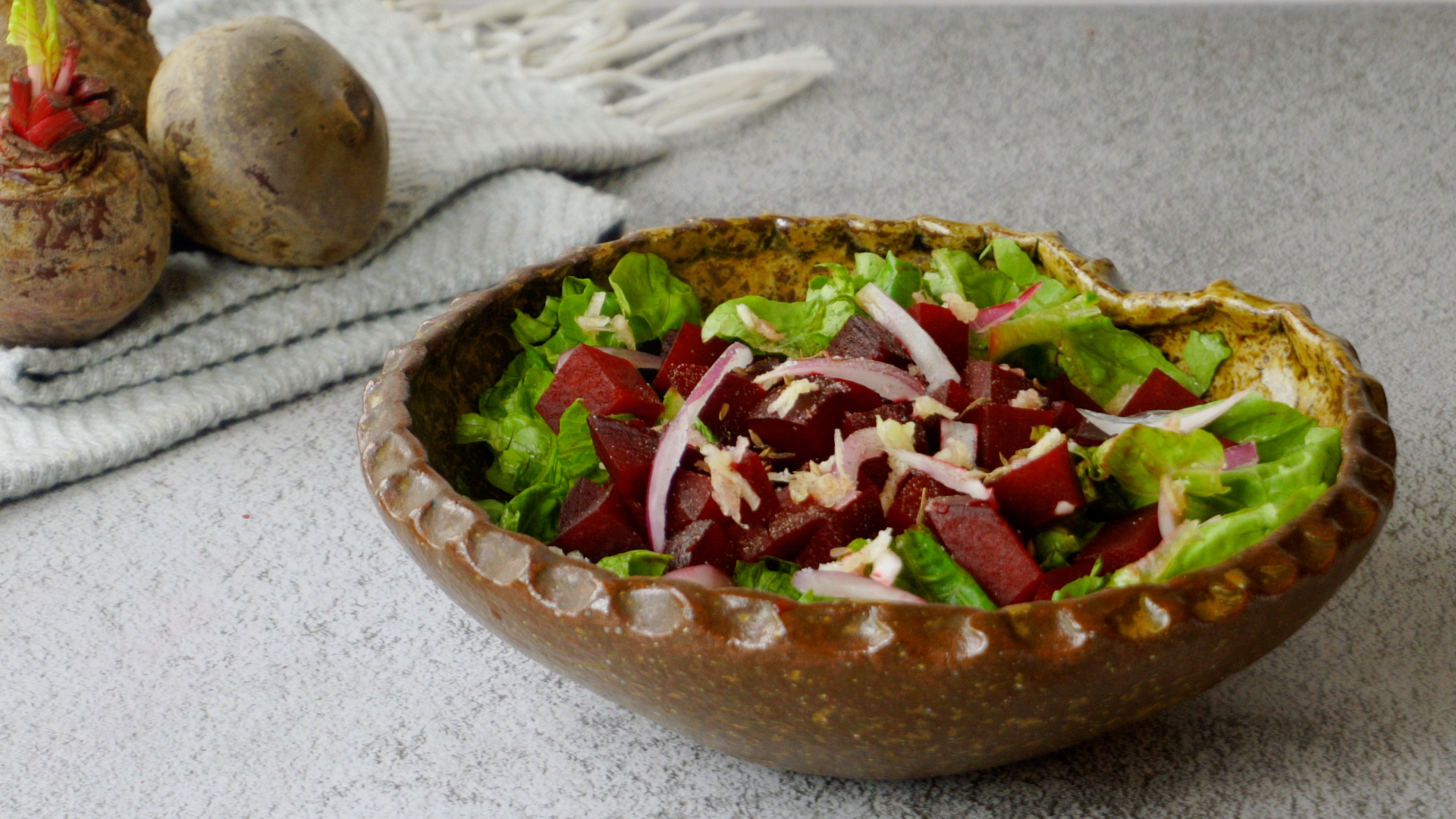
Beetroot has a reputation for being difficult. It stains cugh it has spent the afternoon socializing with garden soil. Yet this colorful root vegetable is surprisingly easy to prepare once you understand a few basic techniques.
Whether you call it beetroot or simply beets, the vegetable can be baked, roasted, steamed, boiled, microwaved, air-fried, grilled, pickled, or eaten raw. Each preparation method creates a different balance of sweetness, earthiness, tenderness, and texture. The best method depends less on strict culinary rules and more on what you are making for dinner.
This guide explains the easiest beetroot preparation methods, how to select and clean fresh beets, when to peel them, how long to cook them, and what to do with the leafy tops. By the end, you should be able to approach a bunch of beets without protective goggles or emotional support.
How to Select Fresh Beetroot
Look for beets that feel firm and heavy for their size. Their surfaces should be relatively smooth, although a few small roots and patches of soil are normal. Avoid bulbs with deep cuts, soft areas, mold, or severely shriveled skin.
Small and medium beets usually cook faster and tend to have a more tender texture. Large beets are still useful, but they may be slightly woodier and require additional cooking time. If possible, buy similarly sized bulbs so they finish cooking together.
Beets are available in more colors than the familiar dark red. Golden beets have a milder, less earthy flavor and do not stain everything they meet. Chioggia beets reveal pink-and-white rings when sliced, although those stripes may fade during prolonged cooking. White beets are mild and sweet but less commonly found in supermarkets.
Do Not Throw Away the Greens
Fresh beet greens are completely edible. Young leaves can be added to salads, while mature leaves and stems can be sautéed, steamed, braised, or stirred into soups. Their flavor is similar to Swiss chard, with a mild earthiness and a pleasantly bitter edge.
If the greens are attached, remove them before storing the roots. Leave roughly one inch of stem on each beet. Separating the greens prevents them from continuing to draw moisture from the bulbs. Refrigerate the roots and greens separately, and use the delicate leaves within a few days.
How to Clean and Prepare Beets
Beets grow underground, so a little dirt is part of the package. Rinse each bulb under cool running water and scrub gently with a vegetable brush. Avoid cutting deeply into the beet before boiling, steaming, or baking it whole. Keeping the skin, root tip, and a short section of stem intact helps reduce color and juice loss.
Pat the beets dry if you plan to roast them. For boiled or steamed beets, a little surface water is not a concern.
Should You Peel Beets Before Cooking?
In most cases, no. The skin becomes much easier to remove after the beet is tender. Once the cooked beet has cooled enough to handle, rub the surface with your fingers, a paper towel, or a clean kitchen towel. The peel should slide away with little effort.
Wear food-safe gloves if you want to avoid pink fingers. You can also peel cooked beets under cool running water, although this may wash away a small amount of flavor. Use glass, stainless steel, or parchment-covered work surfaces because porous boards and pale countertops can absorb beet juice.
Peeling before cooking makes sense when you are roasting cubes, grilling slices, making chips, or serving beets raw.
Method 1: Baking or Roasting Whole Beetroot
Roasting is one of the best beetroot preparation methods for developing deep sweetness. The oven’s heat concentrates the vegetable’s flavor, while a covered dish or foil packet traps enough steam to keep the interior juicy.
How to Roast Whole Beets
- Preheat the oven to 400°F or 425°F.
- Scrub the beets and trim the greens, leaving about one inch of stem.
- Place the unpeeled bulbs in a covered baking dish or on a large sheet of foil.
- Drizzle them lightly with olive oil and add a tablespoon or two of water.
- Add salt, pepper, garlic, rosemary, thyme, or another aromatic if desired.
- Cover the dish tightly or seal the foil into a packet.
- Roast until a thin knife slides into the center with little resistance.
Small beets may be ready in 35 to 45 minutes. Medium beets commonly require 45 to 60 minutes, while very large ones can take 75 minutes or longer. Size, density, oven accuracy, and the type of baking dish all affect the timing, so trust the knife test rather than treating the clock as a tiny kitchen dictator.
Allow the roasted beets to cool for 10 to 20 minutes, then rub away the skins. Slice, quarter, or dice them and season while they are still slightly warm. Warm beets absorb vinaigrettes particularly well.
How to Roast Beetroot Cubes or Wedges
For faster cooking and browned edges, peel the beets and cut them into evenly sized wedges or cubes. Toss with oil, salt, and pepper, then spread them in a single layer on a parchment-lined baking sheet.
Roast at 400°F to 425°F for approximately 25 to 40 minutes, turning once. Leave space between the pieces. A crowded pan traps moisture, causing the beets to steam instead of caramelize. That is not a tragedy, but it is disappointing when you were promised crispy edges.
Method 2: Steaming Beetroot
Steaming produces tender beets without submerging them in water. It is an excellent method when you want a clean flavor, moist texture, and less color loss than boiling may cause.
- Add one or two inches of water to a saucepan.
- Insert a steamer basket, making sure the water does not touch the beets.
- Bring the water to a boil.
- Add scrubbed whole beets or evenly cut pieces.
- Cover the pot and reduce the heat enough to maintain steady steam.
- Cook until the beets are easily pierced with a knife.
Small whole beets generally take 30 to 40 minutes. Medium or large bulbs may require 45 to 60 minutes. Peeled cubes can become tender in approximately 15 to 25 minutes.
Check the water level occasionally during longer cooking sessions. Running a steamer pot dry is an efficient way to create smoke, panic, and a saucepan you will resent washing.
Steamed beets are ideal for salads, purées, grain bowls, baby food, soups, and simple side dishes. Dress them with lemon juice, olive oil, fresh dill, and a pinch of salt.
Method 3: Boiling Beetroot
Boiling is straightforward and requires no special equipment. It is especially useful when preparing a large batch for pickling, soup, or salad.
- Place cleaned, unpeeled beets in a saucepan.
- Cover them with water by approximately one inch.
- Bring the water to a boil, then lower it to a steady simmer.
- Cover partially and cook until tender.
- Drain and cool the beets before removing the skins.
Small beets may cook in 25 to 30 minutes. Medium beets often need 35 to 45 minutes, while large bulbs may require an hour. Cooking similarly sized beets together prevents the smallest one from surrendering to mush while the largest remains as firm as a baseball.
Boiling can dilute some of the beet’s flavor because soluble compounds move into the cooking liquid. Keeping the beets whole and unpeeled reduces this effect. A splash of vinegar or lemon juice added after cooking brightens the finished vegetable far more effectively than trying to flavor an entire pot of water.
Method 4: Microwaving Beets
Microwaving is the fastest way to cook whole beets when you need dinner before your patience expires.
- Scrub and trim one to three small or medium beets.
- Pierce each beet a few times with a fork or thin knife.
- Place them in a microwave-safe covered dish with two tablespoons of water.
- Microwave on high for 5 minutes.
- Turn the beets and continue cooking in 2- to 3-minute intervals.
- Let them rest, covered, for approximately 5 minutes.
Depending on size and microwave power, medium beets may need 8 to 12 minutes. Cooked beets should feel tender but not collapsed. Open the container carefully because trapped steam can cause burns.
The microwave does not create the caramelized flavor of oven-roasted beets, but it is excellent for salads, smoothies, hummus, and quick weekday meals.
Method 5: Air-Frying Beetroot
An air fryer gives beet cubes, wedges, or sticks browned edges with less cooking time than a conventional oven.
- Preheat the air fryer to 375°F or 400°F.
- Peel the beets and cut them into uniform half-inch pieces.
- Toss them with a small amount of oil, salt, and your preferred seasonings.
- Place them in the basket without packing them tightly.
- Cook for 15 to 25 minutes, shaking the basket halfway through.
Try smoked paprika, cumin, garlic powder, black pepper, or dried thyme. Air-fried beets are delicious in bowls or served as a snack with yogurt-herb dip. They will not become exactly like potato fries, because beets contain more natural sugar and less starch, but they develop satisfying chewy-crisp edges.
Method 6: Grilling Beet Slices
Grilling adds smoke and char to beetroot’s natural sweetness. Because raw beets are dense, cut them into slices no thicker than one-quarter inch or partially steam them before grilling.
Brush the slices lightly with oil and grill over medium heat for approximately 7 to 10 minutes per side. Remove them when tender and marked by the grates. Finish with balsamic vinegar, citrus juice, crumbled feta, or chopped herbs.
For thicker wedges, steam or boil the beets until almost tender, then grill them briefly to develop color. This two-step technique gives you soft interiors without leaving guests to chew each bite until the next holiday.
Method 7: Preparing Raw Beetroot
Beets do not have to be cooked. Raw beetroot is crunchy, juicy, and more intensely earthy than cooked beetroot. Peel it first because the uncooked skin can taste tough or bitter.
Shred raw beets for slaw, grate them into salads, spiralize them into vegetable noodles, or slice them paper-thin with a mandoline. Pair raw beets with acidic and creamy ingredients to balance their flavor.
Good combinations include:
- Apple, lemon, parsley, and walnuts
- Orange, fennel, and goat cheese
- Carrot, cabbage, and cider vinegar
- Avocado, lime, cilantro, and pumpkin seeds
- Greek yogurt, horseradish, and dill
Use the guard supplied with a mandoline. A colorful salad is delightful; a colorful emergency-room story is considerably less charming.
Method 8: Quick-Pickling Cooked Beets
Quick-pickled beets combine sweetness, acidity, and spice. They are stored in the refrigerator rather than processed for shelf-stable storage.
Slice cooked and peeled beets, then cover them with a hot brine made from vinegar, water, salt, and optional sugar. Add sliced onion, peppercorns, mustard seeds, cloves, cinnamon, or fresh herbs. Cool the mixture and refrigerate it in a clean container.
The flavor improves after several hours and becomes more developed overnight. Quick-pickled beets are excellent in sandwiches, salads, burgers, and snack plates.
Refrigerator pickling is not the same as canning. For shelf-stable pickled beets, use a tested recipe from a trusted home-preservation authority and follow its ingredient proportions, jar preparation, processing time, and altitude adjustments exactly. Do not casually reduce the vinegar or alter processing instructions.
How to Cook Beet Greens
Separate the stems from the leaves because the stems take longer to cook. Wash both thoroughly; soil often hides where the leaves meet the stalks.
- Slice the stems into small pieces.
- Heat olive oil in a skillet over medium heat.
- Add the stems and cook for 3 to 5 minutes.
- Add minced garlic, followed by the chopped leaves.
- Cook until wilted and tender, usually another 2 to 4 minutes.
- Finish with lemon juice, vinegar, salt, and red pepper flakes.
Beet greens shrink dramatically, much like spinach. A mountain of raw leaves may become a modest side dish, so do not accuse anyone of stealing them from the pan.
How to Make Beets Taste Less Earthy
The distinctive earthy aroma of beets comes partly from a naturally occurring compound called geosmin. Cooking method and seasoning can greatly influence how noticeable that flavor becomes.
Roasting emphasizes sweetness, while boiling and steaming create a cleaner, milder result. Acidity is particularly effective at balancing earthiness. Add lemon juice, orange juice, balsamic vinegar, red wine vinegar, or a tangy yogurt dressing.
Creamy and salty ingredients also work well. Try goat cheese, feta, blue cheese, sour cream, tahini, or avocado. Toasted walnuts, pistachios, pecans, and pumpkin seeds provide crunch. Horseradish, mustard, dill, mint, thyme, cumin, and coriander complement the sweetness without making the dish taste like dessert.
How to Store Prepared Beetroot
Allow cooked beets to cool, then refrigerate them in an airtight glass or nonporous container. They generally maintain good quality for several days. Store strong-colored red beets separately from pale ingredients unless you want everything in the container to become enthusiastically pink.
Cooked beets can be sliced in advance for salads, grain bowls, sandwiches, and side dishes. For meal preparation, keep the dressing separate until shortly before serving unless you intentionally want the beets to marinate.
To freeze beets, cook them until tender, peel them, cut them into slices or cubes, cool them promptly, and package them in freezer-safe containers. Raw whole beets generally do not freeze well because their texture can become unpleasant after thawing.
Common Beetroot Preparation Mistakes
Peeling Whole Beets Too Early
Peeling before boiling, steaming, or covered roasting creates unnecessary work and allows more pigment and juice to escape. Cook first and slip off the softened skins afterward.
Cutting Pieces in Different Sizes
Uneven pieces cook unevenly. Keep cubes or wedges reasonably uniform so you do not end up with burnt corners and crunchy centers on the same tray.
Crowding the Roasting Pan
Give chopped beets room to release moisture. Use two baking sheets when necessary instead of building a vegetable traffic jam.
Relying Only on Cooking Time
Two beets that look similar can cook at different speeds. Test the thickest part with a knife, skewer, or fork. The utensil should enter easily, but the beet should not fall apart.
Forgetting Acid and Salt
Plain beets can taste flat or excessively earthy. A small amount of salt and a bright acidic ingredient usually transforms them more effectively than piling on sugar.
Conclusion
Easy beetroot preparation begins with matching the method to the meal. Roast whole bulbs for concentrated sweetness, steam them for a clean and tender result, boil them for convenient batch cooking, or use the microwave when speed matters most. Air-frying and grilling create browned edges, while raw and pickled preparations provide crunch and acidity.
The most useful rule is also the easiest: cook whole beets with their skins intact, then peel them after they become tender. Save the greens, season the roots with enough acidity, and test doneness with a knife. Once those habits become routine, beetroot stops feeling like an intimidating specialty vegetable and starts behaving like the versatile kitchen staple it has been all along.
Real-Kitchen Experience: What I Learned From Preparing Beets Several Ways
My first attempt at cooking beets began with unreasonable confidence and ended with a kitchen that looked as though a raspberry smoothie had exploded. I peeled the raw beets on a wooden cutting board, wore a white shirt, and wiped my hands on the nearest towel. These were three separate decisions, and each one was wrong in its own special way.
The beets were then cut into random chunks. Some pieces were the size of grapes; others could have qualified as small building materials. Naturally, the small pieces burned while the large ones remained crunchy. I ate them anyway because stubbornness is technically a seasoning, although not one I recommend.
On the second attempt, I roasted whole, unpeeled beets in a tightly covered baking dish. I added a little olive oil, a splash of water, two garlic cloves, and a sprig of thyme. After about 50 minutes, a knife slipped easily into the smaller bulbs, while the largest needed another 15 minutes. That experience taught me that beets do not read recipe timers. Their size matters more than a neatly printed number.
Once the beets cooled, the skins rubbed away with a paper towel. There was still some staining, but it was controlled staining rather than a full-scale interior decorating project. The roasted flavor was noticeably sweeter and richer than the flavor of boiled beets I had eaten before. A dressing of orange juice, vinegar, olive oil, salt, and black pepper made the earthiness feel balanced rather than dominant.
Steaming produced a different but equally useful result. The steamed beets were moist, clean-tasting, and slightly less sweet. They worked beautifully in a grain bowl with lentils, feta, cucumber, herbs, and lemon dressing. Because the flavors were lighter, the beets blended into the meal rather than taking over like a dramatic dinner guest.
The microwave method was the biggest practical surprise. It did not produce caramelized edges, but it turned two medium beets tender during the time it took to assemble the rest of lunch. After resting them in the covered dish, I peeled and diced them, then tossed them with mustard vinaigrette. For weekday cooking, the speed easily compensated for the missing roasted flavor.
I also learned that beet greens deserve better than the trash can. Sautéing the chopped stems first and adding the leaves afterward prevented the stems from staying tough. Garlic, lemon, and red pepper flakes turned what looked like vegetable packaging into an excellent side dish.
The most important lesson was that there is no universally superior beetroot preparation method. Roasting wins when sweetness matters. Steaming is excellent for tenderness and versatility. Boiling is convenient for large batches. Microwaving saves a rushed meal. Raw beets provide crunch, and quick pickling creates the sharp contrast that sandwiches and salads often need.
Today, I prepare several beets at once and refrigerate them for the week. They appear in salads one day, hummus the next, and a hastily assembled lunch bowl after that. The process is far less dramatic now. I use gloves, protect the cutting board, and no longer wear white. Personal growth sometimes looks like maturity; sometimes it looks like owning a dark red kitchen towel.
Note: Cooking times are approximate because beet size, freshness, cookware, and appliance performance vary. For shelf-stable canning, always follow a current, laboratory-tested preservation recipe.