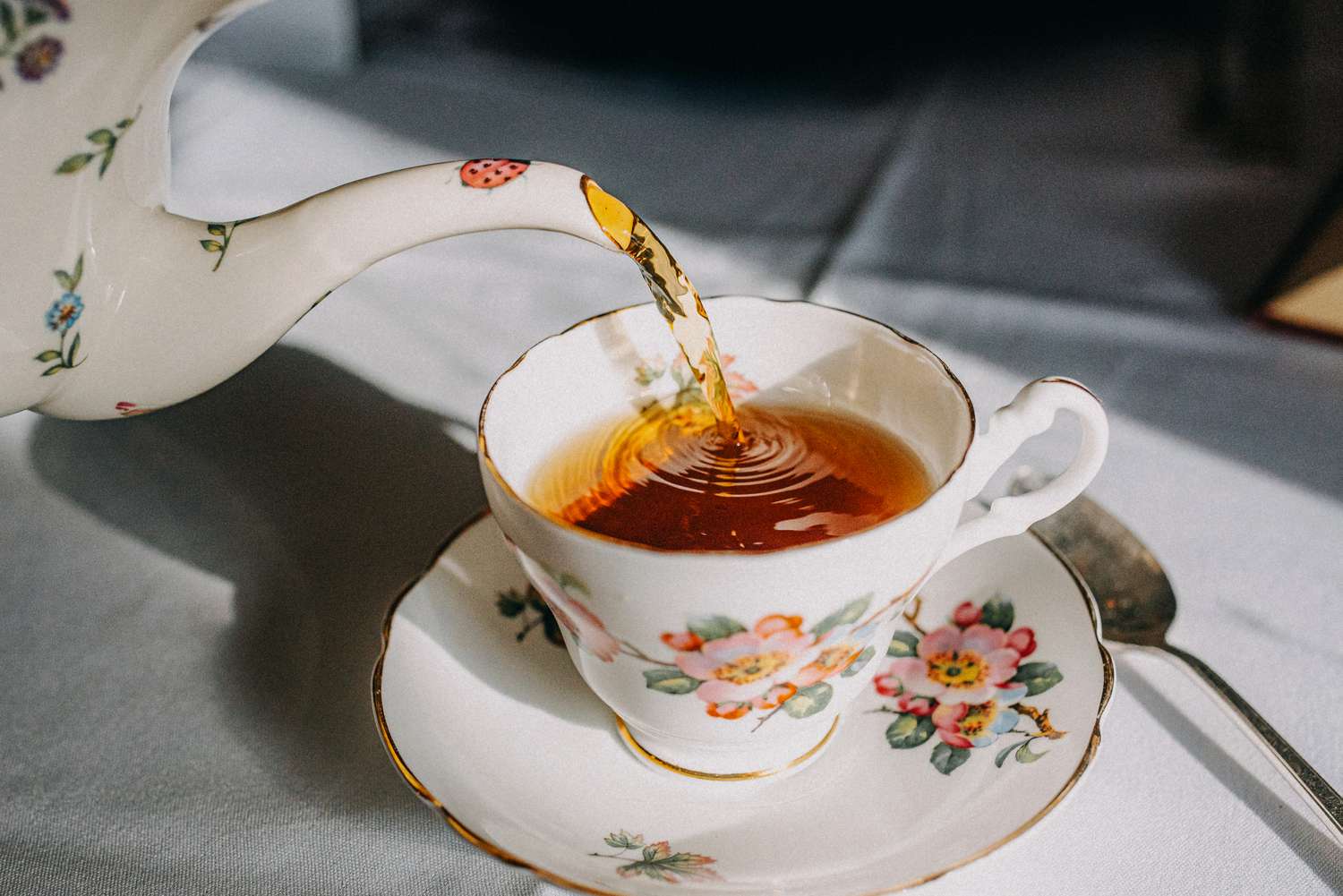
If your brain feels like it has 47 browser tabs open, one of them is frozen, and another is playing mysterious jazz at full volume, welcome to modern life. When stress starts doing cartwheels across your nervous system, a warm cup of tea can feel less like a beverage and more like a peace treaty. But not every tea deserves a gold medal in the relaxation Olympics.
Some teas are naturally calming. Some only sound calming because the mug is cute and the steam looks poetic on Instagram. And some teas, while wonderful in the morning, are absolutely not what you want before bed unless your goal is to reorganize the pantry at 11:48 p.m.
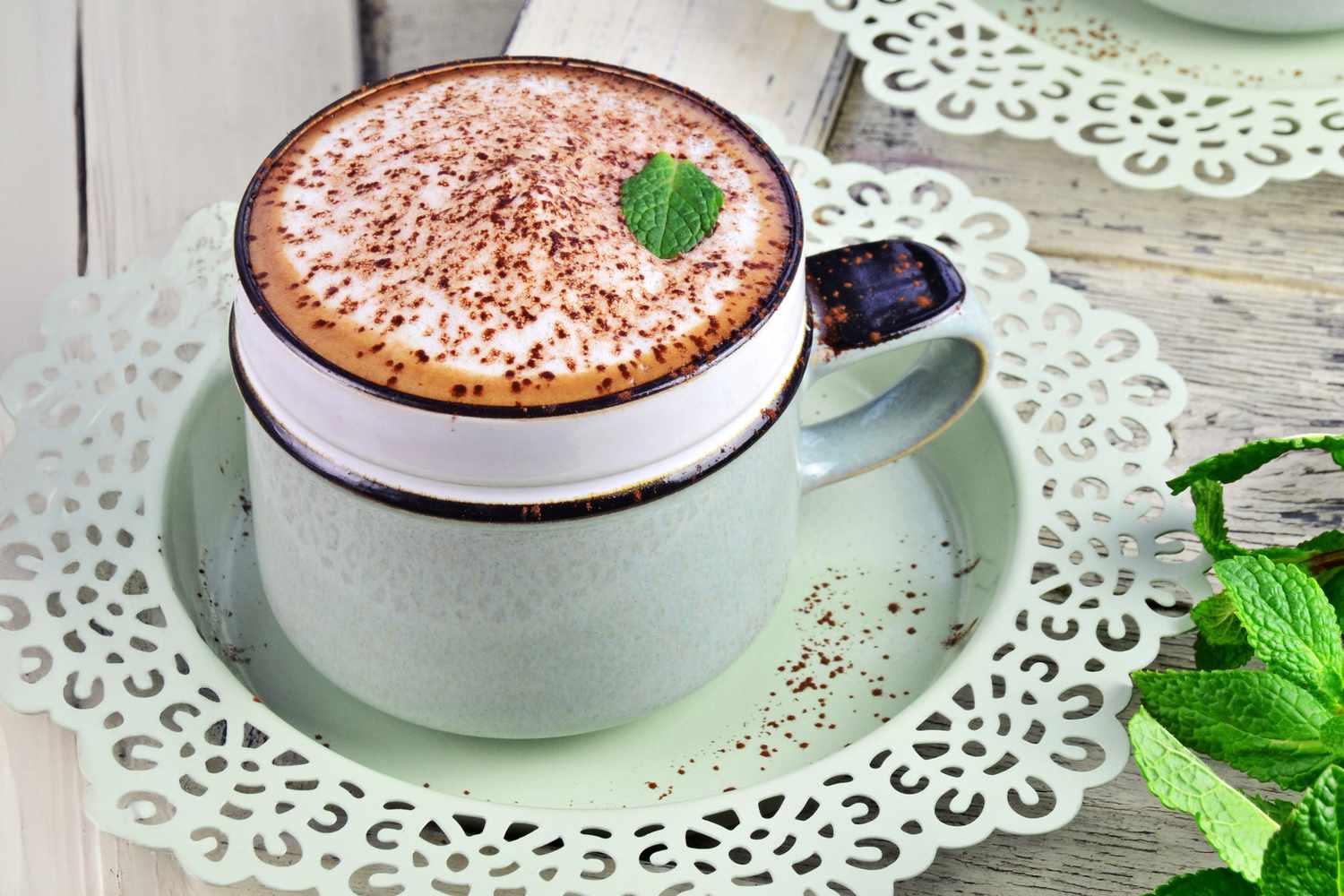
So, what is the best tea to help you relax? After looking at the research, the traditional use, safety considerations, and what actually makes sense for real people, the best overall choice is chamomile tea. It is simple, accessible, naturally caffeine-free, and backed by more human evidence than many of its herbal rivals. That does not make it a magic spell in a mug. But if you want one tea that makes the most sense for winding down, chamomile is the clear winner.
Why Chamomile Tea Comes Out on Top
Chamomile earns the top spot because it checks the boxes that matter most for relaxation. First, it is caffeine-free, which sounds obvious, but that detail matters more than people think. A lot of “tea” conversations lump everything together, even though true teas like black tea and standard green tea naturally contain caffeine. If you are trying to relax at night, adding a stimulant to the situation is a little like trying to put out a campfire with a leaf blower.
Second, chamomile has a long reputation as a calming herb, and unlike some trendy wellness favorites, it is not running entirely on folklore and pretty packaging. Chamomile contains plant compounds, including flavonoids such as apigenin, that are believed to interact with pathways involved in calmness and the sleep-wake transition. In plain English, your body may interpret chamomile as a gentle nudge toward “let’s settle down now.”
Third, chamomile is approachable. You do not need a specialty apothecary, a laminated herbal chart, or a moon phase app to use it. It is available in most grocery stores, usually tastes mild enough for beginners, and does not come with the same baggage as stronger herbal products that may cause grogginess or medication concerns.
Relaxation vs. Knockout Power
It is important to be clear about what chamomile does best. Chamomile is not the best tea because it will “knock you out.” That is not really the goal. The best relaxation tea should help your body and mind shift gears without making you feel like you were hit by a tranquilizer dart. Chamomile tends to work more like a dimmer switch than an off button. That is exactly why so many people find it useful.
What the Research Actually Suggests
The research on chamomile is encouraging, but it is not overblown miracle-cure territory. That is actually good news, because honest wellness advice is much more useful than internet fairy dust.
Several clinical studies and reviews suggest chamomile may help reduce anxiety symptoms and improve sleep quality in certain groups. Some research involving adults with generalized anxiety has found that chamomile extracts may reduce symptoms. Other studies have reported better sleep quality in postpartum women and in older adults who used chamomile-based interventions. Reviews of randomized trials also suggest a modest benefit for sleep quality, though the evidence is not strong enough to claim that chamomile cures insomnia.
That distinction matters. If your goal is to feel calmer, more settled, and more ready for sleep, chamomile is a very reasonable choice. If your goal is to fix chronic insomnia that has been stomping through your life for six months, tea alone is unlikely to be the hero of the story. In those cases, sleep hygiene, stress management, and evidence-based care such as cognitive behavioral therapy for insomnia tend to matter much more.
Why Modest Evidence Still Matters
In the wellness world, “modest evidence” sometimes gets treated like a boring consolation prize. It is not. Modest evidence paired with a low-risk, affordable, easy habit can be incredibly valuable. A nightly cup of chamomile may not transform you into a blissed-out woodland creature, but if it reliably helps you feel calmer and signals your body that bedtime is approaching, that is a practical win.
Why Green Tea Is Not the Best Bedtime Relaxation Tea
Green tea often shows up in relaxation conversations because it contains L-theanine, an amino acid associated with calm focus. And to be fair, green tea can absolutely have a place in a relaxation routine. But it is not the best tea for most people who want to unwind in the evening.
Here is the catch: green tea still contains caffeine unless you choose a decaffeinated or very low-caffeine version. That means it can create a weird tug-of-war inside your cup. One component says, “Let us be serene.” Another says, “Let us alphabetize the spice rack at midnight.”
If you love green tea and want something soothing during the day, especially in the late morning or early afternoon, it can be a smart option. It may support a calm-but-alert feeling rather than sleepy relaxation. But for a nighttime wind-down ritual, chamomile is usually the better pick.
So Is Green Tea Bad?
Not at all. Green tea is a terrific beverage with its own benefits, and lower-caffeine versions may work well for some people. It is simply not the best overall answer to the question, “What tea should I drink when I want to relax?” Timing matters. Physiology matters. And caffeine has a way of crashing the party when you are trying to chill.
The Best Alternative Teas for Relaxation
Chamomile wins best overall, but it is not the only tea in the calming club. If chamomile tastes like warm hay to you, which is a valid and strangely common opinion, these options may still deserve a try.
Lavender Tea
Lavender tea has a floral aroma that practically announces, “Please lower the lights and stop checking email.” Some people find it deeply relaxing, and it is frequently associated with reduced tension and a calmer evening routine. The evidence is more limited than many people assume, but it can still be a lovely choice if you enjoy the flavor and aroma.
Lemon Balm Tea
Lemon balm, a member of the mint family, has a mild citrusy flavor and is often used in blends aimed at stress relief. It has promising early data for relaxation and mood support, but the research base is still thinner than the internet likes to admit. Think of it as a strong supporting actor, not the lead star.
Passionflower Tea
Passionflower is often marketed for anxiety and sleep. Some small studies suggest it may help with anxiety symptoms or total sleep time, but the conclusions are still mixed. It can be part of a relaxing tea blend, though it comes with more caution than chamomile, especially for people who are pregnant or taking certain medications.
Valerian Root Tea
Valerian is the heavyweight of the bunch. Some people swear by it. Others say it smells like a gym sock that studied herbalism abroad. Research on valerian is inconsistent, and while it may help some people, it is also more likely to cause side effects like headache, stomach upset, morning grogginess, or vivid dreams. That makes it less appealing as the best all-purpose relaxation tea.
How to Drink Chamomile Tea for the Best Relaxing Effect
If you want chamomile tea to actually help you relax, the way you use it matters. Tea works best as part of a ritual, not as a last-second rescue mission after three hours of doomscrolling and a late espresso.
Try drinking a cup about 30 to 60 minutes before bed or before the time of day when you most want to decompress. Use hot water, let it steep long enough to develop flavor, and drink it slowly. This is not the moment to chug it like you are late for a train. The point is to create a transition.
Keep the ritual simple. Dim the lights. Put your phone somewhere that does not glow at you like a tiny accusatory billboard. Read a few pages of a book, stretch, breathe deeply, or just sit quietly for a few minutes. The tea helps, but the routine amplifies the effect.
What to Add and What to Skip
A little honey is fine if it makes the tea more enjoyable. A mountain of sugar is less ideal, especially if it turns your calming cup into dessert cosplay. Heavy caffeine add-ins are obviously out. So is the classic “relaxing evening tea” followed by two episodes of a crime thriller and a stressful social media spiral.
When Chamomile Tea May Not Be the Best Choice for You
Even gentle remedies deserve some respect. Chamomile tea is generally considered mild and safe for many adults, but it is not automatically right for everyone.
If you have an allergy to ragweed, daisies, chrysanthemums, marigolds, or related plants, chamomile may trigger an allergic reaction. If you take blood thinners, sedatives, or other medications, you should be more careful because chamomile may interact with some drugs. People who are pregnant or breastfeeding should also check with a healthcare professional before using chamomile regularly, especially in concentrated forms or supplements.
And one more important point: tea is not the same thing as a supplement capsule or extract. Supplements can be much stronger and less predictable than a normal cup of tea. If your idea of relaxation suddenly involves twelve ingredients, a tincture, and a mysterious dropper bottle, you have probably drifted away from the original assignment.
The Real Secret: Tea Helps Most When It Becomes a Cue
One of the most underrated reasons chamomile works is behavioral, not just biochemical. A nightly cup of tea can become a signal. Over time, your brain starts to associate that scent, that warmth, and that quiet pause with winding down. It becomes a little ritual marker between the noisy part of the day and the softer part.
This is why tea often feels more effective when paired with relaxing habits. The mug itself becomes part of the message. Your body learns, “We are done performing for the day. It is safe to rest now.” That may sound poetic, but it is also practical. Human beings respond to routines, rhythms, and repeated cues.
So yes, the chemistry matters. But the context matters too. A warm cup of chamomile in a quiet room is doing far more work than a lukewarm mug balanced next to a laptop while you answer messages labeled “urgent” at 10:37 p.m.
Final Verdict: This Is the Best Tea to Help You Relax
If you want the best tea to help you relax, choose chamomile tea. It offers the best combination of calming tradition, reasonable scientific support, gentle flavor, wide availability, and caffeine-free practicality. Other teas can help, especially lavender, lemon balm, or low-caffeine green tea depending on the situation. But chamomile is the one that makes the most sense for the average person who wants to feel calmer without turning bedtime into a chemistry experiment.
In other words, if relaxation had a mascot, it would probably be a sleepy chamomile flower wearing fuzzy socks and minding its business.
Experiences Related to “This Is the Best Tea to Help You Relax”
One reason chamomile tea has stayed popular for so long is that the experience of drinking it often matters almost as much as the herb itself. People do not usually describe chamomile as dramatic. Nobody says, “I drank a cup and immediately ascended into another dimension.” What they say instead is much more believable and, honestly, much more useful. They talk about feeling softer around the edges. Less buzzy. Less mentally crowded. Less likely to replay an awkward conversation from 2019 while trying to fall asleep.
For many people, the first noticeable change is not even sleep. It is the pause. The act of heating water, steeping the tea, holding a warm mug, and sitting still for a few minutes interrupts the momentum of stress. That is huge. Daily life often trains people to move from one demanding thing to the next without a proper landing. Chamomile creates a landing. It gives the nervous system a cue that the sprint is over.
Imagine someone coming home after a long workday, shoulders tight, mind noisy, patience running on fumes. They make a cup of chamomile tea, sit by a lamp instead of a screen, and take ten minutes before doing anything else. The tea may not erase the day, but it changes the texture of the evening. The body starts to unclench. Breathing slows down. The pressure to “keep going” fades a little. That is a real kind of relaxation, and it is often the kind people actually need.
There is also a social experience tied to calming teas. A mug of chamomile shared with a partner, friend, parent, or roommate has a different energy than coffee on the run. Coffee says, “Let us gear up.” Chamomile says, “Let us settle down.” In many homes, that simple cup becomes part of the emotional atmosphere. It signals comfort, gentleness, and a temporary cease-fire from the noise of the day.
Then there is the bedtime crowd, the people whose brains become motivational speakers at midnight. For them, chamomile is often less about sedation and more about creating a reliable pre-sleep bridge. They brush their teeth, make the tea, dim the room, and repeat the same quiet pattern each night. Over time, the ritual becomes familiar enough that the mind starts to cooperate. That consistency can feel surprisingly powerful. Not flashy. Not trendy. Just effective in a calm, ordinary, grown-up way.
Even people who do not love the taste often end up appreciating the effect of the ritual. Some add honey. Some blend chamomile with lavender or mint. Some drink it after dinner instead of right before bed. The experience becomes personal, and that may be part of why relaxing tea habits actually stick. They do not require perfection. They just require repetition.
In the end, the experience of drinking chamomile tea is a reminder that relaxation does not always arrive with fireworks. Sometimes it arrives quietly, in a warm mug, asking nothing more from you than to sit down, breathe, and let the day stop talking for a minute.