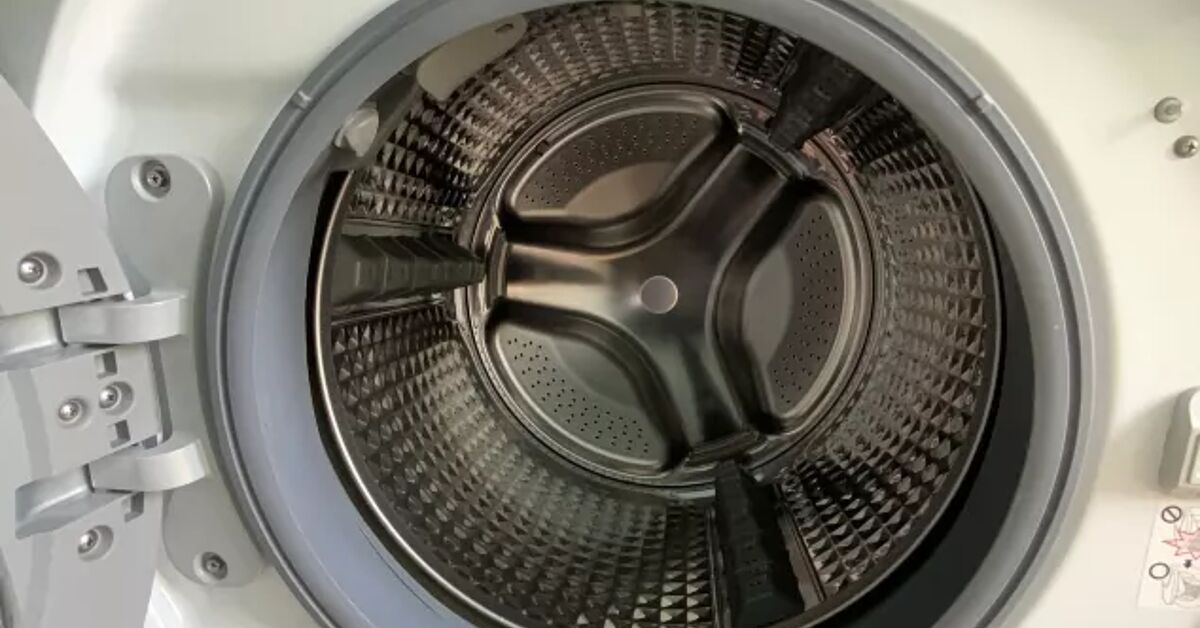
A washing machine spends its life cleaning dirty clothes, so it is tempting to assume that the machine itself stays sparkling clean. Unfortunately, that is a little like assuming your bathtub never needs scrubbing because it sees soap every day. Detergent residue, fabric softener, body oils, lint, minerals, pet hair, and moisture can all settle into places you cannot easily see.
Eventually, that buildup may announce itself with a musty odor, a slimy detergent drawer, mysterious dark marks around a front-loader gasket, or freshly washed towels that somehow smell as though they spent the weekend in a damp gym bag.
Fortunately, learning how to clean a washing machine is straightforward. Most modern washers even have a dedicated Self Clean, Tub Clean, Clean Washer, or similarly named cycle. The secret is cleaning more than the drum: dispensers, seals, filters, and moisture-prone corners deserve attention too.
Why Does a Washing Machine Need Cleaning?
Every load introduces more than clothing into your washer. Dirt, skin oils, hair, detergent, fabric softener, and minerals from the water travel through the machine as well. Ideally, all of that disappears down the drain. In real life, small amounts can remain behind.
High-efficiency machines are especially good at conserving water, but using excessive detergent can leave unnecessary residue. Fabric softener can also contribute to deposits when it is overused. Add a warm, dark, damp interior and you have excellent conditions for unpleasant odors.
Front-loading washers deserve particular attention because water and lint can remain within the folds of the rubber door gasket. Some models also have a drain-pump filter capable of collecting lint, hair, buttons, coins, and whatever else survived the pre-laundry pocket inspection.
A clean washer does not magically turn bargain detergent into wizardry, but routine maintenance can help prevent residue and odors from transferring back onto laundry while keeping drains and dispensers functioning properly.
How Often Should You Clean Your Washing Machine?
A good general rule is to perform a full washer-cleaning cycle about once a month or every 30 to 40 loads. Several major appliance manufacturers recommend roughly this interval, although the exact schedule differs by machine.
You may need to clean it more frequently if:
- You wash heavily soiled work clothes frequently.
- You have pets that shed heavily.
- Your household does several loads per day.
- You regularly use large amounts of detergent or fabric softener.
- The washer sits in a hot, humid laundry room.
- You already notice mildew, residue, or unpleasant odors.
If your machine displays a Self Clean or Tub Clean reminder, consider that the washer politely raising its hand and saying, “Excuse me, I clean everyone else’s socks. Could somebody return the favor?”
What You Need to Clean a Washing Machine
Your exact supplies depend on the manufacturer’s instructions, but a basic washer-maintenance kit might include:
- Microfiber cloths or clean rags
- A small soft-bristled brush or old toothbrush
- A bucket or shallow pan
- A manufacturer-approved washing machine cleaner
- Mild dish detergent for removable components, if permitted
- Gloves when handling stronger cleaning products
Before introducing bleach, vinegar, oxygen cleaner, baking soda, or any other homemade cleaning solution, consult the washer’s manual. Recommendations vary significantly among manufacturers and models.
Important safety warning: Never mix chlorine bleach with vinegar, ammonia, or other household cleaning chemicals. Dangerous gases can result. Do not improvise a chemistry experiment inside an appliance that costs hundreds of dollars.
How to Clean a Washing Machine Step by Step
1. Read the Owner’s Manual First
It is not the most glamorous first step, but it is the smartest one. Search your manual for terms such as “washer maintenance,” “Tub Clean,” “Self Clean,” “Clean Washer,” and “pump filter.”
Your manufacturer may specify which cleaning product to use, where to put it, whether bleach is acceptable, and which parts are removable. Following those instructions also reduces the chance that an enthusiastic cleaning session becomes an expensive service call.
2. Empty the Washer Completely
Remove every piece of laundry before running a maintenance cycle. Check the drum for coins, hair clips, tissues, or small garments.
Cleaning cycles are designed for an empty washer. Throwing your favorite T-shirt in during Self Clean does not make the shirt “extra clean.” It may damage the garment, depending on the cycle and cleaning product.
3. Run the Self-Clean or Tub-Clean Cycle
If your washer has a dedicated cleaning cycle, use it according to the manual. Some manufacturers recommend a commercial washing machine cleaner. Certain models permit chlorine bleach under specific circumstances, while other machines may require a different approach.
If your washer has no cleaning cycle, your manual may recommend an empty hot-water or long wash cycle with an approved cleaner.
Never assume that more cleaner means more cleaning power. Excessive product can simply create additional residuethe very problem you are trying to eliminate.
4. Clean the Detergent and Fabric-Softener Dispensers
Detergent drawers are among the most frequently overlooked parts of a washer. Ironically, the place dedicated to soap can become impressively grubby.
If your dispenser is removable, take it apart according to the manufacturer’s directions. Rinse removable pieces with warm water and gently loosen buildup with a soft brush. Clean the cavity where the drawer sits as well, because residue often hides there.
Rinse thoroughly and let the parts dry before reinstalling them.
5. Clean the Rubber Gasket on a Front-Load Washer
If you own a front-loader, gently pull back the folds of the door gasket and inspect them closely. You may find lint, strands of hair, small objects, detergent residue, or standing moisture.
Remove debris and wipe the gasket using the cleaning method recommended for your washer. Work carefully through the folds without stretching or damaging the rubber.
Dry the gasket when finished. Keeping this area dry after ordinary wash cycles is one of the simplest ways to discourage recurring musty odors.
6. Check and Clean the Pump Filter
Many front-loading washing machines have a drain-pump or debris filter behind a small access panel near the lower front of the appliance. Not every model uses the same arrangement, so consult your manual before opening anything.
If your washer has one, prepare for water. Place towels and a shallow container underneath the access point. Drain residual water according to the manufacturer’s instructions before removing the filter.
Clear away lint, hair, coins, buttons, and other debris, rinse the filter as directed, and reinstall it securely. A clogged or dirty filter can contribute to poor drainage and unpleasant odors.
7. Clean the Agitator or Impeller Area on a Top Loader
Top-loading washers need love too. Wipe around the upper drum, lid, detergent dispensers, and areas around the agitator or impeller where residue can collect.
If your agitator has a removable cap or component specifically designed for owner maintenance, follow the manual’s instructions. Never force a cap that does not release easily. Washing machines respond poorly to improvised surgery with screwdrivers.
8. Wipe the Door, Lid, Drum, and Exterior
Use a clean damp microfiber cloth and a mild cleaner appropriate for the appliance finish. Wipe the door glass, lid, controls, handle, and exterior surfaces.
Pay attention to detergent drips. Once dried repeatedly, sticky detergent can become surprisingly stubborn.
9. Run an Extra Rinse if Needed
If the manufacturer’s cleaning procedure recommends itor if visible cleaning residue remainsrun an additional rinse-and-spin cycle with an empty drum.
This is especially sensible after certain deep-cleaning treatments because you do not want leftover cleaning chemicals joining your next load of dark clothes uninvited.
10. Let the Washer Dry
When cleaning is finished, wipe away standing moisture. If it is safe in your household, leave the washer door or lid slightly open so the interior can air-dry. Opening the detergent drawer can help it dry as well.
If children or pets could access the machine, use appropriate caution rather than leaving the door wide open and unattended.
Cleaning a Front-Load Washer vs. a Top-Load Washer
Front-Load Washing Machines
Front-loaders are highly efficient, but their watertight rubber door gasket makes moisture management particularly important. Focus on the gasket, dispenser drawer, drum, and pump filter.
Remove laundry promptly, wipe visible water from the gasket, and allow ventilation between laundry sessions whenever it can be done safely.
Top-Load Washing Machines
Top-load washers usually make the drum easier to ventilate, but detergent, soil, and lint can still accumulate. Clean around dispensers, the underside of the lid, the upper tub rim, and the agitator or impeller area.
Do not assume an older top-loader can be cleaned with whatever recipe is trending online. Materials, finishes, seals, and internal components vary widely.
Should You Clean a Washing Machine With Vinegar?
Distilled white vinegar appears in countless cleaning guides, but it is not automatically the best choice for every washing machine.
Acid can help dissolve certain mineral deposits, yet some appliance manufacturers caution against particular cleaners because repeated exposure may affect rubber components or other materials. Vinegar also should never be mixed with chlorine bleach.
The safest strategy is remarkably unexciting but effective: use the cleaner and procedure approved by the manufacturer of your specific washer.
Can You Use Baking Soda?
Baking soda can help neutralize odors in some cleaning situations, but it should not automatically replace a proper washer-cleaning cycle or commercial machine cleaner. It also does not make every type of buildup disappear.
If you want to use baking soda, first check the manufacturer’s maintenance instructions. “Natural” does not mean “universally approved for every appliance.”
Common Washing Machine Cleaning Mistakes
Using Too Much Detergent
More detergent does not necessarily produce cleaner clothes. In high-efficiency machines, excessive detergent can generate residue and excess suds. Measure according to the detergent instructions, machine type, load size, soil level, and water conditions.
Overusing Fabric Softener
Fabric softener can leave deposits when used excessively. Measure carefully rather than treating the dispenser like a tiny swimming pool.
Leaving Wet Laundry in the Drum
Move washed clothes to the dryer or drying rack promptly. Wet fabrics sitting inside a closed washer keep the interior humid and can develop their own unpleasant smell.
Keeping the Washer Closed While Damp
After unloading, allow the drum and gasket to dry whenever practical and safe. Moisture management is one of the most effective odor-prevention habits recommended across appliance-care guidance.
Ignoring the Filter
If your model includes an owner-cleanable pump filter, maintain it on the schedule specified by the manufacturer. A pristine drum cannot compensate for a filter containing three years of lint, two pennies, a button, and the archaeological remains of a sock label.
Mixing Cleaning Chemicals
Do not combine bleach, vinegar, ammonia, peroxide, or other cleaners unless a product explicitly instructs you to do sowhich reputable household guidance generally will not. Use one approved cleaning method at a time and rinse appropriately.
How to Keep Your Washer Smelling Fresh Between Deep Cleans
A monthly deep clean helps, but daily habits matter even more. Try these simple practices:
- Remove clean laundry soon after each cycle.
- Wipe moisture from front-loader gaskets.
- Leave the door, lid, or dispenser open to dry when safe.
- Measure detergent instead of guessing.
- Use HE detergent in machines that require it.
- Avoid chronic overloading.
- Clean visible detergent spills immediately.
- Inspect pockets before washing.
- Clean owner-serviceable filters on schedule.
- Run the machine’s cleaning cycle approximately monthly.
Manufacturers including Whirlpool, Maytag, Samsung, and LG consistently emphasize regular cleaning, correct detergent use, and drying the washer between cycles as major maintenance habits.
What If Your Washing Machine Still Smells After Cleaning?
Persistent odor does not always mean the drum is dirty. Investigate several possible causes.
First, repeat the approved cleaning cycle if the machine had substantial residue. Some manufacturers recommend repeated cleaning for washers with established odors.
Next, inspect the gasket, dispenser, and pump filter. These areas can remain dirty even after the drum looks spotless.
Also consider the drain system. Incorrect drain-hose installation, poor drainage, trapped debris, or plumbing odors can occasionally masquerade as a dirty washer.
If odors, leaks, drainage problems, error codes, or visible mold remain after proper maintenance, consult the manufacturer or a qualified appliance technician rather than escalating to stronger and stronger homemade chemical treatments.
Frequently Asked Questions
How do I clean a washing machine naturally?
If you prefer minimal-chemical cleaning, begin with mechanical cleaning: wipe moisture away, wash removable dispensers with water as permitted, remove lint and debris, maintain filters, and ventilate the drum. Before using vinegar, baking soda, or another household ingredient inside the machine, verify that your washer manufacturer permits it.
Why does my washing machine smell even after a wash?
Common causes include detergent residue, fabric-softener buildup, trapped moisture, a dirty gasket, a clogged pump filter, laundry left wet in the drum, or drainage problems.
How often should a front-load washer gasket be cleaned?
Wipe obvious moisture and debris regularly, ideally after laundry sessions when needed, and incorporate a more thorough gasket inspection into monthly washer maintenance.
Can I use dish soap to clean my washing machine?
Dishwashing liquid is generally a poor choice inside a washing machine because it is formulated to produce considerably more suds than HE laundry detergent. Excess foam can create a spectacular mess with absolutely no entertainment value once cleanup begins.
Do washing machine cleaning tablets work?
Commercial washer cleaners are formulated to target residue and odor in washing machines and can be convenient for routine maintenance. Choose one compatible with your machine and follow both the washer manufacturer’s guidance and the cleaner’s directions.
Practical Experience: What Actually Makes a Washer Stay Fresher
One of the most useful lessons from real-world washer maintenance is that spectacular deep-cleaning sessions matter less than boring little habits repeated consistently. People often wait until the machine smells terrible, then attack it with three cleaners, four online hacks, and the emotional intensity normally reserved for restoring an abandoned farmhouse. Prevention is much easier.
Consider a typical busy household running five or six loads every week. The family uses a front-loader, pours detergent by eye, adds a generous splash of fabric softener, closes the door immediately after unloading, and occasionally forgets towels overnight. Nothing dramatic happens during the first few months. Eventually, however, opening the washer produces a faint musty smell. The towels are clean but no longer have that crisp, neutral freshness.
The first instinct is often to add more scented detergent. That can temporarily cover the odor while contributing even more residue. A better approach is to clean the machine thoroughly, then change the habits that produced the problem.
After a proper Tub Clean cycle, cleaning the dispenser, wiping beneath the gasket folds, and clearing the pump filter, the biggest improvement usually comes from maintenance rather than perfume. Measuring detergent accurately, removing laundry promptly, and letting the washer dry dramatically reduces the conditions that encourage recurring odor.
Another common experience involves the “mystery smell” that survives a drum-cleaning cycle. The owner runs a cleaner through the washer and expects victory, but the odor returns within days. Checking the obvious hidden areas often reveals the reason. The detergent drawer may have a layer of residue underneath it. The gasket can hide wet lint deep within a fold. A front-loader’s pump filter may contain stagnant water and debris. Cleaning only the shiny stainless-steel drum is sometimes like vacuuming the living room while ignoring the overflowing garbage can in the kitchen.
Detergent quantity is another lesson people tend to learn after owning a high-efficiency washer. Modern machines generally use much less water than older washers. Pouring in a huge dose of detergent does not guarantee a huge dose of cleanliness. If anything, persistent excess suds can make rinsing harder and encourage buildup. The measuring marks on detergent packaging may not be exciting reading, but neither is scrubbing sticky blue sludge from a dispenser.
Pet owners face their own version of the challenge. A household washing dog blankets, pet beds, and fur-covered clothing can accumulate hair around seals and filters much faster than expected. Shaking or removing loose hair before washing and checking the machine afterward can prevent much of that material from settling into damp crevices.
Perhaps the most practical habit is tying washer cleaning to something already on the calendar. For example, run the cleaning cycle on the first Saturday of each month. While it runs, rinse the dispenser and wipe the exterior. Once the routine becomes automatic, the job takes little thought and there is far less buildup to remove.
The larger lesson is reassuring: fresh laundry usually does not require exotic chemicals or complicated tricks. A washer that is cleaned regularly, allowed to dry, properly loaded, and supplied with the correct amount of detergent has a much better chance of consistently producing laundry that smells like clean fabric rather than “Mountain Breeze Fragrance Attempting to Hide Basement.”
Conclusion: A Cleaner Washer Means Fresher Laundry
If your clean clothes smell less than clean, do not immediately blame the detergent. The appliance doing the washing may simply need attention.
Learning how to clean a washing machine for fresher laundry comes down to a manageable routine: run the manufacturer’s cleaning cycle, wash the dispensers, inspect the gasket, maintain the pump filter where applicable, remove residue, and let the interior dry.
Most households can start with monthly deep cleaning, adjusting the frequency for heavy use or recurring buildup. Combine that schedule with proper detergent dosing and prompt laundry removal, and maintaining a fresh washer becomes much easier than rescuing one that has developed a serious odor problem.
Note: Washing-machine designs and approved cleaning products vary. Always check the owner’s manual for your specific model before using bleach, vinegar, oxygen-based cleaners, baking soda, or commercial cleaning products, and never mix chlorine bleach with vinegar, ammonia, or other household cleaners.