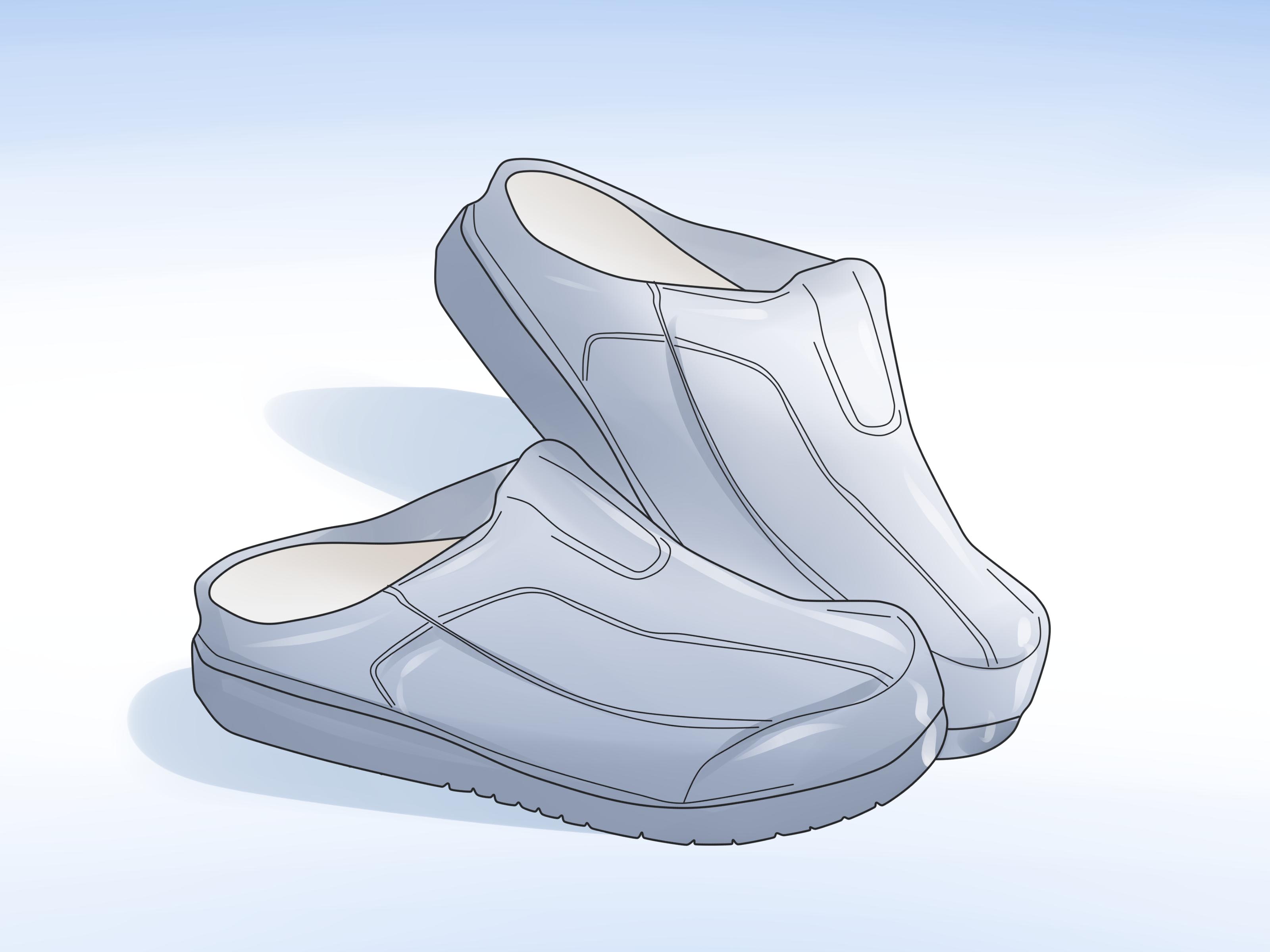
Shoes may sit at the bottom of an outfit, but they have an oddly powerful habit of taking control. The same black dress can look professional with loafers, romantic with delicate heels, relaxed with white sneakers, or ready to headline a rock concert with combat boots. Your clothing provides the plot; your footwear decides the genre.
Choosing the right shoes does not require memorizing hundreds of fashion rules. It requires looking at a few practical factors: where you are going, how formal the outfit feels, which colors are already present, how the clothing fits, and whether your feet will still be speaking to you at the end of the day.
This guide explains eight reliable ways to select shoes to wear with an outfit. The principles work for dresses, jeans, suits, skirts, shorts, jumpsuits, and nearly everything else hiding in your closet.
Research synthesis: U.S. fashion and retail guidance consistently emphasizes occasion, coordination, proportions, practicality, and personal style.
1. Start with the Occasion, Not the Shoe Rack
Before considering color, heel height, or whether those metallic boots deserve another public appearance, ask one basic question: What will I actually be doing?
The best shoes for an outfit must work for the event. A pair can coordinate beautifully and still be the wrong choice if it makes the day difficult. Four-inch stilettos may complement a cocktail dress, but they are less appealing when the event includes a half-mile walk over brick sidewalks. Running shoes might feel wonderful, but an important client presentation may call for something more polished.
Match footwear to the expected dress code
- Formal events: Consider pumps, dress sandals, sleek loafers, polished oxfords, or refined flats.
- Business settings: Try loafers, low heels, ankle boots, minimal sneakers where permitted, or closed-toe flats.
- Casual activities: Sneakers, sandals, clogs, canvas shoes, and relaxed boots usually work well.
- Outdoor occasions: Choose weather-resistant shoes with appropriate traction and support.
Also think about how long you will stand, how far you will walk, and what surfaces you will encounter. Grass can swallow narrow heels. Rain can ruin untreated suede. A crowded concert can turn open-toe sandals into an invitation for strangers to step on your feet.
Function does not cancel fashion. It simply narrows the options to shoes you can wear confidently instead of enduring them like an attractive punishment.
2. Match the Formality of the Shoes to the Outfit
Every outfit has a level of formality, even when there is no official dress code. Tailored trousers and a silk blouse feel more polished than distressed jeans and an oversized sweatshirt. The shoes should either support that mood or contrast with it deliberately.
Use similar levels of polish for an easy combination
A structured outfit generally pairs naturally with structured footwear. Examples include a fitted suit with leather loafers, a sheath dress with pointed-toe pumps, or crisp chinos with clean lace-up shoes. Relaxed clothing tends to work with softer, sportier options such as sneakers, slides, casual sandals, or slouchy boots.
Try intentional contrast for a modern look
Your shoes do not always need to match the outfit’s expected personality. A romantic floral dress can look fresh with chunky sneakers. Tailored trousers can become less corporate with colorful trainers. Straight-leg jeans can feel sophisticated with kitten heels.
The important word is intentional. One contrasting element often looks creative. Five unrelated elements may look as though you got dressed during a power outage.
When using unexpected footwear, repeat one part of the shoe elsewhere in the outfit. You might echo its color in a handbag, match its sporty feeling with a baseball cap, or repeat its leather texture with a belt. This small connection helps the contrast feel planned.
Source basis: Contemporary U.S. style publications regularly recommend both tonal coordination and intentional “wrong-shoe” contrast, particularly with dresses, denim, sneakers, and tailored pieces.
3. Coordinate Colors Without Matching Everything
Color is often the first thing people consider when choosing shoes, but coordination does not require an exact match. In fact, matching every accessory to the same shade can sometimes feel overly calculated.
Use neutral shoes as dependable anchors
Black, brown, tan, cream, white, navy, gray, and metallic footwear can work with a large portion of a typical wardrobe. However, not every neutral performs the same job.
- Black shoes add definition and often make an outfit feel sharper.
- Brown or cognac shoes bring warmth to denim, earth tones, cream, olive, and navy.
- Nude or skin-toned shoes create a visually continuous line and keep attention on the clothing.
- White shoes brighten dark outfits and make tailored pieces feel more casual.
- Metallic shoes act like jewelry and can function as surprisingly versatile neutrals.
Pull a secondary color from the outfit
When wearing a print, select shoes that repeat one of its less dominant colors. For example, a navy dress with small burgundy flowers can pair beautifully with burgundy shoes. The result feels coordinated without looking like a matching uniform.
Use bright shoes as the focal point
A neutral outfit creates an ideal background for red pumps, cobalt sneakers, yellow sandals, or emerald loafers. Keep the rest of the accessories restrained so the shoes can enjoy their main-character moment without competing for screen time.
A practical guideline is to limit an outfit to a controlled palette of roughly three major colors, excluding minor details. This is not an unbreakable law, but it makes getting dressed much easier when your closet appears determined to start a color argument.
4. Balance the Shape and Proportions of the Clothing
Successful shoe selection is not only about color. The visual weight and shape of the footwear should make sense with the hemline, width, and volume of the clothes.
Consider the width of pants
Wide-leg pants often benefit from shoes with enough presence to balance the fabric. Platforms, block heels, substantial loafers, pointed shoes, and streamlined sneakers can all work. Extremely delicate footwear may disappear beneath a long, voluminous hem.
With skinny or slim pants, both delicate and chunky shoes are possible. Sleek ankle boots create a continuous silhouette, while heavier combat boots produce a deliberate contrast.
Cropped pants expose more of the foot and ankle, so the shoe becomes especially noticeable. Loafers, ballet flats, low-profile sneakers, slingbacks, and ankle-strap heels can all frame the shorter hem effectively.
Pay attention to skirt and dress lengths
Mini dresses and short skirts reveal more leg, making tall boots, flats, sneakers, and low heels easy partners. Midi lengths can be trickier because they end around the widest part of the calf. A low-cut vamp, pointed toe, or modest heel can create a longer visual line.
Maxi dresses usually work best when the shoe supports the dress without fighting its movement. Flat sandals, sleek sneakers, loafers, boots, and heels are all options, but the hem should not drag or become trapped under the footwear.
Balance visual weight
Chunky shoes tend to look harmonious with oversized jackets, heavy knits, wide denim, or structured outerwear. Delicate shoes complement fluid fabrics, slim tailoring, and refined evening pieces. Mixing those categories can be stylish, but the contrast should look purposeful rather than accidental.
Proportion guidance is reflected across stylist recommendations for wide-leg pants, jeans, dresses, and cropped silhouettes.
5. Decide Whether the Shoes Should Blend In or Stand Out
Every strong outfit needs a visual hierarchy. Something should lead, while the remaining pieces provide support. Before selecting your shoes, decide whether they are part of the supporting cast or the star arriving late with excellent lighting.
Let statement clothing lead
If you are wearing a sequined dress, patterned suit, dramatic coat, or brightly colored jumpsuit, simple shoes can prevent visual overload. Minimal sandals, plain pumps, sleek boots, or understated sneakers allow the clothing to remain the focal point.
Use statement shoes to energize simple clothes
Basic outfits are ideal for dramatic footwear. Consider these combinations:
- A white shirt and straight jeans with leopard-print flats
- A black dress with metallic heels
- A beige suit with red loafers
- A gray sweater and dark denim with colorful retro sneakers
- A monochrome outfit with sculptural or embellished shoes
Statement shoes are also useful when you repeat simple outfits frequently. One jeans-and-T-shirt combination can take on several personalities through cowboy boots, classic white sneakers, ballet flats, loafers, or bright pumps.
When the footwear is bold, avoid forcing every accessory to compete with it. A quieter bag and minimal jewelry usually create a more confident result.
6. Match Materials to the Season and Texture of the Outfit
Texture helps explain why two items in the same color may not look equally suitable. Black patent pumps communicate something very different from black canvas sneakers or black suede boots.
Choose materials that suit the season
Canvas, woven leather, mesh, raffia, and lightweight fabric shoes feel natural in warm weather. Suede, polished leather, velvet, and heavier boots tend to complement fall and winter clothing. These are flexible guidelines, but matching the visual weight of the material to the season creates cohesion.
Combine textures thoughtfully
You can repeat a material for a polished look, such as leather shoes with a leather belt. Alternatively, you can use contrast: suede loafers with crisp cotton trousers, metallic sandals with linen, or rugged boots with a silky dress.
Weather matters too. Delicate satin shoes are risky in rain, open sandals are unhelpful in freezing temperatures, and smooth soles can be hazardous on wet pavement. Checking the forecast may not sound glamorous, but neither is sliding across a parking lot while trying to preserve your dignity.
For a practical wardrobe, keep a few weather-friendly options available, such as water-resistant boots, supportive sandals, washable sneakers, and polished shoes with dependable traction.
7. Prioritize Fit, Comfort, and the Activity Ahead
Beautiful shoes lose much of their charm when they pinch, rub, slip, or require an emergency supply of bandages. Comfort should be part of styling from the beginning, not treated as a disappointing afterthought.
Check the fit carefully
Shoe sizes vary among brands and styles, so do not rely exclusively on the number printed inside. Your toes should have room to move, your heel should feel secure, and the widest part of your foot should align with the widest part of the shoe.
Feet may swell as the day progresses, which is why trying on shoes later in the day can provide a more realistic fit. Test both shoes while wearing the socks or hosiery you plan to use with them.
Match support to the activity
A dinner that involves mostly sitting allows different footwear than a day of sightseeing. For long periods of walking or standing, look for cushioning, a stable sole, sufficient arch support, and secure straps or laces.
Do not assume painful shoes will transform after a dramatic “breaking-in” montage. Minor stiffness may soften, but shoes that crush your toes or cause immediate pain are unlikely to become loyal companions.
When an outfit appears to demand uncomfortable shoes, look for a similar silhouette with a lower heel, wider toe box, block heel, cushioned footbed, or adjustable strap. Style is not measured by how convincingly you pretend your feet are fine.
Foot-health sources advise choosing shoes for the activity, checking width and toe room, trying both shoes, and prioritizing secure, supportive construction.
8. Let Your Personal Style Make the Final Decision
Fashion guidelines are tools, not courtroom orders. Two people can wear the same outfit with completely different shoes and both look excellent because the choices reflect their personalities.
A minimalist may select streamlined loafers. A romantic dresser may prefer bow-trimmed flats. Someone with a sporty style might reach for retro sneakers, while an adventurous dresser could finish the same look with metallic boots.
Build a versatile personal shoe collection
Rather than buying footwear for one isolated outfit, consider how a new pair will work with clothes you already own. A useful collection might include:
- One clean casual sneaker
- One polished flat or loafer
- One weather-appropriate boot
- One dressier shoe
- One comfortable sandal
- One statement pair that makes basic clothing more interesting
Your ideal list may be different. Climate, workplace expectations, mobility needs, lifestyle, and taste matter more than any universal checklist.
Take a quick mirror photo when trying different shoes with an outfit. Seeing the full silhouette in a photograph can make proportion and color issues easier to notice. It also creates a personal library of successful combinations, saving time on future mornings when your brain has not yet completed its coffee-powered software update.
Personal-style and capsule-wardrobe guidance emphasizes versatility, consistent palettes, practical lifestyle needs, and footwear that changes an outfit’s mood.
Real-World Experiences: What Outfit Experiments Teach You
The fastest way to become better at selecting shoes is to experiment with actual outfits rather than judging each pair in isolation. A shoe that looks awkward in its box may become exactly right once it is placed beneath the correct hemline.
Experience 1: The “Perfect” Shoes Can Be Wrong for the Schedule
Imagine preparing for a day that begins with a business meeting, continues with lunch, and ends at an outdoor event. Pointed heels may look ideal with tailored trousers in the bedroom mirror. After several hours of walking, however, the outfit’s elegance becomes much less important than locating the nearest chair.
The lesson is to style for the complete day. A polished loafer, cushioned slingback, or low block heel may preserve the professional appearance while handling the actual schedule. Another practical option is carrying compact flats, although this works only when there is room in the bag and the backup pair is genuinely comfortable.
Experience 2: Changing Only the Shoes Can Rescue an Outfit
A common dressing-room experience occurs when the clothes technically coordinate but the overall look feels dull. Before changing the shirt, pants, jacket, and possibly your identity, change the shoes.
Dark jeans, a white T-shirt, and a blazer may seem predictable with plain black flats. Add red loafers, silver sneakers, or leopard-print shoes, and the outfit suddenly has a point of view. The clothes were not the problem; they simply needed a stronger finishing decision.
Experience 3: Hem Length Matters More Than Expected
Wide-leg pants can look elegant with heels and strangely heavy with certain flats, especially when the hem collapses around the foot. The same pants may work beautifully with streamlined sneakers after being hemmed slightly shorter.
This teaches an important lesson: do not blame the shoes until you check the clothing length. Tailoring pants for the footwear you wear most often can improve an entire section of your wardrobe. When switching between flats and heels, separate pants into different hem-length categories rather than expecting one pair to perform every possible job.
Experience 4: Neutral Does Not Always Mean Invisible
Many people automatically choose black shoes because black is considered safe. Yet black footwear can look visually heavy with pale linen, soft pastels, or warm beige clothing. Tan, cream, white, light gray, or metallic shoes may create a smoother transition.
Conversely, a light outfit may benefit from black shoes when you want definition. Repeating black in a belt, sunglasses, buttons, or bag helps the footwear look connected instead of dropped into the outfit from another dimension.
Experience 5: Compliments Reveal Your Personal Formula
Over time, patterns begin to appear. Perhaps people frequently compliment your outfits when you combine feminine dresses with casual sneakers. Maybe pointed flats consistently make you feel polished, or brown boots work better with your wardrobe than black ones.
Pay attention to those repeated successes. They reveal your personal styling formulasthe combinations that suit your clothing, lifestyle, proportions, and personality. Photograph them, note them, and repeat them without guilt. Stylish people are not necessarily inventing a completely new outfit every day. They are often refining a small group of combinations that reliably work.
The most valuable experience is learning that the “right” shoe is not determined by a single rule. It is the pair that supports the occasion, balances the clothing, coordinates with the palette, feels comfortable, and makes the wearer feel intentional. When those elements come together, the shoes stop looking like an accessory added at the end. They become part of the outfit’s structure.
Conclusion
Selecting shoes to wear with an outfit becomes much easier when you evaluate the choice in a logical order. Begin with the occasion and activity. Match or deliberately contrast the outfit’s formality. Coordinate colors, examine proportions, consider seasonal materials, and decide whether the shoes should blend in or make a statement.
Most importantly, choose footwear that fits your feet and reflects your personal style. The most fashionable pair in the room is not especially useful when it prevents you from enjoying the room.
A good shoe choice makes clothing look more intentional, supports the body, and communicates the mood you want. Once you learn to balance practicality with color, shape, and personality, selecting footwear becomes less of a daily puzzle and more of a reliable finishing move.
Note: Footwear needs vary by foot shape, health conditions, activity, and mobility. Persistent pain, numbness, or recurring irritation should be discussed with a qualified healthcare professional or podiatrist.