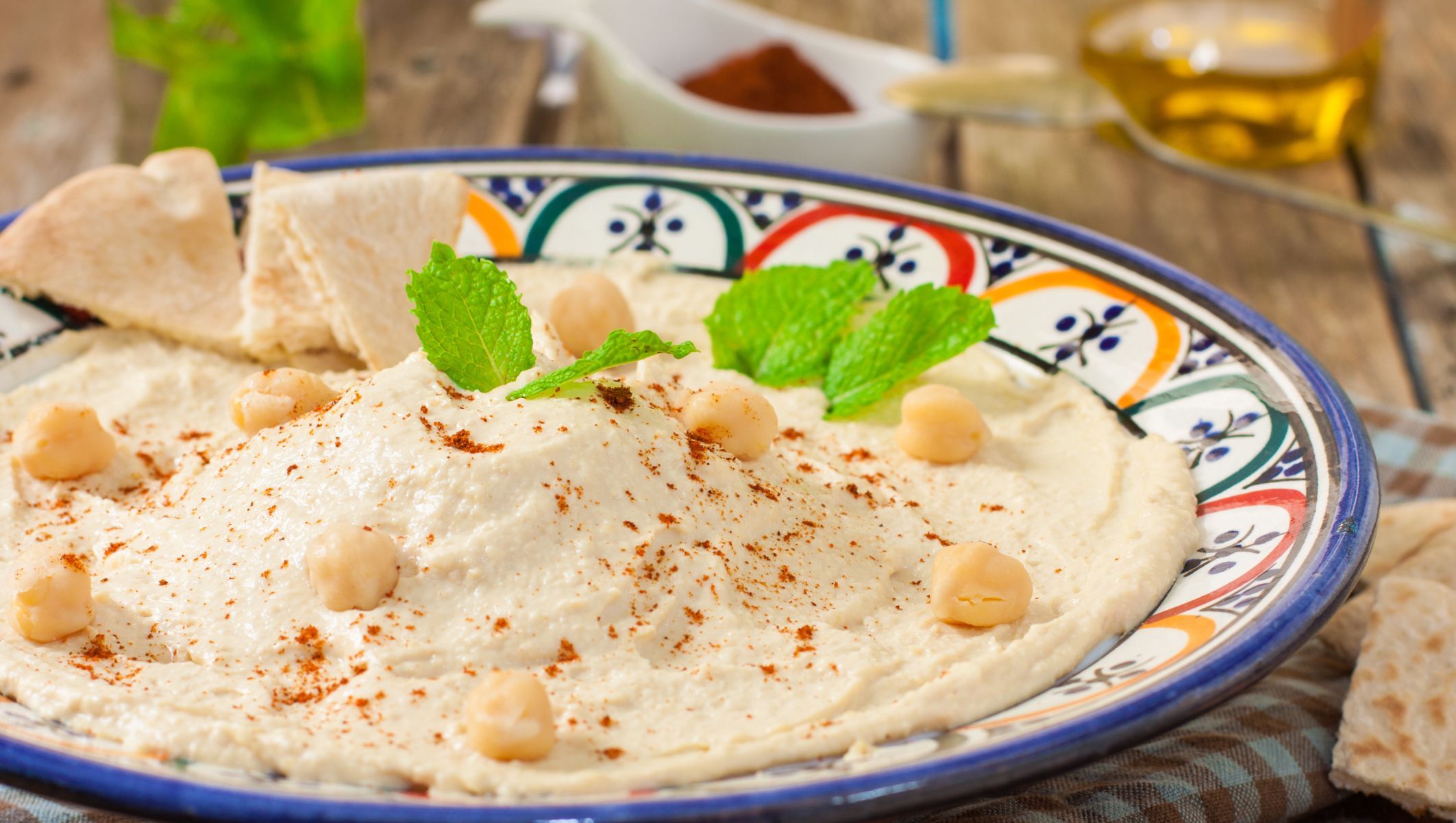
Chickpeas appear harmless enough. They are round, beige, nutritious, and rarely look as though they are plotting anything. Yet for someone managing a peanut allergy, tree nut allergy, or another legume allergy, a bowl of hummus can raise several important questions. Are chickpeas nuts? Can a person with a peanut allergy safely eat them? Does a reaction to chickpeas mean every bean, pea, and lentil must leave the pantry?
The reassuring answer is that chickpeas are not tree nuts, and most people with peanut or tree nut allergies can eat them safely. However, chickpea allergy is real, and some people experience cross-reactivity between chickpeas and related legumes. The safest decision depends on the person’s reaction history, allergy test results, and advice from a qualified allergistnot on a dramatic guess made while staring suspiciously at a tub of hummus.
This guide explains the relationship between chickpeas and nut allergies, the symptoms to watch for, how testing works, where chickpeas may be hidden, and how to eat more confidently without turning every grocery trip into a forensic investigation.
Are Chickpeas Nuts?
No. Chickpeas, also called garbanzo beans, are legumes. They belong to the same broad botanical family as lentils, green peas, beans, soybeans, lupin, and peanuts.
Tree nuts are a different group. Common tree nuts include:
- Almonds
- Cashews
- Walnuts
- Pecans
- Pistachios
- Hazelnuts
- Brazil nuts
- Macadamia nuts
Peanuts create confusion because their name contains the word “nut.” Botanically, however, peanuts are legumes. They grow in pods underground rather than on trees. Chickpeas and peanuts are therefore botanical relatives, but that does not make them allergically identical.
Think of the legume family as a large extended family reunion. Everyone is technically related, but that does not mean they have the same personalityor, in this case, the same allergy-triggering proteins.
Can Someone With a Peanut Allergy Eat Chickpeas?
Most people with peanut allergy tolerate chickpeas and other legumes. Having a peanut allergy does not automatically mean a person must avoid chickpeas, lentils, peas, beans, or soy.
Allergic reactions are caused by the immune system recognizing specific proteins as threats. Although legumes may contain structurally similar proteins, the immune system does not always react to all of them. A person can be severely allergic to peanuts while eating chickpeas without difficulty. Another person may react to chickpeas and lentils but tolerate peanuts. Food allergy biology enjoys making its own rules.
Clinical cross-reactivity between peanuts and other legumes appears to affect only a minority of peanut-allergic people. Positive allergy tests to several legumes can occur more often than actual allergic reactions. This distinction matters because a blood or skin test may show sensitization without proving that eating the food will cause symptoms.
When Extra Caution Is Appropriate
A person with peanut allergy should speak with an allergist before trying chickpeas when:
- They have previously reacted to peas, lentils, soy, lupin, or beans.
- They have experienced unexplained symptoms after eating hummus, falafel, or chickpea flour.
- They have severe asthma or a history of anaphylaxis.
- They have never eaten chickpeas and feel uncertain about introducing them.
- Previous testing has shown sensitization to multiple legumes.
People with a history of severe food reactions should not conduct a casual “just one bite” experiment at home. An allergist may recommend supervised testing or an oral food challenge in a medical setting.
What Is a Chickpea Allergy?
A chickpea allergy occurs when the immune system mistakenly identifies one or more chickpea proteins as dangerous. It produces immunoglobulin E antibodies, commonly called IgE antibodies, which can trigger the release of histamine and other inflammatory chemicals after exposure.
Chickpea allergy is less common in the United States than peanut, milk, egg, or tree nut allergy. It may be encountered more frequently in regions where chickpeas are eaten regularly, including parts of South Asia, the Mediterranean, and the Middle East.
Nevertheless, chickpeas are becoming more common in American foods. They now appear in plant-based snacks, gluten-free baked goods, high-protein pasta, pizza crusts, cereals, crackers, and meat alternatives. Greater exposure does not necessarily mean everyone will become allergic, but it makes chickpeas a more relevant ingredient for consumers and health professionals to recognize.
Chickpea Allergy Symptoms
Symptoms may begin within minutes, although timing can vary. Reactions can range from mild discomfort to life-threatening anaphylaxis.
Mild or Moderate Symptoms
- Itching or tingling in the mouth
- Hives or flushed skin
- Swelling of the lips, face, or eyelids
- Abdominal pain or cramping
- Nausea, vomiting, or diarrhea
- Nasal congestion or sneezing
- Coughing or throat irritation
Signs of Anaphylaxis
- Trouble breathing or wheezing
- Throat tightness or difficulty swallowing
- Swelling of the tongue
- A sudden drop in blood pressure
- Dizziness, confusion, or fainting
- Blue, gray, or unusually pale skin
- Symptoms affecting several body systems at once
Anaphylaxis is a medical emergency. Epinephrine is the first-line treatment when it has been prescribed for the individual. Emergency medical services should also be contacted because symptoms can return after appearing to improve.
Antihistamines may help relieve limited itching or hives, but they cannot replace epinephrine during anaphylaxis. They work too slowly and do not reliably treat airway swelling or dangerously low blood pressure.
Cross-Reactivity Among Chickpeas, Lentils, and Peas
Cross-reactivity happens when proteins in different foods resemble one another closely enough that the immune system recognizes them as similar threats. Chickpeas share certain storage proteins with other legumes, particularly lentils and peas.
Research has identified notable laboratory cross-reactivity among chickpeas, lentils, and peas. Clinical reactions to more than one of these foods are also reported, especially in populations where legumes are dietary staples. Still, laboratory cross-reactivity does not guarantee that a person will react after eating each food.
Someone allergic to chickpeas should not automatically remove every legume from the diet. Unnecessary avoidance can limit protein, fiber, vitamins, minerals, and ordinary enjoyment of dinner. Each legume should be evaluated according to medical history, testing, and, when appropriate, a supervised food challenge.
What About Soy and Beans?
Soybeans, kidney beans, black beans, navy beans, lima beans, and chickpeas all belong to the legume family, but their allergenic proteins differ. A person may react to one while tolerating several others.
This is why broad instructions such as “avoid all legumes forever” may be overly restrictive unless there is evidence supporting them. An individualized allergy plan is usually more useful than treating an entire botanical family as guilty by association.
Tree Nut Allergy and Chickpeas
A tree nut allergy does not, by itself, indicate an increased likelihood of chickpea allergy. Chickpeas are not closely related to almonds, walnuts, cashews, pistachios, or other tree nuts.
The more practical concern is cross-contact. A restaurant may prepare hummus near dishes containing walnuts, pine nuts, almonds, or cashews. Some hummus recipes are topped with pine nuts, while modern variations may contain cashew cream or nut-based pesto. Falafel may be fried in shared oil or prepared on equipment used for nut-containing foods.
For a person with tree nut allergy, plain chickpeas may be perfectly safe while the finished restaurant dish is not. The ingredient and the preparation environment both matter.
Hummus Has Another Important Allergen
Traditional hummus usually contains chickpeas, tahini, lemon juice, garlic, olive oil, and seasonings. Tahini is made from sesame seeds.
Sesame is one of the major allergens that must be declared on packaged food labels in the United States. A reaction after eating hummus could therefore be caused by chickpeas, sesame, another added ingredient, or cross-contact.
Do not assume chickpeas were responsible simply because they were the largest ingredient. Allergy investigations are less like guessing the obvious villain in a cartoon and more like examining every character with access to the kitchen.
Where Chickpeas May Be Hidden
Whole chickpeas are easy to recognize. Chickpea-derived ingredients are more challenging because they may appear under unfamiliar names or inside products that do not resemble beans at all.
Possible sources include:
- Hummus and flavored hummus dips
- Falafel
- Chana masala and other South Asian dishes
- Chickpea pasta
- Roasted legume snacks
- Gluten-free breads, wraps, and pizza crusts
- Protein powders and nutrition bars
- Plant-based burgers and meat substitutes
- Vegan egg alternatives
- Chickpea puffs and chips
- Soups, curries, salads, and stews
- Socca or farinata flatbread
- Pakoras and other foods made with gram flour
Names That May Indicate Chickpeas
- Garbanzo bean
- Gram
- Gram flour
- Besan
- Chana
- Chana dal
- Ceci or cece
- Chickpea protein
- Chickpea isolate
- Chickpea flour
Chickpeas are not currently classified as one of the major U.S. allergens that must always receive emphasized allergen labeling. Manufacturers must list chickpea ingredients when they are intentionally added, but the word may be less noticeable than a bold “Contains” statement used for major allergens.
Consumers should read the entire ingredient list rather than relying exclusively on the allergen summary.
How Chickpea Allergy Is Diagnosed
Diagnosis should begin with a detailed medical history. An allergist may ask what food was eaten, how much was consumed, how quickly symptoms appeared, what treatment was used, and whether exercise, illness, alcohol, or medication may have influenced the reaction.
Skin-Prick Testing
A small amount of allergen extract is placed on the skin, which is gently pricked. A raised, itchy bump may indicate sensitization. It does not prove that eating chickpeas will cause a clinical reaction.
Blood Testing
A blood test can measure chickpea-specific IgE. As with skin testing, a positive result indicates immune sensitization rather than automatically confirming an allergy. Results must be interpreted alongside the person’s history.
Oral Food Challenge
A medically supervised oral food challenge is often considered the most reliable method of determining whether a person can tolerate a food. The patient eats gradually increasing portions while trained staff monitor for symptoms and provide treatment if necessary.
This procedure should be performed under professional supervision when an allergist recommends it. A home challenge may be dangerous for someone with suspected IgE-mediated allergy.
Can Cooking Make Chickpeas Safe?
Boiling, roasting, pressure-cooking, or baking can alter chickpea proteins, but cooking should not be treated as a reliable method of eliminating allergy risk. Some allergens remain capable of triggering reactions after heating.
A person may occasionally appear to tolerate one form better than another. For example, an individual might eat extensively cooked chickpeas but react to concentrated chickpea protein. That pattern requires medical evaluation rather than a kitchen-based experiment.
Rinsing canned chickpeas may reduce salt and remove some surface starch. It does not remove the proteins responsible for true chickpea allergy.
Practical Safety Tips
Read Labels Every Time
Recipes and manufacturing practices change. A familiar product can gain chickpea flour, pea protein, sesame, or nuts during reformulation. Check the package each time, including foods purchased regularly.
Ask Specific Restaurant Questions
Instead of asking only, “Is this allergy-friendly?” explain the exact allergy and ask about ingredients, shared utensils, preparation surfaces, fryers, garnishes, sauces, and toppings.
Useful questions include:
- Does the hummus contain sesame or nuts?
- Is the falafel made from chickpeas, fava beans, or both?
- Are pine nuts or cashews used as a garnish?
- Is the fryer shared with nut-containing foods?
- Does the plant-based entrée contain chickpea or pea protein?
Carry Prescribed Medication
People at risk of anaphylaxis should carry their prescribed epinephrine and understand when and how to use it. Family members, teachers, caregivers, and close friends should also know the emergency plan.
Avoid Unnecessary Restrictions
Do not eliminate chickpeas merely because of peanut or tree nut allergy unless a clinician has identified a reason for avoidance. Broad dietary restrictions can create nutritional gaps, increase food anxiety, and make social meals unnecessarily difficult.
Experience-Based Lessons From Living With Chickpea and Nut Allergies
Real-world food allergy management rarely resembles a perfectly organized medical brochure. Labels are tiny, restaurant employees are busy, recipes evolve, and the person behind you at the grocery store may be sighing loudly while you investigate whether “plant protein blend” has decided to become mysterious today.
The following experience-based scenarios illustrate practical lessons commonly encountered by individuals and families managing chickpea, peanut, tree nut, and other food allergies. They are representative examples rather than personal medical diagnoses.
The Hummus Misunderstanding
A child with peanut allergy eats packaged hummus several times without symptoms. At a restaurant, the child develops hives after eating a different hummus. The family initially assumes a new chickpea allergy has appeared.
A closer review shows that the restaurant version was garnished with pine nuts and prepared beside a walnut dip. The lesson is that tolerating plain chickpeas does not guarantee every chickpea dish is safe. Preparation methods, toppings, and cross-contact can change the risk.
Families often find it helpful to separate the question “Is the base ingredient safe?” from “Is this particular product or dish safe?” Those are related questions, but they are not identical twins.
The Positive Test That Did Not Equal an Allergy
An adult with peanut allergy receives a positive blood test for chickpea-specific IgE despite having eaten falafel and chickpea curry without symptoms. Frightened by the laboratory result, the person removes chickpeas, peas, lentils, and beans from the diet.
After reviewing the history, an allergist explains that sensitization can occur without clinical allergy. Because the patient had previously tolerated chickpeas, the test alone did not establish a reason for lifelong avoidance.
This scenario shows why indiscriminate testing can create confusion. Allergy panels may produce positive results that are difficult to interpret, especially when testing foods a person already eats safely. Tests provide clues; they do not deliver verdicts while wearing tiny judicial wigs.
The Gluten-Free Surprise
A teenager with known chickpea allergy buys a gluten-free snack, assuming it is safer because it contains no wheat. The first ingredient is chickpea flour.
Fortunately, the label is checked before the package is opened. This near miss highlights an increasingly common pattern: chickpea flour is used to improve protein, texture, and structure in gluten-free foods.
“Gluten-free,” “vegan,” “natural,” and “high-protein” are marketing or dietary descriptions, not universal allergy guarantees. A product free from one allergen can be built almost entirely from another.
The Restaurant Language Gap
A diner asks whether a fried appetizer contains chickpeas. The server says no, but the kitchen describes the flour as besan. Both employees are technically discussing the same ingredient using different names.
People with chickpea allergy often learn several ingredient terms, including gram flour, chana, besan, and garbanzo flour. Carrying an allergy card with alternate names can help during restaurant visits, travel, school activities, and catered events.
Clear language matters. “I am allergic to chickpeas, including garbanzo beans, gram flour, and besan” is more useful than simply saying, “I cannot eat hummus.” The second statement may be interpreted as a preference rather than a medical need.
The Shared-Fryer Problem
A person with tree nut allergy orders falafel after confirming that the recipe contains no nuts. The restaurant later reveals that nut-crusted appetizers are cooked in the same fryer.
Whether shared oil presents an acceptable risk depends on the allergy, restaurant procedures, and advice from the person’s clinician. The broader lesson is that ingredient questions alone may not uncover cross-contact.
Experienced diners often ask about shared equipment early in the conversation. That approach is not being difficult; it is giving the restaurant enough information to provide an honest answer.
The First Introduction Done Calmly
Parents of a peanut-allergic child may feel nervous about serving chickpeas for the first time. Instead of introducing several unfamiliar ingredients in a restaurant meal, they consult the child’s allergist and choose an appropriate introduction plan.
Depending on the child’s medical history, the clinician may approve a normal home introduction or recommend a supervised challenge. The family uses plain chickpeas rather than a complicated hummus containing sesame, garlic, and multiple seasonings. This makes any reaction easier to interpret.
The most valuable outcome is not merely whether chickpeas are tolerated. It is replacing uncertainty with evidence. A confirmed safe food expands the diet; a confirmed allergy creates a clear management plan. Both outcomes are more useful than permanent fear based on botanical relationships alone.
The Emotional Side of Food Decisions
Food allergy management can produce anxiety even when the statistical risk is low. Someone who has experienced anaphylaxis may understandably distrust unfamiliar foods, restaurants, and labels. Telling that person to “just relax” is about as useful as telling a smoke alarm to be less dramatic.
Confidence usually grows through preparation: understanding alternate ingredient names, carrying medication, communicating clearly, working with an allergist, and identifying trusted products and restaurants. Emotional comfort often follows practical competence.
Support groups, registered dietitians, allergy educators, and mental health professionals familiar with food allergy can also help when avoidance begins to interfere with nutrition, school, travel, relationships, or daily life.
Conclusion
Chickpeas are legumes, not tree nuts. Although peanuts are also legumes, most peanut-allergic people can tolerate chickpeas and other members of the legume family. Tree nut allergy alone does not create a specific reason to avoid chickpeas.
Chickpea allergy can still occur and may cause reactions ranging from oral itching and hives to anaphylaxis. Cross-reactivity is particularly relevant among chickpeas, lentils, and peas, but a positive allergy test does not always mean the food will cause symptoms.
The best approach is individualized. Review previous reactions, read complete ingredient lists, consider sesame and cross-contact in hummus or restaurant dishes, and seek evaluation from an allergist when the risk is uncertain. Food families provide useful clues, but they should not automatically determine the entire menu.