Note: This original article synthesizes reputable U.S.-based grief-support, etiquette, hospice, and mental-health guidance into fresh, web-ready content.
Finding the right condolences text message can feel like trying to fold a fitted sheet while emotionally underwater. You want to be comforting, sincere, and usefulbut you also do not want to sound like a greeting card robot that just discovered sadness. The truth is simple: when someone is grieving, your message does not need to be perfect. It needs to be kind.
A short sympathy text can be powerful because it arrives quickly, quietly, and without demanding anything from the person who is hurting. It says, “I see your pain. I care. You are not alone.” That is the entire assignment. No grand speech required. No need to solve grief with a paragraph and three heart emojis.
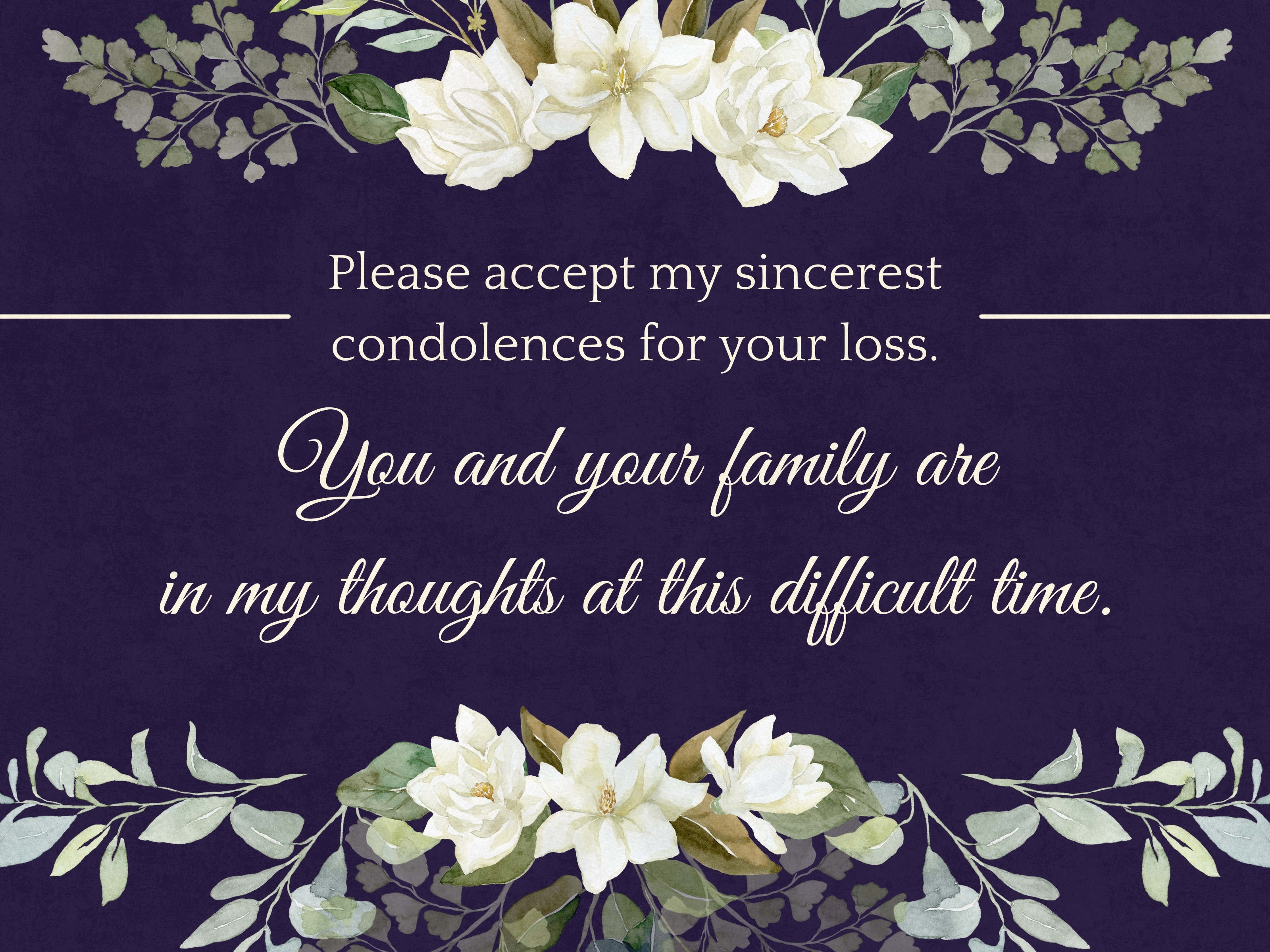
This guide offers more than 90 condolences text messages for different situations, including loss of a parent, spouse, friend, child, pet, coworker, or someone you did not personally know. You will also find guidance on what to say, what not to say, how to offer real support, and how to follow up after the first message.
Why Condolences Text Messages Matter
Text messages are not a replacement for a handwritten card, a phone call, a visit, or practical help. But they are often the first bridge. When someone receives devastating news, they may not be ready to talk. A text gives them comfort without making them perform politeness while their heart is doing emotional backflips.
A good condolence message should do three things: acknowledge the loss, express sympathy, and offer support without pressure. The best messages are usually short, personal, and gentle. Think warm blanket, not TED Talk.
How to Write a Thoughtful Condolence Text
Keep It Simple and Sincere
You do not need dramatic language. “I am so sorry for your loss” remains popular because it works. It is clear, respectful, and hard to misunderstand. Add one personal sentence if appropriate, such as, “Your mom was always so kind to me.”
Use the Person’s Name When You Can
Using the name of the person who died can feel deeply meaningful. It shows that their life mattered and that you are not trying to smooth over the loss with vague language. For example: “I am so sorry about David. He was such a generous person.”
Do Not Demand a Reply
Grieving people may not have the energy to respond. Add a soft line like, “No need to replyI just wanted you to know I’m thinking of you.” This gives comfort without adding another tiny task to their already impossible day.
Offer Specific Help
Instead of “Let me know if you need anything,” try something concrete: “I can drop off dinner on Tuesday,” or “I can help with school pickup this week.” Specific offers are easier to accept because they do not require the grieving person to become project manager of everyone else’s kindness.
90+ Condolences Text Messages for Sympathy and Support
Simple Condolence Text Messages
- I am so sorry for your loss. I am thinking of you and your family.
- My deepest condolences. Sending you love and strength today.
- I do not have the perfect words, but I care about you so much.
- I am heartbroken for you. Please know you are not alone.
- Wishing you peace, comfort, and moments of rest in the days ahead.
- I am so sorry. Holding you close in my thoughts.
- Sending my love during this incredibly difficult time.
- My heart goes out to you and everyone who loved them.
- I am here for you, today and in the days to come.
- No need to respond. I just wanted you to know I am thinking of you.
Short Sympathy Messages
- I am so sorry. Sending you love.
- Thinking of you with a heavy heart.
- My deepest sympathy to you and your family.
- I am here whenever you need me.
- Wishing you comfort and peace.
- You are in my thoughts today.
- Sending strength for the days ahead.
- I am truly sorry for your loss.
- Holding you close in my heart.
- With love and deepest sympathy.
Condolence Messages for the Loss of a Parent
- I am so sorry about your mom. Her love and kindness were so clear in the way you spoke about her.
- Your dad sounded like an incredible person. I am thinking of you and your family.
- Losing a parent is such a deep pain. I am here for you in whatever way helps.
- I know how much your mother meant to you. Sending you love and comfort.
- Your father’s memory will live on through the many lives he touched.
- I am so sorry for the loss of your parent. Please be gentle with yourself.
- I hope you feel surrounded by love as you remember your mom.
- Your dad’s warmth and humor will not be forgotten.
- I am holding you close in my thoughts as you grieve this enormous loss.
- No words can make this easier, but I hope you know I care deeply.
Condolence Messages for the Loss of a Spouse or Partner
- I am so sorry for the loss of your beloved partner. I cannot imagine the pain you are carrying.
- Your love for each other was beautiful to see. I am heartbroken for you.
- Please know I am here for younot just today, but in the weeks and months ahead.
- I am sending you all my love as you grieve someone who meant everything to you.
- There are no words big enough for this loss. I am so deeply sorry.
- I hope you feel surrounded by care as you remember the life you shared together.
- Your partner was deeply loved and will be deeply missed.
- I am here to listen, sit quietly, bring food, or do anything that helps.
- Wishing you comfort in the memories and strength for each difficult hour.
- I am thinking of you with so much love and sorrow.
Condolence Messages for the Loss of a Friend
- I am so sorry about your friend. I know how much they meant to you.
- Friendship like yours is rare and beautiful. I am grieving with you.
- I hope the memories you shared bring comfort when you need it most.
- Your friend’s joy, kindness, and laughter will be remembered.
- I am here if you want to talk about them, cry, laugh, or say nothing at all.
- Losing a close friend is heartbreaking. I am so sorry.
- I know they were more like family to you. Sending all my love.
- May the love you shared continue to bring light in the dark moments.
- I am thinking of you and honoring your friend’s memory with you.
- They were lucky to have your friendship, and you were lucky to have theirs.
Condolence Messages for the Loss of a Child
- I am so deeply sorry. There are no words for a loss this painful.
- Your child was deeply loved and will always be remembered.
- I am holding you and your family in my heart.
- Please know you do not have to carry this grief alone.
- I am here to listen, help, and be present in any way you need.
- Your child’s life mattered, and their memory will always matter.
- I am sending you love beyond words during this unimaginable time.
- No parent should have to face this. I am so, so sorry.
- I will remember your child with love and tenderness.
- I am here for you, even when there is nothing to say.
Religious Condolence Text Messages
- May God comfort you and your family during this difficult time.
- You are in my prayers as you grieve this loss.
- Praying for peace, strength, and comfort for you and your loved ones.
- May God’s love surround you today and always.
- I am praying that you feel held and supported in the days ahead.
- May their memory be a blessing and their soul rest in peace.
- Sending heartfelt prayers for healing and comfort.
- May faith bring you strength when words feel too small.
- I am praying for your family and honoring their beautiful life.
- May you feel God’s presence beside you through this sorrow.
Non-Religious Condolence Text Messages
- I am sending you love, warmth, and comfort during this painful time.
- May the memories you shared bring moments of peace.
- I am thinking of you and wishing you strength for each day ahead.
- Their life made a difference, and their memory will continue to matter.
- I hope you feel surrounded by people who care deeply about you.
- There is no right way to grieve. Take all the time you need.
- I am here to support you in whatever way feels helpful.
- Sending steady love as you move through this loss.
- I hope you find small moments of rest and comfort today.
- The love you shared does not disappear. It remains part of you.
Condolence Messages for a Coworker
- I am so sorry for your loss. Please take all the time you need.
- Thinking of you and your family during this difficult time.
- Please do not worry about work right now. We have things covered.
- Sending my deepest condolences to you and your loved ones.
- I am wishing you comfort and peace in the days ahead.
- We are all thinking of you and sending support.
- I am sorry you are going through this. Please be gentle with yourself.
- Your work family is here for you whenever you are ready.
- May you find strength and support from those around you.
- My heartfelt sympathy to you and your family.
Condolence Messages for the Loss of a Pet
- I am so sorry about the loss of your sweet pet. They were truly family.
- Your pet brought so much love and joy into your life. I know this hurts deeply.
- I will always remember how much happiness they gave you.
- They were lucky to be loved so well by you.
- Losing a pet is losing a loyal friend. I am so sorry.
- Sending love as you grieve your beautiful companion.
- The bond you shared was special and real.
- I hope your memories bring comfort when the house feels too quiet.
- Your pet’s love will always be part of your story.
- I am thinking of you and honoring the joy they brought into your life.
What Not to Say in a Condolence Text
Even kind people can accidentally say things that sting. Avoid messages that minimize the loss, rush the grieving process, or try to explain tragedy. Phrases like “Everything happens for a reason,” “At least they lived a long life,” “They are in a better place,” or “You need to be strong” may sound comforting in your head, but grief does not always receive them that way.
Also avoid comparing their loss to yours. Even if you have experienced something similar, it is better to say, “I am so sorry you are going through this,” than “I know exactly how you feel.” You may know grief, but you do not know their exact grief. Grief is annoyingly personal like that.
How to Offer Real Support After Sending a Sympathy Text
Follow Up After the First Few Days
Many grieving people receive a flood of messages immediately after the death. Then, a few weeks later, the world goes quiet. That silence can be brutal. Put a reminder on your calendar to check in after two weeks, one month, three months, and around meaningful dates.
Send Practical Help
Grief makes ordinary tasks feel like climbing a mountain in flip-flops. Offer to bring food, mow the lawn, walk the dog, handle errands, help with childcare, or sit with them during difficult appointments. Practical help says, “I care,” in a language everyone understands.
Let Them Grieve Their Way
Some people cry often. Some people go quiet. Some people make jokes at strange moments because the human brain is a complicated soup. Do not correct their grief. Support it. Let them talk about the person who died, or let them not talk at all.
Examples of Follow-Up Condolence Texts
- I know the first few days were overwhelming. I am still here and still thinking of you.
- I was remembering your dad today and wanted to send love.
- No need to reply. I just wanted to check in and remind you that you are not alone.
- I can drop off dinner this Thursday if that would help.
- I know this month may be especially hard. I am here for you.
- I would love to hear a favorite story about them whenever you feel like sharing.
- I am going grocery shopping tomorrow. Can I pick up anything for you?
- Still holding you in my thoughts and sending steady love.
Personal Experiences and Lessons About Condolence Messages
One of the most important lessons about condolences is that people rarely remember your exact wording. They remember whether you showed up. They remember the friend who sent a text without expecting a reply. They remember the neighbor who left soup on the porch. They remember the coworker who quietly covered a meeting. They remember the person who said the name of the one who died when everyone else seemed afraid to mention it.
In real life, sympathy messages do not need to sound polished. In fact, overly polished messages can feel distant. A simple text like, “I love you. I am so sorry. I am here,” can be more comforting than a perfectly structured paragraph with the emotional temperature of a corporate newsletter. Grief is not looking for impressive vocabulary. It is looking for presence.
Another experience many people share is the fear of saying the wrong thing. That fear is understandable. Nobody wants to accidentally make someone’s worst day worse. But silence can hurt too. When we disappear because we are uncomfortable, the grieving person may feel abandoned. A short, imperfect, heartfelt message is usually better than no message at all. You can even admit the awkwardness: “I do not know what to say, but I love you and I am here.” That kind of honesty can be deeply comforting.
Timing also matters. The first text is important, but the follow-up is often even more meaningful. In the first week after a death, there may be funeral plans, relatives, paperwork, flowers, food, phone calls, and a strange amount of casserole. Later, when the crowd fades, grief can feel louder. A message sent weeks or months later can land like a hand on the shoulder. Try: “I know everyone’s lives keep moving, but I know your grief did not just disappear. I am thinking of you today.” That message may mean more than you realize.
Specific help is another lesson learned the hard way. “Let me know if you need anything” is kind, but it puts the work on the grieving person. They have to identify a need, decide if it is reasonable, and ask for help. That is a lot for someone who may be struggling to eat breakfast. A better message is direct and simple: “I can bring dinner Tuesday,” “I can drive the kids to practice,” or “I can sit with you while you make calls.” Small tasks can feel enormous during grief, so practical support matters.
It is also worth remembering that humor is not always inappropriate. Gentle humor, when it fits the relationship, can bring relief. If the person who died had a funny habit or favorite joke, sharing a warm memory can be beautiful. The key is tenderness. Do not use humor to dodge sadness. Use it to honor love. A message like, “I keep thinking about how your grandpa always claimed he made the best chili in three states. He really was unforgettable,” can bring a smile through tears.
Finally, condolences are not about fixing grief. That is impossible. They are about companionship. Your message is a small light. It will not remove the darkness, but it can make the room feel less empty. When in doubt, be sincere, be specific, be gentle, and keep showing up.
Conclusion
A thoughtful condolences text message does not need to be long, poetic, or perfect. It simply needs to be honest and kind. Whether you are comforting a close friend, coworker, family member, or neighbor, the best sympathy messages acknowledge the loss, express care, and leave room for the grieving person to respondor not respondhowever they need.
Use the messages in this guide as a starting point, then personalize them with names, memories, and specific offers of help. Grief can be lonely, but your words can remind someone that they are still loved, still supported, and not walking through the hardest days alone.