Nasal Discharge in Dogs: Common Causes and Treatments
A wet dog nose is usually part of the standard canine package, along with joyful greetings and an uncanny ability to hear a cheese wrapper from three rooms away. Nasal discharge is different. A little clear moisture may be normal, but persistent dripping, thick mucus, blood, bad odor, or discharge from only one nostril deserves attention.
A runny nose in dogs is a symptom, not a diagnosis. Allergies, respiratory infections, dental disease, fungi, nasal mites, foreign material, chronic inflammation, and tumors can look surprisingly similar. Color helps, but duration, consistency, odor, related symptoms, and whether one or both nostrils are affected tell a fuller story.
What Does Nasal Discharge in Dogs Mean?
Normal nasal secretions are generally clear, thin, and minimal. They help trap dust before it travels deeper into the respiratory tract. Discharge becomes more concerning when it is frequent, excessive, sticky, discolored, foul-smelling, bloody, or accompanied by illness.
Clear and watery
Thin fluid may appear after exercise, excitement, cool air, or brief contact with dust. It can also occur with environmental allergies or early respiratory disease. Clear does not automatically mean harmless; persistence and additional symptoms matter.
White, yellow, or green
Cloudy or thick mucus suggests inflammation and may contain pus or debris. Yellow or green discharge can accompany bacterial infection, but color alone cannot identify the cause. In dogs, bacteria often take advantage of another problem, such as a foreign body, diseased tooth, fungal infection, or mass.
Pink, red, or bloody
Blood may result from intense sneezing, trauma, foreign material, fungal disease, a nasal tumor, or a clotting disorder. Ongoing bleeding, weakness, pale gums, or breathing difficulty requires urgent veterinary care.
One nostril or both?
One-sided discharge often suggests a localized problem, including a grass awn, tooth-root infection, fungal lesion, or mass. Bilateral discharge is more common with widespread inflammation or respiratory infection. It is a clue rather than a rule because chronic local disease can eventually affect both sides.
Common Causes of Nasal Discharge in Dogs
Irritants and environmental allergies
Smoke, dust, aerosols, scented products, harsh cleaners, and dry air can irritate nasal tissue. Pollen, mold spores, and dust mites may trigger clear discharge and sneezing. Dogs with allergies often also have itchy skin, paw licking, ear trouble, or watery eyes, so veterinarians consider the entire symptom pattern.
Respiratory infections
Canine infectious respiratory disease complex, commonly called kennel cough, spreads readily where dogs gather. Affected dogs may cough, sneeze, develop eye or nasal discharge, lose appetite, or become tired. Canine influenza and, in inadequately vaccinated dogs, distemper are other possibilities. Keep a coughing or sneezing dog away from other dogs until a veterinarian advises otherwise. Puppies, seniors, flat-faced breeds, and dogs with heart, lung, or immune problems may deteriorate faster.
A foreign object
Dogs investigate face-first, so grass seeds, foxtails, splinters, or plant fragments can enter a nostril. Sudden violent sneezing, face pawing, head shaking, and one-sided bloody discharge are classic clues. Do not use tweezers or force liquid into the nose; the object can break or move deeper. Safe removal may require sedation and rhinoscopy.
Fungal rhinitis
Nasal aspergillosis can cause chronic discharge, sneezing, nosebleeds, reduced airflow, facial pain, and ulceration or pigment loss near the nostrils. Some dogs become “head shy” because touching the face hurts. Diagnosis commonly requires imaging, examination of the nasal cavity, and tissue or fungal testing. Treatment uses targeted antifungal therapy and may involve medication placed directly into the nasal passages.
Dental disease
Several upper tooth roots sit close to the nasal cavity. A tooth-root abscess may cause bad breath, facial swelling, sneezing, and one-sided discharge. Severe periodontal disease can create an oronasal fistulaan abnormal opening between the mouth and nose. Discharge after eating or food appearing near a nostril is a useful clue. Dental treatment, not repeated temporary antibiotic fixes, is usually needed.
Nasal mites
Canine nasal mites may cause sneezing, reverse sneezing, facial itching, head shaking, noisy breathing, reduced scenting, discharge, or bleeding. Because many nasal disorders look the same, diagnosis may involve rhinoscopy, nasal flushing, imaging, or exclusion of other causes. Veterinarians prescribe an appropriate antiparasitic treatment when mites are suspected or identified.
Chronic inflammatory rhinitis
Some dogs develop long-term nasal inflammation after infection, foreign material, fungal disease, dental problems, and cancer have been ruled out. Chronic idiopathic or lymphoplasmacytic rhinitis may produce heavy mucus and recurring symptoms. Anti-inflammatory or immune-modifying medication, humidification, and treatment of documented secondary infection may help, but relapses are common.
Tumors, polyps, and structural problems
Nasal growths can cause one-sided discharge, repeated nosebleeds, noisy breathing, facial swelling, or mucus that gradually becomes bloody. Tumors are a greater concern in middle-aged and older dogs, although age alone proves nothing. Cleft palate, trauma, scar tissue, and other structural abnormalities can also disrupt normal drainage. Persistent unilateral or bloody discharge deserves a diagnostic workup.
How Veterinarians Find the Cause
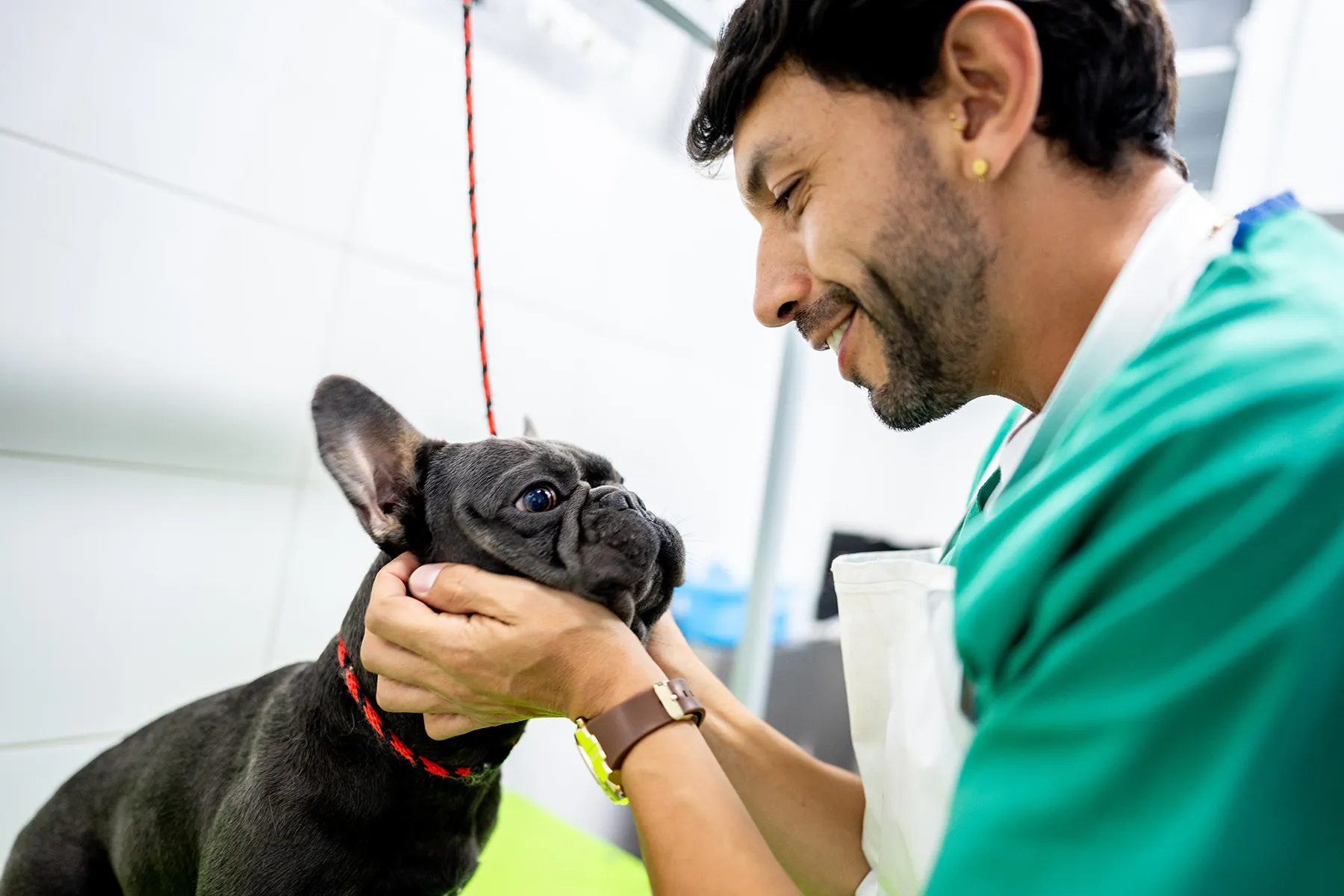
Your veterinarian will ask when the problem began, whether one or both nostrils are affected, and whether the dog recently boarded, visited daycare, hiked through tall grass, coughed, lost weight, or changed eating habits. Photos and videos are useful because dogs occasionally stop performing their symptoms the moment they enter an exam room.
The examination includes the nose, mouth, teeth, eyes, face, throat, lymph nodes, heart, and lungs. Depending on the case, tests may include:
- Blood counts, chemistry testing, urinalysis, and clotting tests
- Respiratory pathogen or regional fungal testing
- Dental X-rays
- CT imaging to evaluate nasal structures
- Rhinoscopy to inspect the passages or remove foreign material
- Biopsy, cytology, or carefully collected samples for culture
A surface swab may not reveal the real cause because normal bacteria can colonize already-damaged nasal tissue. Chronic, painful, bloody, or one-sided cases often require imaging and deeper sampling.
Treatment for a Dog’s Runny Nose
Treatment targets the underlying disorder, not the mucus color. Human cold products can be dangerous and should never be given without veterinary approval.
Irritation, allergies, and infections
Removing smoke, fragrance, aerosols, and known triggers may ease irritation. Allergy treatment depends on the dog’s full history and examination. Mild viral respiratory disease may require rest, hydration, humidified air, nutrition support, and isolation. Antibiotics are appropriate for selected bacterial casesnot every green nose. Dogs with pneumonia, high fever, dehydration, or respiratory distress may need hospitalization and oxygen.
Foreign bodies, fungal disease, and dental causes
Foreign material must be removed safely. Fungal rhinitis needs specific antifungal treatment. Tooth-root disease may require dental X-rays, extraction, cleaning below the gumline, and repair of an oronasal fistula. Correcting the source is what stops the cycle.
Chronic inflammation and tumors
Chronic rhinitis may require long-term symptom control. Nasal tumors can be managed with radiation, surgery in selected patients, oncology medication, or comfort-focused care. Referral to a veterinary internist, dentist, surgeon, or oncologist may be recommended.
Safe Home Care
- Wipe the outside of the nostrils gently with a warm, damp cloth.
- Use a clean cool-mist humidifier nearby and keep it sanitized.
- Offer fresh water, rest, and veterinarian-approved food that is easy to smell.
- Avoid smoke, incense, diffusers, perfume, aerosols, and harsh cleaners.
- Separate a coughing or sneezing dog from other dogs.
- Record the color, affected nostril, odor, frequency, appetite, and breathing changes.
Do not insert cotton swabs, tweezers, essential oils, vapor rubs, human nasal sprays, or decongestants into or near the nose. A canine nostril is not a tiny plumbing project.
When Is Nasal Discharge an Emergency?
Seek emergency care for open-mouth breathing at rest, obvious breathing effort, blue or pale gums, collapse, severe facial trauma, uncontrolled bleeding, rapidly increasing swelling, suspected heatstroke, or seizures. Arrange a prompt appointment for thick or foul-smelling discharge, repeated blood, persistent one-sided drainage, facial pain, appetite loss, lethargy, cough, eye discharge, noisy breathing, reduced airflow, or worsening symptoms. A tiny amount of clear discharge in an otherwise normal dog can be watched briefly, but persistence deserves a call.
Prevention Tips
Keep core vaccines current and discuss lifestyle vaccines for dogs that board, attend daycare, compete, or socialize frequently. Maintain parasite prevention and routine dental care. Avoid tobacco smoke and heavy fragrance. Inspect the face after walks through tall grass, and limit close dog-to-dog contact during respiratory outbreaks. Most importantly, learn what is normal for your dog: a naturally damp nose is not the same as a steady drip.
Conclusion
Nasal discharge in dogs ranges from temporary irritation to significant dental, fungal, respiratory, inflammatory, or cancerous disease. The most useful clues are the complete pattern: clear versus thick or bloody, one nostril versus both, sudden versus chronic, and comfortable breathing versus distress. Because very different conditions can look alike, successful treatment begins with an accurate diagnosis. Persistent, discolored, one-sided, painful, or bloody discharge should be evaluated rather than treated by guesswork.
Real-World Lessons Dog Owners Commonly Encounter
These composite scenarios reflect common veterinary patterns and are not accounts of one specific patient.
The hiking dog with a sudden sneeze storm
A young dog returns from a trail and starts sneezing so forcefully that everyone instinctively ducks. Clear discharge appears from one nostril, followed by pink streaks and persistent face pawing. The owner first suspects pollen, but the abrupt onset and one-sided symptoms prompt a clinic visit. A plant fragment is found deep in the nasal passage and removed under sedation.
The lesson is that timing and laterality matter. Allergies may recur seasonally and often come with itchy skin or watery eyes. A foreign body commonly produces sudden, localized irritation. Owners also learn why home tweezers are risky: the object may break, disappear from view, or move farther inside.
The daycare regular with a cough
A few days after daycare, another dog develops a dry cough, mild clear discharge, and lower energy but still wants dinner. The owner records a video, calls the veterinarian, and cancels playdates. Supportive care is recommended, along with monitoring for fever, poor appetite, worsening cough, or breathing trouble.
The practical lesson is that isolation is part of care when contagious respiratory disease is possible. Owners may focus on medication, but preventing exposure matters too. They also discover that antibiotics are not automatic; treatment depends on severity, risk factors, examination findings, and signs of bacterial complications.
The senior dog with recurring blood
A senior dog develops intermittent discharge from one nostril. It begins as mucus, improves briefly, and returns with blood. Because the dog still eats and plays, the sign is easy to minimize. Later, noisy breathing appears. Imaging and biopsy identify a nasal mass.
The difficult lesson is that normal energy does not erase a persistent local warning sign. Tumors, fungal disease, and chronic inflammation can progress quietly. Earlier evaluation may provide more treatment choices and better symptom control, even when the diagnosis is serious.
The “sinus infection” that begins in the mouth
A small older dog has bad breath, sneezing, and one-sided discharge that worsens after meals. Short antibiotic courses help briefly, but the mucus returns. Dental X-rays reveal a diseased upper tooth and an opening into the nasal cavity. Extraction and repair address the source.
This case teaches that the nose has neighbors. Teeth, eyes, sinuses, throat, and lower airways can all create nasal symptoms. Patterns such as discharge after eating, difficulty chewing, face rubbing, or preference for soft food can guide the workup.
The owner habit that helps most
Organized observation is invaluable. Note when symptoms began, photograph the discharge, identify the nostril, record sneezing or breathing sounds, and list recent boarding, hiking, grooming, travel, or dental changes. These details cannot replace an examination, but they can shorten the path from “something is dripping” to a focused plan. In canine nose mysteries, good notes are usually more useful than heroic wipingand considerably less soggy.