
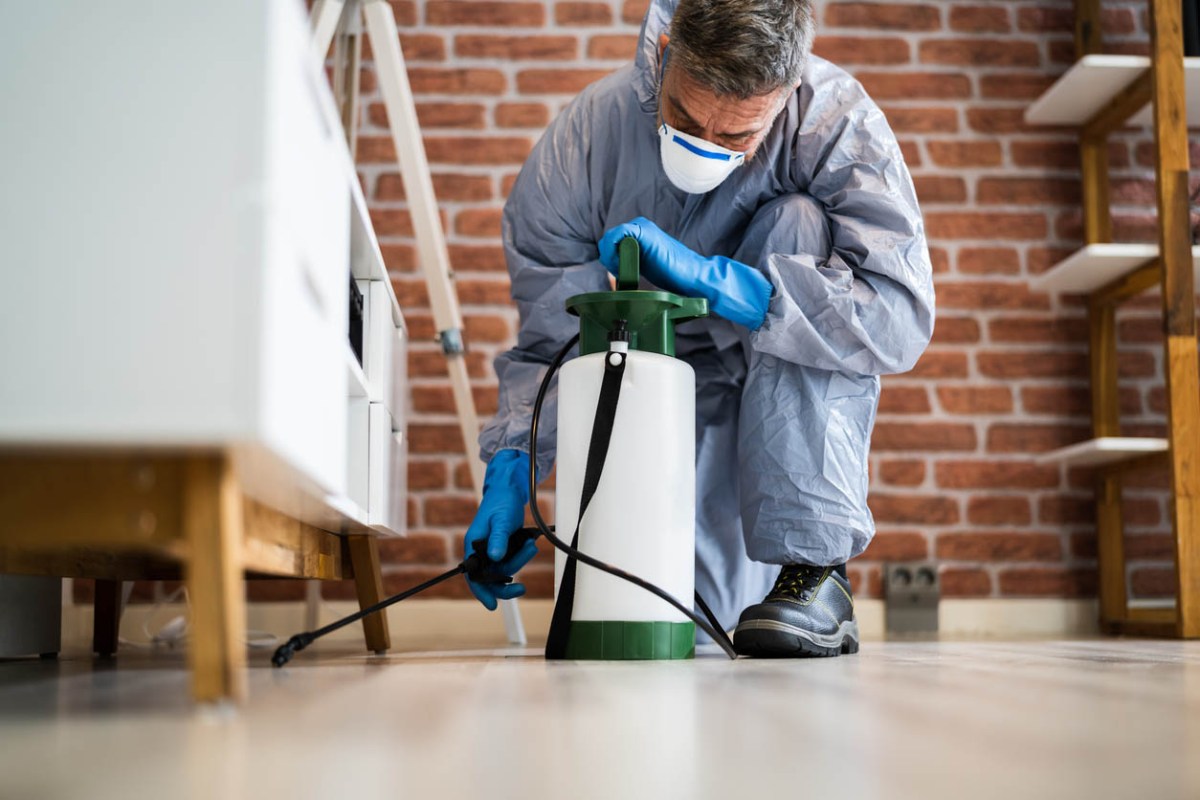
Finding a cockroach under the refrigerator is unpleasant. Finding termites inside a support beam is the kind of discovery that makes a homeowner stare at the wall and reconsider every life choice that led to this moment. Whether the problem has six legs, four paws, wings, whiskers, or the nerve to move into the attic without paying rent, choosing the right pest control company matters.
This guide examines six major names featured in Bob Vila’s pest control roundup: Orkin, Terminix, Ehrlich Pest Control, Critter Control, Aptive Environmental, and Sunday Lawn Care. Each serves a different type of customer. Some offer broad professional extermination, some focus on prevention or wildlife exclusion, and one is designed for homeowners who prefer a careful do-it-yourself approach.
The best choice is not simply the biggest brand or the lowest quote. It is the company that treats the correct pest, serves the property’s location, explains its methods, uses properly licensed technicians, offers sensible follow-up protection, and provides a written plan that does not require an entomology degree to understand.
Best Pest Control Companies at a Glance
| Company | Best For | Notable Strength | Main Limitation |
|---|---|---|---|
| Orkin | Best overall | Extensive technician training and broad pest coverage | Quotes and service details can vary by branch |
| Terminix | Runner-up | Strong termite, general pest, and exclusion services | Plan frequency and availability differ by market |
| Ehrlich Pest Control | Prevention | Year-round protection plans and integrated pest management | Smaller service footprint than the largest national brands |
| Critter Control | Wildlife removal | Humane removal, damage repair, and exclusion work | Guarantees may depend on the local office and project |
| Aptive Environmental | Routine residential service | Large, growing footprint with customized recurring treatment | Specialty-pest coverage is not equally available everywhere |
| Sunday Lawn Care | DIY pest control | Convenient kits for indoor, perimeter, lawn, mosquito, tick, and ant control | Not a substitute for professional treatment of severe infestations |
How We Evaluated the Best Pest Control Companies
A useful pest control comparison should look beyond advertising slogans and heroic photographs of technicians holding flashlights. The most important factors are pest coverage, technician qualifications, treatment strategy, service availability, customer support, guarantees, and the clarity of the quote process.
Pest Identification and Treatment Range
Ants, termites, bed bugs, mice, bats, and raccoons are not variations of the same problem. They require different training, tools, products, safety procedures, and follow-up schedules. A strong provider should identify the species, find the source of activity, explain why the infestation developed, and recommend a targeted response rather than spraying first and asking questions later.
Integrated Pest Management
The best modern pest control programs combine inspection, monitoring, sanitation, moisture correction, entry-point sealing, trapping, habitat changes, and carefully selected pesticide applications. This integrated pest management approach aims to solve the conditions attracting pests instead of treating the visible symptoms alone. In plain English: killing ten ants is less useful than discovering where the other ten thousand are entering.
Licensing, Insurance, and Guarantees
Homeowners should verify that a provider is licensed according to state or local requirements and carries appropriate insurance. The written proposal should identify the target pest, planned treatment, expected number of visits, safety precautions, and guarantee terms. “We’ll take care of it” sounds comforting, but it is not a contract clause.
The 6 Best Pest Control Companies
1. Orkin: Best Overall
Orkin takes the top spot for its combination of experience, national reach, broad pest coverage, and structured technician education. It handles common insects, rodents, termites, bed bugs, mosquitoes, and many region-specific pests for residential and commercial customers.
Training is a major advantage. Orkin states that technicians complete 160 hours of instruction, supported by hands-on facilities and continuing education. Accurate identification matters because carpenter ants, nuisance ants, termites, and wood-boring beetles may damage a home in very different ways and require different treatments.
The Orkin Guarantee generally includes return visits between scheduled services and a 30-day money-back provision, though local terms should be confirmed. Its size can make specialty knowledge and scheduling easier to access, but pricing and service quality may vary by branch.
Best for: Homeowners seeking a widely available, full-service provider with extensive technician training.
2. Terminix: Best Runner-Up
Terminix is a strong choice for general pest control, termite protection, rodent exclusion, mosquito treatment, and selected wildlife services. With more than 95 years in the industry, it combines a large national network with locally delivered treatment.
Under eligible plans, the Terminix guarantee provides additional treatment at no extra charge if covered pests return between scheduled visits. Some markets also offer attic insulation, crawl-space work, and exclusion services that address gaps, moisture, or other conditions attracting pests.
Those extra services can strengthen prevention, but homeowners should separate necessary repairs from optional upgrades when comparing estimates. Service frequency, specialty coverage, and plan terms can differ by location.
Best for: Customers who want recurring pest control, strong termite options, and access to structural prevention services.
3. Ehrlich Pest Control: Best for Prevention
Ehrlich Pest Control stands out for proactive, year-round service. Its PestFree365 and PestFree365+ programs are designed to cover a broad range of common household pests, with current company materials advertising protection from up to 39 pests under qualifying plans.
Routine inspections can uncover moisture, vegetation, cracks, drain issues, and other conditions that invite pests. Ehrlich also promotes GreenPro-certified service, which emphasizes integrated pest management, monitoring, documentation, prevention, physical controls, and thoughtful pesticide use.
The main limitation is geography. Ehrlich’s footprint is smaller than those of Orkin and Terminix, so customers need to confirm local availability and the exact pests included in their plan.
Best for: Homeowners who prefer ongoing prevention instead of waiting for an infestation to announce itself at dinner.
4. Critter Control: Best for Wildlife Control
A mouse in the pantry is a pest problem. A raccoon in the chimney is a wildlife project with opinions. Critter Control specializes in humane wildlife removal, damage repair, sanitation, and exclusion work intended to keep animals from returning.
Depending on the location, technicians may handle raccoons, squirrels, bats, birds, snakes, opossums, and rodents using traps, one-way doors, habitat changes, and physical barriers. The company’s Certified Wildlife Specialist training was developed with input from Michigan State University and Michigan agencies.
A complete project may include sealing vents, repairing soffits, replacing contaminated insulation, or cleaning droppings. Because services and warranties can vary locally, request a species-specific plan and separate terms for removal, repairs, and exclusion.
Best for: Wildlife intrusions that require specialized removal and entry-point repairs.
5. Aptive Environmental: Also Consider
Aptive Environmental is a growing residential provider serving more than 6,000 communities across 37 states. Its recurring service model focuses on customized treatment shaped by regional pests and seasonal pressure.
Programs commonly address ants, spiders, cockroaches, silverfish, stinging pests, and rodents, although termite and specialty-pest services vary by market. Aptive can be practical for homeowners who want routine exterior protection plus targeted indoor treatment when needed.
Before signing, confirm the covered pests, visit schedule, reservice policy, minimum term, and cancellation rules. Recurring service works best when the agreement matches a clearly identified problem rather than a mysterious category called “bugs.”
Best for: Homeowners in covered markets seeking streamlined, recurring residential pest control.
6. Sunday Lawn Care: Best DIY Option
Sunday Lawn Care is not a traditional exterminator. It sells do-it-yourself pest products and kits for indoor spot treatment, perimeter barriers, ants, mosquitoes, ticks, and lawn pests. Plans include application tools, coverage guidance, instructions, and a satisfaction guarantee on qualifying products.
This approach fits preventive treatment, seasonal biting insects, occasional ants, or mild crawling-insect activity. Users must still follow every label direction. “Botanically derived” does not mean a product can be applied casually around children, pets, pollinators, ponds, or food surfaces.
Sunday is not a substitute for professional treatment of termites, widespread bed bugs, inaccessible rodents, dangerous wasp colonies, or wildlife inside a structure.
Best for: Careful DIY homeowners managing limited, clearly identified pest problems.
How to Choose the Right Pest Control Company
Match the Provider to the Pest
Start with identification. Take clear photographs, note where activity occurs, and record signs such as droppings, shed wings, damaged wood, nesting material, odors, or bite patterns. A provider should be able to explain what it believes the pest is and how that conclusion affects the treatment.
Compare Written Quotes
Get more than one estimate for expensive or complex work, especially termites, bed bugs, wildlife exclusion, and structural repairs. Compare the scope rather than the total alone. One quote may include follow-up visits and sealing work, while another covers only the first application.
Ask About Safety and Preparation
Tell the company about children, pets, aquariums, pregnancy, allergies, respiratory sensitivities, edible gardens, and wells. Ask what products will be used, where they will be applied, how long people or pets should avoid the area, and what preparation is required. A competent technician should answer without acting as though the ingredient list is a state secret.
Read the Guarantee Carefully
Confirm which pests are covered, how quickly the company will return, whether re-treatment is free, and whether the guarantee requires an active recurring plan. Termite repair guarantees, wildlife exclusion warranties, and general pest reservice promises are different products with different conditions.
Homeowner Experience: What Professional Pest Control Usually Feels Like
The most revealing part of hiring a pest control company is not the logo on the truck. It is the sequence of small interactions between the first phone call and the follow-up visit. A good experience begins with specific questions. Where did you see the pest? How often? What time of day? Are there pets, children, leaks, recent construction, or neighboring infestations? A rushed representative who jumps directly to a contract without understanding the problem may be selling a schedule rather than solving an infestation.
Imagine a homeowner who notices mouse droppings beneath the kitchen sink. The first technician inspects only that cabinet, places two traps, and leaves. The second checks the foundation, garage corners, utility penetrations, attic insulation, food storage, and exterior vegetation. Both may technically provide “mouse control,” but only one is investigating the full route from outdoor habitat to indoor evidence. The better experience feels less like a quick product application and more like detective work.
Treatment day should also be organized. The technician should identify the products or devices being used, explain preparation steps, point out treated areas, and describe what activity may occur afterward. Ants may remain visible while bait moves through a colony. Rodents may avoid a newly placed trap before accepting it. A wasp nest may require a follow-up inspection. When customers know what normal progress looks like, they are less likely to panic on day two and empty an entire can of grocery-store spray over the professional treatment.
The best service reports are practical. They document pest evidence, entry points, conducive conditions, materials applied, and actions the homeowner should take. Useful advice might include repairing a door sweep, moving firewood away from siding, clearing gutters, storing pet food in sealed containers, fixing a pipe leak, or trimming branches that touch the roof. These recommendations are not glamorous, but neither is discovering that squirrels have converted attic insulation into luxury bedding.
Follow-up separates average pest control from excellent pest management. A company should explain when results will be evaluated and what triggers a return visit. For recurring plans, the technician should inspect and adapt rather than perform the same automatic perimeter spray in every season. Winter rodent pressure, spring ants, summer mosquitoes, and fall overwintering insects are different problems.
Customers can improve the experience by keeping records. Save photographs, invoices, product information, service reports, and dates of new activity. Mark where traps or monitors are placed. When a pest returns, detailed evidence helps the provider adjust the strategy instead of restarting from zero.
Finally, trust your reaction to the sales process. Reasonable urgency is appropriate for termites, bed bugs, dangerous wildlife, or major rodent contamination. Pressure to sign immediately, refusal to provide written terms, unclear cancellation language, or dramatic claims that every crack contains a civilization of insects are warning signs. Professional pest control should reduce anxiety, not use it as bait.
Final Verdict
Orkin is the strongest all-around choice for broad service, training, and availability, while Terminix is an excellent alternative for homeowners who want pest control combined with termite protection and structural prevention. Ehrlich is particularly appealing for year-round preventive service, and Critter Control is the specialist to consider when the intruder has fur, feathers, scales, or a suspicious talent for opening attic vents.
Aptive Environmental deserves consideration in its growing service area, especially for recurring residential pest control. Sunday Lawn Care is the best fit for capable DIY users dealing with limited, clearly identified problems. The winning company, however, is the one that provides an accurate diagnosis, a transparent written plan, safe application instructions, and meaningful follow-upnot merely the company with the most cheerful cartoon bug on its website.
SEO Tags
Note: This independent article synthesizes publicly available company information and U.S. consumer guidance. Service areas, covered pests, prices, products, guarantees, and contract terms can change and may vary by local branch, so homeowners should verify current details before purchasing service.














