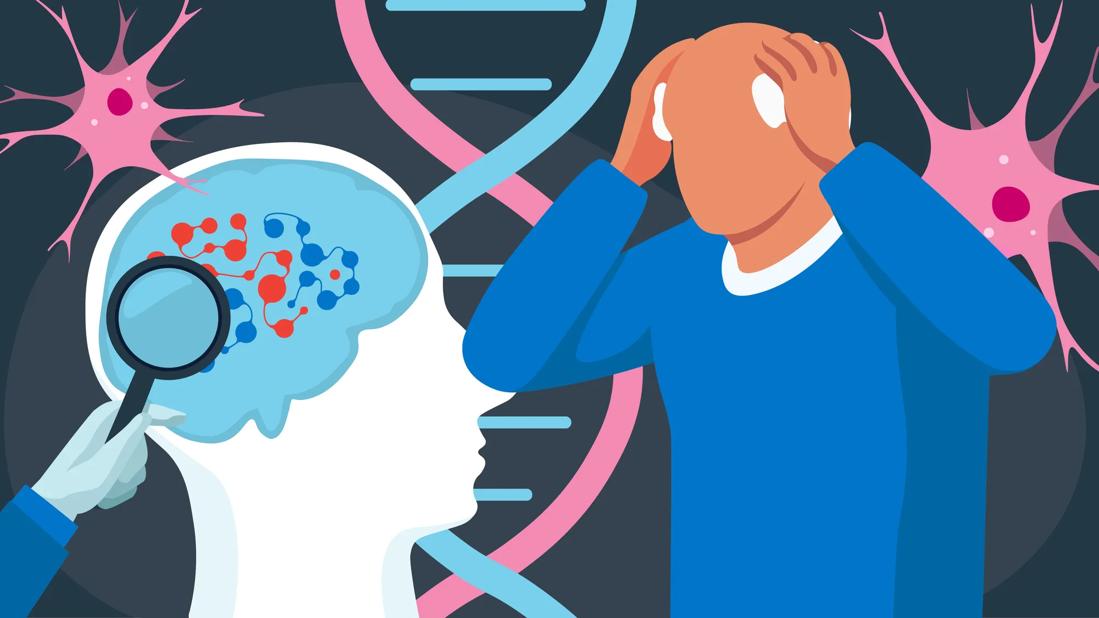
Is dementia hereditary? The honest answer is: sometimes, but not usually in the simple “Grandma had it, so I’m doomed” way many people fear. Dementia can run in families, and genes can influence risk, but most cases are not directly passed from parent to child like eye color, freckles, or your family’s suspiciously strong opinions about potato salad.
Dementia is an umbrella term for a decline in memory, thinking, language, judgment, or behavior that becomes serious enough to interfere with everyday life. Alzheimer’s disease is the most common cause of dementia, but it is not the only one. Vascular dementia, Lewy body dementia, frontotemporal dementia, mixed dementia, and other conditions can also cause dementia symptoms.
The key point: having a family history of dementia may raise your risk, especially if a parent or sibling was diagnosed. But family history is not destiny. Age, heart health, blood pressure, diabetes, sleep, hearing loss, smoking, physical activity, education, social connection, and environmental factors can all play a role. Your genes may help load the dice, but your lifestyle, medical care, and environment still matter a lot.
What Does “Hereditary Dementia” Actually Mean?
When people ask whether dementia is hereditary, they are usually asking one of two questions:
- Will I definitely get dementia because someone in my family had it?
- Can dementia be caused by a gene passed down through families?
The answer to the first question is usually no. A family history can increase risk, but it does not guarantee that you will develop dementia. The answer to the second question is yes, but only in a small percentage of cases. Some rare forms of dementia are strongly genetic and can follow a clear inheritance pattern. Most dementia, however, develops from a complicated mix of age, genes, brain changes, vascular health, and daily-life risk factors.
Dementia vs. Alzheimer’s: Why the Difference Matters
Many people use “dementia” and “Alzheimer’s” as if they are the same thing. They are related, but not identical. Think of dementia as the category and Alzheimer’s as one major item inside that category. Like “dessert” and “cheesecake.” All cheesecake is dessert, but not all dessert is cheesecake. Sadly, dementia is less delicious.
Alzheimer’s disease is linked to abnormal brain changes involving amyloid plaques and tau tangles. It commonly causes memory loss, confusion, trouble planning, and difficulty with daily tasks. Vascular dementia is connected to reduced blood flow to the brain, often related to stroke, high blood pressure, diabetes, or heart disease. Frontotemporal dementia often affects personality, behavior, language, or decision-making before memory becomes the biggest issue. Lewy body dementia may involve visual hallucinations, movement changes, sleep disturbance, and fluctuating alertness.
This distinction matters because hereditary risk is not the same for every type. Some forms of frontotemporal dementia have a stronger genetic pattern than typical late-onset Alzheimer’s disease. Vascular dementia can cluster in families because heart disease, diabetes, high blood pressure, and lifestyle habits can also run in families, but that is not the same as inheriting a single dementia-causing gene.
How Much Does Family History Increase Dementia Risk?
Having a first-degree relative, such as a parent or sibling, with Alzheimer’s disease or another dementia can increase your risk compared with someone who has no close family history. The risk may be higher if more than one close relative has been diagnosed, especially if symptoms began unusually early.
However, “increased risk” does not mean “guaranteed future diagnosis.” Risk is a probability, not a prophecy. For example, if your family history raises your risk, that still leaves room for many other influences. Some people with multiple relatives who had dementia never develop it. Others develop dementia with no known family history at all.
Why? Because families share more than DNA. They may also share diet patterns, activity levels, smoking exposure, sleep habits, stress, access to healthcare, neighborhood conditions, and attitudes toward prevention. If everyone in a family has high blood pressure and nobody likes going to the doctor until a body part actually falls off, dementia risk may rise for reasons that are partly genetic and partly lifestyle-related.
The Genes Most Often Discussed in Dementia
APOE: The Famous Risk Gene
The gene most commonly discussed in Alzheimer’s risk is APOE. Everyone inherits two copies of the APOE gene, one from each parent. There are several versions, including APOE e2, APOE e3, and APOE e4. The APOE e4 version is associated with a higher risk of late-onset Alzheimer’s disease.
Having one APOE e4 copy can increase risk. Having two copies can increase risk more. But APOE e4 is not a crystal ball. Some people with APOE e4 never develop Alzheimer’s disease, while some people without APOE e4 do. In other words, APOE e4 is more like a smoke alarm than a fire. It tells you risk may be higher, but it does not prove disaster is coming.
APP, PSEN1, and PSEN2: Rare Deterministic Genes
A very small number of Alzheimer’s cases are caused by rare mutations in genes such as APP, PSEN1, and PSEN2. These are sometimes called deterministic genes because they can directly cause early-onset familial Alzheimer’s disease. In families with these mutations, symptoms often appear before age 65 and may affect multiple generations.
This kind of Alzheimer’s is rare. Most people who develop Alzheimer’s disease do so later in life and do not have one of these deterministic mutations. Still, if several family members developed dementia at young ages, especially in their 30s, 40s, or 50s, it is worth discussing genetic counseling with a medical professional.
Genes Linked to Frontotemporal Dementia
Frontotemporal dementia, or FTD, can have a stronger hereditary component than typical late-onset Alzheimer’s disease. Some inherited forms of FTD are linked to genes such as MAPT, GRN, and C9orf72. In families with a known FTD-causing mutation, children may have a 50% chance of inheriting that mutation.
That does not mean every case of FTD is inherited. Many are not. But when FTD appears in several family members, especially at younger ages, genetic counseling becomes much more important.
When Dementia Is More Likely To Be Genetic
Dementia may be more likely to have a strong inherited component when:
- Symptoms begin before age 65.
- Multiple relatives across generations had dementia.
- Several family members had similar symptoms, such as early personality changes or language problems.
- A known dementia-causing gene mutation has already been found in the family.
- The pattern looks autosomal dominant, meaning the condition appears in every generation.
By contrast, if one grandparent developed dementia in their late 80s, that may reflect age-related risk more than a strong hereditary pattern. Aging is the biggest risk factor for dementia. Genes matter, but birthdays keep showing up with cake and statistical consequences.
Should You Get Genetic Testing for Dementia?
Genetic testing sounds tempting. A swab, a lab report, and suddenly the future feels knowable. Unfortunately, dementia genetics are not that simple.
Testing for APOE can tell you whether you carry a version associated with increased Alzheimer’s risk, but it cannot tell you whether you will or will not develop dementia. This can create anxiety without providing a clear action plan. Many medical experts recommend genetic counseling before testing, especially because results can affect emotional well-being, family relationships, insurance planning, and decisions about long-term care.
Testing may be more useful when a family has a strong pattern of early-onset dementia or when a known mutation is present. In those cases, a genetic counselor can explain what the test can reveal, what it cannot reveal, and how to prepare for either result.
Good Reasons To Talk With a Genetic Counselor
- You have several close relatives diagnosed with dementia before age 65.
- Your family has a known mutation linked to Alzheimer’s disease or frontotemporal dementia.
- You are considering predictive testing and want to understand the emotional and practical impact.
- You want guidance before using direct-to-consumer genetic testing.
A genetic counselor does not simply hand you a scary chart and leave you alone with your search history. Their job is to help you understand risk, inheritance, testing options, privacy issues, and next steps.
If Dementia Runs in Your Family, What Can You Do?
You cannot change your parents, your genes, or the fact that your family may consider “just a little salt” to mean “make the soup sparkle.” But there are meaningful steps that may support brain health and reduce dementia risk.
1. Protect Your Heart To Protect Your Brain
Brain health and heart health are deeply connected. High blood pressure, diabetes, high cholesterol, stroke, and heart disease can increase the risk of cognitive decline. Managing these conditions is one of the most practical things you can do. Regular checkups, prescribed medications, healthy eating, and physical activity are not glamorous, but neither is forgetting where you parked every Tuesday.
2. Move Your Body Regularly
Physical activity supports blood flow, mood, sleep, balance, and metabolic health. You do not have to train like an Olympic athlete. Walking, swimming, cycling, gardening, dancing, strength training, or climbing stairs all count. The best exercise is the one you will actually do more than twice before abandoning it like a New Year’s resolution in February.
3. Manage Blood Sugar and Blood Pressure
Diabetes and high blood pressure can damage blood vessels, including the small vessels that nourish the brain. If dementia risk worries you, do not ignore those “boring” numbers at the doctor’s office. Blood pressure, A1C, cholesterol, and weight trends may not be thrilling dinner conversation, but they are useful clues about long-term brain health.
4. Take Hearing Loss Seriously
Hearing loss is increasingly recognized as an important dementia risk factor. When hearing becomes difficult, the brain works harder to decode sound, and people may become less socially engaged. If you keep saying “What?” and pretending you heard the answer, it may be time for a hearing check.
5. Sleep Like Your Brain Has a Night Shift
Sleep helps the brain reset, regulate inflammation, consolidate memory, and recover from daily stress. Poor sleep, untreated sleep apnea, and chronic insomnia can affect attention and thinking. If you snore loudly, wake up gasping, or feel exhausted after a full night in bed, talk to a healthcare provider.
6. Stay Social and Mentally Active
Social connection, learning, hobbies, volunteering, reading, music, puzzles, and meaningful work may help build cognitive reserve. Cognitive reserve is the brain’s ability to cope with changes and keep functioning. It is like having a backup generator, except instead of powering a refrigerator, it helps power memory and problem-solving.
7. Avoid Smoking and Limit Alcohol
Smoking damages blood vessels and increases dementia risk. Excessive alcohol can harm the brain directly and contribute to falls, poor sleep, high blood pressure, and other risks. If quitting smoking or reducing alcohol feels hard, that is not a character flaw. It is a reason to ask for support.
Early Signs of Dementia Worth Checking
Everyone forgets things. Walking into a room and forgetting why you came in is practically a national pastime. But dementia symptoms are more persistent and disruptive than ordinary forgetfulness.
Signs worth discussing with a doctor include:
- Memory problems that interfere with daily responsibilities.
- Getting lost in familiar places.
- Repeating the same questions frequently.
- Difficulty managing bills, medications, or appointments.
- Personality or behavior changes that are unusual for the person.
- Problems with language, such as struggling to find common words.
- Poor judgment, unsafe driving, or increased confusion.
Early evaluation matters because not every memory problem is dementia. Depression, thyroid disease, vitamin B12 deficiency, medication side effects, sleep disorders, infections, alcohol use, and stress can all affect thinking. Some causes are treatable. That is why “wait and worry” is not the best medical strategy, even if it is a very popular hobby.
How Doctors Evaluate Dementia Risk and Symptoms
A healthcare provider may begin with a medical history, family history, medication review, physical exam, and cognitive screening. Blood tests may be ordered to check for reversible causes of memory problems. Depending on symptoms, a doctor may recommend brain imaging, neuropsychological testing, or referral to a neurologist, geriatrician, memory clinic, or genetic counselor.
Family members can help by writing down examples of changes they have noticed. Specific details are more useful than general comments. “Mom forgot three bill payments and got lost driving to her usual grocery store” is more helpful than “Mom is acting weird.” Doctors appreciate specifics. They are trained professionals, not psychic detectives with stethoscopes.
Common Myths About Hereditary Dementia
Myth 1: If My Parent Had Dementia, I Will Definitely Get It
False. A parent’s diagnosis may increase your risk, but most dementia is not inherited in a guaranteed way. Your personal risk depends on many factors, including age, health conditions, lifestyle, and the specific type of dementia in your family.
Myth 2: If I Do Not Have a Family History, I Am Safe
Also false. Many people with dementia have no obvious family history. Age remains the strongest risk factor, and modifiable health risks still matter.
Myth 3: Genetic Testing Gives a Clear Yes-or-No Answer
Usually false. For common late-onset Alzheimer’s disease, genetic testing often gives risk information, not certainty. Testing is more clear-cut in rare families with known deterministic mutations, but even then, counseling is essential.
Myth 4: There Is Nothing You Can Do
Definitely false. While no prevention strategy guarantees a dementia-free life, many habits that support the heart also support the brain. Managing blood pressure, staying active, treating hearing loss, sleeping well, avoiding smoking, and staying socially connected are practical steps.
Experiences and Real-Life Lessons: Living With Dementia Risk in the Family
When dementia appears in a family, it often changes the emotional weather of the entire household. One person receives the diagnosis, but everyone starts checking their own memory like it is a suspicious engine light. You forget a neighbor’s name and suddenly wonder whether you are seeing the first sign of Alzheimer’s. You misplace your phone, then find it in your hand, and your brain immediately opens a courtroom drama titled Is This How It Starts?
For many families, the hardest part is uncertainty. Watching a parent decline can make adult children feel as though they are looking into a possible future. But it helps to separate fear from facts. A family history is useful information, not a sentence. It can motivate earlier checkups, better heart-health habits, and more honest conversations about aging. It can also encourage families to document medical history more carefully. Knowing whether a relative had Alzheimer’s, vascular dementia, frontotemporal dementia, Parkinson’s disease dementia, or another condition can make a real difference.
One common experience is guilt. Adult children may wonder whether they should have noticed symptoms sooner or done more. Caregivers may feel frustrated when a loved one repeats questions, refuses help, or becomes suspicious. These feelings are normal. Dementia caregiving can be emotionally exhausting because the person you love is still there, but the disease keeps changing the rules of the relationship. Patience matters, but so does caregiver support. Nobody wins a medal for burning out silently.
Another lesson families often learn is that practical planning is an act of love, not pessimism. Conversations about advance directives, financial access, driving safety, medication management, home safety, and long-term care are easier before a crisis. Yes, these conversations can feel awkward. Nobody enjoys saying, “Pass the mashed potatoes, and also, who has durable power of attorney?” But planning early can prevent confusion, conflict, and rushed decisions later.
Families also discover that small routines can preserve dignity. Labels on drawers, simplified calendars, automatic bill payments, medication organizers, familiar walking routes, and calm communication can reduce stress. Correcting a person with dementia harshly usually backfires. If someone insists that an event from 30 years ago happened yesterday, arguing may create more distress than clarity. A gentler response often works better: acknowledge the feeling, redirect the conversation, and keep the environment calm.
For people worried about hereditary dementia, the most empowering experience is shifting from panic to prevention. You may not control your DNA, but you can schedule a physical, treat high blood pressure, move your body, address sleep problems, wear hearing aids if needed, eat in a brain-supportive way, and stay socially engaged. These actions are not magic shields, but they are meaningful. They also improve quality of life right now, which is a pretty good bonus.
It is also worth talking openly with relatives. Ask what diagnoses family members actually received, how old they were when symptoms started, and whether anyone had genetic testing. Families sometimes say “dementia” when they mean stroke-related cognitive decline, medication confusion, depression, or normal aging. Details matter. A clear family medical history can help your doctor decide whether you need routine risk management, cognitive screening, or referral to a specialist.
Most of all, families learn that dementia risk should be taken seriously, but not fearfully. The goal is not to spend your life scanning every forgotten password for doom. The goal is to become informed, proactive, and compassionate toward yourself and the people you love.
Conclusion: So, Is Dementia Hereditary?
Dementia can be hereditary, but most cases are not directly inherited in a simple, guaranteed way. Family history can increase risk, especially when close relatives are affected or symptoms begin early. Rare gene mutations can cause early-onset familial Alzheimer’s disease or inherited frontotemporal dementia, but these cases represent a small share of overall dementia.
For most people, dementia risk is shaped by a mix of genetics, aging, medical conditions, and lifestyle factors. The smartest response is not panic. It is awareness. Learn your family history, talk with your doctor, consider genetic counseling if there is a strong pattern of early-onset dementia, and focus on brain-healthy habits that also support your heart, sleep, mood, and independence.
Editorial note: This article synthesizes information from reputable medical and public-health sources, including the National Institute on Aging, CDC, MedlinePlus Genetics, Mayo Clinic, Cleveland Clinic, Alzheimer’s Association, UCSF Memory and Aging Center, FDA-related genetic testing guidance, Harvard Health, and other U.S.-based medical references. It is educational content and is not a substitute for professional medical advice, diagnosis, or treatment.