There are few pantry plot twists more dramatic than reaching for a jar of honey and discovering that your golden drizzle has turned into a cloudy, grainy, spoon-bending brick. Do not panic. Your honey has not betrayed you. It has not expired, spoiled, or joined a secret rock-collecting club. It has simply crystallized, which is one of the most normal things real honey can do.
Crystallized honey is safe to eat, easy to rescue, and surprisingly useful in its thicker form. In fact, many honey lovers prefer it because it spreads neatly, tastes concentrated, and does not run off toast like a tiny amber waterfall. The trick is knowing when to warm it, when to leave it alone, how to store it, and how to use every last sticky drop without sacrificing flavor or quality.
This guide explains why honey crystallizes, how to decrystallize honey the right way, what not to do, and how to turn that grainy jar into breakfasts, marinades, baked goods, drinks, and clever kitchen wins.
Why Honey Crystallizes in the First Place
Honey is a supersaturated sugar solution, which is a fancy way of saying it contains more sugar than water can comfortably keep dissolved forever. The main natural sugars in honey are glucose and fructose. Glucose is less soluble than fructose, so it tends to separate from the liquid and form tiny crystals over time. Those crystals multiply, link up, and eventually transform smooth honey into a thick, cloudy, sometimes crunchy spread.
This is not a flaw. It is chemistry doing what chemistry does best: being mildly inconvenient before breakfast.
Some Honeys Crystallize Faster Than Others
The speed of crystallization depends on the floral source, sugar ratio, moisture level, storage temperature, and how much pollen or natural particles remain in the honey. Clover, alfalfa, dandelion, and wildflower honeys often crystallize faster because they may contain a higher proportion of glucose. Tupelo, acacia, and sage honeys usually stay liquid longer because they tend to have more fructose.
Raw and unfiltered honey also crystallizes more quickly than highly filtered honey. That is because pollen grains, beeswax flecks, and other tiny natural particles act like landing pads for crystals. Think of them as the dance floor where glucose molecules gather and start doing the cha-cha.
Is Crystallized Honey Safe to Eat?
Yes. Crystallized honey is safe to eat as long as it smells and tastes normal and has not been contaminated with water, dirty utensils, or food crumbs. Crystallization is a texture change, not a spoilage warning. Honey is naturally shelf-stable because it has low moisture, high sugar concentration, and acidity that make it difficult for many microorganisms to grow.
That said, honey can ferment if too much water gets into the jar. Fermented honey may smell sour, yeasty, alcoholic, or bread-like. It may foam, bubble, or taste unpleasant. If your honey smells like it is auditioning for a brewery, do not use it. But if it is simply pale, grainy, thick, or solid, it is still honeyand still useful.
How to Rescue Crystallized Honey the Right Way
The best way to decrystallize honey is gentle warming. The goal is to dissolve the crystals without overheating the honey. Too much heat can darken the honey, flatten its aroma, and reduce some of the delicate qualities people love in raw honey. You are not trying to boil it into candy. You are giving it a warm spa day.
Method 1: The Warm Water Bath
This is the safest and most reliable method for most home kitchens.
- Make sure the honey is in a glass jar or another heat-safe container.
- Loosen the lid slightly so pressure does not build up.
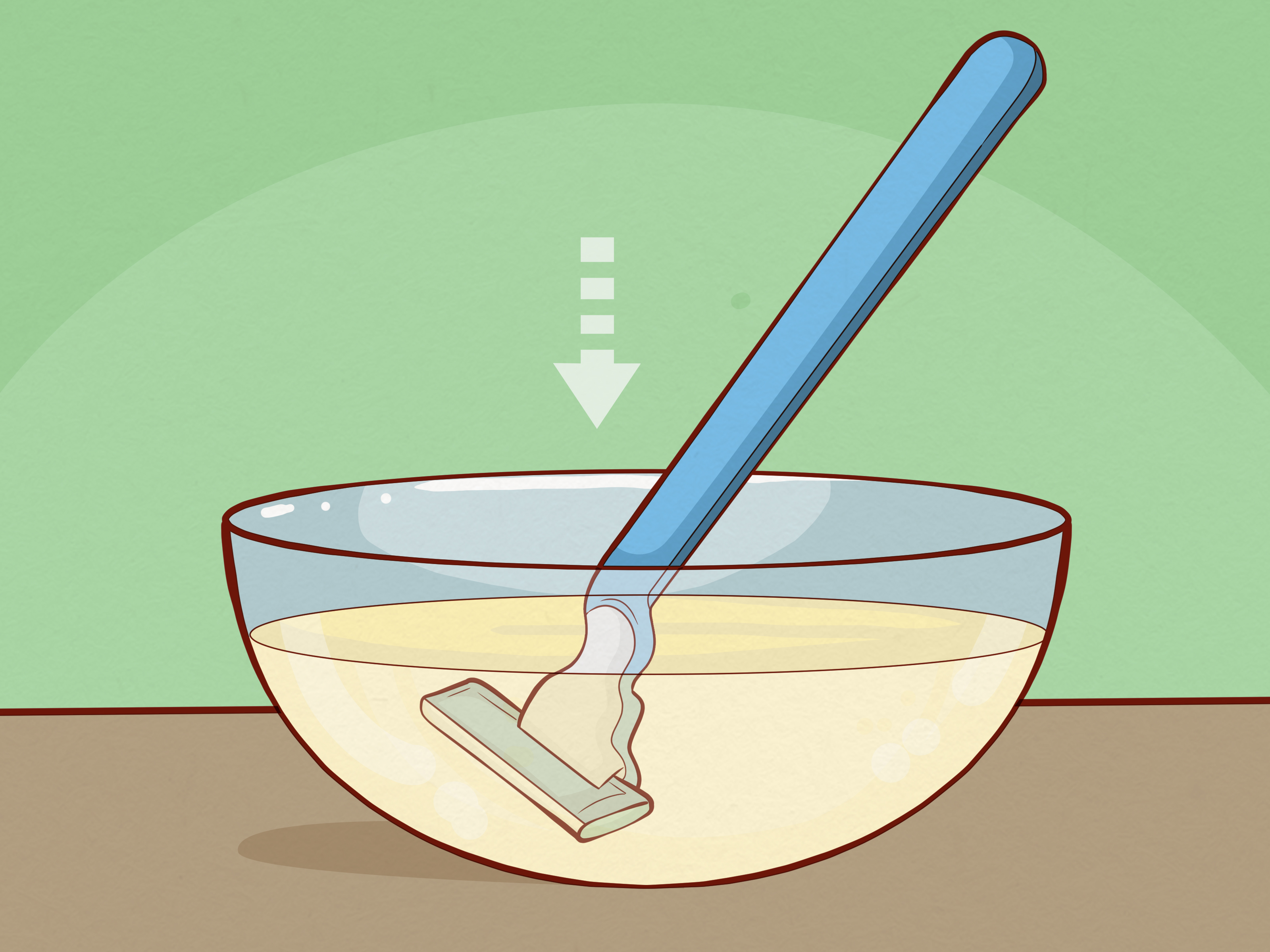
- Place the jar in a bowl or saucepan of warm water.
- Keep the water warm, not boiling. Aim for about 100°F to 110°F.
- Let the jar sit for 20 to 45 minutes, depending on how solid the honey is.
- Stir occasionally with a clean, dry spoon to help the crystals dissolve evenly.
- Replace the water if it cools before the honey softens.
For a large jar that has turned nearly solid, you may need to repeat the process. Patience is part of the recipe. Honey moves at bee speed, not microwave-popcorn speed.
Method 2: Decrystallize Only What You Need
If the whole jar is crystallized but you only need a tablespoon for tea or a glaze, scoop a small amount into a heat-safe bowl and warm that portion. This avoids repeatedly heating the entire jar, which can slowly change the flavor and color over time.
This method is especially smart for raw honey, specialty honey, or expensive local honey that deserves better than being repeatedly warmed like leftovers with commitment issues.
Method 3: Use a Sunny Windowsill Carefully
A warm, sunny windowsill can soften a jar of honey gradually. This works best on a mild day, not in blazing heat. Place the jar where it gets gentle warmth, rotate it occasionally, and stir when it loosens. Avoid leaving honey in direct heat for hours if the jar becomes hot to the touch.
This method is slower, but it is wonderfully low effort. The honey gets a sunbath. You get liquid honey. Everyone wins.
What Not to Do With Crystallized Honey
Do Not Boil It
Boiling honey is the fastest way to damage its flavor. High heat can make honey darker, more bitter, and less aromatic. It can also reduce some heat-sensitive compounds. Warm is helpful. Boiling is overkill.
Do Not Heat Honey Directly on the Stove
Never place honey directly in a saucepan over a burner unless it is part of a recipe and you are controlling the heat carefully. Direct heat creates hot spots, and honey can scorch. Once scorched, it does not politely return to normal. It sulks permanently.
Be Careful With Plastic Containers
If your honey is in a plastic squeeze bottle, do not place it in very hot water. Plastic can warp, leach unwanted flavors, or soften. For best results, transfer the honey to a clean glass jar before warming it. If it is too solid to transfer, set the plastic container in mildly warm water just long enough to loosen the honey, then move it to glass.
Avoid the Microwave When Possible
The microwave is tempting because it is fast, but it heats unevenly. One pocket of honey may be barely warm while another becomes too hot. If you must use a microwave, warm only a small amount in a microwave-safe bowl at low power for a few seconds at a time, stirring between bursts. For a full jar, the warm water bath is the better choice.
How to Prevent Honey From Crystallizing Too Quickly
You cannot prevent honey from crystallizing forever, especially if it is raw or naturally high in glucose. But you can slow the process with smart storage.
Store Honey at Room Temperature
Keep honey in a pantry or cabinet at normal room temperature. Do not refrigerate it. Refrigeration often speeds crystallization and makes honey stubbornly thick. The fridge is excellent for lettuce, leftovers, and questionable optimism. Honey does not need it.
Keep the Lid Tight
Honey absorbs moisture from the air. Extra moisture can affect texture and increase the risk of fermentation. Always close the lid tightly after use, especially if your kitchen is humid.
Use Clean, Dry Utensils
A wet spoon introduces water. A spoon covered in butter, jam, yogurt, or toast crumbs introduces tiny contaminants. Use a clean, dry spoon or honey dipper every time. This tiny habit protects the whole jar.
Avoid Temperature Swings
Moving honey from cold to warm to cold again encourages texture changes. Choose a stable pantry spot away from the stove, dishwasher, sunny window, or drafty wall. Honey enjoys consistency. It is basically a tiny golden landlord with strict conditions.
How to Use Crystallized Honey Without Melting It
Here is the fun part: crystallized honey does not need to be “fixed” every time. Its thick, spreadable texture can be a kitchen advantage.
Spread It on Toast, Biscuits, and Cornbread
Liquid honey runs. Crystallized honey stays where you put it. Spread it on hot toast, buttered biscuits, English muffins, pancakes, waffles, or cornbread. The warmth softens it just enough, while the crystals add a light crunch. It is like honey decided to become a luxury sugar spread.
Stir It Into Hot Drinks
Crystallized honey dissolves beautifully in hot tea, coffee, cider, or lemon water. Scoop it straight from the jar and stir. No need to decrystallize the whole container first. This is the lazy genius method, and frankly, it deserves applause.
Sweeten Oatmeal, Yogurt, and Smoothie Bowls
A spoonful of crystallized honey adds sweetness and texture to oatmeal, Greek yogurt, granola bowls, cottage cheese, and smoothie bowls. Pair it with berries, walnuts, cinnamon, toasted coconut, or sliced bananas. It turns breakfast into something that looks planned, even if you made it while half-awake and wearing one sock.
Use It in Baking
Crystallized honey works well in muffins, quick breads, granola, cookies, and cakes as long as it is mixed thoroughly. If a recipe depends on smooth blending, gently warm the honey first. When substituting honey for granulated sugar, remember that honey adds moisture, browns faster, and is sweeter by volume. In many baked goods, you can use less honey than sugar, reduce other liquids slightly, and lower the oven temperature by about 25°F to avoid over-browning.
Make Honey Butter
Mix softened butter with crystallized honey and a pinch of salt. Add cinnamon for biscuits, orange zest for pancakes, or a little chili powder for cornbread. The crystals help create a fluffy, lightly textured spread. Store it covered in the refrigerator and let it soften before serving.
Turn It Into a Glaze or Marinade
For chicken, salmon, roasted carrots, sweet potatoes, or Brussels sprouts, crystallized honey melts quickly when whisked with warm ingredients. Combine it with mustard, soy sauce, lemon juice, vinegar, garlic, ginger, or olive oil. Once heat enters the conversation, those crystals disappear and the honey becomes glossy again.
Make Creamed Honey
Creamed honey is honey with controlled crystallization. Instead of large, gritty crystals, it has tiny smooth crystals that make it spreadable and silky. To make a simple version at home, mix a small amount of store-bought creamed honey into liquid honey as a starter, then let it sit in a cool place until it sets. The result is a spread that behaves like frosting but tastes like flowers had a very productive meeting.
How to Get Every Last Drop From the Jar
Honey clings to jars like it signed a lease. When you are down to the sticky edges, do not waste them.
Make a Jar-Shake Vinaigrette
Add olive oil, vinegar, Dijon mustard, salt, pepper, and a splash of warm water directly to the nearly empty honey jar. Screw on the lid and shake until blended. You just turned leftovers into salad dressing and spared yourself one dirty bowl. This is not laziness. This is efficiency wearing an apron.
Mix a Quick Honey Syrup
Add warm water to the jar, close it tightly, and shake until the honey dissolves. Use the syrup in iced tea, lemonade, cocktails, mocktails, fruit salad, or homemade granola. Honey syrup blends into cold drinks better than thick honey.
Sweeten a Sauce Right in the Jar
Add soy sauce, rice vinegar, garlic, ginger, and a little sesame oil to a nearly empty jar for a quick stir-fry sauce. Or add barbecue sauce, hot sauce, and apple cider vinegar for a sweet-spicy glaze. The jar does the measuring for you: just use what is left.
Experience Notes: Real-Life Lessons From the Crystallized Honey Club
The first time many people encounter crystallized honey, they assume something has gone terribly wrong. The jar looks cloudy, the squeeze bottle refuses to squeeze, and the spoon stands upright like a tiny flag of defeat. But after you use crystallized honey a few times, it stops looking like a problem and starts looking like an ingredient with personality.
One of the best uses is on buttered toast. Liquid honey is delicious, but it has a dramatic sense of escape. It slides through holes, drips onto plates, and somehow finds its way to your wrist. Crystallized honey stays put. Spread it over warm sourdough, add a pinch of flaky salt, and the crystals soften into the butter while keeping a faint sugary texture. It tastes more intentional than plain toast and takes about fifteen seconds.
Another practical lesson: do not rescue the whole jar unless you truly need liquid honey. A large jar can recrystallize after warming, especially if it still contains tiny crystals. That is normal. Instead of getting annoyed, scoop out what you need. Warm two tablespoons for a marinade, dissolve one spoonful in tea, or use the grainy honey as a spread. The less you fuss with the full jar, the better the honey tends to taste over time.
Crystallized honey is also a secret weapon for quick breakfasts. Stir it into hot oatmeal with cinnamon and chopped apples, and it melts into the bowl while leaving little sweet pockets. Add it to plain yogurt with roasted nuts and berries, and it gives the texture of a crunchy topping without opening another package. It also works beautifully with peanut butter on toast because the thicker texture keeps the sandwich from becoming a sticky landslide.
For cooking, crystallized honey shines in glazes. A spoonful whisked into warm mustard, lemon juice, and olive oil becomes a fast sauce for roasted carrots or chicken thighs. Add soy sauce and ginger, and it leans savory. Add vinegar and chili flakes, and it turns into a spicy drizzle for pizza or roasted vegetables. Once it warms, nobody will know it started the day as a sugar crystal sculpture.
The biggest experience-based mistake is overheating. People often try to speed things up by using boiling water or long microwave bursts. The honey may liquefy, but it can lose its fresh floral aroma and develop a cooked flavor. Gentle warming takes longer, but the payoff is better. Treat honey like a delicate ingredient, not a stubborn jar of engine grease.
Finally, crystallized honey teaches a useful kitchen mindset: texture changes are not always failures. Bread gets toasted, cream gets whipped, sugar becomes caramel, and honey sometimes becomes spreadable. The jar is not ruined. It is simply offering you Plan B, and Plan B tastes excellent on biscuits.
Final Thoughts: Do Not Toss the Honey
Crystallized honey is normal, safe, and often delicious. If you want it liquid, use a warm water bath and gentle patience. If you do not mind the texture, spread it, stir it, bake with it, glaze with it, or turn it into honey butter. Store honey at room temperature in a tightly sealed container, keep water out, and skip the refrigerator.
The next time your honey turns cloudy and grainy, do not send it to pantry jail. Rescue it, use it, and enjoy every last drop. The bees did the hard work. Your job is simply not to panic with a spoon in your hand.
Note: This article is written in original American English and synthesized from reputable food safety, honey industry, agricultural extension, and cooking guidance.