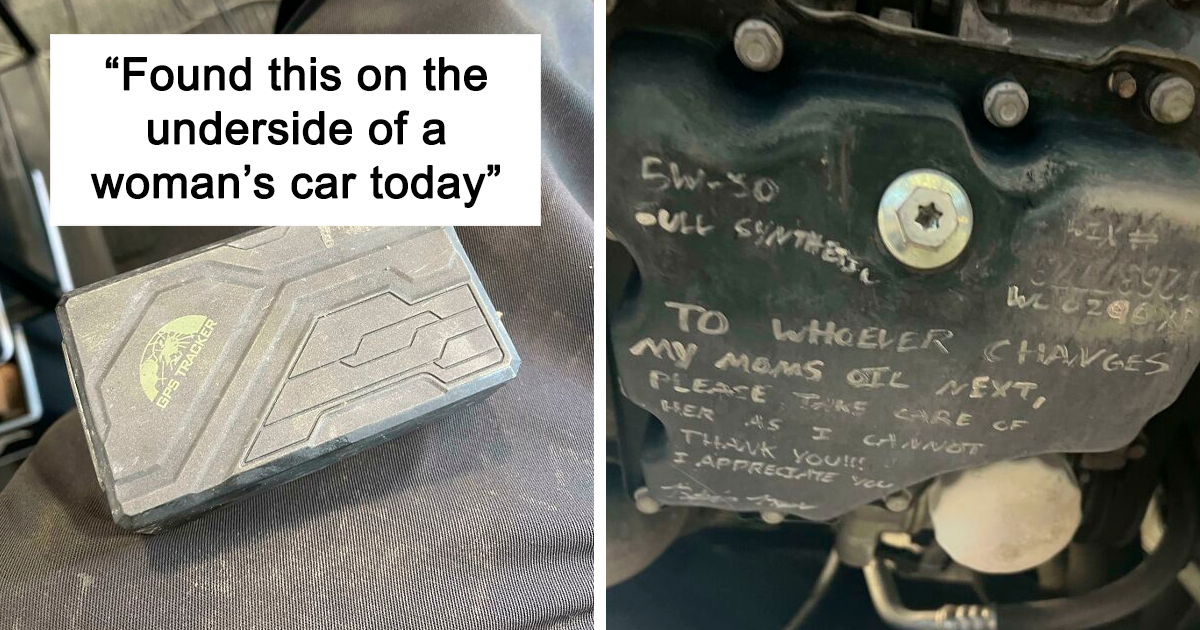
Every mechanic has a story that begins with the same dangerous sentence: “The customer said it just started making a little noise.” A little noise, in shop language, can mean anything from a pebble in a brake shield to a wheel held on by three optimistic lug nuts and a prayer. That is why collections like “50 Pics That Show The Level Of Nonsense Mechanics Have To Deal With” are so entertaining. They are funny, alarming, educational, and occasionally make you want to go outside and apologize to your car.
These photos are not just internet comedy. They reveal a real truth about modern car ownership: many drivers do not notice small problems until those problems become dramatic enough to deserve their own warning soundtrack. Mechanics see the results every daybald tires, mystery fluids, home repairs that look like craft projects, forgotten oil changes, animals nesting in engine bays, and dashboard lights ignored so long they might as well be part of the interior design.
This article breaks down the most common categories of automotive nonsense mechanics face, why these situations happen, and what every driver can learn from them. Laugh first, learn second, and maybe check your tire pressure third.
Why Mechanics Take Pictures in the First Place
Mechanics do not photograph strange repairs because they are bored. Well, not only because they are bored. They take pictures because some vehicle problems are so unbelievable that words alone sound made up. A customer might claim the car “vibrates a little,” and then the technician discovers a tire with cords showing, a suspension arm bent like cooked spaghetti, or a brake pad that has completely left the chat.
Photos protect the shop, educate the customer, and give the technician proof that yes, the raccoon nest in the cabin filter box was real. In an age when vehicles are more computerized, more expensive, and more complicated than ever, pictures also help explain why a repair is necessary. A cracked belt, leaking shock, melted connector, or dangerously rusted frame is much easier to understand when the customer can see it.
Of course, the internet has turned these shop snapshots into a whole genre: funny mechanic photos, car repair fails, weird garage finds, and “just rolled into the shop” moments. The humor works because it is based on reality. Underneath the jokes is a very serious lesson: cars forgive neglect for a while, but they eventually send the billwith interest.
The 50 Types of Nonsense Mechanics Commonly Deal With
Not every shop disaster is the same. Some are caused by neglect, some by bad DIY work, and some by the mysterious human belief that duct tape is a universal engineering language. Here are 50 common examples that explain why mechanics sometimes stare silently into the middle distance before opening the next repair order.
1. Tires So Bald They Look Polished
One of the most common scary mechanic finds is a tire with no visible tread left. Bald tires reduce traction, especially in rain, and make stopping safely much harder. If a tire looks smoother than a bowling lane, it is not “still good for a few more weeks.” It is applying for retirement.
2. The Tire Pressure Light Ignored for Months
Many drivers wait for the tire pressure monitoring system to yell before checking air pressure. The problem is that these systems usually warn only after pressure has dropped significantly. A monthly pressure check is still one of the cheapest ways to prevent tire wear, poor fuel economy, and blowouts.
3. Brake Pads Worn Down to Metal
Mechanics often see brake pads that have worn completely away, leaving metal grinding against metal. That squeal was not the car singing. It was a warning. Once rotors are damaged, the repair becomes more expensive than simply replacing pads on time.
4. Rotors That Look Like Ancient Dinner Plates
Deep grooves, heat cracks, and rusted brake rotors are common in neglected vehicles. A brake system is not the place to practice financial optimism. If stopping distance changes, the pedal feels soft, or grinding begins, the car needs professional attention.
5. Oil That Looks Like Barbecue Sauce
Old engine oil loses its ability to lubricate and protect internal parts. Mechanics regularly drain oil that looks thick, black, and deeply unhappy. Skipping oil changes can lead to sludge, overheating, and engine wear that makes your wallet quietly leave the room.
6. No Oil at All
Worse than old oil is no oil. Some drivers arrive only after the engine begins knocking. By then, the repair may not be an oil change; it may be an engine replacement. A dipstick check takes less than a minute and can save thousands of dollars.
7. The Check Engine Light Covered With Tape
Yes, this happens. Covering a warning light does not fix the problem. It simply turns a diagnostic alert into a surprise party for the mechanic. A steady light should be checked soon; a flashing check engine light can mean a serious misfire or catalyst-damaging condition.
8. The “It Only Smokes Sometimes” Exhaust Cloud
Blue, white, or black smoke can point to oil burning, coolant entering the combustion chamber, or fuel system problems. If your car creates its own weather system, it is time for diagnostics.
9. Mystery Fluids on the Ground
Green, orange, red, brown, or clear puddles all tell different stories. Coolant, transmission fluid, brake fluid, oil, and water condensation are not interchangeable. Mechanics often become automotive detectives, except the crime scene is your driveway.
10. Coolant Systems Filled With Plain Water
Water may seem like a quick fix, but coolant does more than lower temperature. It also helps prevent corrosion and freezing. A neglected cooling system can lead to overheating, damaged hoses, failed thermostats, and expensive engine repairs.
11. Overheating Cars Still Being Driven
One of the most painful mechanic sights is a vehicle that overheated but was driven “just a few more miles.” Those miles can warp cylinder heads, damage gaskets, and turn a small coolant leak into a major engine job.
12. Batteries Held Down With Hope
A battery should be secure. Loose batteries can cause electrical shorts, damaged terminals, and starting problems. If the battery is bouncing around like luggage in a bus aisle, the mechanic is right to be concerned.
13. Terminals Covered in Corrosion
Battery corrosion can interrupt current flow and cause hard starts or electrical issues. Many drivers mistake this for a dead battery when the connection itself is the problem.
14. Wires Twisted Together Like Holiday Decorations
Bad electrical repairs are a mechanic’s nightmare. Random splices, exposed copper, household wire nuts, and mystery switches can create shorts, blown fuses, and fire risks. Vehicle wiring requires proper connectors, protection, and routing.
15. Duct Tape Bodywork
Duct tape can hold many things together temporarily. A bumper at highway speed should not be one of them. Mechanics see bumpers, mirrors, headlights, and trim pieces attached with tape, zip ties, and questionable confidence.
16. Zip Ties Used as Suspension Engineering
Zip ties are useful. They are not control arms, exhaust hangers, brake line retainers, or structural components. If a repair must survive heat, vibration, load, or steering movement, it needs the correct part.
17. Exhaust Repairs Made With Soda Cans
Improvised exhaust patches may look clever until heat, pressure, and vibration destroy them. Exhaust leaks can affect performance, emissions, and cabin safety if gases enter the passenger area.
18. Air Filters Full of Leaves
A dirty engine air filter restricts airflow and can hurt performance. Cabin filters full of leaves, dust, and debris can reduce HVAC efficiency and make the interior smell like a haunted compost bin.
19. Rodent Nests in Engine Bays
Cars parked for long periods can attract mice, squirrels, and other small creatures. Mechanics find nests in air boxes, glove compartments, and under engine covers. Unfortunately, rodents also enjoy chewing wiring, because apparently chaos is delicious.
20. Tools Left Under the Hood
Forgotten sockets, screwdrivers, caps, and rags can damage belts, fans, and pulleys. This is why professional technicians follow careful inspection habits before closing the hood.
21. Lug Nuts Installed Incorrectly
Loose lug nuts, missing lug nuts, cross-threaded studs, and over-tightened fasteners are all common shop discoveries. Wheels require proper torque. “Really tight” is not a measurement.
22. Wheels Installed Backward or Wrong Size
Incorrect wheel fitment can cause vibration, rubbing, bearing stress, and unsafe handling. Mechanics often see wheels chosen for style first and compatibility second, which is backwards in every sense.
23. Tires Mounted in the Wrong Direction
Directional tires are designed to rotate a specific way. Mounted incorrectly, they may not channel water properly. That arrow on the sidewall is not decorative.
24. Mixed Tire Sizes on All-Wheel Drive Cars
All-wheel drive systems can be sensitive to tire diameter differences. Mismatched tires may stress driveline components. Saving money on one tire can become a much larger repair later.
25. Windshield Wipers That Are Mostly Metal
Wiper blades are inexpensive compared with scratched glass and poor visibility. If the rubber is gone and the metal frame is doing interpretive dance on the windshield, replace the blades.
26. Headlights So Cloudy They Look Frosted
Clouded lenses reduce nighttime visibility. Cleaning or restoring headlights can improve safety, especially on older vehicles. Driving blind is not a maintenance strategy.
27. Brake Fluid That Has Never Seen Fresh Air
Brake fluid absorbs moisture over time, which can reduce performance and contribute to corrosion. Mechanics notice neglected fluids because they often come with poor pedal feel and worn components.
28. Transmission Fluid That Smells Burnt
Burnt fluid can suggest overheating or internal wear. Transmission issues rarely become cheaper by waiting. Strange shifting, slipping, or delayed engagement deserves attention.
29. Power Steering Groans Ignored Until Failure
Whining sounds while turning may point to low fluid, leaks, or pump problems. Mechanics often find owners topping off fluid repeatedly without fixing the leak.
30. Suspension Parts Hanging by a Thread
Broken springs, leaking struts, worn ball joints, and torn bushings can make a car unstable. If the steering feels loose or the vehicle clunks over bumps, it is not “just personality.”
31. Rust So Bad the Lift Gets Nervous
Rust is more than ugly. Severe corrosion can weaken frames, brake lines, suspension mounts, and exhaust systems. Mechanics must be careful lifting heavily rusted vehicles because the structure may not be safe.
32. Fuel Leaks Treated Like Minor Inconveniences
Fuel smells should never be ignored. Leaks can create fire risks and need immediate inspection. “It only smells like gas after I park” is still not a comforting sentence.
33. Aftermarket Accessories Wired Into Everything
Light bars, stereos, alarms, chargers, and dash cameras can be installed safely. They can also be installed like a spaghetti crime scene. Poor accessory wiring causes many electrical headaches.
34. Wrong Fluids in Wrong Places
Washer fluid in coolant tanks, oil in brake reservoirs, transmission fluid in the wrong transmissionmechanics have seen it all. Vehicle fluids are specific for a reason. When unsure, check the owner’s manual before pouring.
35. Spark Plugs Overdue by a Decade
Old spark plugs can cause misfires, rough idle, poor fuel economy, and hard starts. Replacing them on schedule is much cheaper than ignoring misfire damage.
36. “Temporary” Repairs That Became Permanent
The problem with temporary repairs is that they often become part of the family. A quick patch should be followed by a proper fix, not a five-year anniversary celebration.
37. Interior Clutter Blocking Repairs
Mechanics sometimes cannot reach seats, panels, glove boxes, or trunks because the vehicle is packed like a storage unit. A cleaner car helps technicians work faster and reduces the chance of lost items.
38. Food Left in Cars Long Enough to Evolve
Old food creates odors, attracts pests, and makes any repair unpleasant. Mechanics are trained for engines, not biological archaeology.
39. Pets Riding Without Protection
Pet hair, scratched interiors, and damaged wiring are common, but safety matters more. Unrestrained pets can distract drivers and become injured in sudden stops. A proper pet restraint protects everyone.
40. Warning Sounds Described as “Kind of Like a Goose”
Customers often use creative sound effects to describe vehicle noises. Mechanics appreciate details: when it happens, speed, braking, turning, temperature, and whether the sound changes. Goose impressions are optional.
41. DIY Brake Jobs Without Torque Specs
Brake work requires correct parts, clean surfaces, lubrication points, torque specifications, and inspection. A mistake can create noise, vibration, uneven wear, or dangerous stopping problems.
42. Drain Plugs Stripped by Overconfidence
Oil changes are simple until the drain plug is overtightened, cross-threaded, or rounded off. Then a quick job becomes a repair. Torque matters here, too.
43. Jacking a Car in the Wrong Place
Improper lifting can bend panels, damage underbody components, or create a safety hazard. Mechanics see crushed pinch welds and dented floors from careless jack placement.
44. Cheap Parts That Fail Immediately
Budget parts are not always bad, but the cheapest option can become expensive if it fails early. Critical systems like brakes, steering, suspension, and sensors deserve quality components.
45. Ignoring Recalls
Vehicle recalls exist because a safety or compliance issue has been identified. Checking for recalls and scheduling repairs can prevent serious problems. Many recall repairs are performed at no cost by authorized dealers.
46. The Wrong Diagnosis From Internet Comments
Online forums can be helpful, but they cannot see your vehicle, scan codes properly, or inspect parts. A symptom may have several causes. Guessing can lead to replacing parts that were never broken.
47. Customers Asking for Only Half a Repair
Sometimes drivers ask shops to fix only the visible failure while ignoring the cause. Replacing a worn tire without correcting alignment, for example, may lead to the same problem again.
48. Cars Arriving With No Fuel for Testing
Technicians often need to road-test a vehicle. If the fuel light is on and the tank is nearly empty, diagnosis becomes harder. Bringing a car in with enough fuel is a small courtesy that helps the repair process.
49. “My Friend Already Fixed It”
This sentence can make a mechanic spiritually tired. Sometimes the friend did a great job. Other times, the shop must diagnose the original issue plus three bonus problems created during the attempted repair.
50. The Customer Who Says, “It’s Never Done That Before”
Cars love performing problems at the shop and then pretending nothing happened. Intermittent issues are difficult to diagnose, so videos, notes, and exact conditions help technicians recreate the concern.
What These Funny Mechanic Photos Really Teach Drivers
The funniest mechanic photos usually share one theme: a small issue became large because it was ignored, misunderstood, or repaired incorrectly. That does not mean every driver needs to become a professional technician. It means basic awareness matters.
Modern vehicles rely on sensors, computers, fluids, belts, filters, tires, and high-wear parts that work together. When one system fails, it can affect another. A misfire can damage a catalytic converter. Low coolant can overheat an engine. Uneven tire wear can point to alignment or suspension problems. A weak battery can create confusing electrical symptoms. The mechanic is not being dramatic when they recommend a full inspection; they are trying to find the source, not just the smoke.
Good car care starts with the owner’s manual. It tells you the correct oil, maintenance interval, tire pressure, fluid type, and service schedule. Old rules like “change oil every 3,000 miles no matter what” are not always accurate for modern vehicles, but skipping maintenance entirely is worse. The smartest approach is to follow the manufacturer’s schedule and adjust for severe driving conditions when needed.
Why DIY Car Repair Goes Wrong So Often
DIY repair is not automatically bad. Many drivers successfully replace wipers, bulbs, filters, batteries, and even brake pads when they have the right tools, information, and patience. The nonsense begins when confidence outruns knowledge.
Common DIY mistakes include using the wrong fluid, skipping torque specifications, buying incompatible parts, ignoring safety procedures, and assuming a warning light means the same thing on every car. Modern vehicles may require scan tools, calibration, relearn procedures, and software awareness. Even a battery replacement can involve system resets on some models.
There is no shame in knowing your limits. Replacing a cabin air filter is weekend-warrior territory. Repairing airbags, steering components, high-voltage hybrid systems, advanced driver-assistance sensors, brake hydraulics, or major electrical faults belongs in a professional shop. The best DIY mechanic is not the one who attempts everything; it is the one who knows when to stop before the repair becomes content for the internet.
How to Avoid Becoming the Next Viral Shop Photo
Start with the basics. Check tire pressure monthly. Look at tread depth. Replace wipers before they scrape. Pay attention to new noises, smells, leaks, vibrations, and warning lights. Keep up with oil changes and scheduled maintenance. Do not ignore brake symptoms. Do not drive an overheating car. Do not pour random fluids into random reservoirs. And please, for the love of all torque wrenches, do not tape over the check engine light.
When you visit a repair shop, describe the problem clearly. Tell the mechanic when it happens, how long it has been happening, what changed recently, and whether any work was already done. Bring photos or videos if the symptom is intermittent. A clear explanation saves time and may reduce diagnostic cost.
Also, choose a shop that communicates well. A good mechanic explains what is urgent, what can wait, and what is preventive. They should be able to show you worn parts, provide estimates, and help prioritize repairs. Not every recommendation is an emergency, but safety-related itemsbrakes, tires, steering, suspension, lights, and leaksdeserve immediate respect.
Shop-Floor Experiences: The Human Side of Automotive Nonsense
Anyone who has spent time around repair shops knows the work is part science, part puzzle, and part customer-service theater. A technician may begin the morning diagnosing a no-start condition, move to a brake inspection, then end up removing acorns from an air box because a squirrel decided the engine bay had excellent school districts.
One of the most common experiences mechanics describe is the gap between what the customer reports and what the vehicle reveals. “It makes a slight clunk” may become a loose ball joint. “The air conditioning smells funny” may become a cabin filter packed with leaves, wrappers, and evidence of tiny tenants. “I just need an alignment” may reveal tires worn to cords, bent suspension parts, and a wheel bearing that sounds like a washing machine full of gravel.
The emotional labor is real, too. Mechanics often have to explain expensive news to people who were hoping for a quick fix. That is not easy. Most technicians understand that car repairs can be stressful. They know many drivers delay service because money is tight, time is short, or past repair experiences made them skeptical. The best mechanics are not just parts replacers; they are translators. They turn technical problems into clear choices: fix this now, monitor that, plan for this later, and do not drive on that tire unless your destination is “bad idea.”
There is also a strange kind of comedy in the job. A mechanic may find a sandwich under a seat that has become older than the vehicle’s registration. They may discover a trunk full of bowling balls during a suspension complaint. They may hear a customer imitate a squeak with such passion that everyone in the service bay pauses to appreciate the performance. These moments are funny, but they also build the culture of the shop. Mechanics bond over the bizarre because the work is physically demanding, mentally sharp, and often thankless.
The most valuable experience these shop stories offer is simple: maintenance is a relationship, not a single appointment. A car tells you things. It vibrates, smells, squeals, leaks, hesitates, pulls, and flashes lights. Drivers who listen early usually spend less money and avoid more trouble. Drivers who wait until the vehicle arrives on a tow truck often learn the same lesson at a much higher price.
So the next time you see a gallery of funny mechanic photos, enjoy the absurdity. Laugh at the zip-tied exhaust, the tire that looks like a glazed donut, and the dashboard warning light hidden behind electrical tape. But after laughing, take the hint. Your car does not need perfection. It needs attention, the right fluids, safe tires, functioning brakes, and an owner who does not treat strange noises as background music.
Conclusion
“50 Pics That Show The Level Of Nonsense Mechanics Have To Deal With” is more than a funny title. It is a reminder that mechanics are often the last line of defense between small neglect and major failure. The wildest repair-shop photos may make us laugh, but they also show how easily routine maintenance can turn into chaos when warning signs are ignored.
Cars are complex machines, but responsible ownership does not have to be complicated. Check tires, maintain fluids, listen for changes, follow the service schedule, and ask a professional when the repair is beyond your skill level. That alone can keep your vehicle safer, more reliable, and far less likely to become the next viral example of garage nonsense.
Note: This article is based on real-world automotive maintenance guidance, common repair-shop experiences, and widely reported mechanic observations. It is written for general information and humor, not as a substitute for diagnosis by a qualified technician.