
Yeswith an important asterisk the size of a snack bowl. Whole almonds can fit beautifully into a diabetes-friendly eating pattern because they bring protein, fiber, and mostly unsaturated fat with relatively little carbohydrate. Almond milk can also work, but the carton matters: unsweetened almond milk and a sugar-sweetened vanilla “almond beverage” are nutritional cousins at best, not twins. The difference can be the gap between a quiet drink and a dessert wearing a milk mustache.
For people with diabetes, the goal is not to ban every carbohydrate or find one miracle food. It is to build meals and snacks that support steadier blood glucose, meet nutrient needs, and fit the person’s medication plan, budget, culture, and actual life. Carbohydrates affect blood glucose, while pairing them with protein, fat, or fiber can slow the rise after eating.
The Short Answer: Almonds Usually Get a Green Light
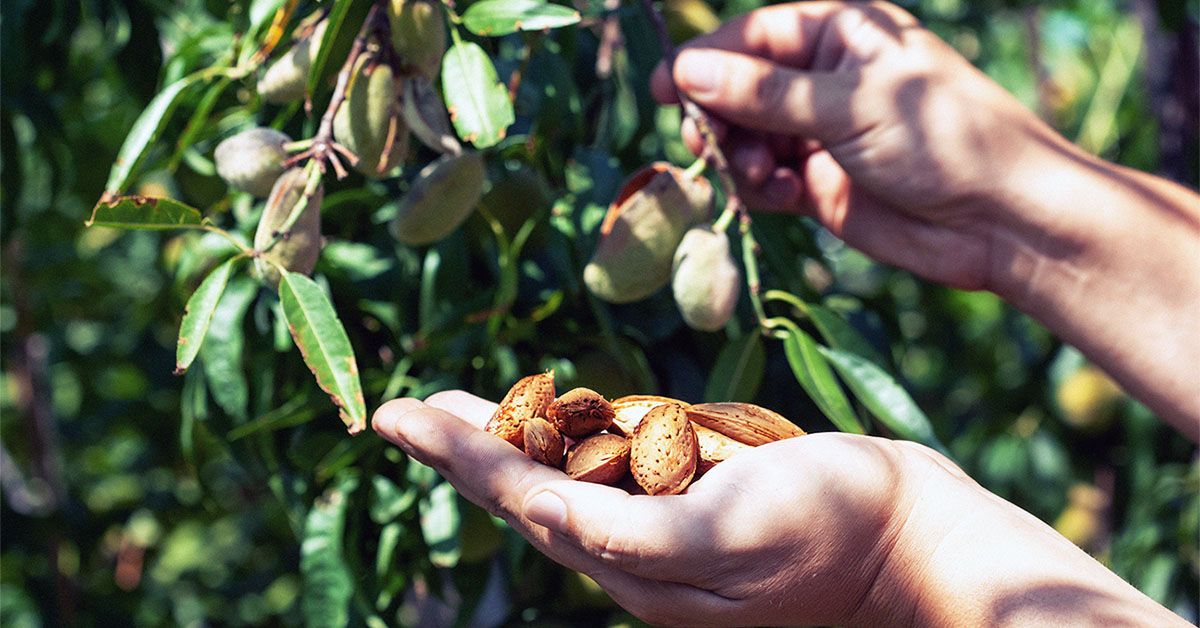
For most people with type 1 or type 2 diabetes who do not have a tree-nut allergy, a measured serving of plain almonds is a nutritious choice. One ounceroughly 23 almonds or a small handfulcontains about 164 calories, 6 grams of protein, 3.6 grams of fiber, and about 6 grams of total carbohydrate. That package is why almonds often feel more satisfying than crackers that vanish faster than a meeting invite on a Friday afternoon.
Almonds are not a blood-sugar antidote, and they do not replace medication, movement, sleep, or medical care. Still, their mix of fiber, plant protein, and unsaturated fats can make them a useful substitute for snacks high in refined starch or added sugar. The American Diabetes Association includes nuts among foods that can provide healthy fats in an overall eating pattern for diabetes management.
Why the nutrition mix matters
Fiber is especially helpful because it is part of total carbohydrate but does not behave like rapidly digested sugar. The ADA notes that higher-fiber foods can support digestion, fullness, cholesterol management, and blood-glucose management. Almonds also contribute magnesium, a mineral involved in glucose metabolism; higher-magnesium dietary patterns are associated with lower type 2 diabetes risk, though that association does not make almonds a treatment by themselves.
Heart health belongs in this conversation, too. Diabetes raises cardiovascular risk, so it is useful that almonds are rich in unsaturated fats and low in saturated fat. A small handful is the operative phrase: nuts are nutrient-dense, but they are also calorie-dense. Think “helpful sidekick,” not “bottomless desk-bowl entertainment.”
What Research Says About Almonds and Blood Sugar
Clinical research on almonds is encouraging but should be read with both eyes open. Some controlled studies have found that adding almonds to an otherwise balanced diet may improve measures such as post-meal glucose, longer-term glycemic markers, body measurements, or blood lipids in people with prediabetes or type 2 diabetes. Reviews of nut research also suggest potential benefits for glucose control and cardiometabolic risk factors.
That does not mean every person will see the same result or that more almonds automatically means more benefit. Studies differ in serving size, participant health, the rest of the diet, and duration. In real life, the biggest win may be practical: replacing a sugary granola bar or a bag of chips with a portioned serving of almonds can improve the overall snack pattern. Adding almonds on top of an already oversized snack, however, is mostly a way to make that snack more expensive.
Do almonds lower the glycemic impact of a meal?
They can help moderate a meal’s glucose response when they are part of a balanced plate, particularly alongside carbohydrate-containing foods. The reason is less mysterious than social-media nutrition makes it sound: protein, fat, and fiber can slow digestion compared with eating a rapidly absorbed carbohydrate by itself. This does not erase the carbohydrate in toast, cereal, fruit, or oatmeal; it simply gives the meal more staying power.
A practical example is oatmeal topped with berries and a tablespoon or two of sliced almonds. The oats and berries still count toward the meal’s carbohydrates, while the almonds add crunch, fat, fiber, and protein. A less helpful example is a giant almond pastry. Its name contains “almond,” but its nutrition profile is still more bakery than blood-sugar strategy.
Almond Milk: Helpful Option or Hype in a Carton?
Unsweetened almond milk can be a reasonable beverage for many people with diabetes because it is generally low in carbohydrate and calories. But it is not nutritionally interchangeable with a handful of almonds. Most commercial almond milk is mostly water, and a cup typically provides only about 1 gram of proteinfar less than dairy milk or soy milk. Fortified versions may add calcium and vitamin D, but the nutrient profile varies by brand.
That makes unsweetened almond milk a good beverage choice, not automatically a good protein choice. In coffee, tea, smoothies, or cereal, it may reduce carbohydrate compared with sweetened drinks. But it will not turn a low-protein breakfast into a satisfying, protein-rich meal. If protein is a priority, compare options with a dietitian or clinician; soy milk often supplies substantially more protein than almond milk.
Unsweetened is the word doing the heavy lifting
When buying almond milk, do not rely on the picture of a smiling almond wearing a yoga-pants aura. Read the Nutrition Facts label. Look at serving size, total carbohydrate, total sugars, added sugars, protein, calories, sodium, and whether the drink is fortified with calcium and vitamin D. The FDA requires added sugars to appear separately on the label, making it easier to distinguish an unsweetened product from a sweetened one.
“Original,” “vanilla,” “barista blend,” “chocolate,” and shelf-stable products can differ dramatically. A sweetened almond milk may add sugar without bringing enough protein or fiber to meaningfully slow the glucose rise. The safest default is plain, unsweetened, fortified almond milk. Then check the actual carton, because recipes and formulations can change faster than grocery-store shelf tags.
How Much Almond Is Reasonable?
For many adults, one ounce of plain, unsalted almonds is a sensible starting portion. Measure it a few times, then use a small container or a snack bowl rather than eating directly from a family-size bag. A full bag turns a perfectly reasonable snack into an accidental calorie marathon. The American Heart Association describes a serving of whole nuts as a small handful or about one ounce.
Choose raw or dry-roasted almonds with little or no added salt and sugar. Honey-roasted, candy-coated, chocolate-covered, and heavily salted versions can still fit occasionally, but they are treats rather than everyday diabetes staples. The almond did not become evil; it just arrived at the party wearing a caramel tuxedo.
Smart ways to use almonds
- Pair a small apple with a measured handful of almonds for a snack with carbohydrate, fiber, and fat.
- Sprinkle sliced almonds over plain Greek yogurt and berries instead of using sweetened granola as confetti.
- Add chopped almonds to roasted vegetables, salads, or grain bowls for crunch.
- Use unsweetened almond milk in coffee, tea, or a smoothie, then make sure the meal includes another protein source.
- Keep single-serve containers in a work bag or car so “emergency hunger” does not always lead to a vending-machine plot twist.
Who Should Be More Careful?
Almonds are not right for everyone. People with a tree-nut allergy should avoid almonds and almond products; tree-nut reactions can be serious and may include breathing problems or anaphylaxis.
People with chronic kidney disease should not assume that a food marketed as “healthy” fits their renal diet. Depending on kidney function, lab values, and dialysis status, potassium and phosphorus can be important considerations. The National Kidney Foundation notes that almonds and other nuts may need portion limits in some kidney diets, while plant-based milks may be lower in potassium and phosphorus than dairy milk unless additives change the picture. Individual advice from a renal dietitian is worth far more than a generic food list.
Finally, anyone who uses insulin or medications that can cause hypoglycemia should keep their established meal and medication plan in view. Almonds do not usually cause low blood sugar on their own, but changing meal timing, carbohydrate portions, or weight-loss intake can alter glucose patterns. Bring recurring highs, lows, or confusing readings to a diabetes care team instead of attempting a pantry-based science experiment.
A Better Way to Think About Almonds in a Diabetes Diet
Almonds are best used as a swap, a topping, or a measured partner to a carbohydrate foodnot as a magical shield. They work well when they help you build a repeatable routine: fewer sugary snacks, more satisfying meals, more fiber, and more intentional portions. Unsweetened almond milk can support that routine, especially for people who prefer a dairy-free drink, but it should be chosen for what it is: a low-carbohydrate beverage, not a miniature bag of almonds liquefied by wizardry.
In other words, whole almonds earn a confident “yes, usually.” Unsweetened almond milk earns a “yes, read the label.” Sweetened almond milk earns a “maybe, but count it like the sweetened drink it is.” That is not glamorous nutrition advice, but it is the kind that survives Tuesday afternoon hunger.
Real-Life Experience: What Often Makes Almonds Easier to Use Well
The examples below are composite, educational scenariosnot personal testimonials, medical advice, or proof that any food will produce the same glucose response for everyone.
The afternoon-snack reset. A common turning point is not dramatic. Someone notices that a sweet coffee drink and a pastry at 3 p.m. lead to a hungry, distracted 5 p.m. Instead of trying to white-knuckle hunger, they start packing a small container of almonds and pair it with fruit or plain yogurt. The change is not “almonds fixed diabetes.” The change is that the snack has more staying power, feels less like a sugar roller coaster, and makes dinner portions easier to manage. The pre-portioned container matters. Eating from a large jar while answering email can turn “a serving” into a mystery novel with no ending.
The breakfast upgrade. Another familiar experience involves oatmeal. Oatmeal can be a useful carbohydrate choice, but a bowl made only with oats, sweetened almond milk, brown sugar, and dried fruit can become much sweeter than intended. A more balanced version might use unsweetened almond milk, fresh berries, cinnamon, and sliced almonds, with eggs or Greek yogurt on the side if more protein is needed. The oats are still there; nobody has to pretend they evaporated. But the meal is more balanced and often more satisfying.
The label-reading surprise. Many people discover that their “healthy almond milk” is vanilla flavored and sweetened. The front label may emphasize plants, calcium, or a pastoral almond orchard, while the Nutrition Facts panel tells the more useful story. Switching to an unsweetened carton may be an easy way to cut added sugar from coffee or cereal without making the food feel like punishment. On the other hand, some people dislike the taste of unsweetened almond milk. That is fine. A diabetes plan that tastes terrible is a short-lived plan, not a moral failure.
The portion lesson. Almonds are satisfying, but they are not calorie-free pebbles. Some people do better by placing an ounce in a bowl, then putting the bag away before sitting down. Others buy single-serve packs or create their own. This is not about being rigid; it is about avoiding the very human tendency to keep crunching while watching television, driving, or solving a spreadsheet problem that clearly requires seventeen more almonds.
The individualized response. People who monitor glucose may notice that a meal with almonds feels different from the same carbohydrate eaten alone, but results vary. Sleep, stress, activity, medication, portion size, and the rest of the meal all matter. The most useful personal experience is curiosity without panic: notice patterns, use the targets given by your care team, and adjust the overall routine rather than declaring one food a hero or a villain after a single reading.
The long-game mindset. The real benefit of almonds and unsweetened almond milk is that they can make a healthier routine more livable. They add crunch, creaminess, and convenience without requiring a complicated recipe or a nutrition degree. When a food helps you enjoy a balanced eating pattern repeatedly, that is far more valuable than any flashy “superfood” promise.












