
Getting your first dog is a little like getting your first smartphone: you’ll swear you’ll be responsible,
and then one day you’ll realize you’ve spent 45 minutes taking blurry pictures of your dog’s nose.
The good news? Choosing a beginner-friendly breed stacks the odds in your favor.
This guide breaks down ten dog breeds that tend to be easier for first-time ownersthink more
“helpful coworker” and less “brilliant chaos gremlin.” You’ll also get practical, rookie-proof tips on
training, grooming, exercise, and choosing the right match for your real life (not your fantasy life where
you jog at sunrise every day).
What “Ideal for First-Time Owners” Actually Means
No dog comes with a “beginner mode” button. But some breeds are more forgiving of first-timer mistakes
like inconsistent training timing, accidentally buying the squeaky toy that sounds like a fire alarm, or
thinking “two walks a day” means “two vibes a day.”
Traits that make a great first dog
- Trainability: Dogs that are eager to learn and respond well to positive reinforcement.
- Stable temperament: Typically friendly, predictable, and not easily rattled.
- Manageable energy: Enough pep to be fun, not so much that your living room becomes a parkour arena.
- Adaptability: Can handle normal household lifevisitors, kids (if you have them), noise, and routine changes.
- Reasonable grooming needs: Either low maintenance, or grooming that’s easy to outsource without taking out a loan.
One important reality check: breed tendencies are real, but individuality is louder.
Early socialization, training, health, and the dog’s background matter a ton. If you adopt, you may
find that an adult dog with an already-known personality is the ultimate “starter dog.”
The Top 10 Beginner-Friendly Dog Breeds
Below are ten breeds that commonly show up in veterinary guidance, responsible breeder resources,
and long-running “best first dog” lists. Each has trade-offsbecause dogs, like humans, refuse to be
conveniently simple.
1) Labrador Retriever
Labs are famous for being friendly, people-oriented, and highly trainable. They tend to bond deeply
with their families and do well in homes that can provide daily activity and play.
Why beginners love them: They usually pick up cues quickly (“sit,” “stay,” “please don’t eat that sock”).
Heads-up: A bored Lab will invent hobbies, and you will not approve of the hobbies. Plan on walks, games, and basic training.
Best fit: Active households, families, people who want a cheerful sidekick for everyday life.
2) Golden Retriever
Golden Retrievers are classic “good neighbor” dogs: sociable, steady, and eager to please. They’re often
recommended for first-time owners who want a family dog that responds well to training and structure.
Why beginners love them: They’re typically patient and motivated by praise, play, and snacks (same, honestly).
Heads-up: They shed. Not “a little.” More like “your couch now has a seasonal coat.”
Best fit: Families, social homes, owners who enjoy training and regular exercise.
3) Poodle (Toy, Miniature, or Standard)
Poodles are smartsometimes comically soand they come in multiple sizes, which means you can match the dog
to your space. Their coat is often better for allergy-sensitive households, though no dog is truly
100% hypoallergenic.
Why beginners love them: Trainability is high, and they thrive with mental stimulationtraining feels rewarding fast.
Heads-up: Grooming is a real commitment. If you don’t want to brush or schedule trims, pick a different breed.
Best fit: Owners who like training, want a low-shedding option, and can keep up with grooming.
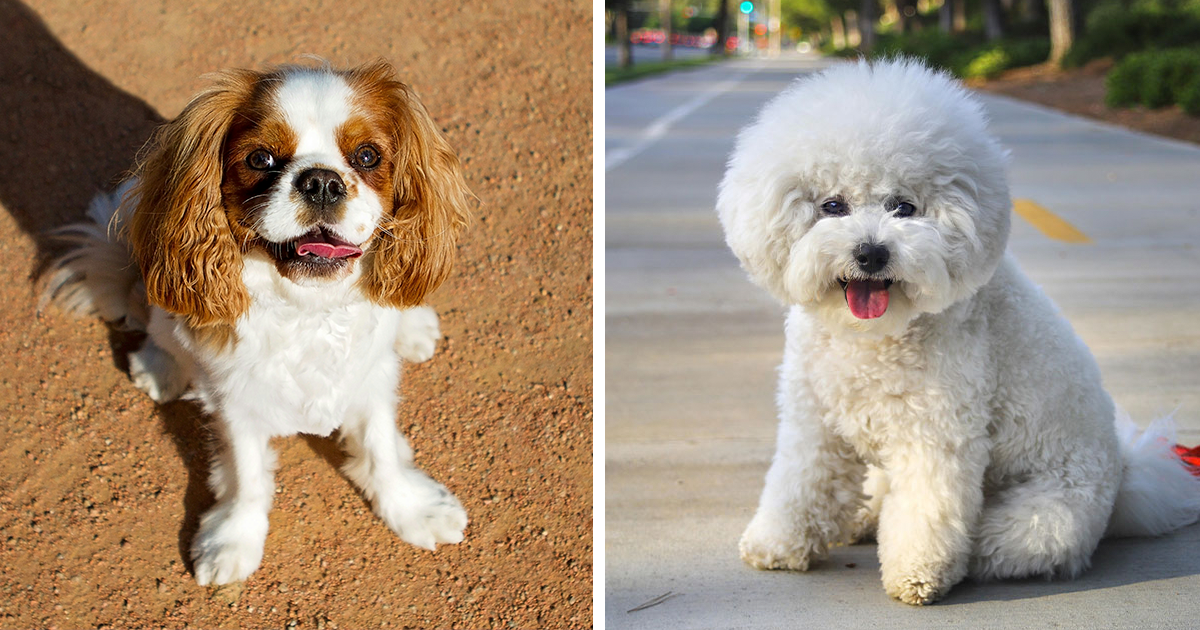
4) Cavalier King Charles Spaniel
Cavaliers are affectionate, adaptable companion dogs that tend to fit into a wide range of households.
They’re often happy with moderate activity and lots of closeness to their people.
Why beginners love them: Gentle vibe, friendly with visitors, and usually not too intense for everyday life.
Heads-up: Many Cavaliers dislike being left alone for long stretches, so plan for company, enrichment, or help.
Best fit: People who want a cuddly companion and can provide steady companionship.
5) Bichon Frise
Bichons are cheerful, people-loving small dogs with a reputation for being fun and affectionate. Their coat
sheds less than many breeds, which is appealing to owners who don’t want tumbleweeds of fur.
Why beginners love them: Small size, friendly temperament, and an “I’m just happy to be here” attitude.
Heads-up: Their fluffy coat needs consistent grooming, or it can mat quickly. Cute is work. Fluffy cute is more work.
Best fit: Apartment dwellers, allergy-aware households, and anyone who wants a social, upbeat dog.
6) Shih Tzu
Shih Tzus were bred to be companions, and they take the assignment seriously. They’re typically comfortable
with shorter exercise sessions and enjoy being part of the household routineespecially the “sit near humans”
routine.
Why beginners love them: Manageable exercise needs and a friendly, playful personality.
Heads-up: Coat care matters. Many owners choose a shorter “puppy cut” to keep grooming realistic.
Best fit: Smaller homes, first-time owners who want a true companion dog, and calmer lifestyles.
7) Papillon
Papillons are tiny athletes. They’re alert, bright, and surprisingly trainableoften excelling in tricks and
agility despite their compact size.
Why beginners love them: Big personality, small package. They’re often happy in apartments if they get play and training.
Heads-up: They’re small and can be fragile around very young children who haven’t mastered “gentle hands.”
Best fit: Owners who want a small dog that can still “do stuff” (training, games, little adventures).
8) Boxer
Boxers are affectionate goofballs with a protective streak and a strong love of peopleespecially their
family. They tend to be playful, interactive dogs that do best when included in daily life.
Why beginners love them: They’re people-focused and often thrive with basic training and routine.
Heads-up: Their energy can be intense in adolescence. Expect a “teenage phase” with bouncy enthusiasm.
Best fit: Active families who enjoy a playful dog and can keep up with exercise.
9) Whippet
Whippets are the introverts of the “fast dog” world: capable of serious zoomies, but frequently happiest
curled up at home. They’re often quiet and gentle indoors.
Why beginners love them: Many Whippets are calm housemates and don’t demand constant stimulation all day.
Heads-up: They need safe, secure exercise opportunities and careful leash habitsprey drive can kick in.
Best fit: People who want a relaxed home companion with daily walks and occasional sprints.
10) Soft Coated Wheaten Terrier
Wheatens are friendly, lively terriers that are often less “pick-a-fight-with-the-mailbox” than some terrier
relatives. They’re energetic enough to be fun, but many do well with consistent training and routine.
Why beginners love them: Social, upbeat, and typically responsive when training is consistent.
Heads-up: They still have terrier spark. Without structure, that spark can become “creative independence.”
Best fit: Owners who want a medium dog, can commit to grooming, and enjoy an active, playful companion.
Quick Matching Guide: Pick the Breed That Fits Your Life
If you live in an apartment
Look for smaller, adaptable breeds with indoor-friendly energy: Cavalier King Charles Spaniel,
Shih Tzu, Papillon, or Bichon Frise. (Yes, small dogs still need
exercise. No, carrying them to the mailbox does not count as cardio.)
If you want a family-friendly “everybody’s dog”
Labrador Retriever and Golden Retriever are popular for a reason: they tend to
be social, trainable, and happy to participate in family life.
If allergies are a concern
A Poodle or Bichon Frise may be a better starting point than heavy shedders.
Still, spend time around the breed before committingindividual reactions vary, and “hypoallergenic” is not a
magic spell.
If your schedule is unpredictable
Consider adopting an adult dog with a known temperament, or choose breeds that are typically more adaptable.
Also, plan support: dog walkers, daycare, or a neighbor who loves dogs (these people are real, and they are treasures).
First-Time Owner Tips That Save Your Sanity
Train the basics early (and keep it simple)
Prioritize: name recognition, leash manners, “sit,” “come,” and “leave it.” These commands prevent the most common
chaos: door-dashing, counter-surfing, and the dramatic sprint toward something suspicious on the sidewalk.
Potty training: be boring, be consistent
Puppies learn routines faster than they learn English. Start with frequent breaks, predictable timing, and reward
immediately after success. If you’re thinking, “This feels like a lot,” yes. Congratulations, you are now in a
committed relationship with your own schedule.
Socialization is not “let everyone pet the puppy”
Real socialization means positive, controlled exposure to people, sounds, surfaces, and calm dogsat a pace your dog
can handle. The goal is confidence, not “meet 47 strangers in one afternoon.”
Choose ethical sources (or adopt responsibly)
Whether you’re working with a breeder or adopting, prioritize health, temperament, and transparency. Meet the dog,
ask questions, and don’t let urgency make decisions for you. The right match now prevents heartbreak later.
Bonus: Real First-Time Owner Experiences (500+ Words)
You don’t need to be a “dog person” to become a great dog person. But first-time ownership comes with a learning
curve that looks suspiciously like a doodle drawn during a stressful meeting. Here are common experiences new owners
reportplus what actually helps when you’re in the middle of it.
1) The “I thought I was getting a dog, but I got a tiny manager” moment
Early on, many new owners realize the dog isn’t just “in the house”the dog is actively running the house. Meals
happen on schedule. Walks happen on schedule. And if you attempt to skip the schedule, your dog will file a formal
complaint (with eye contact). The fix is wonderfully unglamorous: a consistent routine. Dogs relax when they can
predict what’s next, and your brain relaxes when you stop improvising every day.
2) Potty training is less about intelligence and more about logistics
New owners often assume accidents mean the dog “doesn’t get it.” In reality, puppies frequently can’t hold it yet,
and adult rescues may be adjusting to an entirely new environment. The breakthrough usually happens when the owner
stops waiting for “signals” and starts proactively scheduling breaks. It feels repetitivebecause it is. But it also
works. And when it works, you feel like you just won a small but meaningful Nobel Prize.
3) The first walk is a reality show episode
Many first walks involve at least one of the following: your dog freezing like a statue, pulling like a sled dog,
or discovering that every leaf is either a threat or a snack. Beginner-friendly breeds often rebound quickly with
calm repetition. Keep walks short, reward check-ins, and remember: leash skills are learned, not downloaded.
4) Grooming is either a bonding ritual or a surprise hobby you didn’t ask for
Owners of low-shedding dogs (hello, Poodles and Bichons) often discover the “hidden cost” is grooming. The happy
version of this story is building a simple routine: a few minutes of brushing while watching TV, gentle handling of
paws and ears, and occasional professional trims. The stressful version is waiting until the coat mats and then
realizing the groomer is basically a miracle worker with a waiting list. If you’re a first-time owner, pick the
version where you start early and keep it easy.
5) The best purchase is not the fanciest gadgetit’s help
A lot of new owners spend money on toys, beds, and “the one harness that will fix everything.” Sometimes those
purchases help. But the biggest quality-of-life upgrade is often support: a puppy class, a trainer for one session,
or even a trusted dog walker during a busy week. Dogs learn faster with guidance, and you avoid practicing the same
mistakes on repeat. Think of it as buying confidence, not equipment.
6) Your dog will teach you what they need (loudly)
Beginner owners often worry they’ll miss subtle signals. Don’t panicmany dogs are not subtle. Restlessness,
chewing, barking, and “suddenly auditioning for a home renovation show” are common signs of unmet needs. The solution
is rarely punishment. It’s usually: more exercise, more mental stimulation, a clearer routine, or simply preventing
access to trouble. Management is not failureit’s strategy.
7) The day it clicks is ordinaryand that’s the magic
One day you’ll realize your dog waits at the door calmly. They look at you on walks. They settle after play. You’ll
still have goofy moments, of course. But the partnership starts to feel natural. For many first-time owners, that’s
when the stress fades and the fun becomes the main event. You didn’t become perfect. You became consistentand your
dog met you there.
Conclusion
The best dog breed for first-time owners is the one that fits your lifestyle, your space, and your actual daily
energynot the version of you who “definitely hikes every weekend.” Start with breeds known for trainability,
stable temperament, and adaptability. Then do the unsexy stuff: routine, positive reinforcement, and early
socialization.
Pick a dog you can realistically care for, and you’ll get the kind of relationship that makes people say ridiculous
sentences like, “Sorry I’m latemy dog wanted to stare at a squirrel for a while.” And you’ll mean it lovingly.














