
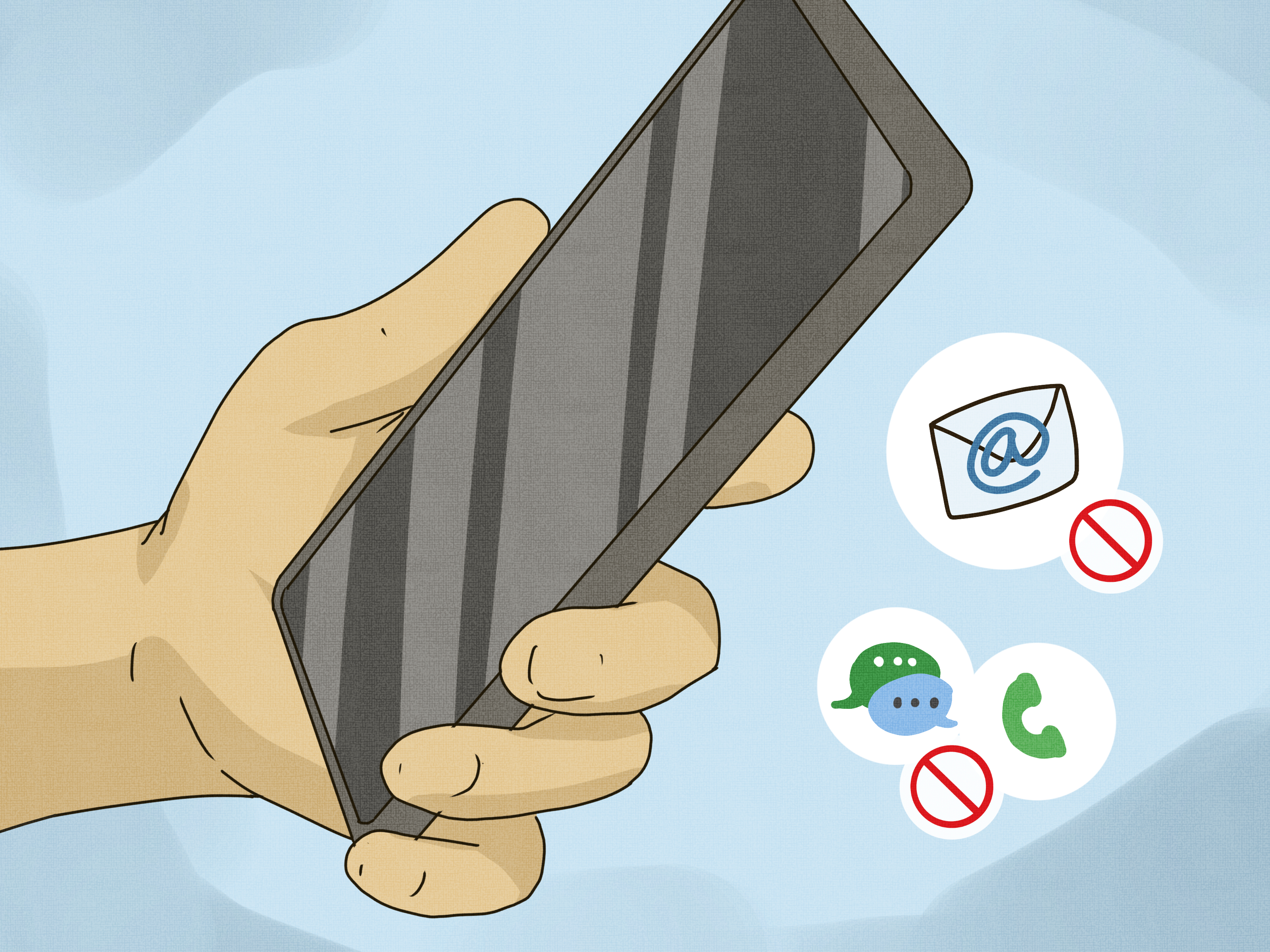
Breaking up with a dismissive avoidant can feel less like ending a relationship and more like trying to untangle a pair of earbuds that have been living in a backpack since 2019. One minute, there is chemistry. The next, there is distance, mixed signals, silence, and the odd feeling that you are somehow asking for too much by wanting basic emotional closeness.
Let’s be clear from the start: this article is not about villainizing people with avoidant attachment patterns. People who lean dismissive avoidant are often protecting themselves the only way they learned how. They may value independence, struggle with vulnerability, pull away during conflict, or act emotionally detached when things get serious. That does not make them bad people. But it also does not mean you have to stay in a relationship that leaves you lonely, confused, or constantly shrinking yourself to keep the peace.
If you have decided to go, the healthiest move is usually not a dramatic showdown, a five-page text, or a final desperate speech delivered at 11:47 p.m. with mascara in one hand and a notes app manifesto in the other. The healthiest move is often calmer, clearer, and more boring. And yes, boring can be beautiful.
This guide walks you through 11 easy ways to leave a dismissive avoidant with your dignity intact, your message clear, and your nervous system a little less fried. You will also find real-world examples, practical breakup tips, and a longer section on the emotional experience of leaving this kind of relationship.
What “Dismissive Avoidant” Usually Looks Like in a Relationship
Before getting into the breakup itself, it helps to understand the pattern. A dismissive avoidant partner may crave connection on some level but become uncomfortable when intimacy, dependence, or emotional needs start feeling too close for comfort. They may downplay feelings, avoid hard conversations, disappear during conflict, keep one foot out the door, or act like the relationship is “fine” while emotionally living on another planet.
That does not mean every distant person has a dismissive avoidant attachment style. Some people are simply unavailable, immature, inconsistent, or not that invested. Either way, your next step is the same: pay attention to behavior, not fantasy. If your needs are regularly dismissed, you do not need a psychological TED Talk to justify leaving.
1. Stop Trying to Win Emotional Bread Crumbs
Decide that inconsistency is your answer
One of the hardest parts of leaving a dismissive avoidant is accepting that the relationship often survives on tiny moments of warmth. A sweet text, a vulnerable comment, an unusually affectionate weekend, and suddenly you think, “See? It’s in there!” Maybe it is. But a relationship cannot run on sightings of emotional availability like it is Bigfoot.
If you are constantly waiting for them to become more open, more reassuring, more responsive, or more willing to talk, start by naming the pattern honestly. You are not leaving because there was never anything good. You are leaving because the good was too inconsistent to build a stable relationship on.
2. Make the Decision Privately Before You Announce It
Do your emotional homework first
Do not use the breakup conversation to figure out whether you want to break up. Figure that out before the conversation. Dismissive avoidant partners may respond with detachment, deflection, logic, minimization, or sudden tenderness that throws you off course. If you walk in undecided, you may walk out re-confused.
Write down why you are ending it. Be specific. Examples might include: “I feel emotionally alone in this relationship,” “Conflict never gets resolved,” or “I have started censoring my needs to avoid being shut down.” When the conversation gets slippery, your notes become your spine.
3. Keep Your Breakup Message Simple
Clarity beats overexplaining
If you are wondering how to leave a dismissive avoidant without getting pulled into circles, simplicity is your best friend. You do not need twelve examples, a courtroom exhibit board, and a relationship autopsy. In fact, overexplaining can invite debate.
Try something like this:
“I’ve thought about this carefully, and I’m ending the relationship. This dynamic is no longer healthy for me, and I need to move on.”
That is clear. That is respectful. That is not rude. It is also not an opening statement in a trial. If they ask questions, you can answer briefly, but you do not need to prove that your pain qualifies as pain.
4. Pick the Lowest-Drama Delivery Method That Is Still Respectful
Choose calm over spectacle
Not every breakup needs to happen in person, and not every breakup should happen by text. The right method depends on the seriousness of the relationship, the level of emotional safety, and how the person usually responds to difficult conversations.
If the relationship was long-term and reasonably safe, an in-person conversation or phone call is usually the most respectful route. If they tend to stonewall, twist conversations, erupt, disappear, or make you feel unsafe, a shorter phone call or written message may be more appropriate. Leaving a relationship is not a performance review. You are allowed to choose the format that protects your peace.
5. Don’t Turn the Breakup Into a Negotiation
Boundaries are not debate club topics
A common trap is getting pulled into “What if we just take a break?” or “You’re overreacting,” or “So now I’m the bad guy?” Suddenly the breakup becomes a seminar on whether your reality is acceptable. Hard pass.
If your decision is made, treat it like a decision. You can be kind without reopening the case. A useful line is: “I understand you see it differently, but my decision is final.” Repeat as needed. Think of yourself as a polite broken record. Not glamorous, but very effective.
6. Expect a Delayed Reaction
Detachment in the moment does not tell the whole story
Some dismissive avoidant partners respond to breakups with eerie calm. They may seem unaffected, practical, or almost relieved. This can sting. You may think, “Wow, I guess I meant nothing.” Slow down. Emotional suppression is not the same as emotional absence.
Some people process loss later, privately, and inconveniently. That delayed reaction may show up as a random text three weeks later, a “just checking in” message, or sudden interest once you are finally moving on. Do not confuse a late emotional echo with evidence that the relationship was right. Missing you is not the same as being able to love you well.
7. Set Post-Breakup Rules Immediately
No-contact, low-contact, and digital sanity
If you want to leave a dismissive avoidant cleanly, decide what happens after the breakup before the loneliness kicks in. Are you doing no contact? Limited contact? No late-night calls? No “friendship” during the healing phase? No social media lurking like a tiny FBI agent with trust issues?
Spell it out for yourself. A fuzzy breakup turns into a situationship sequel fast. If every text from them resets your progress, that is your answer. Boundaries are not punishment. They are recovery equipment.
8. Tell Trusted People What Is Happening
Do not isolate while you heal
Many people who date emotionally unavailable partners become highly self-contained. They stop talking about the relationship because they are tired of explaining why it feels bad even when nothing looks obviously dramatic from the outside. Then the breakup happens, and they try to survive it alone.
Do the opposite. Tell a friend, sibling, therapist, or trusted person. Ask for specific support: a check-in call, help sticking to no contact, company on weekends, or someone to talk you down when nostalgia starts writing fiction. Healing gets easier when your reality is witnessed by someone besides your Notes app.
9. Stop Interpreting Their Distance as a Statement About Your Worth
The relationship dynamic is not your report card
This one matters. A lot. People often leave dismissive avoidant relationships with their self-esteem in a neck brace. They start wondering if they were too needy, too emotional, too sensitive, too much. But wanting responsiveness, repair, affection, and emotional honesty does not make you excessive. It makes you relationally alive.
If someone consistently cannot meet you in the middle, that mismatch can hurt deeply. But mismatch is not proof of your unworthiness. Not everyone can hold what you offer. That is sad sometimes. It is not a verdict.
10. Prepare for the “Comeback” Contact
Do not mistake re-entry for transformation
Sometimes the person who seemed emotionally unavailable during the relationship becomes oddly available once you leave. They text more. They miss you. They reflect. They say they did not realize what they had. This can be genuine. It can also be temporary discomfort with loss, ego disruption, or fear of abandonment dressed up as clarity.
If they come back, ask better questions than “Do they miss me?” Ask: “What has actually changed?” “What are they doing differently?” “Can they tolerate honest conversations now?” “Have they taken responsibility?” “Is there evidence, not just emotion?” A reopened door without a new foundation usually leads back to the same house fire.
11. If the Relationship Feels Unsafe, Leave Strategically
Your safety matters more than closure
Emotional distance is one thing. Abuse, coercion, intimidation, stalking, financial control, or threats are another. If leaving this person could put you at risk, your plan should focus on safety, not on giving the perfect goodbye speech.
That may mean saving money, changing passwords, documenting concerning behavior, telling trusted people, arranging transportation, or getting support from a domestic violence resource or therapist. You do not owe anyone extra access to you in the name of “being nice” when your body is already telling you the situation is not safe.
How to Break Up Without Becoming Cruel
You can be honest without being harsh. Try not to diagnose them, mock them, or turn attachment theory into a weapon. Saying, “You’re a dismissive avoidant and that’s why you ruin everything,” may feel satisfying for eight seconds, but it usually creates more defensiveness and less clarity.
A better approach is to speak from impact: “This relationship no longer works for me. I need emotional reciprocity and consistency, and this dynamic has become painful.” That keeps the focus on your boundary instead of on psychoanalyzing them in real time like a breakup-themed documentary narrator.
What Healing Looks Like After You Leave
After the breakup, your brain may do some very unhelpful gymnastics. You may miss them intensely. You may question everything. You may feel guilty for leaving someone who was not always cold, not always distant, not always unavailable. You may even feel silly because the pain is real, but hard to explain.
That is normal. Relationships with intermittent closeness can create powerful emotional loops. The healing work is often less about “getting over them” and more about rebuilding trust in your own perceptions. Eat regularly. Sleep. Move your body. Journal. Take social media breaks. Return to friends, hobbies, routines, and places that make you feel like a person instead of a detective solving the mystery of someone else’s inconsistency.
Experiences People Often Have When Leaving a Dismissive Avoidant
One common experience is emotional whiplash. During the relationship, you may have spent months feeling too close and too far away at the same time. The breakup can bring relief and grief in the same hour. You wake up calmer because the uncertainty is over, then cry at lunch because part of you still misses the version of them that only showed up in flashes. That contradiction can make people think they made the wrong decision, when really they are just detoxing from inconsistency.
Another experience is the strange silence that follows. Some people expect a dramatic reaction after a breakup, but with a dismissive avoidant ex, there may be very little response at all. No grand protest. No emotional monologue. Maybe a short message. Maybe nothing. That silence can feel brutal because the human brain loves a story, and silence gives it a blank page to ruin your week with. You may start filling in the gaps: They never cared. I imagined the whole thing. I was foolish. But silence does not always mean indifference. Sometimes it means discomfort, suppression, pride, overwhelm, or emotional inexperience.
Many people also describe going through a “maybe I was the problem” phase. Because avoidant dynamics often involve minimization, distance, or subtle shutdowns, you can leave the relationship doubting your own standards. You may replay moments where you asked for more time, more reassurance, more honesty, and wonder if those requests were unfair. Later, with enough distance, many people realize they were not asking for too much. They were asking the wrong person for something that person could not consistently give.
There is often a comeback moment too. Maybe it happens two weeks later, maybe three months later, but many people report some version of a reappearing ex. It might be a practical message, a memory drop, a “how have you been,” or a sudden confession that lands suspiciously close to the moment you finally stop checking your phone every six minutes. This can be incredibly destabilizing. Old hope wakes up wearing a fake mustache and pretending it is wisdom. That is why boundaries matter so much after the breakup. You need enough distance to tell the difference between real change and recycled access.
And then, quietly, healing begins. You notice you are no longer bracing for delayed replies. You stop editing your feelings to sound less emotional. You discover how much energy it took to constantly interpret mixed signals. Ordinary affection starts to look less “clingy” and more “healthy.” Peace stops feeling boring and starts feeling luxurious. Eventually, many people leave these relationships with sharper instincts, better boundaries, and a much stronger sense of what emotional availability actually looks like. It is not fireworks. It is not confusion. It is not guessing. It is consistency, care, and the rare miracle of not having to decode basic human warmth.
Final Thoughts
Leaving a dismissive avoidant is often hard not because your decision is wrong, but because the relationship trained you to doubt yourself. The way out is not more convincing, more waiting, or more emotional contortion. The way out is clarity. If the relationship regularly leaves you unseen, emotionally underfed, and exhausted from trying to earn closeness, it is okay to leave.
You do not need a villain to justify your exit. You only need the truth: this relationship is hurting me, and I am allowed to choose something healthier.














