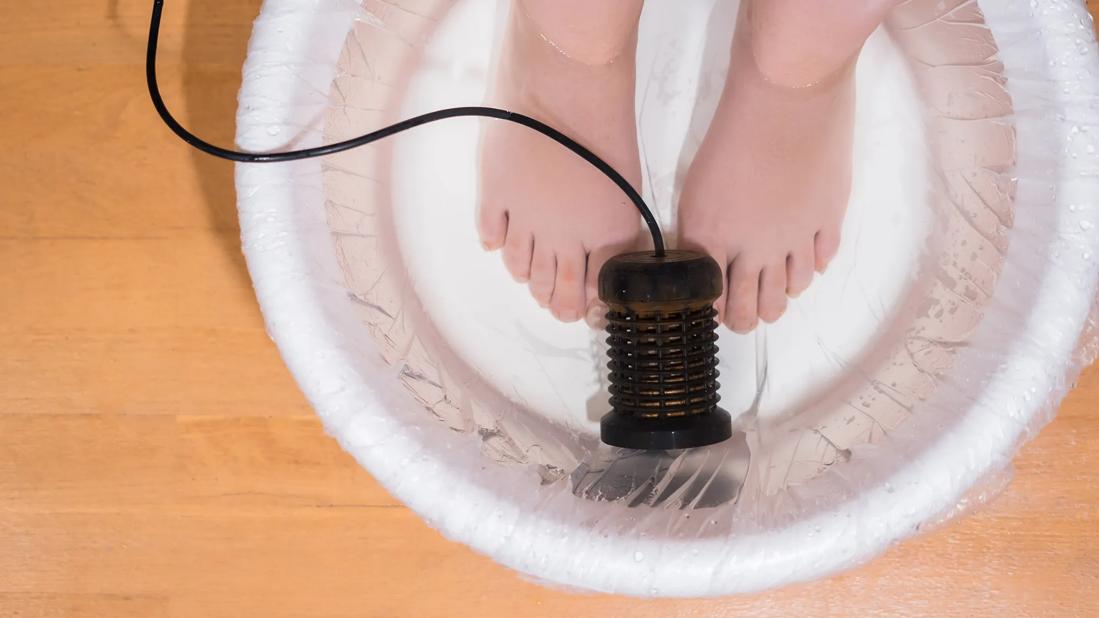
Foot detoxes have a flair for the dramatic. You dip your feet into a warm basin, the machine hums, the water turns tea-brown, and suddenly it looks as if your body has just evicted a tiny swamp. Foot pads do the same magic trick overnight: white patch at bedtime, mysterious dark patch by morning. It is easy to see why people want to believe. The visual “proof” is right there, and it seems much more exciting than drinking water and going to bed on time like a responsible adult.
But here is the science-shaped splash of cold water: foot detoxes do not remove toxins from your body in any meaningful, proven way. Ionic foot baths, detox foot pads, herbal foot soaks, and similar products often rely on clever chemistry, vague claims, and the universal human desire for a quick reset. They may feel relaxing. They may soften your feet. They may give you twenty peaceful minutes away from your phone, which is no small miracle. But as detox treatments, they do not hold up.
This article explains why foot detoxes do not work, what is actually causing the color changes, how your body really handles waste, and what you can do instead if you want to support your health without paying for a bucket of theatrical soup.
What Is a Foot Detox?
A foot detox is a wellness treatment that claims to pull toxins, heavy metals, chemicals, or metabolic waste out of the body through the feet. The two most common types are ionic foot baths and detox foot pads.
Ionic Foot Baths
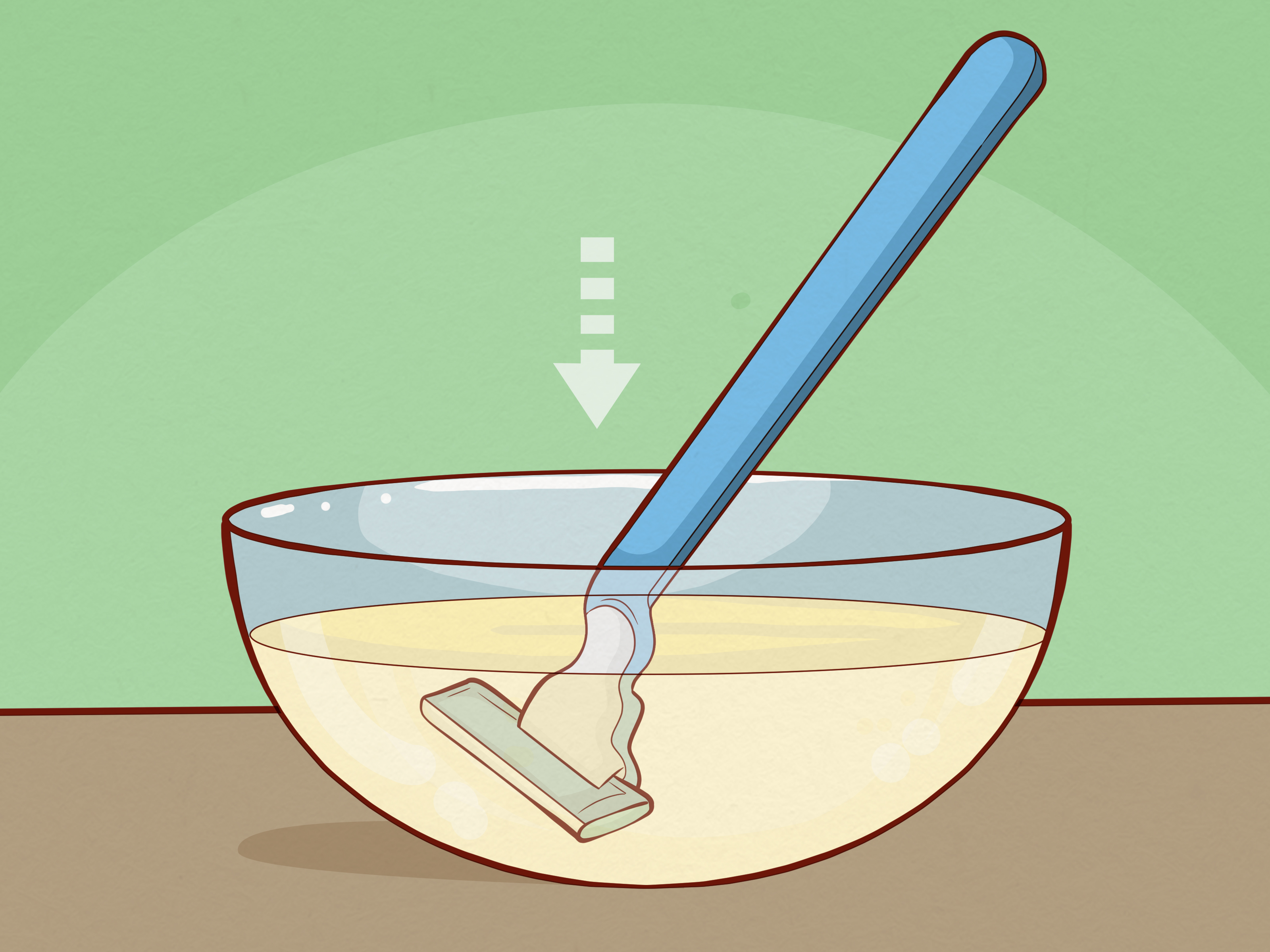
An ionic foot bath usually involves soaking your feet in a tub of warm salt water while a small electrical device sends a low current through an electrode array. Marketers often claim this process creates positively and negatively charged ions that attract toxins through the soles of the feet. After several minutes, the water may turn orange, brown, greenish, or black. Some spas even provide color charts, suggesting that each shade reveals a different organ or toxin. Brown for liver! Black for heavy metals! Orange for joints! It sounds scientific, but so does “quantum cucumber therapy” if you say it confidently enough.
Detox Foot Pads
Detox foot pads are adhesive patches placed on the soles of the feet overnight. In the morning, the pads often look dark, sticky, and unpleasant. Companies may claim that the discoloration shows toxins being drawn from the body while you sleep. Common ingredients include bamboo vinegar, wood vinegar, herbs, minerals, and sometimes fragrant oils. The result can look impressive, but impressive is not the same as evidence.
The Big Problem: “Toxins” Are Usually Not Defined
One of the biggest red flags in the foot detox world is the word “toxins.” It appears everywhere, yet it is rarely explained clearly. Which toxins? Lead? Mercury? Urea? Pesticides? Alcohol byproducts? Air pollution particles? Excess sodium? Yesterday’s regrettable drive-thru decision?
In real medicine, toxins and waste products are measurable. Blood tests, urine tests, imaging, and other diagnostic tools can help evaluate exposure, organ function, and disease. If someone has true heavy metal poisoning, for example, they need medical evaluation and proven treatment, not a spa session with mood lighting. When a product says it “removes toxins” but cannot name the toxins, measure them before and after, or explain the biological pathway, skepticism is not negativity. It is basic maintenance for your brain.
Why the Water Changes Color in Ionic Foot Baths
The color change is the star of the ionic foot bath show. It is also the main reason people walk away convinced something powerful happened. The trouble is that the color change can happen even when no feet are in the water.
Ionic foot baths use metal electrodes in salt water. When electricity passes through the solution, electrolysis occurs. The metal components can corrode, or rust, releasing particles into the water. Minerals in the water, salt, sweat, and residues from the device can also affect the final color. In other words, the water is not turning brown because your feet are dumping toxins like a biological drainpipe. It is mostly a chemical reaction in the basin.
Think of it like leaving a cheap metal tool outside in the rain. When it rusts, you do not assume your garden has detoxed. You assume metal plus moisture plus oxygen did what metal plus moisture plus oxygen tends to do. Ionic foot bath water is a similar chemistry lesson, just with better spa music.
What Research Says About Ionic Foot Detoxes
The research on ionic foot detoxes is limited, but the available evidence is not friendly to the claims. A frequently cited study examining an ionic footbath found no meaningful evidence that the treatment removed toxic elements from the body through the feet, urine, or hair. That matters because if a detox method works, researchers should be able to measure a change. The body is not a rumor; it leaves data.
Foot detox sellers often lean on testimonials instead. People say they feel lighter, more energetic, calmer, or cleaner after a session. Those feelings can be real, but they do not prove detoxification. A warm foot soak can relax muscles, create a pleasant ritual, reduce stress for a short time, and encourage people to sit still. That alone may explain why someone feels better afterward. Relaxation is valid. Calling it toxin removal is where the wheels come off.
Why Detox Foot Pads Turn Dark Overnight
Detox foot pads use a different trick. Many contain ingredients such as wood vinegar or bamboo vinegar. These substances can darken when exposed to moisture. Since feet sweat, especially when covered by adhesive pads all night, the pad changes color. Water alone can often darken similar materials. That means the pad’s color is not reliable evidence that toxins left your body.
The foot is not a secret emergency exit for heavy metals. Your skin can sweat, shed cells, absorb certain substances, and protect you from the outside world. But it is not designed to remove meaningful amounts of lead, mercury, or mysterious “sludge” through a sticky patch while you sleep. If your body removed toxins that easily, hospitals would look very different, and socks would need warning labels.
Your Body Already Has a Detox System
The human body is not helpless. It has a built-in waste-management team working around the clock: the liver, kidneys, digestive tract, lungs, lymphatic system, and skin. These organs do not need a foot bath to clock in for their shift.
The Liver
The liver processes many substances, including alcohol, medications, hormones, and byproducts of normal metabolism. It helps transform certain compounds into forms the body can use or eliminate. When people talk about “detox,” they are often talking about work the liver already does quietly every day, without a coupon code.
The Kidneys
The kidneys filter blood, regulate fluids and minerals, and remove waste through urine. If kidney function is impaired, waste can build up in the body and medical care is needed. A foot detox cannot replace kidney function, improve lab numbers, or flush out waste in any proven clinical way.
The Lungs and Digestive System
The lungs remove carbon dioxide when you breathe. The digestive system breaks down food, absorbs nutrients, and eliminates solid waste. These systems are not glamorous, but they are extremely effective. They are also better supported by sleep, nutrition, hydration, movement, and medical care than by a basin that looks like it brewed haunted tea.
Common Foot Detox Claims and Why They Fall Apart
Foot detox products often make broad promises. They may claim to boost energy, reduce swelling, improve sleep, balance pH, support immunity, remove heavy metals, relieve joint pain, improve circulation, or help with weight loss. The problem is not that people want these benefits. The problem is that the claims are usually much bigger than the evidence.
Claim: Foot Detoxes Remove Heavy Metals
Heavy metal exposure is a serious medical issue. If a person has dangerous levels of lead, mercury, arsenic, or another toxic metal, they need proper testing and physician-guided treatment. Over-the-counter detox products are not a safe substitute. A foot bath cannot reliably diagnose, measure, or remove heavy metals.
Claim: The Water Color Shows Which Toxins Came Out
Color charts are marketing tools, not medical tests. A brown basin does not prove liver detox. A black patch does not prove heavy metal removal. Real medical testing requires controlled methods, validated measurements, and clear interpretation. A rainbow of foot water is not a lab report.
Claim: Foot Detoxes Improve Energy
Some people may feel refreshed after a session because they rested, warmed their feet, unplugged from stress, or expected to feel better. This is not fake; the relaxation response is real. But feeling relaxed after a foot soak does not mean toxins were removed. It means relaxation can feel wonderful, especially in a world where everyone’s calendar looks like it lost a fight with a blender.
Claim: Foot Detoxes Help With Weight Loss
There is no credible evidence that foot detoxes cause meaningful fat loss. Any small change on a scale after a spa treatment is more likely related to fluid shifts, normal daily variation, or wishful thinking wearing a robe. Sustainable weight management depends on nutrition, activity, sleep, stress, medical factors, and consistency.
Are Foot Detoxes Dangerous?
For many healthy adults, a simple warm foot soak may be low risk. However, “low risk” does not mean “use without thinking.” Some foot detox products may irritate the skin, especially if they contain strong fragrances, adhesives, herbal extracts, or unknown ingredients. People with sensitive skin may develop redness, itching, or contact dermatitis.
Foot baths can also be risky for people with open cuts, sores, athlete’s foot, fungal nail infections, diabetes-related foot problems, neuropathy, poor circulation, or immune system issues. Warm water and shared spa equipment can create opportunities for irritation or infection if sanitation is poor. Anyone with diabetes, numbness in the feet, slow-healing wounds, or circulation problems should be especially careful with foot soaks and should ask a healthcare professional before trying spa-style treatments.
Another risk is delayed care. If someone uses a foot detox to treat fatigue, swelling, pain, numbness, skin changes, or unexplained symptoms, they may postpone medical evaluation. That is the expensive part of false hope: it can cost time.
Why Foot Detoxes Feel Convincing
Foot detoxes are persuasive because they combine three powerful ingredients: visible change, simple explanation, and emotional relief. The water changes color, so the brain says, “Something happened.” The product says, “Toxins came out,” so the brain gets a neat story. The person feels calmer afterward, so the story seems even more believable.
This is not because people are foolish. It is because humans are pattern-finding machines. We like before-and-after evidence. We love rituals. We want health problems to have simple solutions. Foot detoxes package all of that into a relaxing experience. The marketing is clever because it turns ordinary chemistry into a personal victory scene.
What to Do Instead of a Foot Detox
If your real goal is relaxation, foot comfort, or a better self-care routine, you do not need detox claims. You can enjoy a basic foot soak for comfort without pretending your ankles are operating a hazardous waste facility.
Try a Simple Foot Soak
Use warmnot hotwater and soak for about 10 to 15 minutes. Dry your feet well, especially between the toes. Apply moisturizer if your skin is dry, but avoid putting thick cream between the toes where excess moisture can encourage fungal growth. Skip soaking if you have cuts, sores, infection, or unexplained skin changes.
Support Your Natural Detox Organs
The boring advice works because biology is stubborn. Drink enough water for your needs, eat fiber-rich foods, include fruits and vegetables, limit heavy alcohol use, avoid smoking, move your body regularly, sleep consistently, and follow medical guidance for medications and chronic conditions. These habits support the organs that actually process and eliminate waste.
Ask Better Questions Before Buying Wellness Products
Before paying for a detox treatment, ask: What exact toxin does it remove? How is that toxin measured before and after? Is there peer-reviewed evidence in humans? Are the claims approved or evaluated by appropriate authorities? Could this delay real treatment? If the answer is mostly fog, glitter, and “ancient secret,” keep your wallet in its natural habitat.
When to See a Doctor Instead
Do not rely on a foot detox if you have persistent fatigue, swelling in your legs or feet, numbness, tingling, wounds that do not heal, yellowing of the skin or eyes, dark urine, unexplained weight loss, severe pain, or symptoms after possible exposure to chemicals or heavy metals. These signs deserve medical attention, not a detox package.
Also be cautious if a wellness product claims to treat cancer, diabetes, arthritis, kidney disease, liver disease, infections, or immune problems. Big disease claims require strong evidence. A product that promises everything usually proves very little.
Experiences Related to Why Foot Detoxes Don’t Work
Many people who try foot detoxes describe the same first experience: curiosity, skepticism, then surprise when the water changes color. It is a very human moment. You sit there watching clear water slowly become murky, and your brain starts building a documentary. Maybe this is the fast food from last weekend. Maybe this is pollution. Maybe this is stress leaving my body in liquid form. The scene is oddly satisfying, like cleaning a dirty carpet or peeling plastic off a new phone. It gives you a visual reward.
But the experience becomes less magical when you repeat the setup without feet. People who test ionic foot baths with only salt water often see the water change color anyway. That is the moment the spa drama loses its soundtrack. If the basin can “detox” an empty room, the explanation is probably chemistry, not biology.
Another common experience happens with detox foot pads. Someone applies them before bed, wakes up, peels them off, and sees a dark sticky patch. The immediate reaction is, “Wow, that came out of me?” But when similar pads are exposed to plain water or sweat-like moisture, they can darken too. Feet naturally sweat overnight, and adhesive pads trap moisture. The result looks dramatic, but it does not tell you what, if anything, left the bloodstream.
Some users still report feeling better after foot detox sessions. That does not need to be dismissed. A warm soak can be comforting. A quiet room can reduce stress. Having someone care for your feet can feel soothing. Taking a break from chores, homework, work emails, or family noise can improve mood. These are real experiences. The mistake is calling every pleasant feeling “detox.” Sometimes your body did not purge toxins; sometimes you simply sat down for twenty minutes and stopped doom-scrolling. That alone deserves applause.
There is also a social experience around foot detoxes. Friends recommend them. Influencers post before-and-after photos. Spa menus use confident language. Product reviews sound convincing because people are honestly describing what they saw and felt. The problem is that testimonials cannot separate cause from coincidence. If someone sleeps better after a foot pad, was it the pad, the lavender scent, the expectation, the earlier bedtime, or the fact that they finally put their phone away? Personal experience can start a question, but it cannot finish the science.
A more useful experience is comparing cost and benefit. After a few sessions, many people realize that the relaxing part could be recreated at home with warm water, a clean towel, moisturizer, and maybe music. No toxin chart required. The best version of the ritual keeps the comfort and drops the false claim. Your feet can enjoy a spa night without being accused of smuggling heavy metals.
The most important takeaway from real-world experience is this: foot detoxes are not powerful because they detoxify. They are powerful because they are visual, relaxing, and easy to believe. Once you understand the trick, you can still enjoy foot care for what it iscomfort, hygiene, and relaxationwithout paying extra for a medical claim that has not earned your trust.
Conclusion: Keep the Foot Bath, Lose the Detox Myth
Foot detoxes do not work as advertised because the main claims are not backed by solid evidence. Ionic foot bath water changes color largely because of electrolysis and corrosion, not because toxins are pouring out of your feet. Detox foot pads darken mainly because of moisture reactions, not because they extracted heavy metals while you dreamed about missing a school bus or forgetting your pants at work.
Your body already has effective systems for processing and removing waste. The liver, kidneys, lungs, digestive tract, and skin all play roles, and they are best supported by everyday health habits and medical care when needed. If you enjoy soaking your feet, great. Make it clean, safe, and relaxing. Just do not mistake spa theater for science.
Note: This article is for general educational purposes only and is not a substitute for medical advice. If you have symptoms, possible toxic exposure, diabetes-related foot concerns, wounds, swelling, numbness, or ongoing pain, consult a qualified healthcare professional.