
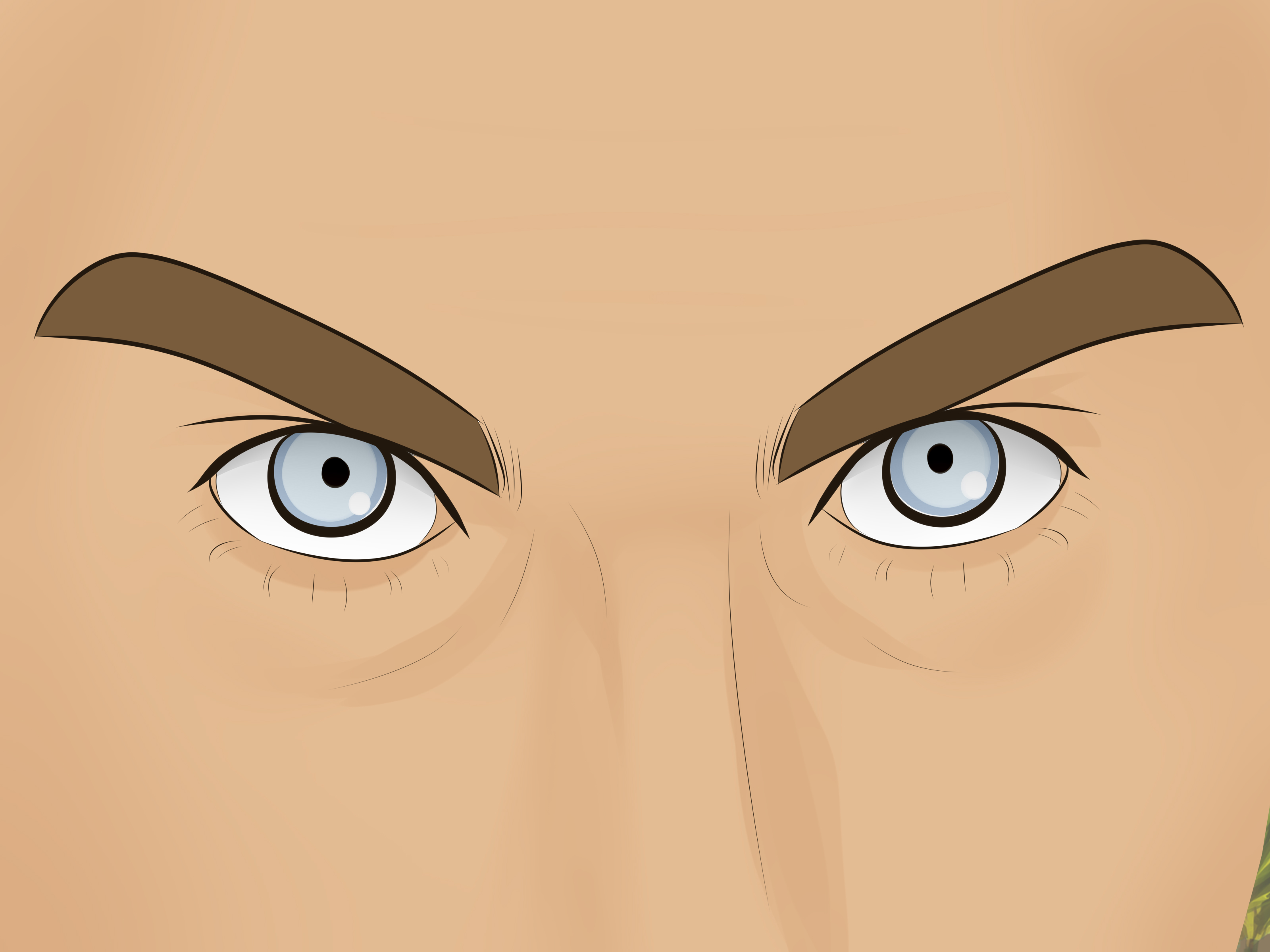
Scroll social media for five minutes and you’ll probably find a post claiming it can “spot a narcissist” by their eyes:
the stare, the glare, the “empty look,” the laser-focus, the blink rate, the dramatic eyebrow arch. It sounds scientific.
It feels intuitive. And honestly, when someone has hurt you, your brain wants a quick pattern you can trust next time.
But here’s the core truth: there is no official medical feature called “narcissist eyes”. Not in clinical
diagnostic criteria, not in a validated eye exam, and not in a one-glance social test. That doesn’t mean your instincts are useless.
It means your instincts work best when they evaluate patterns of behavior, not eye aesthetics.
In this guide, we’ll separate myth from evidence, unpack what people really mean by “narcissistic stare,” and show you a safer,
smarter way to evaluate red flags in relationships, dating, work, and family dynamics.
Quick Answer: Is “Narcissist Eyes” a Real Diagnostic Sign?
Short version: no. You cannot diagnose narcissistic personality disorder (NPD) from eyes, gaze style,
pupil size, eye color, or eyebrow shape alone. Clinicians diagnose NPD through comprehensive mental-health assessment,
history, and symptom patterns over time.
If you came here hoping for a secret visual hacksorry, no magical villain-detection goggles yet. (If they do invent those,
they’ll probably also detect people who leave one wet sock in the laundry.)
Why the “Narcissist Eyes” Myth Feels So Convincing
1) Your brain loves fast judgments
Humans are excellent at “thin-slice” judgments: fast impressions from tiny cues. Sometimes that helps us. Sometimes it
causes overconfidence. A strong stare can feel like dominance, attraction, danger, or confidence depending on context.
We naturally over-interpret eyes because eye contact is emotionally charged.
2) Narcissistic traits can look attractive at first
Research shows people higher in narcissistic traits may be perceived as more charming in early encounters. That early
charisma can make later manipulative behavior feel shockingso people look backward and attach meaning to one physical cue,
like “the eyes,” rather than the full behavioral timeline.
3) Social media rewards certainty, not nuance
“This one eye trick reveals narcissists” gets clicks. “Interpersonal pathology requires longitudinal, contextual assessment”
gets… fewer likes. Viral advice often turns a complex personality pattern into a visual stereotype. Easy to share, risky to use.
What Science Actually Says About Faces, Eyes, and Narcissism
There may be appearance cues in some studiesbut they’re limited
Some personality studies suggest observers can make above-chance judgments of certain narcissistic traits from appearance
or first impressions. Important: this does not mean diagnosis, certainty, or universal accuracy. It means “slightly better than guessing”
under controlled conditions.
Eyebrows got attention in one famous line of research
One well-known study found that eyebrow distinctiveness helped participants judge grandiose narcissism.
Notice what that does not mean: thick eyebrows = narcissist. It means a narrow research finding about perception in specific samples,
not a field guide for labeling your coworker.
Eye-tracking research suggests motive patterns, not eye “types”
Newer eye-tracking work suggests some narcissism dimensions may be linked to attention toward status-related cues.
That’s about where attention goes in experimental tasksnot a visible “narcissist eye look” you can reliably detect in line for coffee.
Emotion processing findings are mixed and nuanced
Some studies report differences in emotion recognition linked to narcissistic features; others show null or mixed effects depending
on subtype and measurement method. Translation: this area is real science, but it does not support internet-level certainty.
What People Usually Mean by “Narcissist Eyes”
When people say “narcissist eyes,” they’re usually describing one of these experiences:
- Intense, unbroken eye contact that feels performative or dominating.
- “Scanning” eye contact that seems to check your reaction rather than connect emotionally.
- A sudden flat or cold shift in expression when they don’t get admiration.
- Charm face vs. contempt facea dramatic change depending on audience value.
- Gaze used as pressure during conflict, criticism, or control attempts.
These experiences can absolutely feel real. The problem is interpretation. The same eye behavior can also come from anxiety,
stress, trauma responses, neurodivergence, culture, sleep deprivation, medication effects, or plain social awkwardness.
So the gaze is a clue at bestnot a verdict.
Better Red Flags Than Eye Contact Alone
If your goal is emotional safety, focus on repeated behavior patterns over time:
1) Empathy pattern
Do they understand your feelings when it costs them something? Or only when empathy helps their image?
2) Accountability pattern
Can they genuinely apologize and change behavior? Or do they deflect, deny, blame, and rewrite history?
3) Reciprocity pattern
Is care mutual, or is the relationship a one-way admiration supply chain?
4) Boundary response pattern
Healthy people may disagree with boundaries, but they can respect them. Manipulative patterns treat boundaries as a challenge to crush.
5) Public-private split
Are they radically different when the audience disappears? Charming in public, contemptuous in private is a major signal.
6) Criticism response
Do they become hostile, shaming, or punitive when corrected? Chronic rage, humiliation tactics, or retaliation matter more than eye intensity.
“Narcissistic Stare” vs. Normal Human Eye Contact: A Practical Comparison
Likely normal (context-dependent)
- Occasional intense eye contact during excitement or attraction
- Looking away when thinking, nervous, or overstimulated
- Inconsistent eye contact during stress or fatigue
- Different gaze norms by culture and personality style
Potentially concerning (if repeated with behavior patterns)
- Eye contact used to intimidate, not connect
- Frequent contempt expression when challenged
- Performative warmth that flips to coldness quickly
- Gaze paired with lying, gaslighting, or boundary violations
The key is pairing nonverbal behavior + verbal behavior + consequences over time.
Eyes alone are a teaser trailer, not the full movie.
How to Protect Yourself Without Playing Armchair Diagnostician
Use boundary-first language
Instead of “You’re a narcissist,” try: “When you mock me in arguments, I’m ending the conversation.”
Diagnosis debates create drama. Boundaries create clarity.
Track patterns in writing
Keep a private note of incidents: what happened, what was said, what the impact was. This helps separate
one-off bad days from chronic manipulation.
Test with small limits
Say no to something reasonable. Ask for a fair compromise. Healthy people may be disappointed but adaptive.
Manipulative patterns often escalate, punish, or guilt-trip.
Get third-party perspective
Trusted friends, counselors, or mentors can spot what you normalize under stress. You don’t need to solve this alone.
Prioritize safety over certainty
You don’t need a clinical label to leave a harmful dynamic. “This relationship hurts me” is enough data to act.
When Professional Help Matters
Seek professional support if you’re experiencing chronic emotional confusion, fear around conflict, self-esteem erosion,
coercive control, or repeated gaslighting. Therapy can help rebuild trust in your own perceptions and strengthen boundaries.
And if you’re wondering whether you might have narcissistic traits: that question alone can be a healthy sign of self-reflection.
Traits are dimensional; growth is possible. People can learn empathy skills, accountability, and relational repair.
500-Word Experience Section: What “Narcissist Eyes” Felt Like in Real Life (Composite Stories)
Experience 1: The Interview Charm Freeze. A client described a manager whose eye contact in interviews felt like a spotlight:
warm smile, intense attention, and the uncanny feeling of being “chosen.” New hires felt flattered and fast-tracked. Three months later,
the same manager used that same direct gaze in one-on-ones as pressurelong silences, eyebrow raises, then comments like “I expected more
from someone I invested in.” The lesson wasn’t “his eyes proved he was a narcissist.” The lesson was the pattern: idealization, control,
then shame when admiration dipped. The eyes were memorable, but behavior told the story.
Experience 2: The Date Who Never Blinked (Almost). Someone else described a first date with electric eye contact and confident banter.
It felt cinematic. By date three, the eye contact shifted from connecting to monitoring. If she laughed at another person’s joke, his look hardened.
If she mentioned needing space, he stared in silence until she “explained herself.” Weeks later came accusations, love-bombing cycles,
and boundary tests. She said, “I kept analyzing his stare like it was a code.” Recovery started when she stopped decoding eyes and started
tracking actions: jealousy, entitlement, and disrespect for no.
Experience 3: Family Gatherings and the Audience Switch. One adult child described a parent whose expression changed by audience.
In front of guests: bright eyes, generous stories, effortless charm. In private: icy glance, dismissive tone, emotional scorekeeping.
For years, they doubted themselves because outsiders only saw the public version. Their turning point came when they realized this was not
about mysterious “evil eyes,” but about role-based behavioradmire me publicly, obey me privately. Naming the pattern reduced confusion
and helped them set practical boundaries: shorter visits, no bait-taking, and no explaining private decisions.
Experience 4: The Team Leader Who Scanned for Status. A startup employee noticed their leader’s gaze moved strategically:
lingering on executives, skipping junior contributors, warming toward anyone with influence. In meetings, eye contact wasn’t about ideas;
it looked like social ranking in real time. Again, nobody diagnosed anything. But the team mapped impact: favoritism, credit-stealing,
and punishment for dissent. Once they stopped asking “Do his eyes reveal narcissism?” and started asking “What behaviors are repeatable and harmful?”
they could actdocument work, align as a team, escalate with specifics.
Experience 5: The Mirror Moment. One person sought help because they feared they were becoming “the narcissist” after hearing
that phrase online. They worried their intense eye contact meant something was wrong. In therapy, they discovered social anxiety and performance pressure.
They were over-focusing on eye contact to look confident, which made them seem rigid. Small skills helped: softer gaze, more listening pauses,
less self-monitoring. Their biggest takeaway: internet labels can trap you in fear. Eyes are communication habits, not destiny. The healthiest question
isn’t “Do I have narcissist eyes?” It’s “Do my actions make people feel respected, safe, and seen?”
Conclusion
So, what do “narcissist eyes” really look like? There’s no single look, no diagnostic stare, and no reliable visual shortcut.
What people remember as “the eyes” is often the emotional impact of broader interpersonal patterns: charm, control, entitlement,
and empathy gaps across time.
If you want better protection in relationships, stop zooming in on iris mythology and zoom out to behavior consistency.
Watch how someone handles boundaries, criticism, accountability, and your humanity when no one is watching.
That’s where clarity lives.














