
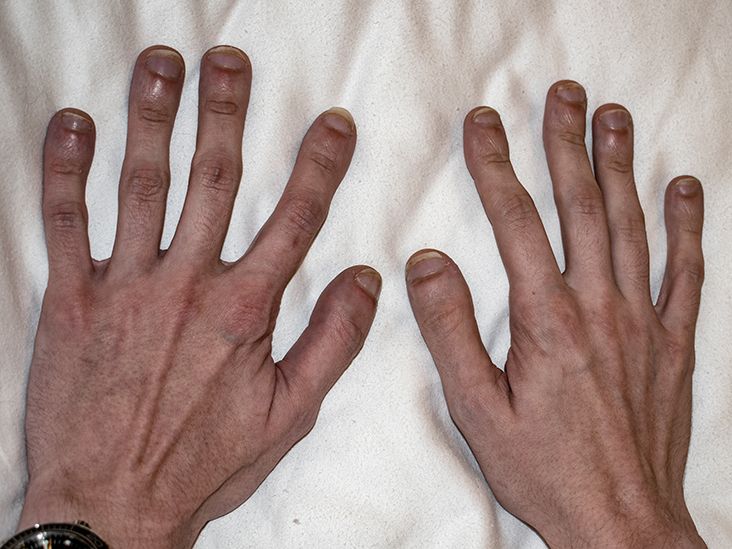
Clubbed fingers can look a little mysterious at first. One day your nails seem normal, and then you notice your fingertips look rounder, wider, or puffier than usual. Your nails may curve downward like tiny upside-down spoons, and the skin around them may feel warm or soft. It is not exactly the kind of manicure trend anyone asked for.
Medically, this change is called digital clubbing or nail clubbing. It can affect fingers, toes, or both. Sometimes it runs in families and is harmless. But when clubbed fingers appear for the first time, especially in adulthood, they can be an important clue that something deeper is happening in the lungs, heart, liver, digestive system, or another part of the body.
The good news: clubbing itself is usually painless. The not-so-cute news: it deserves attention. This guide explains the causes, symptoms, diagnosis, treatment, and warning signs in plain American English, with just enough medical detail to be useful and not enough jargon to make your coffee go cold.
What Are Clubbed Fingers?
Clubbed fingers happen when the soft tissue under and around the nails thickens. The fingertips become enlarged, rounded, or bulb-like, and the nails curve downward over the ends of the fingers. The normal angle between the nail and the skin at the base of the nail may flatten or disappear.
Doctors often look at the side of the finger to check this angle. In a typical finger, there is a small natural angle where the nail rises from the nail fold. With clubbing, that angle becomes wider, sometimes creating a smooth curve from the nail bed to the fingertip.
Clubbing may develop slowly over years, but in some cases, it can appear over weeks. It can also improve when the underlying cause is treated. That is why it is better to think of clubbed fingers as a sign, not a final diagnosis. Your fingers are not the villain here; they are more like tiny health detectives wearing nail beds.
Common Symptoms of Clubbed Fingers
Finger clubbing can be subtle at first. Many people notice it while trimming their nails, comparing hands in a photo, or realizing rings feel tighter near the fingertips. Common signs include:
- Fingertips that look wider, rounder, or swollen
- Nails that curve downward over the fingertip
- Nail beds that feel soft or spongy
- Nails that look like they are floating instead of firmly attached
- Warmth or redness around the fingertips
- Loss of the normal diamond-shaped gap when matching fingernails together
- Similar changes in the toes
The Schamroth Window Test
A simple home check is called the Schamroth window test. Place the nails of the same fingers from each hand together, nail to nail. Normally, you should see a small diamond-shaped space between the nails near the cuticles. If that small window disappears, clubbing may be present.
This test is not a diagnosis, and it is not perfect. Some people have naturally curved nails. Others may have swelling from arthritis, injury, or skin conditions. But if the test looks abnormal and your fingertips have changed, it is a good reason to schedule a medical evaluation.
What Causes Clubbed Fingers?
Clubbed fingers are most often linked to conditions that affect oxygen levels, blood flow, inflammation, or tissue growth signals. Experts do not fully understand every step in the process, but many cases appear related to changes in blood vessels and growth factors that increase soft tissue beneath the nails.
Here are the major categories of causes.
1. Lung Conditions
Lung disease is one of the most common categories associated with clubbed fingers. When the lungs cannot exchange oxygen efficiently, long-term changes in circulation and tissue signaling may contribute to nail clubbing.
Possible lung-related causes include:
- Lung cancer
- Bronchiectasis
- Pulmonary fibrosis
- Cystic fibrosis
- Lung abscess
- Mesothelioma
- Chronic lung infections
- Interstitial lung disease
For example, someone with pulmonary fibrosis may also have shortness of breath, a dry cough, fatigue, and clubbing of the fingers or toes. A person with bronchiectasis may have a long-term cough, repeated chest infections, and thick mucus. Clubbing does not automatically mean cancer, but new clubbing is one of those signs doctors take seriously because it can be associated with significant lung disease.
2. Heart Conditions
Some heart problems can also lead to clubbed fingers, especially conditions that reduce oxygen in the blood over time. These may include certain congenital heart defects, cyanotic heart disease, and infective endocarditis, which is an infection involving the heart lining or valves.
Heart-related symptoms that may appear along with clubbing include bluish lips or fingers, fatigue, shortness of breath, chest discomfort, swelling in the legs, fainting, or a racing heartbeat. If clubbing appears with any of these symptoms, it is time to move from “I’ll Google it later” to “I should call a clinician.”
3. Digestive and Liver Conditions
Clubbed fingers can sometimes be linked to gastrointestinal or liver diseases. These may include:
- Inflammatory bowel disease, such as Crohn’s disease or ulcerative colitis
- Celiac disease
- Liver cirrhosis
- Primary biliary cholangitis
- Other chronic liver or bile duct disorders
Digestive symptoms may include chronic diarrhea, abdominal pain, unexplained weight loss, blood in the stool, bloating, poor nutrient absorption, or persistent fatigue. Liver symptoms may include yellowing of the skin or eyes, easy bruising, swelling in the abdomen, or dark urine.
4. Thyroid, Blood, and Other Conditions
Less commonly, clubbing can be associated with conditions such as Graves’ disease, hyperthyroidism, certain blood disorders, lymphoma, or other cancers. In some people, it is part of a broader condition called hypertrophic osteoarthropathy, which may include clubbing, joint pain, swelling, and changes in the bones of the arms or legs.
5. Familial or Idiopathic Clubbing
Not every case of clubbing is dangerous. Some people inherit clubbed fingers, and the changes may be present from childhood. Others have idiopathic clubbing, meaning no clear cause is found after proper evaluation.
The key difference is timing. Clubbing that has been present for as long as you can remember, especially if several family members have it and no one has symptoms, is less concerning. New clubbing, rapidly changing clubbing, or clubbing with cough, chest pain, fatigue, weight loss, fever, or digestive symptoms should be checked.
How Doctors Diagnose Clubbed Fingers
A medical visit for clubbed fingers usually starts with a physical exam and a careful history. Your healthcare provider may ask when the changes started, whether they affect fingers, toes, or both, whether anyone in your family has similar nails, and whether you have symptoms involving your lungs, heart, digestive system, or thyroid.
Possible tests may include:
- Pulse oximetry to check blood oxygen level
- Chest X-ray
- Chest CT scan if lung disease is suspected
- Blood tests for infection, inflammation, thyroid disease, liver disease, or anemia
- Electrocardiogram or echocardiogram to evaluate the heart
- Pulmonary function tests to measure breathing capacity
- Stool tests, celiac testing, or digestive evaluation if gastrointestinal symptoms are present
Doctors do not order every test for every person. A healthy adult with lifelong family clubbing may need less investigation than someone who recently developed clubbing plus a chronic cough and weight loss. The evaluation should fit the story your body is telling.
Treatment for Clubbed Fingers
There is no special cream, supplement, nail polish, or “miracle fingertip detox” that treats clubbed fingers directly. Clubbing itself usually does not need treatment. The real goal is to find and treat the underlying cause.
Treatment may involve:
- Antibiotics or other therapy for chronic infection
- Inhaled medications, pulmonary rehabilitation, oxygen therapy, or disease-specific treatment for lung disorders
- Heart treatment, surgery, or antibiotics if a cardiac cause is found
- Anti-inflammatory treatment for inflammatory bowel disease
- A gluten-free diet for confirmed celiac disease
- Liver disease management when cirrhosis or bile duct disease is involved
- Cancer evaluation and treatment if a malignancy is diagnosed
- Smoking cessation and exposure reduction when tobacco or environmental irritants are part of the picture
In some cases, clubbing improves after the condition is treated. In other cases, the nail and fingertip changes may remain but stop progressing. Either way, the most important outcome is not prettier nails; it is protecting the lungs, heart, and overall health.
When to Seek Medical Help
If you notice new clubbing, contact a healthcare provider. This is especially important if the change is recent, worsening, or appears along with other symptoms.
Schedule a Medical Appointment If You Notice:
- New widening or rounding of the fingertips
- Nails that suddenly curve downward more than before
- Clubbing in both fingers and toes
- A chronic cough or repeated lung infections
- Unexplained fatigue, fever, or night sweats
- Unexplained weight loss
- Digestive symptoms that do not go away
- Shortness of breath during normal activities
Seek Urgent Care or Emergency Help If You Have:
- Severe shortness of breath
- Chest pain or pressure
- Bluish lips, face, or fingertips
- Fainting or confusion
- Coughing up blood
- Sudden swelling, severe pain, or signs of serious infection
Think of clubbed fingers like a dashboard warning light. Sometimes the light comes on because the gas cap is loose. Sometimes it means the engine needs attention. Either way, staring at the light and hoping it gets bored is not the best plan.
Can Clubbed Fingers Be Prevented?
You cannot prevent every cause of nail clubbing, especially inherited forms or conditions that are not fully under your control. But you can reduce certain risks by protecting lung and heart health.
Helpful habits include avoiding smoking, limiting exposure to secondhand smoke and occupational dust, wearing protective equipment when needed, staying current on recommended vaccines, managing chronic illnesses, keeping regular medical visits, and reporting persistent respiratory or digestive symptoms early.
If you already have a lung, heart, liver, or inflammatory condition, follow your treatment plan closely. Clubbing may not be the main problem, but it can be one visible clue that the body needs better control of the underlying disease.
Common Myths About Clubbed Fingers
Myth 1: Clubbed Fingers Always Mean Lung Cancer
No. Lung cancer is an important possible cause, but clubbing can also occur with noncancerous lung disease, heart disease, liver disease, digestive disorders, thyroid disease, inherited traits, and other conditions.
Myth 2: Clubbing Is Just a Nail Problem
Not usually. The nail shape changes because the soft tissue under the nail changes. A manicure may make the nails look tidier, but it will not address the medical reason behind true clubbing.
Myth 3: If It Does Not Hurt, It Is Fine
Clubbing is often painless. That does not make it meaningless. Many important medical signs do not hurt at first. Blood pressure is also painless, and it still has plenty to say.
Experiences Related to Clubbed Fingers: What People Often Notice First
Many people do not wake up one morning and say, “Ah yes, digital clubbing has entered the chat.” More often, the discovery is casual. Someone clips a nail and realizes the fingertip looks puffier than the others. A partner comments that the nails seem more curved. A person compares an old photo to a new one and notices the hands look different. The change can feel strange because it is visible, personal, and oddly easy to ignore at the same time.
One common experience is the “ring moment.” A person may notice that rings still fit at the base of the finger but feel tighter when sliding over the fingertip. That can happen for many reasons, but when it comes with rounded fingertips and downward-curving nails, it may push someone to look more closely. Another experience is the “phone camera moment,” when a hand in a photo suddenly looks different. Modern life has given us many things, including the ability to accidentally diagnose our nail angles while taking a picture of lunch.
People with long-term lung conditions sometimes describe clubbing as something their clinician noticed before they did. During an exam, the provider may check the nails, press gently on the nail beds, or ask about breathing, cough, fatigue, and oxygen levels. This can surprise patients because they came in for a cough and left with a new respect for their fingertips. In that setting, clubbing can become part of a larger picture rather than a standalone mystery.
Another common experience is anxiety. Searching online for clubbed fingers can quickly lead to frightening possibilities. That fear is understandable, but it is important to keep perspective. Clubbing can be linked to serious disease, but it does not diagnose any one condition by itself. A proper medical evaluation is what turns worry into useful information. The goal is not to panic; the goal is to investigate.
Some people also feel embarrassed by the appearance of their nails. They may hide their hands, avoid nail salons, or worry that others will notice. But clubbed fingers are not a hygiene issue, a character flaw, or proof that someone did anything wrong. They are a physical sign. Treating yourself with kindness while seeking answers is part of good health care, too.
The most helpful experience is often the one where someone acts early. A person notices changes, schedules a visit, explains when the changes started, mentions other symptoms, and brings photos if available. That gives the clinician a clearer timeline. Whether the cause turns out to be mild, manageable, inherited, or more serious, early evaluation gives you options. And in medicine, options are much better than guessing.
Conclusion
Clubbed fingers are enlarged, rounded fingertips with nails that curve downward. They may be harmless and inherited, but new or changing clubbing can point to lung disease, heart disease, digestive disorders, liver disease, thyroid disease, infection, or cancer. The right response is not panic and not denial. It is a medical checkup.
If your nails have changed, especially if you also have shortness of breath, chronic cough, fatigue, weight loss, chest discomfort, digestive symptoms, or bluish skin, contact a healthcare provider. Clubbing is not a diagnosis, but it can be a valuable clue. Your hands may be trying to start a conversation. It is worth listening.
Note: This article is for educational purposes only and should not replace professional medical advice, diagnosis, or treatment. Always talk with a qualified healthcare provider about new or concerning symptoms.














