
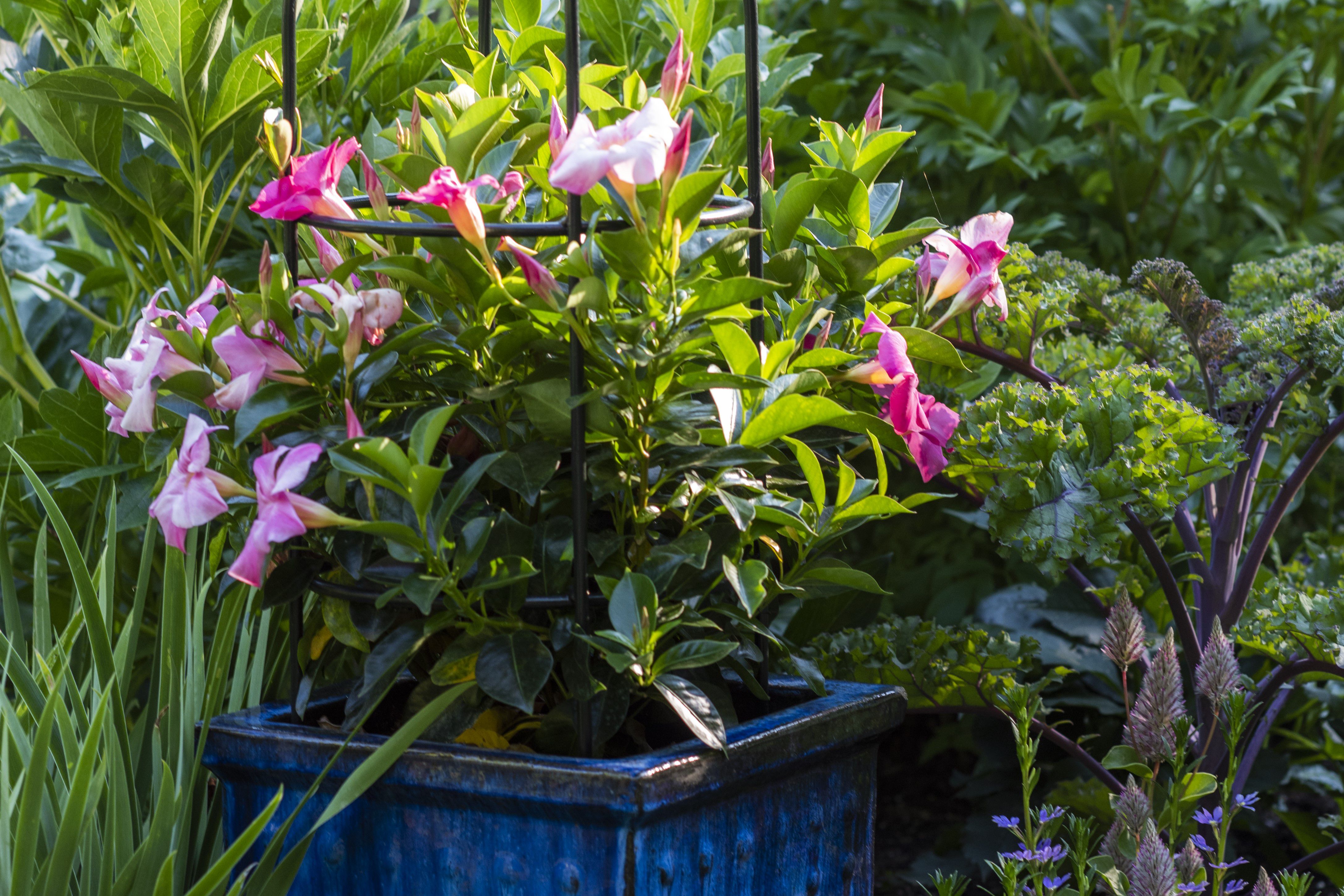
Mandevilla is the kind of plant that shows up to summer like it owns the place. It climbs, it blooms, it practically wears sunglasses. Then fall arrives, temperatures dip, and suddenly this tropical superstar acts like it has never even heard of cold weather. To be fair, it really has not. If you want to keep your mandevilla vine alive and thriving for another season, overwintering it indoors is the move.
The good news is that mandevilla winter care is not complicated. The slightly less good news is that it does require timing, restraint, and the ability to stop yourself from “helping” too much. In winter, this plant wants less fuss, not more drama. Bring it in too late, drown it with kindness, or park it next to a heat vent, and your vine may stage a leafy protest.
This guide breaks down nine essential steps for overwintering a mandevilla vine indoors so you can protect your plant from cold weather, avoid common mistakes, and set it up for strong growth in spring. Whether you are saving a patio favorite, a climbing mandevilla on a trellis, or a potted tropical vine that cost more than you care to admit, these steps will help you winterize mandevilla the smart way.
Why Mandevilla Needs Indoor Winter Protection
Mandevilla is a tropical vine, which means frost is not “a little inconvenient.” Frost is the villain in the movie. In warm climates, mandevilla can grow as a perennial, but in most of the United States, it needs protection once fall temperatures begin sliding downward. If you wait until a hard freeze, the plant may already be damaged before it gets through your front door.
That is why successful overwintering a mandevilla vine indoors starts before winter really arrives. Think of it as helping your plant catch a flight before the weather shuts down the airport. The earlier and calmer the transition, the better your mandevilla will handle life inside.
Step 1: Move It Indoors Before Cold Weather Gets Bossy
The first rule of mandevilla winter care is simple: do not wait for frost. Once nighttime temperatures begin settling in the low 50s, it is time to prepare your plant for the move. Even temperatures that are not technically freezing can stress mandevilla and make the indoor transition rougher than it needs to be.
If your vine is growing in a container, congratulations, you picked the easier path. Just move the pot indoors before cold nights become a habit. If the plant is growing in the ground, dig it up carefully while the soil is still workable and pot it into a container with drainage holes and a loose, well-draining potting mix. Keep the crown at the same soil level it had outdoors. You are relocating the plant, not burying treasure.
Do not haul it from blazing outdoor sun straight into the darkest corner of your house like it is entering witness protection. A gentle transition works better. Start thinking about its indoor home before you carry it inside.
Step 2: Prune It Back So Winter Care Is Easier
Before your mandevilla comes indoors for winter, give it a haircut. Not a dramatic reality-show makeover, just a practical trim. Cutting the plant back by about one-third to one-half makes it easier to manage indoors and reduces the amount of foliage the roots must support under lower light conditions.
If the vine has become a full backyard octopus, untangle it from its trellis and trim it into a shape that fits your indoor space. Remove broken, weak, crossing, or damaged stems. If you are planning to keep the plant semi-dormant in a cool storage space instead of actively growing it as a houseplant, you can prune even harder.
Pruning also helps improve air circulation, which matters more indoors than many gardeners realize. A crowded plant in a dry room can become a buffet for pests. Cleaner structure now means fewer problems later.
Step 3: Inspect Every Leaf Like a Tiny Plant Detective
One of the most important parts of bringing mandevilla indoors for winter is a full pest inspection. Outdoor plants can carry hitchhikers that are merely annoying outside but turn into absolute chaos indoors. Common pests on mandevilla include spider mites, mealybugs, scale, aphids, and whiteflies.
Check the undersides of leaves, leaf joints, tender new growth, stems, and even the rim of the pot. Look for sticky residue, webbing, waxy white clumps, stippling, or anything that makes you say, “Well, that does not look right.” Trust that instinct.
Remove dead or yellowing leaves before moving the plant inside. They will not improve with age, and they only make pest problems harder to spot. This is also the ideal time to wipe down leaves or give the plant a gentle rinse outdoors if weather permits.
Step 4: Treat Pests Before They Become Your Winter Roommates
If your inspection reveals pests, treat the plant before it crosses the threshold. Neem oil, insecticidal soap, or another houseplant-safe horticultural treatment can help reduce pest pressure. Thorough coverage matters, especially on the undersides of leaves where insects love to hide like tiny freeloaders.
Even if you do not see obvious pests, many gardeners use a preventive treatment before bringing tropical plants inside. That is not paranoia. That is experience wearing sensible shoes. Let the treatment dry and repeat as directed if needed.
Once the mandevilla is indoors, keep it away from other houseplants for a short observation period if possible. A week or two of “plant quarantine” can save you months of muttering at spider mites.
Step 5: Give It Bright Light, But Skip the Harsh Indoor Torture Chamber
Mandevilla needs plenty of light indoors. A bright room with a sunny or very bright window is ideal, especially one that provides several hours of strong light each day. If your winter light is weak, supplement with a grow light. Your plant does not need a Broadway spotlight, but it does appreciate not living in cave conditions.
The best indoor location is bright, warm, and protected from hot or cold drafts. Keep the plant away from heating vents, radiators, drafty doors, and icy window glass. Mandevilla likes warmth, but not the kind that comes blasting out of a vent like a dragon with a thermostat problem.
If your vine still needs support indoors, use a small trellis, hoop, or stake. Some gardeners let vines trail from a hanging basket or shelf, but climbing varieties often look tidier with at least a bit of structure.
Step 6: Water Less Than You Think You Should
This is where many overwintering plans go off the rails. Outside in summer, mandevilla is actively growing, blooming, and drinking regularly. Indoors in winter, it slows down a lot. Lower light and cooler seasonal conditions mean it needs significantly less water.
Allow the top inch or two of soil to dry before watering again. In many homes, that may mean watering every week or so, but frequency depends on pot size, room temperature, light, humidity, and how large the plant is. Do not water by calendar alone. Stick your finger into the soil and let the plant vote.
What you want is soil that is lightly moist at times but never soggy. Overwatering is the classic winter mistake and a fast track to root rot, yellow leaves, and gardener heartbreak. If you are overwintering mandevilla in a cooler, low-light dormant setup, water even more sparingly.
Step 7: Do Not Force Blooms in Winter
Here is a truth that saves frustration: your mandevilla probably will not bloom much indoors in winter, and that is fine. This is not the season to demand fireworks. Shorter days naturally slow the plant down. In many homes, the main winter goal is survival and stability, not a flower show worthy of a tropical resort brochure.
Resist the urge to push growth with heavy feeding. In most cases, mandevilla care indoors during winter means no fertilizer until late winter or early spring, when you see fresh new growth returning. Trying to force lush growth during low-light months usually produces weak, leggy stems that are more awkward than impressive.
If your plant drops buds or flowers after coming indoors, that is normal. It is adjusting to a new environment, not punishing you personally.
Step 8: Expect Some Leaf Drop and Manage Humidity
Leaf drop is one of the most common things gardeners notice after moving mandevilla inside. The leaves may yellow, thin out, or drop in response to lower light, drier indoor air, and the shock of transition. As long as the stems remain healthy and the roots stay sound, this is usually not a disaster.
Low indoor humidity can make things worse and also encourage spider mites. If your home air is especially dry, try a pebble tray, group plants together, or use a room humidifier nearby. You do not need to recreate the Amazon rainforest in your living room, but a little extra humidity can help.
Keep monitoring for pests while you water. Winter infestations can sneak up quickly when windows stay shut and indoor air gets dry. If leaves fall, remove them from the soil surface so they do not become a welcome mat for problems.
Step 9: Wake It Up Slowly in Spring
When late winter or early spring arrives and you see fresh growth, your mandevilla is ready to shift gears. This is the time to prune away weak winter growth, shape the plant, refresh the potting mix if needed, and begin feeding again with a balanced or bloom-supporting fertilizer.
Do not rush it outdoors at the first warm afternoon. Wait until frost danger has passed and nights stay comfortably mild. Then harden the plant off gradually by starting it in shade, moving it to brighter conditions over several days, and finally returning it to its summer location.
This step matters because indoor-grown leaves can scorch if moved straight into full outdoor sun. A slow reintroduction prevents sunburn and helps the plant resume normal growth without another round of drama. Once settled outdoors again, your mandevilla can get back to doing what it does best: climbing enthusiastically and looking fabulous about it.
Common Mistakes to Avoid When You Overwinter Mandevilla Indoors
Bringing It In Too Late
If cold stress already set in outdoors, the plant may struggle more indoors. Early action is better than a heroic rescue mission.
Overwatering in Winter
This is the big one. A sleepy tropical vine in low light does not want constantly wet soil.
Skipping Pest Checks
A single missed mealybug can turn into an indoor population boom faster than you think.
Parking It Near Drafts or Heat Vents
Temperature swings can stress the plant, dry foliage, and trigger leaf drop.
Expecting Summer Performance in January
Winter growth is slower. The mission is survival, not a flower-covered vine auditioning for a magazine cover.
What Gardeners Learn After a Winter With Mandevilla Indoors
Ask anyone who has successfully overwintered a mandevilla vine indoors, and you will hear the same theme: the first winter teaches patience. Gardeners often expect a lush tropical vine to keep acting like it is still on a sunny patio in July. Instead, mandevilla usually responds to indoor life with a little sulking. Leaves drop. Growth slows. Flowers take a vacation. That does not mean the plant is failing. It means the plant is being a plant.
Many gardeners say their biggest lesson was learning to water less. The instinct indoors is to compensate for yellow leaves by adding more water, but that often makes things worse. Experienced growers begin checking soil moisture rather than watering on autopilot. Once they understand that winter mandevilla uses less water, the plant becomes much easier to manage.
Another common experience is discovering just how much light matters. A mandevilla placed in a dim room often becomes sparse and unhappy, while one near a bright window or under a grow light holds up much better. Gardeners who succeed year after year usually stop treating light as a bonus and start treating it as non-negotiable. In other words, if the plant had a dating profile, “must love bright light” would be right at the top.
Pest surprises are also a recurring story. Spider mites, in particular, have a way of appearing just when the plant seems to be settling in. Gardeners who now overwinter mandevilla successfully tend to inspect leaves regularly, wipe foliage when needed, and isolate new arrivals before placing them near other houseplants. The lesson is not that mandevilla is impossible. The lesson is that indoor plant care rewards attention more than panic.
There is also the emotional side of overwintering. Plenty of gardeners admit their mandevilla looked rough by February and they were convinced it was done for. Then spring arrived, temperatures rose, pruning cleaned things up, and fresh shoots appeared from what looked like a very unimpressive collection of sticks. That rebound teaches confidence. A healthy root system can carry a lot of future growth, even when the top of the plant looks less than glamorous in the dead of winter.
Some gardeners eventually develop a routine: trim in fall, inspect and treat for pests, place the plant in the brightest room available, water sparingly, ignore dramatic leaf drop, then prune again and harden off in spring. Once that rhythm clicks, overwintering a mandevilla vine indoors stops feeling risky and starts feeling practical. It becomes part of the gardening calendar, just like mulching, deadheading, or pretending one more plant definitely counts as “the last one.”
The best experience-based advice is probably this: do not judge your mandevilla in the middle of winter. Judge it in late spring. If it pushes out healthy new growth and returns to blooming once the weather warms, then your winter care worked. And if the plant looked a little scraggly in January while you both tried to survive indoor heating season, well, honestly, that just means you had something in common.
Final Thoughts
If you want to keep your tropical favorite from becoming a one-season wonder, overwintering a mandevilla vine indoors is absolutely worth the effort. The key is to think like a winter caretaker, not a summer cheerleader. Bring the plant in early, prune it sensibly, check for pests, give it bright light, water with restraint, and let it rest.
Come spring, your mandevilla can head back outdoors, stretch out in the sunshine, and reward your patience with a new season of glossy leaves and trumpet-shaped blooms. That is the beauty of smart mandevilla winter care: a little strategy now saves you from starting over later.














