
Being a werewolf in Skyrim is a blast right up until you realize your Dragonborn now sleeps like a raccoon in a thunderstorm. No restful bonuses. No normal vampire infection. And if you are roleplaying a noble hero instead of Tamriel’s angriest hairball, the Beast Blood can start to feel less like a gift and more like a permanent gym membership you never asked for.
If you are trying to cure lycanthropy in Skyrim, there are really two main routes players talk about: the Companions method and the Dawnguard workaround. One is the clean, intended cure built directly into the werewolf storyline. The other is a clever detour that swaps one supernatural problem for another, then lets you clean up the mess afterward. Both work, but they do not feel the same, and they definitely do not fit every playstyle equally well.
This guide breaks down exactly how to cure lycanthropy in Skyrim, how the Companions and Dawnguard methods compare, which one is faster, which one is safer, and which one makes the most sense for your build, your roleplay, and your patience level.
What Lycanthropy Actually Changes in Skyrim
Before choosing a cure, it helps to know what you are giving up. Lycanthropy grants the Beast Form power, lets you transform into a werewolf, and gives you immunity to disease. That sounds fantastic on paper, and for melee-heavy or roleplay-focused characters, it often is. But the condition also comes with trade-offs that push many players toward a cure.
The biggest drawback is not even combat related. It is lifestyle related. While you have Beast Blood, you lose normal resting bonuses. That means no Well Rested, no Lover’s Comfort, and no cozy little sleep buff after a hard day of dungeon crawling. For some players, that is a tiny inconvenience. For others, especially anyone trying to optimize leveling, it is like discovering your bed has become decorative furniture.
Lycanthropy also blocks the normal path to vampirism. So if your character arc suddenly shifts from “wolf warrior” to “goth wizard with commitment issues,” you cannot simply get infected like usual while Beast Blood is active. That is one of the biggest reasons players start looking for a cure in the first place.
The Short Answer: Companions Is the Real Cure, Dawnguard Is the Workaround
If you want the simplest possible answer, here it is: the Companions questline provides the direct and intended cure for lycanthropy. You finish the main faction story, use a Glenmoril Witch Head at Ysgramor’s Tomb, fight your wolf spirit, and you are cured.
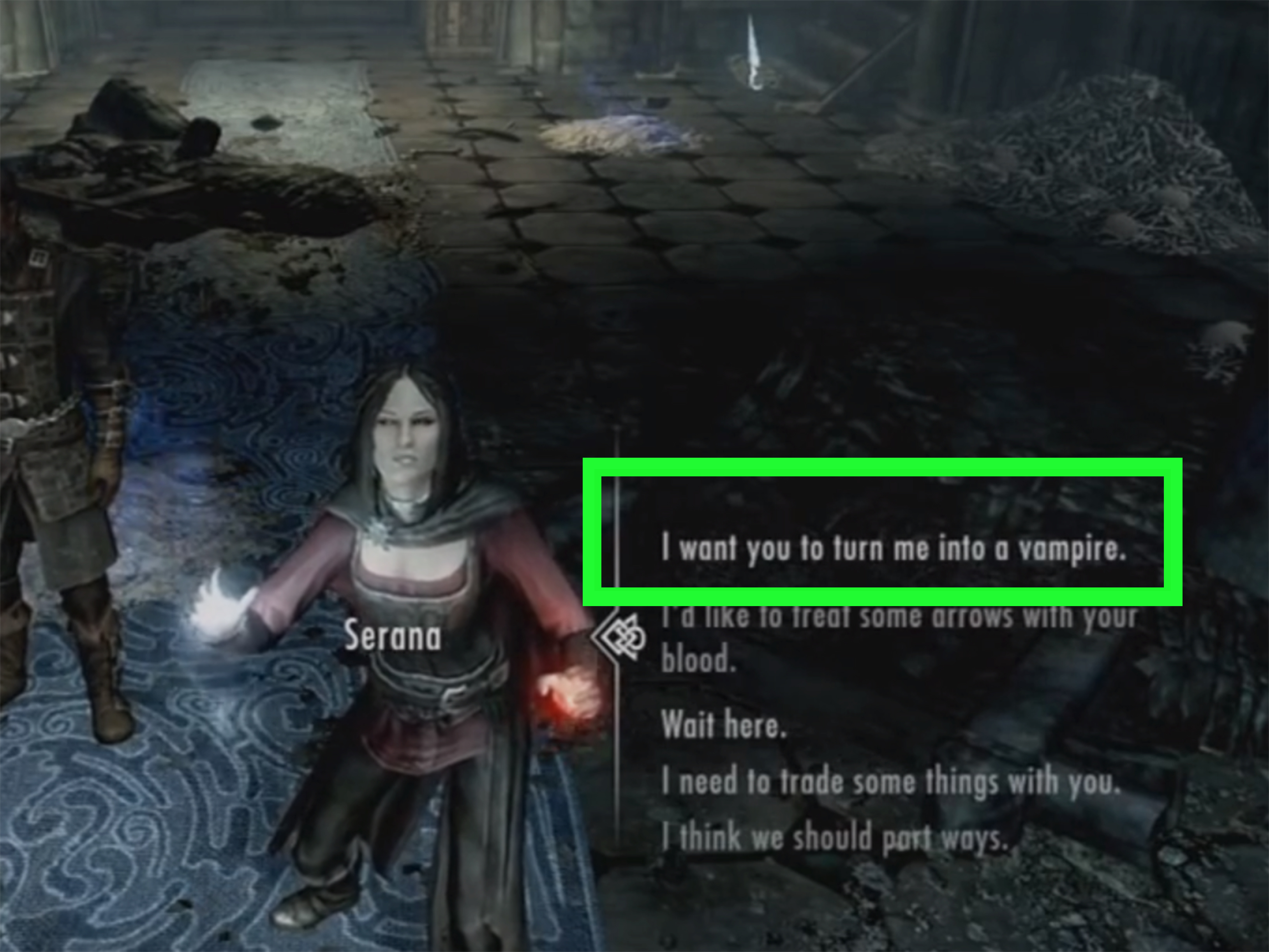
The Dawnguard method is indirect. You replace lycanthropy by becoming a Vampire Lord through Lord Harkon or Serana, then cure vampirism through Falion in Morthal. In other words, Dawnguard does not really hand you a silver bullet for lycanthropy. It hands you a different curse and says, “Good luck, champion.”
So if you are asking which route is more legitimate, more lore-friendly, and more straightforward, the answer is Companions. If you are asking which route can rescue a messy playthrough when you missed the clean cure timing or want to pivot into vampire content, Dawnguard becomes very useful.
Companions Method: How to Cure Lycanthropy the Intended Way
1. Progress through the Companions until “Glory of the Dead”
You first receive lycanthropy during the Companions questline, specifically as part of the Circle’s initiation into Beast Blood. To remove it properly, you need to continue that story until the quest “Glory of the Dead”. This is the turning point where Kodlak Whitemane’s wish to be free of lycanthropy becomes central to the story.
This matters for more than mechanics. The Companions cure has narrative weight. Kodlak does not merely want power. He wants peace. He believes lycanthropy binds the soul to Hircine rather than Sovngarde, and curing it is part of the faction’s emotional payoff. So if you enjoy story cohesion, this route feels right in a way no workaround ever quite matches.
2. Bring a Glenmoril Witch Head to Ysgramor’s Tomb
During “Blood’s Honor”, you collect a Glenmoril Witch Head as part of the questline. To cure yourself later, you need another head for your own ritual. This is where many players make their first big mistake: they rush through the coven, grab only what the objective seems to require, and leave without thinking ahead.
Veteran players usually collect extra heads on purpose. It saves trouble later, especially if you also plan to help Farkas and Vilkas with their own cures. If you did not keep enough, you may need to go back to Glenmoril Coven and see whether there is still a head available.
3. Use the Flame of the Harbinger
Return to Ysgramor’s Tomb and use the Glenmoril Witch Head at the Flame of the Harbinger. This summons your beast spirit. Defeat it, and lycanthropy is removed.
Mechanically, that is the cure. No potion, no shrine, no awkward conversation with a priest who has definitely seen too much. Just a ritual fire, a wolf spirit, and one last reminder that your Dragonborn’s life is never allowed to be normal.
4. Watch for timing issues
There is one small wrinkle. If you leave the tomb without curing yourself during the obvious story moment, some playthroughs effectively push you into the later “Purity” path. That means helping Farkas and Vilkas cure themselves before circling back to your own condition, provided you have enough extra witch heads. This is why experienced players often advise curing yourself immediately if you already know you do not want Beast Form long-term.
Dawnguard Method: How to Cure Lycanthropy Indirectly
1. Become a Vampire Lord
The Dawnguard approach works because Vampire Lord status replaces lycanthropy. If you accept Lord Harkon’s gift during “Bloodline”, your Beast Blood is removed and replaced with vampirism. Later in the DLC, Serana can also provide the transformation depending on your quest progress and choices.
This is why players sometimes call Dawnguard the “shortcut” cure. It bypasses the Glenmoril Witch Head requirement entirely. No trip back to Ysgramor’s Tomb. No wolf-spirit ritual. Just a dramatic plunge into vampire politics.
2. Cure vampirism through Falion
Of course, now you are a vampire. Or more specifically, a Vampire Lord. If your goal is to become fully human again, you must finish the second half of the cleanup job: talk to Falion in Morthal and complete “Rising at Dawn”.
That means obtaining a filled Black Soul Gem, returning to Falion, and meeting him at dawn for the ritual cure. Once that is done, your character is free of vampirism too.
3. Understand what you are trading
The Dawnguard route is efficient, but it is not pure. You are not curing lycanthropy so much as overwriting it, then curing the new condition afterward. For some players, that is perfectly fine. For others, it feels like fixing a dent in your armor by setting the whole blacksmith on fire.
Still, it is a fantastic option if you missed your extra witch heads, want to experiment with Vampire Lord powers, or are already deep into the Dawnguard storyline and do not want to backtrack into Companions cleanup.
Companions vs Dawnguard: Which Is Better?
| Category | Companions | Dawnguard |
|---|---|---|
| Type of cure | Direct cure of lycanthropy | Indirect replacement, then cure vampirism |
| Best for | Players finishing the werewolf storyline properly | Players pivoting to vampire content or fixing missed timing |
| Main requirement | Glory of the Dead + extra Glenmoril Witch Head | Dawnguard progress + Vampire Lord + Falion ritual |
| Roleplay value | Excellent | Messier, but flexible |
| Convenience | Simple if prepared | Simple if already doing Dawnguard |
| Risk of confusion | Mostly inventory and timing related | Can be confusing because you are not immediately human again |
Choose Companions if you want the cleanest, most story-consistent cure. Choose Dawnguard if you need flexibility, missed the clean ritual setup, or want to use Vampire Lord as a temporary bridge.
Best Method for Different Playstyles
For lore-first players
The Companions method is the obvious winner. It respects Kodlak’s storyline, closes the faction arc neatly, and feels like the “correct” ending for a character who never truly wanted Beast Blood.
For min-maxers
If you are optimizing bonuses, sleep buffs, and future build flexibility, curing lycanthropy sooner rather than later makes sense. The Companions route is usually cleaner, but Dawnguard can rescue the run if you no longer have the right inventory setup.
For curious experimenters
Dawnguard is more fun. You can test Vampire Lord gameplay, see whether the undead lifestyle suits your character, and then decide whether to keep it or head to Falion for a full reset.
Common Mistakes Players Make
First, they forget to keep extra Glenmoril Witch Heads. This is the most common headache and the reason many “How do I cure lycanthropy?” searches exist in the first place.
Second, they assume Dawnguard contains a direct werewolf cure menu option. It does not. You become a vampire first, then deal with that separately.
Third, they cure lycanthropy before finishing side content they wanted as a werewolf, such as totem-related Companion flavor or roleplay-heavy Beast Form runs.
Fourth, they forget that Aela can restore Beast Blood only in a limited way. So curing too casually can backfire if you later decide being a werewolf was actually kind of awesome.
Fifth, they confuse normal vampirism and Vampire Lord mechanics. In Skyrim, those systems overlap, but they are not identical in how players usually experience them. If you use the Dawnguard workaround, make sure you finish the job with Falion if your real goal is returning to normal humanity.
Can You Become a Werewolf Again After the Cure?
Yes, but with limits. After giving up Beast Blood, Aela the Huntress can grant lycanthropy again one additional time. That makes the choice less final than many players first assume, but it is still not something you should treat like changing outfits. Skyrim lets you be dramatic, not infinitely indecisive.
This matters most when comparing Companions and Dawnguard. If Dawnguard removes your lycanthropy by turning you into a Vampire Lord, you can still potentially return to werewolf form later through Aela. That flexibility is one reason the DLC route remains popular among players who like testing every supernatural build in a single save file.
Final Verdict
If your question is, “What is the best way to cure lycanthropy in Skyrim?” the answer is still the Companions route. It is the direct cure, the best-written cure, and the least convoluted cure when you are properly prepared.
If your question is, “What is the most useful backup option if my Companions setup is messy?” then Dawnguard wins. Becoming a Vampire Lord and then curing vampirism through Falion is a practical, flexible workaround that can save a playthrough.
So the real choice is not just Companions vs Dawnguard. It is closure vs convenience. Do you want a clean ending to the werewolf story, or do you want an adaptable path that lets you pivot into vampire content before returning to normal? Skyrim, as usual, gives you both. It just makes sure neither option happens without at least one haunted cave, one suspicious ritual, and one NPC who sounds like they absolutely should not be trusted.
Experience Section: What the Choice Feels Like in Real Playthroughs
In actual play, the difference between curing lycanthropy through the Companions and doing it through Dawnguard is not just mechanical. It feels different on an emotional level. The Companions cure usually arrives like a long-overdue exhale. By the time you reach Ysgramor’s Tomb, you have already seen Kodlak’s regrets, the faction’s divided feelings about Beast Blood, and the tension between power and peace. Throwing the witch head into the flame feels like the end of a story. It is tidy, dramatic, and satisfying. Even players who loved Beast Form often describe that moment as a proper turning point rather than just a status-effect cleanup.
Dawnguard, on the other hand, feels more like a strategic detour. It is the route players take when they are improvising, experimenting, or trying to salvage a save without retracing old steps. There is a certain charm to that. You start by trying to get rid of wolf powers, and suddenly you are standing in Castle Volkihar making eye contact with a vampire lord who clearly wins every family argument by turning into a bat monster. It is a very Skyrim kind of escalation.
Players who favor stealth, illusion, or dark-mage builds often find the Dawnguard path surprisingly natural. They may begin by curing lycanthropy only because they want sleep bonuses back or want to stop carrying Beast Form they never use. Then they get access to Vampire Lord, realize it fits their build better, and delay the Falion cure much longer than planned. What started as a cure becomes a whole new character identity. That is the sneaky strength of the Dawnguard route: it is less elegant, but it creates interesting character pivots.
Meanwhile, warrior builds often report the opposite experience. For a two-handed Nord, shield brawler, or honorable Companion-themed Dragonborn, becoming a vampire just to remove werewolf blood can feel like overcorrecting with a catapult. It works, sure, but it also sends the character in a direction that may clash with the roleplay. Those players usually prefer the Companions cure because it lets the story remain grounded in honor, brotherhood, and Kodlak’s final wish.
There is also the simple matter of regret. Many players cure lycanthropy, enjoy the restored normalcy for a while, and then suddenly miss the sheer chaos of launching bandits across a cave with oversized werewolf paws. That is when Aela’s limited ability to restore Beast Blood becomes important. In practice, a lot of people use the cure not as a permanent goodbye, but as a mid-playthrough reset. They test human form again, dabble in vampirism, then decide whether the beast still belongs in the story.
That is why this choice has stayed memorable for so many Skyrim fans. It is not just about removing a condition. It is about deciding what kind of hero, antihero, or supernatural disaster your Dragonborn is going to be.












