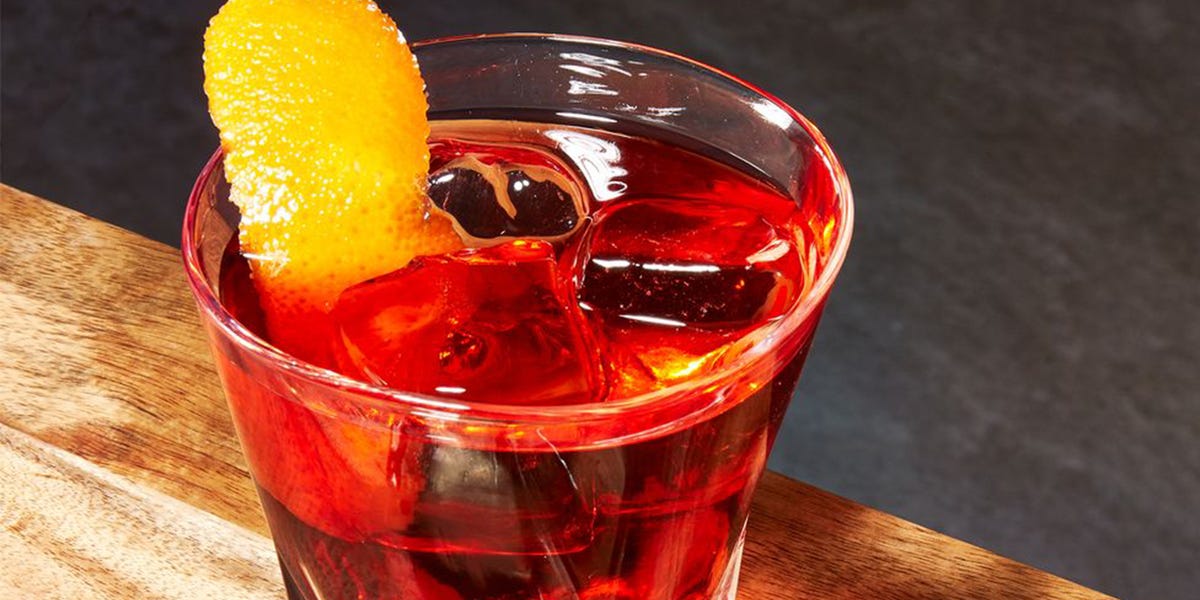
Ask a bartender what makes a cocktail great, and you may expect a poetic answer about rare bourbon, hand-squeezed citrus, or bitters so mysterious they sound like they were brewed by a wizard in a waistcoat. But behind the bar, one of the most important ingredients is also the quietest: cocktail ice.
Yes, ice. The frozen cube you may casually toss into a glass while thinking about literally anything else. In a well-made drink, ice is not just there to make things cold. It controls dilution, texture, aroma, temperature, presentation, and even how long your cocktail stays balanced. Bad ice can turn a sharp daiquiri into lime-flavored puddle water. Good ice can make a simple Old Fashioned look like it pays rent in a luxury hotel lobby.
This guide explores what cocktail ice is, why it matters, which types of ice work best for specific drinks, and how home bartenders can make better ice without turning the freezer into a science fair exhibit. Spoiler: you do not need a chainsaw, an ice sculpture certification, or a walk-in freezer. Though if you have those things, congratulations on your dramatic lifestyle.
What Is Cocktail Ice?
Cocktail ice is ice made, chosen, or shaped specifically to improve mixed drinks. Unlike everyday freezer ice, cocktail ice is selected for performance. That performance usually comes down to four main qualities: size, shape, clarity, and cleanliness.
A cocktail cube should chill a drink efficiently while adding the right amount of water. That last part is important. Dilution is not the villain. In fact, controlled dilution is what softens alcohol burn, opens aromas, blends citrus and sugar, and gives a cocktail its final texture. A drink with no dilution can taste harsh and unfinished. A drink with too much dilution tastes like it had a long emotional conversation with a glass of tap water.
The best cocktail ice is fresh, odor-free, solid, and appropriate for the drink. A large clear cube may be perfect for whiskey on the rocks, but it is completely wrong for a mint julep, where crushed ice creates the frosty, refreshing texture that defines the drink. Ice is not one-size-fits-all. It is more like footwear: hiking boots, dress shoes, and flip-flops all have their moment, but wearing the wrong one gets weird quickly.
Why Ice Matters More Than Most People Think
Ice Controls Temperature
The first job of ice is obvious: it chills. A cold cocktail tastes more focused, crisp, and refreshing. Temperature also changes how sweetness, bitterness, alcohol, and aromatics come across. A warm martini can taste oily and aggressive. A properly chilled martini feels sleek, bracing, and elegant.
Temperature matters before the drink even hits the glass. Chilled spirits, cold mixers, and chilled glassware reduce the amount of work the ice has to do. If you pour room-temperature soda into a highball, the ice melts faster because it must cool the soda down. If the soda is already cold, the ice preserves the drink instead of sacrificing itself immediately like a tiny frozen hero.
Ice Controls Dilution
Every cocktail made with ice receives water from melting ice. That water is not accidental; it is part of the recipe. When a bartender shakes a margarita or stirs a Manhattan, they are chilling and diluting at the same time. The trick is adding enough water to smooth the drink without making it flat.
Small pieces of ice have more surface area exposed to liquid, so they melt faster. Large cubes and spheres melt more slowly because they have a lower surface-area-to-volume ratio. This is why a big rock in an Old Fashioned keeps the drink cold without flooding it too quickly. Meanwhile, crushed ice melts faster, which is exactly what you want in drinks that are meant to be icy, refreshing, and slightly slushy.
Ice Affects Texture
Texture may sound like a fancy tasting-room word, but you notice it immediately. A shaken daiquiri should feel light, cold, and lively. A stirred Negroni should feel smooth and dense. A julep should build a frosty mound around the metal cup like it is auditioning for a winter postcard.
The ice you choose helps create that texture. Cubes in a shaker provide movement, chill, aeration, and dilution. Crushed ice creates a snow-like drinking experience. Pebble ice gives drinks a chewable, playful texture. A single large cube creates a slow-sipping mood, which is why it looks so natural under whiskey, aged rum, or a spirit-forward cocktail.
Ice Changes Presentation
Clear ice has become a badge of modern cocktail culture because it looks beautiful. A transparent cube in an amber Old Fashioned feels polished and intentional. A cloudy, cracked cube from the back of the freezer can still chill a drink, but visually it says, “I was stored next to frozen peas and I have seen things.”
Presentation is not shallow. People experience cocktails with their eyes first. Clear ice makes color, garnish, bubbles, and glassware stand out. It signals care. It also melts predictably when made as a dense, solid cube, especially compared with hollow or airy ice from some refrigerator machines.
The Main Types of Cocktail Ice
Standard Cubes
Standard one-inch cubes are the all-purpose workhorses of cocktail ice. They are useful for shaking, stirring, serving highballs, building mixed drinks, and chilling citrus-forward cocktails. If you only keep one type of ice at home, solid standard cubes are the most practical choice.
Use standard cubes for margaritas, daiquiris, whiskey sours, Tom Collins variations, gin and tonics, rum and Cokes, and everyday mixed drinks. Avoid hollow cubes when possible because they melt quickly and create inconsistent dilution.
Large Cubes
Large cubes are usually around two inches wide. They are excellent for spirit-forward drinks served on the rocks, such as an Old Fashioned, Negroni, Boulevardier, Vieux Carré, or a pour of bourbon. The large format melts slowly, chills steadily, and looks impressive without requiring a garnish shaped like a flamingo.
For home use, silicone molds are the easiest way to make large cubes. For a cleaner look and better flavor, use fresh filtered water and keep the cubes sealed after freezing so they do not absorb freezer odors.
Ice Spheres
Ice spheres perform similarly to large cubes, but with an even more dramatic look. Because a sphere has minimal surface area for its volume, it melts slowly and works well in whiskey, rum, tequila, and simple spirit-forward cocktails. A crystal-clear sphere floating in a rocks glass has serious “I know what I’m doing” energy, even if dinner was cereal.
Spheres are best for sipping drinks, not shaking or stirring. They are presentation ice, not mixing ice. Use them when the drink is already properly diluted or when the drink is designed to evolve slowly in the glass.
Collins Spears
Collins spears are long rectangular pieces of ice used in tall glasses. They are ideal for highballs, Collins-style cocktails, spritzes, and fizzy drinks. A spear chills the drink evenly while preserving carbonation better than a pile of small, wet cubes.
Use a Collins spear for a whiskey highball, Tom Collins, gin fizz variation, ranch water, tequila soda, or any tall drink where bubbles matter. The spear also creates a clean visual line in the glass, which makes even a simple drink look composed.
Crushed Ice
Crushed ice is fast-chilling, fast-melting, and wonderfully refreshing. It is essential for mint juleps, swizzles, cobblers, tiki drinks, and many tropical cocktails. It creates a frosty texture and encourages the drink to keep changing as you sip.
At home, you can make crushed ice by wrapping cubes in a clean towel or Lewis bag and tapping them with a mallet or rolling pin. This is also an excellent way to release minor frustrations, as long as your counter can survive your mixology journey.
Pebble or Nugget Ice
Pebble ice, sometimes called nugget ice, is soft, chewable, and great for casual, refreshing drinks. It works beautifully in juleps, tiki drinks, spritz-style builds, iced coffee cocktails, and nonalcoholic mocktails. It melts faster than large cubes, but that is part of the appeal. It makes drinks feel relaxed, cold, and snackable.
Home nugget ice machines have become popular, but they are not necessary for every bar. If you love crushed-ice drinks several times a week, a machine can be useful. If you make one julep a year while wearing a hat you found in a closet, a towel and mallet are enough.
Clear Ice: Beautiful, Useful, and Slightly Obsessed Over
Clear ice is made by controlling the direction in which water freezes. Ordinary ice often freezes from the outside inward, trapping air bubbles and minerals in the center. That creates cloudy ice. Directional freezing encourages water to freeze from one direction, pushing bubbles and impurities away from the clear section.
The easiest home method uses a small insulated cooler. Fill the cooler with water, leave the lid off, and place it in the freezer. Because the sides and bottom are insulated, the water freezes mostly from the top down. After a day or so, remove the block before everything freezes solid, cut away the cloudy portion, and divide the clear block into cubes.
Does clear ice always taste better? Not automatically. Clarity itself is mostly about trapped air and freezing direction. Flavor depends more on water quality and storage. However, clear ice is often denser, more solid, and larger than standard tray ice, which helps it melt more slowly and perform better in sipping drinks.
How to Make Better Cocktail Ice at Home
Start With Clean Water
If your tap water tastes good, it can make good ice. If your tap water tastes strongly of minerals, chlorine, or mystery basement pipe, use filtered water. Distilled water can help with flavor neutrality, but it will not magically create perfect clear ice without directional freezing.
Use Covered Trays or Airtight Containers
Ice absorbs odors easily. That means uncovered cubes can pick up smells from garlic bread, frozen fish, leftover chili, or whatever ancient container is living in the back of the freezer. Store finished cocktail ice in sealed freezer bags or airtight containers.
Avoid Wet, Half-Melted Ice
Wet ice melts quickly and causes unpredictable dilution. If your ice has been sitting out in a bowl for too long, it is already losing structure. Use cold, hard ice straight from the freezer for shaking and stirring. For large clear cubes, let them temper for a minute before placing them in a glass so they are less likely to crack from sudden temperature shock.
Make More Ice Than You Think You Need
Under-icing is one of the most common home bartending mistakes. A shaker with too little ice warms up faster and dilutes poorly. A highball with three lonely cubes bobbing around like tiny lifeboats will not stay crisp. Fill the shaker properly. Fill the glass properly. Ice is not garnish; it is structure.
Matching Ice to Cocktails
Old Fashioned
Use one large cube or sphere. The drink is spirit-forward and meant for slow sipping, so slow dilution is ideal. A clear cube also shows off the color of the whiskey and makes the orange peel look more intentional.
Martini
Use solid cubes for stirring, then strain into a chilled glass. A martini is usually not served over ice, but ice is still essential in preparation. Stirring with dense cubes chills the gin or vodka while adding just enough water to round the edges.
Margarita
Use standard cubes in the shaker. For a margarita on the rocks, strain over fresh cubes rather than dumping in tired shaker ice. Fresh ice keeps the drink colder and cleaner in the glass.
Mojito
Use crushed ice or small cubes. A mojito should be cold, minty, bright, and refreshing. Crushed ice helps integrate lime, sugar, mint, rum, and soda while keeping the drink lively.
Negroni
Use one large cube. The Negroni is bold, bitter, and aromatic. A large cube slows dilution and lets the drink open gradually as you sip.
Whiskey Highball
Use a Collins spear or large, solid cubes. Chill the glass, whiskey, and soda first. Cold ingredients help preserve carbonation and keep the drink sharp instead of watery.
Mint Julep
Use crushed or pebble ice, and use a lot of it. The signature frost on the outside of the cup is part of the experience. A julep without crushed ice is like a porch swing without a porch.
Common Cocktail Ice Mistakes
Using Old Freezer Ice
If your ice smells like frozen onions, your cocktail will not escape unscathed. Make fresh ice before serving drinks, especially for simple cocktails where every ingredient is noticeable.
Using Too Little Ice
More ice does not automatically mean more dilution. In many cases, a properly filled glass stays colder and slows melting because the drink reaches a stable cold temperature faster. Too little ice melts quickly and leaves the drink weak.
Using the Same Ice for Everything
Large cubes, crushed ice, and standard cubes all behave differently. Choosing the right ice is like choosing the right pan for cooking. You can make pancakes in a stockpot, but society will have questions.
Ignoring Glass Temperature
A warm glass steals chill from the drink. Chilling coupe, rocks, and highball glasses makes a noticeable difference, especially for spirit-forward cocktails and carbonated drinks.
Simple Cocktail Ice Setup for a Home Bar
You do not need a professional bar program to improve your ice. A practical home setup can include one standard cube tray, one large cube mold, one airtight storage container, and a way to crush ice. Add a small cooler for directional freezing if you want clear ice.
For most people, the best upgrade is not a gadget. It is freshness. Make ice with clean water, store it properly, and use enough of it. That alone will improve margaritas, highballs, sours, spritzes, and spirit-forward drinks.
If you entertain often, make ice ahead of time. Freeze large cubes several days before the party and store them in sealed bags. Prepare crushed ice shortly before serving or buy a bag of clean pellet ice if the drink menu calls for it. For punch, freeze a large block or decorative ice ring with citrus wheels, herbs, or berries. Big-format ice melts slowly and keeps the bowl festive without watering it down too quickly.
Experience Notes: What Cocktail Ice Teaches You After a Few Rounds
The first time you pay attention to cocktail ice, you may feel slightly ridiculous. There you are, staring into a glass, judging a cube as if it has applied for a job. But after making the same drink with different ice, the difference becomes obvious. A whiskey sour shaken with plenty of hard cubes comes out cold, bright, and foamy. The same drink shaken with a handful of tired, wet ice tastes thin before it even reaches the glass.
One of the easiest experiments is the Old Fashioned test. Make one Old Fashioned over several small refrigerator cubes and another over one large cube. At first, both drinks may taste similar. After ten minutes, the difference shows up. The drink with small cubes becomes softer and lighter faster. The drink with the large cube stays stronger, colder, and more structured. Neither version is morally superior, of course. It is a cocktail, not a courtroom. But the large cube gives the drink more time to evolve gracefully.
Highballs teach another lesson. A whiskey soda with warm soda water and random cubes can taste flat within minutes. Use chilled soda, a cold glass, and a tall spear of ice, and suddenly the drink feels brighter. The bubbles last longer. The whiskey smells cleaner. The whole thing becomes refreshing instead of merely alcoholic and fizzy.
Crushed ice has its own personality. It is not subtle, and it does not want to be. In a mint julep, it turns bourbon, sugar, and mint into something that feels like air conditioning in a cup. In tiki drinks, it keeps strong flavors playful and bright. It dilutes faster, yes, but those drinks are designed for it. The melting ice becomes part of the rhythm. You sip, the drink softens, the mint opens, the glass frosts, and suddenly you understand why people develop opinions about ice with alarming confidence.
Clear ice is the show-off of the family, but in the best way. Dropping a clear cube into a rocks glass makes even a simple drink feel considered. Guests notice it immediately. Someone will ask how you made it. Someone else will say they saw a video about it. A third person will quietly wonder if they should start caring about ice too. That is how it begins.
The practical experience is this: better cocktail ice does not make you pretentious. It makes your drinks more consistent. It helps you control chill, dilution, and texture. It also makes the ritual of mixing drinks more enjoyable. You slow down. You choose the glass. You select the ice. You build the drink with intention. And when the first sip tastes balanced, cold, and exactly right, the humble ice cube finally gets its applause.
Conclusion
Cocktail ice may look simple, but it is one of the most powerful tools in drink-making. It chills, dilutes, textures, and presents the cocktail. Standard cubes are reliable for shaking and everyday drinks. Large cubes and spheres are ideal for slow-sipping classics. Collins spears help highballs stay crisp. Crushed and pebble ice bring refreshing texture to juleps, swizzles, and tropical cocktails.
The secret is not just making prettier ice. It is understanding what each drink needs. Once you start matching ice to the cocktail, your home drinks become colder, cleaner, better balanced, and far more impressive. In other words, cocktail ice is not just frozen water. It is the quiet ingredient that turns “pretty good” into “please make me another one.”
Note: This article is fully rewritten in original language for web publishing and synthesized from reputable cocktail, food, beverage, and home-bartending knowledge sources.