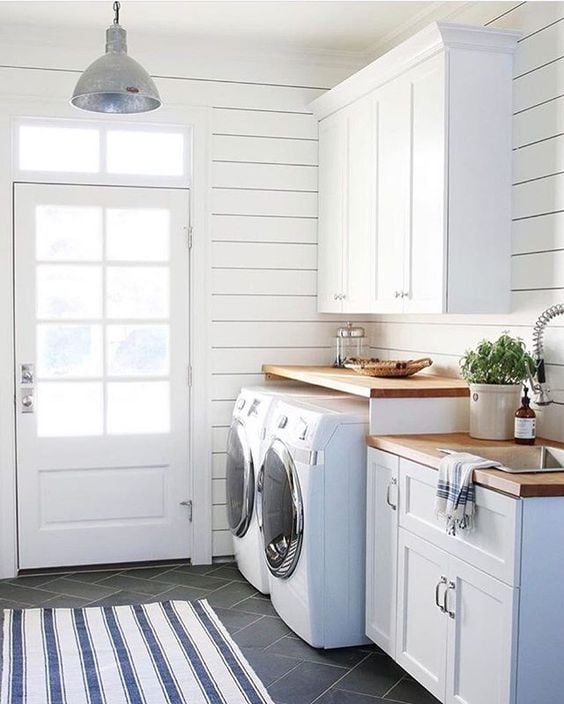
A farmhouse laundry room does not need a luxury renovation budget, a custom cabinet installer, or a dramatic “before and after” moment involving a sledgehammer and regret. In fact, the best farmhouse laundry rooms often begin with very ordinary ingredients: a blank wall, a messy shelf, a few baskets, a can of paint, and the quiet determination to stop storing detergent on top of the dryer like it is living its best chaotic life.
The farmhouse look is popular because it feels warm, honest, and useful. It combines practical storage with soft colors, wood tones, vintage-inspired details, and a little bit of “fresh sheets hanging on a clothesline” charmeven if your actual laundry reality includes mismatched socks and towels that mysteriously multiply. The good news is that this style is incredibly budget-friendly when you focus on simple upgrades instead of full remodeling.
This guide will show you how to create a farmhouse laundry room on a budget using affordable materials, smart organization, DIY-friendly projects, and design tricks that make even a small laundry closet feel more intentional. Whether you have a separate laundry room, a hallway laundry nook, a basement corner, or a tiny space behind folding doors, you can make it prettier, calmer, and much easier to use.
What Makes a Laundry Room Feel “Farmhouse”?
Farmhouse style is not just about putting a sign that says “Laundry Co.” above the washer and calling it a dayalthough, honestly, a cute sign never hurt anyone. A farmhouse laundry room usually blends four key elements: natural texture, practical storage, soft neutral colors, and vintage-inspired details. Think white or warm beige walls, wood shelves, woven baskets, black hooks, beadboard, shiplap, glass jars, wire bins, and simple lighting.
The style works especially well in laundry rooms because it celebrates function. Open shelving is not just pretty; it keeps detergent, dryer sheets, stain removers, lint rollers, and clothespins within reach. Peg rails are charming, but they also hold bags, cleaning brushes, dog leashes, or hangers. Baskets look decorative, but they quietly hide the visual crimes committed by loose socks, rags, and half-used cleaning supplies.
The secret is balance. Too much decor can make a laundry room harder to clean and use. Too much utility can make it feel like a supply closet with plumbing. The farmhouse sweet spot is a room that says, “I am organized,” while still allowing real life to happen.
Start With a Budget-Friendly Laundry Room Plan
Before buying anything, measure your space and decide what problems you actually need to solve. A beautiful laundry room that still has no place for hang-dry clothes is like a gorgeous coffee mug with a hole in the bottom: cute, but emotionally unhelpful.
Ask These Questions First
Do you need more storage above the washer and dryer? Do you need a folding surface? Are cleaning products cluttering the floor? Do you have a top-loading washer that requires overhead clearance? Do you need a place for delicates to dry? Are you storing pet supplies, paper towels, extra linens, or household tools in the same room?
Once you know the problems, assign your budget to solutions. For example, if your biggest issue is clutter, spend money on shelves, baskets, and labels. If the room feels dark and sad, start with paint, lighting, and a mirror. If your floor is outdated but still functional, peel-and-stick floor tile or a washable runner can give you a fresh look without the cost of professional tile work.
Set a Realistic Budget Range
A small farmhouse laundry room refresh can often be done in stages. A mini makeover might include paint, two shelves, baskets, hooks, and a rug. A mid-level update could add peel-and-stick backsplash, a folding counter, upgraded lighting, and matching storage containers. A bigger budget may include cabinets, a utility sink upgrade, built-in shelving, or new flooring.
For most homeowners or renters, the smartest approach is to start with visible, high-impact changes. Paint the walls. Add wood shelves. Hide clutter in baskets. Replace flimsy plastic containers with glass jars or labeled bins. Install hooks. These changes are affordable, reversible in many cases, and surprisingly powerful.
Choose a Farmhouse Color Palette That Looks Clean
Farmhouse laundry rooms usually look best in colors that feel clean but not sterile. White is classic, but soft white, cream, greige, warm gray, sage green, dusty blue, and mushroom beige can feel more welcoming. If your laundry room has no window, avoid overly dark colors unless you have strong lighting. A windowless laundry closet painted deep charcoal may look dramatic online, but in real life it can feel like washing towels inside a cave.
For a budget makeover, paint gives you the biggest transformation for the least money. Use a durable interior paint with a washable finish, especially because laundry rooms deal with moisture, detergent splashes, dust, and lint. A satin or eggshell finish usually works well for walls, while semi-gloss is practical for trim and doors.
Easy Farmhouse Color Combinations
Try warm white walls with natural wood shelves and matte black hooks for a clean modern farmhouse look. Pair soft sage walls with white baskets and brass accents for a gentle cottage farmhouse mood. Use greige walls, black metal baskets, and a striped runner if you want something neutral but not boring. For a tiny laundry area, white walls with a wood countertop can make the space feel brighter and more open.
Add Open Shelving for Instant Farmhouse Charm
Open shelving is one of the most useful farmhouse laundry room ideas because it adds storage and style at the same time. A simple wood shelf above the washer and dryer can hold detergent jars, baskets, folded towels, stain supplies, and a small plant. Two shelves can completely change the room, especially if you style them with a mix of practical items and decorative texture.
For a low-cost DIY option, buy pine boards, sand them, stain or seal them, and mount them with sturdy brackets. If you prefer a brighter look, paint the shelves white or cream. Black metal brackets create a modern farmhouse feel, while wood corbels lean more rustic. Always use wall anchors or mount into studs when possible, because laundry supplies can get heavy quickly.
What to Store on Open Shelves
Keep frequently used items at eye level: detergent, stain remover, dryer balls, clothespins, and cleaning cloths. Store less-used items in labeled baskets: extra sponges, seasonal linens, appliance manuals, and backup supplies. Use glass jars for powdered detergent, oxygen booster, or clothespins only if they are clearly labeled and kept away from small children and pets. Pretty is wonderful; safety is better.
The key to open shelving is editing. If every bottle, box, rag, and mystery spray sits out in the open, your farmhouse laundry room will look less like a magazine and more like a supply aisle after a small tornado. Use baskets to group categories and keep only the attractive or frequently used items visible.
Use Baskets, Bins, and Labels Like a Design Tool
Baskets are basically the farmhouse laundry room’s secret weapon. Woven baskets add warmth, wire baskets add vintage utility, and fabric bins soften the space. The best part is that baskets do not need to be expensive. Thrift stores, discount retailers, craft stores, and online marketplaces often have affordable options.
Use one basket for lost socks, one for cleaning rags, one for delicate laundry bags, and one for extra supplies. If every family member has their own basket, laundry sorting becomes easier and fewer clean clothes end up living on a chair for three business days. Labels can be printed, handwritten on kraft tags, or added with a label maker for a cleaner look.
Farmhouse Label Ideas
Simple labels work best: “Whites,” “Darks,” “Rags,” “Delicates,” “Pet Towels,” “Stain Kit,” and “Backstock.” Avoid overly clever labels if they make the system harder to understand. A laundry room should not require guests to decode rustic poetry just to find a dryer sheet.
Create a Folding Station Without Custom Cabinets
A folding surface can make your laundry room feel instantly more functional. If you have front-loading machines, consider adding a countertop over the washer and dryer. Butcher block, plywood with a finished edge, laminate countertop, or a sealed wood panel can work beautifully. Make sure the surface is properly supported and does not interfere with appliance ventilation, hookups, or maintenance access.
If you have a top-loading washer, you can still create a folding station with a wall-mounted drop-down table, a narrow console table, or a rolling cart with a flat top. In a small laundry closet, even a shelf placed near the dryer can provide enough space to fold towels or sort socks.
Budget Countertop Tip
For a farmhouse look, choose warm wood or a wood-look laminate. Seal real wood well so it resists moisture. Add a small tray for dryer balls and a lint brush, then keep the rest of the surface clear. The goal is a folding station, not a landing zone for old receipts, batteries, and that one button nobody recognizes.
Install Hooks, Peg Rails, and Hanging Rods
Vertical storage is a lifesaver in laundry rooms, especially small ones. Hooks can hold mesh laundry bags, cleaning brushes, reusable shopping bags, ironing tools, or hangers. A Shaker-style peg rail brings farmhouse charm and practical storage to an empty wall. It looks intentional, costs less than cabinetry, and can be installed in an afternoon.
A hanging rod is another affordable upgrade. Install one beneath a shelf or between two cabinets to create a place for air-drying shirts, hanging delicates, or staging clothes before they go to the closet. If floor space is limited, consider a wall-mounted drying rack that folds flat when not in use.
Where to Place Hooks
Use the back of the door, the side wall near the washer, the area above a utility sink, or an empty strip of wall beside the machines. Over-the-door hooks are especially helpful for renters because they add function without drilling. For a more finished farmhouse look, choose matte black, oil-rubbed bronze, aged brass, or simple white hooks.
Add Farmhouse Wall Texture on a Budget
Shiplap, beadboard, and board-and-batten are classic farmhouse wall treatments, but you do not need to cover every wall. A single accent wall behind the washer and dryer can create a big visual impact. Beadboard panels are often budget-friendly and easier to install than individual boards. Peel-and-stick wallpaper can also create a charming backdrop, especially in a laundry closet or small nook.
If you love shiplap but not the price, consider thin plywood strips, primed wall planks, or even a painted faux shiplap line treatment. Just remember that laundry rooms can be humid, so choose materials carefully and avoid trapping moisture behind poorly sealed panels.
Best Budget Wall Ideas
Painted beadboard gives a cozy cottage feel. Peel-and-stick subway tile creates the look of a backsplash without grout. Removable wallpaper adds pattern and is renter-friendly when installed correctly. A simple chair rail with paint above and below can make the room feel more designed. Even a painted door in sage green or soft blue can add farmhouse personality for very little money.
Upgrade the Floor Without a Full Renovation
Laundry room floors need to handle moisture, traffic, lint, and the occasional detergent drip. If your current floor is ugly but stable, you may not need to replace it. Peel-and-stick vinyl tiles, sheet vinyl, washable rugs, and indoor-outdoor runners are budget-friendly ways to refresh the floor.
For farmhouse style, look for patterns that mimic brick, slate, aged wood, encaustic tile, or simple black-and-white designs. A runner can soften the space and add pattern, but choose one that is washable or easy to clean. Laundry rooms are not the place for a delicate rug that panics every time a wet towel appears.
Make Lighting Feel Warm and Useful
Lighting can completely change a laundry room. Many laundry spaces have one lonely ceiling fixture that makes the room feel like a storage unit. Replace an outdated light with a simple flush mount, semi-flush fixture, or farmhouse-inspired pendant if the ceiling height allows. Black, brass, galvanized metal, or milk glass finishes all work well.
Use warm white bulbs, but make sure they are bright enough for stain checking and folding. If your laundry room has shelves, battery-powered puck lights or LED strip lights can add helpful task lighting. Good lighting makes the room look cleaner and makes it easier to spot stains before they become permanent souvenirs.
Decorate With Useful Farmhouse Details
The best farmhouse laundry room decor earns its keep. A framed stain-removal chart can be both cute and useful. A small clock helps you remember when a load is done. A vintage-style jar can hold clothespins. A tray can corral small items. A wall basket can hold dryer sheets or wool dryer balls. Art is welcome, but leave enough space for actual laundry tasks.
Try adding one or two decorative pieces rather than filling every inch. A small landscape print, a black-and-white sign, a faux or real plant, and a woven basket may be enough. Farmhouse style feels best when it has breathing room. Clutter is not “rustic”; it is just clutter wearing boots.
Small Farmhouse Laundry Room Ideas
Small laundry rooms can still look beautiful and work hard. The trick is to use every inch without overcrowding the space. Stack front-loading machines if your appliances are designed for stacking. Add floating shelves above the machines. Use a narrow rolling cart between the washer and wall. Hang a broom holder, peg rail, or over-the-door organizer. Keep the floor as clear as possible so the space feels larger.
If your laundry area is in a hallway or closet, use matching baskets and a simple curtain or sliding door to soften the view. Paint the inside of the laundry closet a pretty color, add peel-and-stick wallpaper behind the machines, and install a shelf for supplies. A tiny space can still have a design moment. It just needs to be disciplined, like a sock drawer after a rare burst of motivation.
Budget Breakdown: What to Buy First
If you are working with a tight budget, prioritize upgrades in this order: paint, storage, lighting, wall texture, floor refresh, decor. Paint changes the mood. Storage changes the function. Lighting changes how clean and finished the room feels. Wall texture adds farmhouse character. Flooring and decor finish the look.
A very affordable starter list might include one gallon of paint, two wood shelves, four brackets, three baskets, a peg rail, a washable runner, and a few labels. A slightly larger project might add a wood countertop, peel-and-stick backsplash, a new light fixture, and a drying rod. The key is to avoid buying random cute things before you solve the room’s practical problems.
DIY Farmhouse Laundry Room Project Ideas
1. Build Simple Wood Shelves
Cut pine boards to size, sand the edges, stain or paint them, and mount them with sturdy brackets. This is one of the easiest ways to add farmhouse character and practical storage.
2. Add a Lost Sock Station
Use a small sign, clips, or a wire basket to create a home for lonely socks. Will it solve the mystery of disappearing socks? No. But it will make the mystery look organized.
3. Create a Stain Kit Basket
Group stain remover, a small brush, white cloths, and a simple care guide in one labeled basket. Keeping these supplies together makes laundry day faster and prevents frantic cabinet digging.
4. Install a Peg Rail
A peg rail offers classic farmhouse style and flexible storage. Hang it near the door or above a folding counter for bags, brushes, hangers, or baskets.
5. Make a Countertop Over Front Loaders
If your machines are front-loading and side by side, a sealed wood counter can create a folding area. Always allow space for appliance movement, airflow, and access to hookups.
Common Mistakes to Avoid
The first mistake is choosing style over function. A laundry room needs to work first. Open shelves look lovely, but if you need to hide bulk supplies, closed baskets or cabinets may be better. The second mistake is ignoring appliance clearance. Top-loading washers need room to open. Dryers need ventilation. Machines may need to be pulled out for maintenance.
The third mistake is overdecorating. Too many signs, jars, plants, and trays can make the room harder to clean. The fourth mistake is buying storage before sorting your supplies. Declutter first, then buy containers that fit what remains. Otherwise, you may simply create a beautifully labeled museum of things you do not use.
Real-Life Experience: What Actually Works in a Budget Farmhouse Laundry Room
After helping plan and study many small-space laundry updates, one lesson becomes obvious: the most successful farmhouse laundry rooms are not the most expensive ones. They are the ones where every choice solves a real annoyance. A shelf is not just a shelf; it is the reason detergent stops sliding behind the washer. A basket is not just decor; it is the reason cleaning rags stop mingling with guest towels like they are at a very confusing party.
One of the best experiences with a budget farmhouse laundry refresh starts with removing everything from the room. This sounds simple, but it is strangely powerful. Once the detergent bottles, old hangers, mystery cords, extra tile samples, and half-empty cleaners are out in the open, the room’s real needs become clear. Most laundry rooms do not need more stuff. They need fewer items, better zones, and storage that matches daily habits.
A practical example: in a narrow laundry room with front-loading machines, the biggest problem was not the wall color. It was the lack of a folding area. Clothes came out of the dryer, landed on top of the machines, slid behind them, and occasionally emerged covered in lint like they had been on a wilderness retreat. Adding a simple sealed wood countertop changed the room immediately. Suddenly towels could be folded in place, socks could be matched, and the top of the machines looked intentional instead of stressed.
In another small laundry closet, open shelving made the biggest difference. Two stained wood shelves with black brackets created enough room for detergent, dryer balls, a stain basket, and three labeled bins. The room did not get bigger, but it felt bigger because the floor was clear. That is one of the best budget lessons: when items move off the floor and onto the wall, the whole space breathes.
Baskets are also worth discussing from experience because not all baskets behave the same. Woven baskets look beautiful, but they can snag delicate fabrics if used for loose clothing. They are better for supplies, paper goods, or cleaning cloths. Wire baskets are great when you need to see what is inside, but small items may slip through. Fabric bins hide visual clutter, but they need labels or everyone forgets what lives inside. The best farmhouse laundry rooms usually mix storage types instead of forcing one solution to do every job.
Paint is another budget hero. A fresh wall color can make old machines look newer and inexpensive shelves look custom. Warm white is safe and bright, but soft green, pale blue, and creamy beige often make laundry rooms feel more personal. The trick is to test paint in the actual room. Laundry spaces often have odd lighting, and a color that looks gentle in the store can look like hospital mint or wet cardboard at home. Paint samples are cheaper than repainting with a sigh.
One surprisingly useful upgrade is a dedicated hanging spot. Even a short rod under a shelf can prevent damp clothes from being draped over doors, chairs, or exercise equipment that has already suffered enough. A peg rail near the door can hold reusable bags, lint rollers, and hangers. These small additions make the room easier to use every week, not just prettier on the day it is finished.
The final experience-based tip is to leave some empty space. This feels wrong at first because every makeover instinct says to fill the shelf, style the tray, and add one more adorable sign. But laundry rooms need working room. Leave part of the counter clear. Leave one basket half-empty. Leave a shelf with breathing space. Real laundry expands. Towels happen. Guests visit. Kids change clothes three times in one afternoon for reasons known only to them and the carpet.
A budget farmhouse laundry room succeeds when it feels calm, useful, and easy to maintain. The goal is not perfection. The goal is a space that makes a repetitive chore feel a little less annoying and a little more pleasant. If your laundry room can hold supplies neatly, give you a place to fold, offer a spot for hang-dry clothes, and make you smile when you flip on the light, that is a win. And if it also helps you find the missing sock? Well, that is not design. That is magic.
Conclusion
You can create a farmhouse laundry room on a budget by focusing on the changes that matter most: fresh paint, vertical storage, open shelving, baskets, hooks, warm lighting, and useful decor. Instead of chasing an expensive remodel, build the room in smart layers. Start with function, then add texture, warmth, and charm.
The farmhouse look is forgiving because it welcomes simple materials and practical ideas. A wood shelf, a peg rail, a labeled basket, or a washable runner can make the room feel finished without draining your wallet. Most importantly, your laundry room should support the way you actually live. Design it for real loads, real messes, real schedules, and real people. That is where budget farmhouse style shines: it is beautiful, hardworking, and not afraid of a little lint.