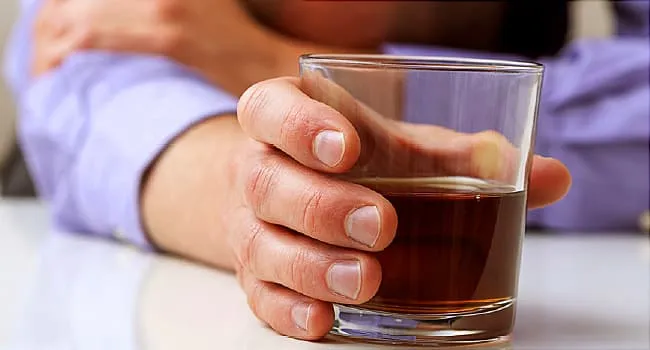
Substance abuse is one of those topics people often whisper about until it becomes too loud to ignore. It can begin with “just one drink,” “just a weekend thing,” “just a prescription,” or “just vaping because everyone else does it.” Then, somewhere between habit and harm, the word “just” quietly packs its suitcase and leaves the building.
In medical and public-health settings, the more accurate term is often substance use disorder, because the issue is not a lack of character, willpower, or motivational posters. It is a health condition that can affect the brain, behavior, relationships, school, work, finances, and physical safety. The good news is not tiny-good-news-with-a-sad-trumpet. It is real good news: substance use disorders are treatable, recovery is possible, and support works best when it comes with facts instead of shame.
This guide explains the major types of substances, how alcohol and tobacco fit into the bigger picture, why addiction develops, what warning signs may look like, and how prevention and treatment can help people move forward.
What Is Substance Abuse?
Substance abuse generally refers to the harmful use of alcohol, tobacco, prescription medications, or other drugs. A person may continue using a substance even when it causes problems with health, responsibilities, relationships, mood, safety, or the law. In clinical language, this pattern may be called a substance use disorder.
Not every use of a substance means addiction. A person can misuse a substance once, make a dangerous decision, and not have a disorder. But repeated use that becomes hard to control, causes cravings, leads to withdrawal symptoms, or continues despite negative consequences may point to a deeper problem.
Why the Brain Gets Involved
Addictive substances can affect the brain’s reward system. In plain English, the brain has a “that felt important, remember it” department. Substances can overload that system, making the brain prioritize the substance over healthier rewards like hobbies, friendships, sleep, exercise, or finally cleaning the room that has achieved archaeological status.
Over time, tolerance may develop. That means the same amount may not create the same effect, and the person may use more to chase the old feeling or avoid discomfort. Dependence can also occur, where the body adapts to the substance and reacts when it is reduced or stopped. Addiction involves compulsive use despite harm.
Common Types of Drugs and Substances
Substances affect the body in different ways. Some slow the nervous system, some speed it up, and some change perception, mood, or judgment. Understanding the categories helps remove mystery and replace it with useful awareness.
1. Alcohol
Alcohol is legal for adults, widely advertised, and socially accepted in many settings, which can make its risks easier to underestimate. It affects judgment, coordination, mood, sleep, memory, and decision-making. Heavy or frequent drinking can raise the risk of liver disease, heart problems, certain cancers, injuries, depression, anxiety, and alcohol use disorder.
Alcohol use disorder can range from mild to severe. Signs may include drinking more than intended, failed attempts to cut down, spending a lot of time drinking or recovering, cravings, continuing despite problems, and giving up important activities. One classic warning sign is when alcohol stops being part of life and starts acting like the manager of life. Spoiler: it is a terrible manager.
2. Tobacco and Nicotine
Tobacco includes cigarettes, cigars, smokeless tobacco, and other products. Nicotine is the addictive chemical that keeps many people returning to tobacco products even when they want to stop. Smoking is strongly linked to lung disease, heart disease, stroke, cancer, and many other health problems.
Vaping and e-cigarettes are often marketed as modern or less messy, but most contain nicotine, and nicotine is highly addictive. For young people, nicotine exposure is especially concerning because the brain is still developing. The device may look sleek, but addiction does not become healthier because it arrived in a shiny gadget.
3. Opioids
Opioids include prescription pain medicines as well as illegal opioids. They can reduce pain but also slow breathing and create a high risk of dependence, overdose, and death when misused. Opioid use disorder is a serious medical condition, not a personality flaw wearing a lab coat.
Overdose prevention is a major public-health priority. Naloxone can reverse opioid overdose when given in time, and emergency medical help is essential. Treatment for opioid use disorder may include medications, counseling, recovery support, and long-term care planning.
4. Stimulants
Stimulants increase activity in the central nervous system. Some are prescribed for conditions such as ADHD, while others are illegal. Misuse can lead to increased heart rate, anxiety, sleep problems, paranoia, mood changes, and dangerous cardiovascular effects.
Prescription stimulants should only be used as directed by a medical professional. Taking someone else’s medication is not a study strategy; it is a health risk with a backpack.
5. Sedatives, Tranquilizers, and Sleep Medicines
These substances slow brain activity and may be prescribed for anxiety, sleep disorders, or other conditions. Misuse can cause extreme drowsiness, confusion, poor coordination, memory problems, dependence, and dangerous interactions with alcohol or opioids.
One of the biggest risks is combining depressant substances. When multiple substances slow the body at the same time, the effects can become unpredictable and life-threatening.
6. Cannabis
Cannabis laws vary by state, but legal status does not erase health concerns. Cannabis can affect memory, attention, reaction time, coordination, mood, and motivation. Some people may develop cannabis use disorder, especially with frequent or early use.
For teens and young adults, cannabis deserves extra caution because brain development continues into the mid-20s. “Natural” does not automatically mean “risk-free.” Poison ivy is natural too, and nobody invites it to brunch.
7. Hallucinogens
Hallucinogens can alter perception, mood, and thinking. Some are being studied in controlled medical research settings, but unsupervised use can carry serious risks, including panic reactions, injury, impaired judgment, and worsening mental health symptoms in vulnerable people.
The key phrase is controlled medical setting. A research clinic and a random party are not the same environment, just as a surgeon and a guy with a butter knife are not the same career path.
8. Inhalants
Inhalants include chemicals found in certain household or industrial products. They are especially dangerous because they can rapidly affect the brain, heart, lungs, and nervous system. Even short-term misuse can cause serious harm.
Because inhalants may be common household items, prevention depends on education, supervision, and taking sudden chemical odors or hidden product containers seriously.
9. Prescription Drug Misuse
Prescription drug misuse means taking medication in a way not directed by a healthcare professional. This includes taking someone else’s medicine, taking more than prescribed, or using medicine for a non-medical reason. Commonly misused prescription drugs include opioids, stimulants, and central nervous system depressants.
A prescription label is not a VIP pass to experiment. Medicines can be helpful when used correctly and harmful when used casually.
Why Do People Develop Substance Use Problems?
There is rarely one single cause. Substance abuse often grows from a mix of biology, environment, stress, trauma, mental health, peer pressure, availability, family history, and repeated exposure. Some people are more vulnerable because of genetics. Others use substances to cope with anxiety, depression, loneliness, pain, or pressure.
That coping may seem to work at first. Alcohol may temporarily quiet stress. Nicotine may feel like a quick reset. A drug may make emotional pain step into the hallway for a minute. But substances are expensive therapists with terrible office hours. They often return the problem with interest.
Risk Factors
- Family history of addiction
- Untreated mental health conditions
- Early substance use during adolescence
- High stress or trauma exposure
- Peer pressure or easy access to substances
- Chronic pain or medical vulnerability
- Lack of supportive relationships
Protective Factors
- Strong family or community support
- Healthy coping skills
- Open conversations about substance risks
- Access to mental health care
- Positive friendships and activities
- Safe medication storage and disposal
- Early help when warning signs appear
Warning Signs of Substance Abuse
Substance abuse does not always arrive wearing a neon sign. Sometimes it shows up as small changes that become patterns. Warning signs can vary, but common red flags include:
- Using more than intended
- Trying to cut down but being unable to
- Cravings or strong urges to use
- Neglecting school, work, family, or responsibilities
- Withdrawing from friends or hobbies
- Secretive behavior or unexplained absences
- Mood swings, irritability, anxiety, or depression
- Changes in sleep, appetite, or appearance
- Risky behavior while impaired
- Continuing despite health, legal, or relationship problems
One sign alone does not prove addiction. But when several appear together, especially over time, it is worth paying attention. Waiting for a dramatic “rock bottom” is not required. Elevators have buttons for a reason; you do not have to ride all the way to the basement.
Alcohol, Tobacco, and “Everyday” Substances: Why They Still Matter
Many people picture substance abuse as only involving illegal drugs. That misses a huge part of the story. Alcohol and tobacco are legal for adults, but they are major causes of preventable disease and death. Their familiarity can make them seem harmless, like the friendly neighbor who borrows your lawnmower and returns it as confetti.
Alcohol can damage multiple organs and increase injury risk. Tobacco smoke exposes the body to toxic chemicals. Nicotine can create powerful dependence. Vaping may reduce exposure to some cigarette smoke toxins for adults who fully switch from smoking, but it is not harmless, and young people and non-users should not start.
Substance Abuse and Mental Health
Substance use and mental health often travel together. A person may use substances to cope with depression, anxiety, trauma, ADHD, grief, or stress. At the same time, substance use can worsen mental health symptoms, disrupt sleep, strain relationships, and make emotions harder to manage.
This is why effective treatment often looks at the whole person. Treating only the substance while ignoring mental health is like mopping the floor while the sink is still overflowing. Both issues deserve attention.
Treatment Options for Substance Use Disorder
Treatment is not one-size-fits-all. The best approach depends on the substance, severity, physical health, mental health, age, support system, and personal goals. Recovery may include medical care, therapy, peer support, family involvement, lifestyle changes, and sometimes medication.
Medical Evaluation and Withdrawal Support
Stopping some substances suddenly can be uncomfortable or dangerous, especially alcohol, benzodiazepines, and opioids. A medical professional can help determine whether supervised withdrawal management is needed.
Behavioral Therapy
Therapies such as cognitive behavioral therapy can help people identify triggers, change harmful thought patterns, build coping skills, and plan for high-risk situations. Therapy is not just “talking about feelings.” It is more like learning how to drive your brain without letting every craving grab the steering wheel.
Medications for Addiction Treatment
Medications can be effective for certain substance use disorders, including opioid use disorder, alcohol use disorder, and tobacco dependence. These treatments can reduce cravings, lower overdose risk, support abstinence or reduced use, and help the brain stabilize.
Peer and Community Support
Support groups, recovery communities, family support, school counselors, faith-based support, and community programs can reduce isolation. People heal better when they are not treated like a problem to be hidden in the garage.
Recovery Is a Process
Recovery may include setbacks. A setback does not erase progress. It means the plan needs adjustment, support needs strengthening, or triggers need better management. People do not fail recovery; recovery plans sometimes need repairs.
Prevention: What Actually Helps?
Prevention works best when it is honest, practical, and early. Fear-based lectures often bounce off people like rubber balls. Real prevention gives people skills, accurate information, connection, and healthier ways to cope.
- Talk openly about alcohol, tobacco, vaping, and drugs without glamorizing them.
- Store prescription medications safely and dispose of unused medicine properly.
- Build stress-management habits before stress becomes a five-alarm fire.
- Encourage sleep, exercise, hobbies, and supportive friendships.
- Watch for mental health struggles and seek help early.
- Set clear family, school, and workplace expectations.
- Reduce stigma so people feel safe asking for help.
How to Help Someone Who May Be Struggling
Helping someone with substance abuse requires compassion and boundaries. Start with concern, not accusation. Choose a calm time. Use specific observations. For example: “I noticed you have missed school twice this week and seem exhausted. I’m worried about you.” That lands better than “Your life is a disaster,” which usually makes a person build an emotional bunker.
Encourage professional help. Offer to sit with them while they call a trusted adult, doctor, counselor, or treatment resource. If there is immediate danger, overdose, loss of consciousness, trouble breathing, or severe confusion, call emergency services right away.
500-Word Experience Section: Real-Life Lessons Around Substance Abuse
When people talk about substance abuse, they often imagine a dramatic movie scene: flashing lights, ruined rooms, tearful speeches, and someone staring into a bathroom mirror like they are auditioning for an award. Real life is usually quieter. Substance problems often begin in ordinary places: a kitchen after work, a bedroom after school, a party, a locker room, a doctor’s office, a group chat, or a car parked outside a convenience store.
One common experience is the slow shift from choice to routine. A person may start drinking to relax after stressful days. At first, it feels controlled. Then “only weekends” becomes “only after hard days,” and suddenly every day has found a way to become hard. The substance becomes a shortcut for comfort, but shortcuts can turn into loops. The person is no longer moving forward; they are circling the same block, wondering why the scenery looks suspiciously familiar.
Another experience involves social pressure. Someone may not want to vape, drink, or try a drug, but they do not want to look awkward either. The fear of being left out can feel stronger than the fear of health risks, especially when everyone around them acts like it is no big deal. This is why confidence skills matter. A simple “No, I’m good” can be powerful. It does not need a courtroom defense. You do not owe anyone a 12-slide presentation about your lungs.
Families often experience confusion before clarity. Parents, siblings, and friends may notice missing money, mood changes, secrecy, or declining performance, but they may explain it away at first. “They’re just stressed.” “It’s just a phase.” “They’re tired.” Sometimes those explanations are true. Sometimes they are the wrapping paper around a bigger issue. The lesson is not to panic at every change, but to pay attention to patterns.
People in recovery often describe the importance of replacing, not just removing. If substance use filled a rolestress relief, social connection, escape, energy, sleep, confidencethen recovery needs healthier tools for those same needs. That might include therapy, exercise, music, art, journaling, medication when appropriate, support groups, better sleep, new friendships, or honest conversations. Removing the substance without replacing its function can leave a person standing in an emotional empty room, wondering what to do with the echo.
There is also a lesson in language. Shame rarely helps. Calling someone “weak” or “bad” can push them further away from support. Clear language matters: “I care about you.” “I’m worried.” “Help is available.” “You are not alone.” These words are not magic spells, but they open doors. And when someone is struggling, an open door can matter more than a perfect speech.
The biggest experience-based takeaway is this: substance abuse is not solved by denial, drama, or judgment. It is addressed through honesty, science, support, boundaries, and time. Recovery is not always neat. It may involve difficult conversations, professional treatment, relapse prevention, and rebuilding trust. But people do recover. Families heal. Habits change. Brains adapt. Futures reopen. That is not a motivational poster; it is a public-health reality worth repeating.
Conclusion
Substance abuse includes alcohol, tobacco, prescription drug misuse, opioids, stimulants, sedatives, cannabis, inhalants, hallucinogens, and more. While each substance has different effects, the core concern is the same: continued use despite harm. Addiction can affect the brain and behavior, but it is treatable. Prevention, early support, medical care, therapy, recovery communities, and compassionate accountability can make a major difference.
The most helpful approach is not panic or shame. It is knowledge with a backbone. Understand the risks. Notice the warning signs. Take alcohol and tobacco seriously. Treat mental health as part of the picture. Ask for help early. And remember that recovery is not about becoming perfect; it is about becoming healthier, safer, and more free.