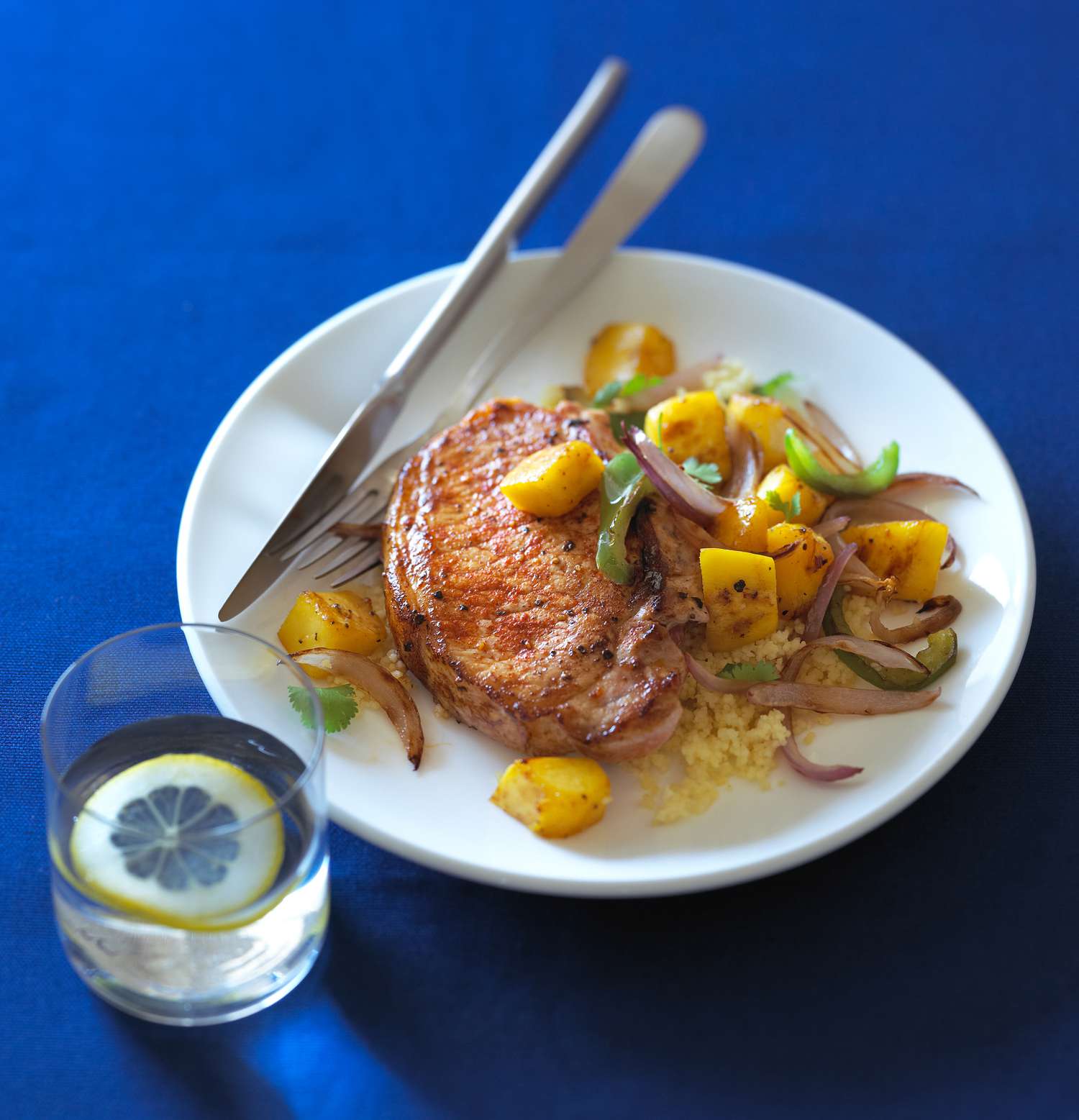
Some dinners whisper, “I tried.” Others walk into the kitchen wearing a tiny chef hat and announce, “Dinner is handled.” This paprika pork chops recipe belongs firmly in the second group. It is smoky, savory, juicy, weeknight-friendly, and fancy enough to make you feel like you planned your life better than you actually did.
Paprika has a magical way of making pork chops taste richer than the effort required. It brings warm color, gentle sweetness, and, if you choose smoked paprika, a backyard-grill attitude without needing to stand outside negotiating with charcoal. Pair it with garlic, onion powder, salt, pepper, a splash of acidity, and a quick pan sauce, and suddenly ordinary pork chops become the kind of meal people ask for again.
This recipe is designed for home cooks who want flavor without a culinary obstacle course. You will sear the chops until they develop a golden crust, finish them gently so they stay tender, and spoon over a buttery paprika sauce that tastes like it took much longer than it did. Spoiler: it did not.
Why This Paprika Pork Chops Recipe Works
Pork chops can be delicious, but they are also famous for turning dry if overcooked. The trick is to season boldly, cook with control, and let the meat rest before slicing. This recipe uses paprika in two ways: first as part of a dry rub that builds a flavorful crust, then again in the pan sauce for a deeper, warmer finish.
The seasoning blend includes sweet paprika for color and balance, smoked paprika for depth, garlic powder for savory flavor, and a small amount of brown sugar to help browning. The sugar is not there to make the pork taste sweet; it is there to help the exterior caramelize. Think of it as the pork chop’s personal lighting crew.
A quick sear locks in appealing texture, while a short covered finish keeps the inside moist. The final sauce uses butter, chicken broth, Dijon mustard, and a splash of lemon juice or apple cider vinegar to brighten everything up. The result is a skillet dinner with smoky flavor, juicy meat, and enough sauce to make mashed potatoes feel important.
Recipe Overview
- Prep time: 10 minutes
- Cook time: 15 to 18 minutes
- Rest time: 5 minutes
- Total time: About 30 minutes
- Servings: 4
- Best for: Weeknight dinner, family meals, meal prep, cozy comfort food
Ingredients for Paprika Pork Chops
For the Pork Chops
- 4 bone-in or boneless pork chops, about 1 inch thick
- 1 1/2 teaspoons kosher salt
- 1 teaspoon sweet paprika
- 1 teaspoon smoked paprika
- 1 teaspoon garlic powder
- 1/2 teaspoon onion powder
- 1/2 teaspoon black pepper
- 1/2 teaspoon dried thyme or oregano
- 1 teaspoon brown sugar
- 2 tablespoons olive oil
For the Paprika Pan Sauce
- 2 tablespoons unsalted butter
- 2 cloves garlic, minced
- 1/2 cup low-sodium chicken broth
- 1 teaspoon Dijon mustard
- 1/2 teaspoon paprika
- 1 teaspoon lemon juice or apple cider vinegar
- 1 tablespoon chopped fresh parsley, optional
How to Make Paprika Pork Chops
Step 1: Pat the Pork Chops Dry
Use paper towels to dry both sides of the pork chops. This step sounds boring, but it matters. Moisture on the surface creates steam, and steam is the enemy of browning. You want a seared crust, not a pork chop taking a spa day.
Step 2: Mix the Paprika Seasoning
In a small bowl, combine kosher salt, sweet paprika, smoked paprika, garlic powder, onion powder, black pepper, dried thyme, and brown sugar. Rub the mixture evenly over both sides of the pork chops. Let them sit at room temperature for 10 to 15 minutes while you prepare the skillet.
Step 3: Sear Until Golden
Heat olive oil in a large skillet over medium-high heat. When the oil shimmers, add the pork chops in a single layer. Cook for 3 to 4 minutes on the first side without moving them too much. Flip and cook for another 2 to 3 minutes on the second side.
If your skillet is small, cook the chops in batches. Crowding the pan lowers the heat and prevents browning. A crowded skillet is basically a traffic jam with meat.
Step 4: Finish Cooking Gently
Reduce the heat to medium-low. Continue cooking until the pork chops reach an internal temperature of 145°F in the thickest part. Depending on thickness, this may take 3 to 6 more minutes. Transfer the pork chops to a plate and let them rest while you make the sauce.
Step 5: Make the Paprika Pan Sauce
In the same skillet, melt the butter. Add minced garlic and cook for about 30 seconds, just until fragrant. Stir in chicken broth, Dijon mustard, and paprika, scraping up the browned bits from the bottom of the pan. Simmer for 2 to 3 minutes until slightly reduced.
Turn off the heat and stir in lemon juice or apple cider vinegar. Taste and adjust with a pinch of salt or pepper if needed. Spoon the sauce over the rested pork chops and finish with parsley if desired.
Best Type of Pork Chops to Use
For the juiciest result, choose pork chops that are about 1 inch thick. Thin chops cook quickly but are easier to overcook. Thick chops give you more control and a better chance of landing that perfect juicy center.
Bone-in pork chops often have a little more flavor and tend to stay moist during cooking. They also look impressive on a plate, which is helpful if you want dinner to seem restaurant-ish without actually ironing a napkin.
Boneless pork chops are convenient, lean, and easy to slice. They cook a little faster, so use a meat thermometer and watch them closely. If using boneless chops thinner than 1 inch, reduce the cook time and check early.
Sweet Paprika vs. Smoked Paprika
Sweet paprika gives pork chops a warm red color and mild peppery flavor. It is smooth, friendly, and very hard to dislike. Smoked paprika is bolder, with a woodsy depth that makes the pork taste almost grilled.
This recipe uses both because they balance each other beautifully. If you only have one type, use what you have. Sweet paprika will make the dish milder and more classic. Smoked paprika will make it deeper and more rustic. Hot paprika can also be used, but start with a small amount unless you enjoy dinner with a dramatic soundtrack.
Pro Tips for Juicy Paprika Pork Chops
Use a Meat Thermometer
The best way to avoid dry pork chops is to stop guessing. A digital meat thermometer gives you confidence and saves dinner from becoming chewy. Insert it into the thickest part of the chop, away from the bone if using bone-in chops.
Let the Pork Rest
Resting gives the juices time to redistribute. If you slice immediately, the juices run out onto the plate, and the pork becomes drier. Five minutes is enough for most pork chops, and conveniently, that is about the same amount of time it takes to make the sauce.
Do Not Burn the Paprika
Paprika can become bitter if cooked over very high heat for too long. Sear the chops confidently, but once the crust forms, reduce the heat. The sauce should simmer gently, not bubble like a tiny volcano.
Season Ahead If You Can
If time allows, season the pork chops up to 8 hours ahead and refrigerate them uncovered or loosely covered. This dry-brine style approach helps the seasoning penetrate the meat and improves browning. Before cooking, let the chops sit at room temperature for about 15 minutes.
Easy Variations
Creamy Paprika Pork Chops
For a creamier version, stir 1/4 cup sour cream or heavy cream into the sauce after turning off the heat. Do not boil the sauce after adding dairy, or it may separate. This version is excellent over egg noodles, rice, or mashed potatoes.
Honey Paprika Pork Chops
Add 1 tablespoon honey to the pan sauce for a sweet-savory finish. Honey works especially well with smoked paprika and lemon juice. The flavor is glossy, balanced, and just dramatic enough to make plain vegetables behave.
Spicy Paprika Pork Chops
Add 1/4 teaspoon cayenne pepper or a pinch of crushed red pepper flakes to the seasoning blend. This gives the pork a gentle kick without overpowering the smoky paprika flavor.
Oven-Finished Paprika Pork Chops
For thicker chops, sear them on the stovetop, then transfer the skillet to a 375°F oven until the pork reaches 145°F. This method helps thick chops cook evenly without burning the seasoning on the outside.
What to Serve With Paprika Pork Chops
Paprika pork chops are flexible, which is a polite way of saying they get along with almost everything. For a classic comfort-food plate, serve them with mashed potatoes and green beans. The sauce sinks into the potatoes in a way that feels deeply correct.
For a lighter dinner, pair the chops with roasted broccoli, a cucumber salad, or sautéed spinach. The smoky seasoning also works beautifully with sweet sides like roasted carrots, applesauce, or glazed Brussels sprouts.
If you want a full skillet-style meal, serve the pork over buttered egg noodles, rice pilaf, or creamy polenta. Add a spoonful of the pan sauce over the top and suddenly dinner looks like you had a plan all along.
Storage and Reheating Tips
Store leftover paprika pork chops in an airtight container in the refrigerator for up to 3 to 4 days. Keep extra sauce with the pork if possible, because it helps the meat stay moist when reheated.
To reheat, place the pork chops in a covered skillet over low heat with a splash of broth or water. Warm gently until heated through. Avoid blasting them in the microwave for too long, unless your goal is to create pork-flavored shoe leather. Short microwave intervals can work, but low and slow is better.
Leftover pork can be sliced and used in sandwiches, grain bowls, wraps, fried rice, or chopped into a quick hash with potatoes and onions. The smoky paprika flavor actually becomes even more interesting the next day.
Common Mistakes to Avoid
Using Chops That Are Too Thin
Thin pork chops are not wrong, but they demand speed and attention. If your chops are less than 1/2 inch thick, cook them quickly over medium-high heat and skip the covered finish. They may only need a few minutes total.
Skipping the Resting Time
Resting is not optional if you want juicy pork. It is the quiet little step that makes the big difference. Put the chops on a plate, loosely cover them, and let the sauce do its work while the meat relaxes.
Overloading the Sauce
Paprika is the star here, so do not bury it under too many competing flavors. Garlic, mustard, lemon, and butter support the paprika without stealing the show. Keep the sauce simple and balanced.
Frequently Asked Questions
Can I use boneless pork chops?
Yes. Boneless pork chops work very well in this recipe. They cook faster than bone-in chops, so check the internal temperature early to avoid overcooking.
Can I make this recipe without smoked paprika?
Absolutely. Use all sweet paprika if that is what you have. The flavor will be milder, but still delicious. To add depth, you can include a pinch of cumin or a tiny dash of chili powder.
Is this paprika pork chops recipe spicy?
Not by default. Sweet and smoked paprika are flavorful but usually not hot. For spice, add cayenne pepper, hot paprika, or crushed red pepper flakes.
Can I grill these pork chops?
Yes. Rub the pork chops with the seasoning blend and grill over medium-high heat until they reach 145°F. Let them rest, then serve with the paprika sauce made separately in a small pan.
Final Thoughts
This paprika pork chops recipe is proof that a short ingredient list can still deliver big flavor. With smoky paprika, garlic, a golden sear, and a quick pan sauce, pork chops become juicy, colorful, and deeply satisfying. It is the kind of recipe that works on a Tuesday night but still feels special enough for guests.
The real secret is balance. Paprika brings warmth, salt sharpens the flavor, butter adds richness, and lemon or vinegar keeps everything lively. Once you learn the basic method, you can make it creamy, spicy, sweet, smoky, or herb-packed. In other words, this recipe is not just dinner. It is a very useful little kitchen trick wearing a delicious red coat.
Extra Kitchen Experience: What I Learned Making Paprika Pork Chops at Home
Paprika pork chops are one of those recipes that teach you a lot about cooking without making you feel like you are studying for an exam. The first lesson is that pork chops are not difficult; they are just honest. If you overcook them, they will tell everyone at the table. If you season them well and pull them from the heat at the right moment, they become tender, juicy, and surprisingly elegant.
One of the most useful experiences with this recipe is learning how important the surface of the meat is. The first time you pat pork chops dry and see them brown properly, it feels like unlocking a secret level in home cooking. A dry surface plus hot oil equals a better crust. A wet surface equals steam, pale meat, and mild disappointment. It is a tiny step, but it changes the whole result.
Another practical lesson is that paprika needs a little care. It gives gorgeous color and flavor, but it can scorch if the pan is too hot for too long. That is why this recipe sears first, then lowers the heat. The goal is a golden crust, not a blackened spice layer that tastes like regret. Once you understand that, paprika becomes incredibly useful in other dishes too, from roasted potatoes to chicken thighs and even creamy soups.
The pan sauce is also a confidence builder. After searing the pork, the skillet may look messy, but those browned bits are flavor. Adding broth and scraping the bottom turns what looks like cleanup into sauce. This is one of the most satisfying kitchen transformations: the pan goes from “I should soak this immediately” to “I have created something delicious.”
When serving paprika pork chops, I have found that the side dish changes the personality of the meal. With mashed potatoes, it becomes cozy comfort food. With roasted vegetables, it feels balanced and weeknight-smart. With egg noodles and a creamy version of the sauce, it leans toward old-school supper-club charm. With a crisp salad, it feels lighter but still satisfying. That flexibility makes the recipe easy to repeat without feeling repetitive.
The best part is that leftovers are genuinely useful. Thin slices of paprika pork make excellent sandwiches with mustard and pickles. Chopped leftovers can be folded into rice, tucked into wraps, or added to a breakfast hash. The smoky seasoning holds up well, and the meat tastes even better when paired with something fresh or tangy the next day.
If there is one experience-based tip worth remembering, it is this: do not walk away from pork chops like they are a slow-simmering stew. They cook quickly, and the difference between juicy and dry can be only a few minutes. Stay nearby, use a thermometer, and let them rest. Do that, and this paprika pork chops recipe becomes one of the easiest reliable dinners in your kitchen rotation.