
Few things can ruin a peaceful morning faster than spotting tiny, rice-like bits near your dog’s tail, in their poop, or on their favorite blanket. One minute you are sipping coffee; the next, you are Googling “how to treat tapeworm in dogs” with the urgency of someone defusing a bomb. Good news: tapeworms in dogs are common, treatable, and usually not a reason to panic. Bad news: they are still parasites, and they are freeloading in your dog’s digestive system like tiny uninvited roommates.
Tapeworms are flat, segmented intestinal worms. The most common type in dogs is often linked to fleas, especially Dipylidium caninum. Dogs usually become infected when they swallow an infected flea while grooming, biting, or scratching. Other types of tapeworms can come from eating infected rodents, rabbits, raw meat, or animal remains. That means treatment is not just about giving a pill and celebrating. To truly get rid of tapeworms in dogs, you need to treat the worm, remove the source, clean the environment, and prevent reinfection.
This guide breaks the process into nine practical steps, written for real dog ownersnot for people who keep a veterinary textbook next to the snack drawer. Still, tapeworm treatment should always involve a veterinarian, especially for puppies, senior dogs, pregnant dogs, dogs with chronic illness, or pets taking other medications.
What Are Tapeworms in Dogs?
Tapeworms are intestinal parasites made of many small segments called proglottids. These segments can break off and pass in a dog’s stool. Fresh segments may move slightly, which is exactly as charming as it sounds. Once dry, they often look like sesame seeds or grains of rice. Many dog owners first notice tapeworms not because their dog seems sick, but because these little segments appear around the anus, on bedding, or in feces.
Unlike some intestinal parasites, tapeworms do not always cause dramatic symptoms. Some dogs act completely normal. Others may scoot, lick their rear end, have mild digestive upset, or lose weight if the burden is heavy. Because symptoms can be subtle, visible worm segments are one of the biggest clues.
Common Signs of Tapeworms in Dogs
- Small white or tan “rice-like” segments near the anus, in stool, or on bedding
- Scooting or dragging the rear on the floor
- Excessive licking or biting around the tail area
- Mild diarrhea or changes in stool
- Vomiting in some cases
- Weight loss or poor coat condition in heavier infections
- Visible fleas or flea dirt on the dog
Here is the slightly inconvenient truth: not every white speck is a tapeworm, and not every dog with tapeworms will show obvious worms every day. That is why diagnosis matters. Guessing can lead to the wrong dewormer, wasted money, and a dog who still has the same problem next week.
How to Treat Tapeworm in Dogs: 9 Steps
Step 1: Confirm the Problem Before Treating
The first step in treating tapeworm in dogs is confirming that tapeworms are actually the issue. If you see rice-like segments, collect a fresh stool sample or place a visible segment in a sealed plastic bag. Yes, it is not glamorous. No one puts “worm detective” on their dream-job list. But your veterinarian can use that sample to identify the parasite and recommend the right medication.
A standard fecal exam may not always catch tapeworm eggs because the eggs are usually contained inside the segments, which may not be present in every sample. That is why your description and any visible segments are helpful. Take photos if needed. Your vet has seen worse, and your camera roll will recover emotionally.
Step 2: Call Your Veterinarian
Tapeworm treatment is usually straightforward, but you should still contact your veterinarian before giving medication. Dogs vary by age, weight, health condition, pregnancy status, and medication history. A product that is fine for one dog may not be appropriate for another.
Your vet may ask about flea exposure, hunting behavior, raw diets, recent boarding, other pets in the home, and whether your dog is on parasite prevention. These questions help identify the source. Treating tapeworms without finding the source is like mopping the kitchen while the sink is still overflowing.
Step 3: Use the Correct Tapeworm Medication
The most common medication used to treat tapeworms in dogs is praziquantel. It may be given as a tablet, chewable, injection, or part of a combination dewormer. Praziquantel works by damaging the tapeworm so the parasite breaks down and is eliminated through the dog’s digestive system. In many cases, owners do not see dead worms after treatment because the tapeworm is digested.
Some products combine praziquantel with other medications to treat additional intestinal worms such as roundworms, hookworms, or whipworms. That can be useful when a dog has multiple parasites, but it also makes veterinary guidance even more important. Not every dewormer treats tapeworms. For example, some common wormers may work for roundworms but do little or nothing for tapeworms.
Never assume that “dewormer” means “tapeworm dewormer.” Read labels carefully and follow your veterinarian’s directions. If your dog spits out pills like a professional magician, ask about alternative forms.
Step 4: Dose by Weight, Not Guesswork
Correct dosing matters. Tapeworm medication is usually calculated based on your dog’s body weight. A Chihuahua and a Labrador should not receive the same amount unless the Chihuahua has secretly been body-building at midnight.
Weigh your dog accurately before giving any medication. For small dogs, puppies, and underweight dogs, even a small dosing mistake can matter. For large dogs, underdosing may fail to clear the infection. If using an over-the-counter praziquantel product, follow the label exactly and check whether it is appropriate for your dog’s age and weight. When in doubt, call your vet before giving it.
Step 5: Treat Fleas at the Same Time
This is the step many owners miss. The most common dog tapeworm is spread through fleas. A dog swallows an infected flea, the tapeworm develops in the intestine, and the cycle continues. If you treat the tapeworm but ignore fleas, your dog can become reinfected quickly.
Use a veterinarian-recommended flea control product for every pet in the household. That includes cats, even indoor cats, if they share the home. Fleas are tiny, rude, and not impressed by property boundaries. Your vet can help choose a safe flea prevention product based on your pet’s species, age, weight, and health. Never use dog flea products on cats unless a veterinarian specifically says it is safe; some dog flea ingredients are dangerous for cats.
Step 6: Clean Your Dog’s Environment
Cleaning helps reduce flea eggs, flea larvae, and tapeworm segments in the home. Wash dog bedding, blankets, crate pads, and soft toys in hot water if the fabric allows. Vacuum carpets, rugs, furniture, baseboards, and areas where your dog naps. Empty the vacuum canister or discard the bag outside right away.
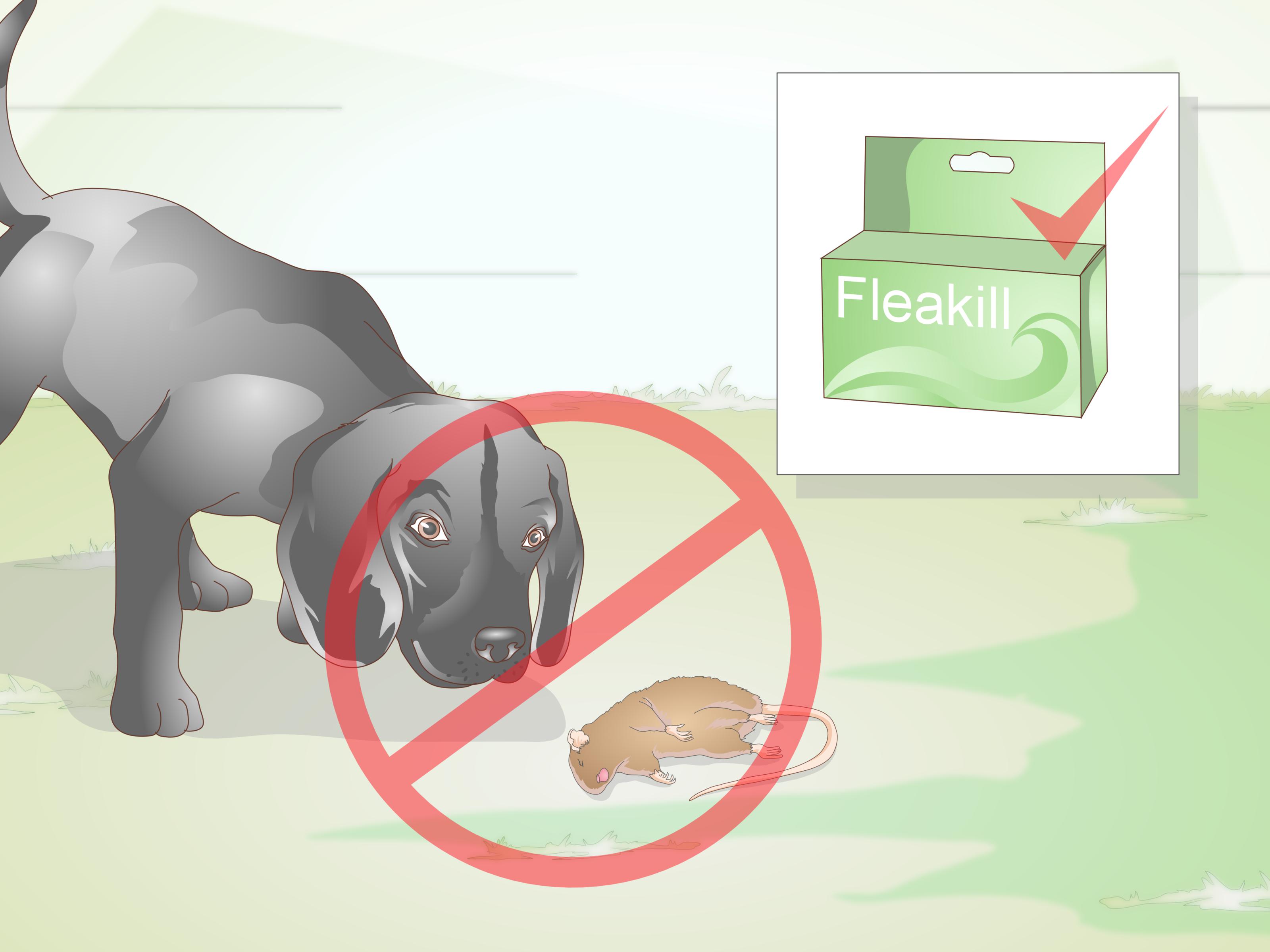
Outdoor areas matter too. Pick up dog feces promptly. Keep grass trimmed and discourage rodents around the yard. If your dog hunts or eats wildlife, talk to your vet about parasite risks and prevention. Dogs may view “mystery yard snack” as a culinary adventure, but their intestines strongly disagree.
Step 7: Watch for Improvement
After proper tapeworm treatment, you should see fewer or no segments. Your dog may not pass dramatic worms in the stool because the medication often causes the tapeworm to dissolve inside the intestine. That is normal.
However, continue watching your dog’s stool and bedding for several weeks. If segments return, the most likely reasons are reinfection from fleas, exposure to infected prey, incorrect dosing, use of the wrong medication, orrarelyreduced response to treatment. Do not keep repeating random dewormers without veterinary help. More medication is not always better; smarter treatment is better.
Step 8: Protect People in the Home
Dog tapeworms are not usually spread directly from dog to human through casual contact. People most commonly become infected with the flea tapeworm by accidentally swallowing an infected flea. This is uncommon, but young children are at higher risk because they explore the world with their hands, toys, and occasionally questionable life choices.
Wash hands after handling pets, cleaning up stool, or touching bedding. Teach children not to kiss dogs near the mouth or tail area. Keep pets on flea control and clean up accidents quickly. If anyone in the household notices suspicious worm-like segments in stool, contact a healthcare professional.
Step 9: Build a Long-Term Parasite Prevention Plan
The best tapeworm treatment plan is the one that prevents the sequel. Ask your veterinarian about year-round flea prevention and routine fecal testing. Many dogs benefit from regular parasite screenings, especially if they go to dog parks, daycare, boarding facilities, hiking trails, farms, or any place where “interesting smells” are basically the main attraction.
Prevention may include flea control, avoiding raw or undercooked animal products, stopping dogs from eating rodents or wildlife, and using appropriate parasite preventives. Your plan should match your dog’s lifestyle. A city apartment dog and a farm dog may need different strategies.
What Not to Do When Your Dog Has Tapeworms
Do Not Use Home Remedies as Primary Treatment
Pumpkin seeds, garlic, apple cider vinegar, coconut oil, and other internet-famous remedies are often promoted as natural tapeworm treatments. The problem is that they are not reliable tapeworm cures. Some may upset your dog’s stomach, and garlic can be toxic to dogs. Tapeworms require proven antiparasitic medication. Save the pumpkin for a vet-approved fiber boost, not as a parasite eviction notice.
Do Not Treat Only One Pet if Fleas Are Present
If one pet has fleas, assume the household needs a flea-control plan. Treating only the dog with visible tapeworms while ignoring the cat, the sofa, and the carpet is how fleas win. And fleas do not need encouragement.
Do Not Skip the Follow-Up
If worm segments continue after treatment, call your veterinarian. Your dog may have been reinfected, received an incomplete dose, or need a different plan. Persistent cases deserve professional attention, not a rotating buffet of random dewormers.
When to See a Vet Immediately
Most tapeworm cases are not emergencies, but some situations call for prompt veterinary care. Contact your vet quickly if your dog is a young puppy, pregnant, nursing, elderly, very small, underweight, or already ill. You should also seek care if your dog has repeated vomiting, bloody diarrhea, severe lethargy, a swollen belly, pale gums, rapid weight loss, or signs of dehydration.
Also call your vet if your dog has tapeworms repeatedly despite treatment and flea control. Recurrent tapeworm infections may point to hidden flea exposure, hunting behavior, untreated pets in the home, or another source that needs detective work.
Experience Notes: Real-World Lessons From Treating Tapeworm in Dogs
Many dog owners discover tapeworms in the least elegant way possible: during a normal poop pickup, while changing bedding, or when their dog rolls over for belly rubs and reveals something that looks like rice near the tail. The first reaction is usually a mix of confusion, horror, and betrayal. “But you sleep on my couch,” owners whisper, as if the dog personally invited the parasite to movie night.
One common experience is that the dog seems perfectly healthy. They eat breakfast, chase toys, bark at delivery trucks, and behave like nothing is wrong. That can make tapeworms feel surprising. Owners often expect a sick dog to look sick, but tapeworm infections can be quiet. The visible segments are often the main clue. This is why routine observation matters. You do not need to inspect every stool like a crime-scene analyst, but noticing changes in poop, appetite, weight, and grooming behavior can help you catch problems early.
Another real-world lesson is that flea control is not optional. Some owners treat the tapeworm, feel relieved, and then see segments again a few weeks later. The medication may have worked perfectly, but the dog swallowed another infected flea. This is especially frustrating in multi-pet homes, apartments, warm climates, or houses with carpets and upholstered furniture. Fleas are not just “on the dog.” They can be in bedding, rugs, cracks in flooring, and shaded outdoor areas. Treating tapeworms without controlling fleas is like locking the front door while leaving every window open.
Owners also learn that giving medication can be its own mini adventure. Some dogs swallow tablets politely. Others store the pill in their cheek and spit it out behind the couch with Oscar-worthy subtlety. If your dog is a pill-dodger, ask your vet whether the medication can be hidden in food, crushed, given with a treat, or provided in another form. Do not crush or split medication unless the label or veterinarian says it is safe. Some products must be given a specific way to work properly.
Cleaning can feel overwhelming at first, but it becomes manageable when broken into a routine. Wash bedding, vacuum daily for a stretch, keep up with flea prevention, and pick up stool promptly. The goal is not to turn your home into a sterile laboratory. The goal is to interrupt the parasite life cycle. A practical cleaning plan beats panic-cleaning at midnight while your dog watches from the sofa, completely unbothered.
The biggest lesson is that tapeworms are treatable, but recurrence prevention is the real victory. A dog who gets one tapeworm infection may never get another if flea control is consistent and exposure risks are reduced. For dogs who hike, hunt, roam rural properties, or investigate every suspicious smell with their mouth, prevention needs to be more intentional. Work with your veterinarian, keep records of treatments, and do not be embarrassed. Tapeworms are common. Your dog is not “dirty,” and neither is your home. Parasites are opportunists. Responsible treatment simply tells them the free buffet is closed.
Conclusion
Learning how to treat tapeworm in dogs comes down to a clear, practical plan: identify the signs, confirm the problem, use the correct medication, treat fleas, clean the environment, and prevent reinfection. Praziquantel is commonly used for dog tapeworm treatment, but the right product and dose depend on your dog’s age, weight, health, and exposure risks. Flea control is often the missing piece, especially with the common flea tapeworm.
Tapeworms may be unpleasant, but they are usually manageable with veterinary guidance. Do not rely on home remedies, do not guess at medication, and do not ignore recurring segments. With the right steps, your dog can get back to more important hobbieslike napping dramatically, stealing your side of the bed, and acting shocked every time the doorbell rings.














