Imagine a diet that does not ask you to count every almond, banish bread forever, or stare sadly at plain chicken breast like it just ruined your weekend. Now imagine that same eating pattern is linked with fewer heart attacks, fewer strokes, and better cardiovascular health in people already considered high risk. That is the promise of the Mediterranean diet, a food-first approach built around olive oil, vegetables, fruits, beans, nuts, whole grains, fish, herbs, and a refreshingly normal relationship with dinner.
The title may sound dramatic, but the science behind it is surprisingly practical. In landmark research involving adults at high cardiovascular risk, people assigned to a Mediterranean diet supplemented with extra-virgin olive oil or nuts had fewer major cardiovascular events than those advised to follow a low-fat diet. In plain English: when high-risk adults changed the pattern of what they ate, their hearts and blood vessels appeared to benefit.
This does not mean olive oil is a magic potion, walnuts are tiny cardiologists, or salmon can replace prescribed medication. It means that a consistent, nutrient-rich dietary pattern can help lower several major drivers of cardiovascular disease, including high blood pressure, unhealthy cholesterol, inflammation, insulin resistance, and excess body weight. For people with risk factors such as diabetes, hypertension, obesity, high LDL cholesterol, or a family history of heart disease, that is not small potatoes. Actually, it is more like roasted sweet potatoes with olive oil and rosemary.
What Is the Mediterranean Diet?
The Mediterranean diet is not a single strict meal plan. It is an eating pattern inspired by traditional diets in countries bordering the Mediterranean Sea, especially places where meals historically centered on plants, seafood, olive oil, and simple home cooking. Its heart-health reputation comes from what it emphasizes and what it gently pushes to the sidelines.
Foods commonly emphasized
A Mediterranean-style plate usually includes plenty of vegetables, fruits, beans, lentils, chickpeas, whole grains, nuts, seeds, herbs, spices, and extra-virgin olive oil. Fish and seafood appear regularly, while poultry, eggs, yogurt, and cheese are eaten in moderate amounts. Red meat, processed meats, sweets, refined grains, sugary drinks, and highly processed snack foods are limited.
That balance matters. Instead of focusing on one heroic food, the Mediterranean diet works like a team. Fiber from beans and whole grains supports cholesterol and blood sugar control. Unsaturated fats from olive oil, nuts, and fish may improve lipid profiles. Potassium-rich fruits and vegetables support blood pressure. Antioxidants and polyphenols from colorful plants may help reduce oxidative stress. It is not one ingredient wearing a cape; it is the whole grocery cart working together.
Why High-Risk Groups May Benefit Most
People at high risk for heart attack and stroke often have several overlapping risk factors. A person may have high blood pressure, prediabetes, abdominal weight gain, elevated triglycerides, low HDL cholesterol, and a family history of early heart disease. These issues do not politely wait in separate rooms. They interact, pile up, and increase the chance of blocked arteries, blood clots, and vascular damage.
The Mediterranean diet is useful because it targets many of these risk factors at once. It is naturally rich in fiber, healthy fats, minerals, and anti-inflammatory plant compounds. It also reduces common dietary troublemakers, including excess sodium, added sugar, refined carbohydrates, saturated fat, and processed meats. That combination makes it especially relevant for people with metabolic syndrome, type 2 diabetes, high cholesterol, or hypertension.
High-risk adults do not need a glamorous “detox.” The liver already has that department handled. What they need is a sustainable pattern that helps blood vessels function better over time. The Mediterranean diet fits that job because it is practical enough to follow for years, not just until the next office birthday cake appears.
The Heart Attack and Stroke Connection
Heart attacks and many strokes share a common root: damaged or narrowed blood vessels. A heart attack usually occurs when blood flow to part of the heart is blocked, often by a clot forming around a ruptured plaque in a coronary artery. An ischemic stroke happens when blood flow to the brain is blocked. Hemorrhagic stroke, while different, is also strongly connected to vascular health and blood pressure control.
The Mediterranean diet may reduce cardiovascular events because it improves the environment inside the arteries. Better cholesterol balance, lower blood pressure, improved insulin sensitivity, and reduced inflammation all help make plaque less likely to grow, rupture, or trigger a clot. In other words, the diet does not simply “clean arteries” like a kitchen sponge. It supports the body systems that keep arteries more flexible, less inflamed, and less vulnerable to trouble.
What the Research Shows
One of the most cited studies on this topic is the PREDIMED trial, which studied adults at high cardiovascular risk. Participants were assigned to one of three groups: a Mediterranean diet with extra-virgin olive oil, a Mediterranean diet with mixed nuts, or a control diet with advice to reduce fat intake. The Mediterranean diet groups had a lower incidence of major cardiovascular events, including heart attack, stroke, or cardiovascular death.
Stroke reduction was a particularly important finding. While no diet can guarantee prevention, the evidence suggests that a Mediterranean-style eating pattern may meaningfully reduce risk when followed consistently. This is especially important because stroke risk is heavily influenced by blood pressure, blood vessel health, diabetes, smoking, cholesterol, age, and lifestyle habits.
Other studies and reviews have reached similar conclusions: people who follow Mediterranean-style diets more closely tend to have better cardiovascular outcomes. Research has also linked the diet to improvements in cholesterol, triglycerides, blood pressure, glycemic control, and body weight. These are not minor details. They are the dashboard lights of cardiovascular health, and when several improve at once, the whole system may run more smoothly.
Key Nutrients That Make the Mediterranean Diet Heart-Friendly
1. Unsaturated fats
Extra-virgin olive oil, nuts, seeds, and fatty fish provide unsaturated fats, including monounsaturated and omega-3 fats. These fats can help support healthier cholesterol levels when they replace saturated fats from butter, high-fat meats, and heavily processed foods. Olive oil also contains polyphenols, plant compounds that may support vascular function.
2. Fiber
Beans, lentils, oats, barley, fruits, vegetables, and whole grains provide soluble and insoluble fiber. Fiber helps lower LDL cholesterol, supports digestion, improves fullness, and can help steady blood sugar after meals. If cholesterol were a crowded theater, soluble fiber would be the calm usher helping some of it find the exit.
3. Potassium and magnesium
Vegetables, fruits, legumes, nuts, and seeds are natural sources of potassium and magnesium. These minerals support blood pressure regulation, muscle function, and vascular health. Because high blood pressure is one of the strongest risk factors for stroke, eating more mineral-rich whole foods can be a powerful step.
4. Antioxidants and polyphenols
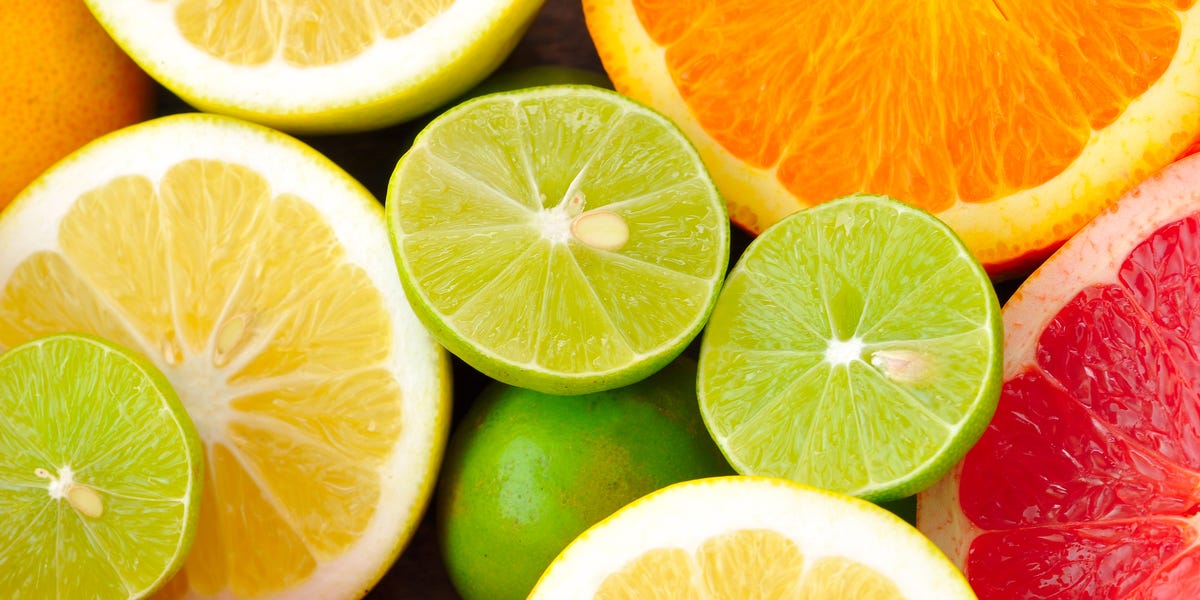
Colorful plant foods contain antioxidants and polyphenols that may help reduce oxidative stress and inflammation. Berries, leafy greens, tomatoes, herbs, olives, onions, citrus, and legumes all bring different protective compounds to the table. The goal is not to chase one “superfood.” It is to eat a variety of plants so your plate looks less beige and more alive.
What a Mediterranean Plate Looks Like
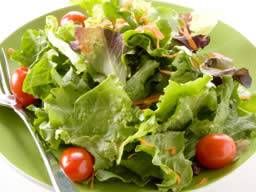
A simple Mediterranean-style meal might include grilled salmon, roasted vegetables, quinoa or farro, a chickpea salad, and a drizzle of olive oil with lemon and herbs. Another meal might be lentil soup with whole-grain bread and a side salad. Breakfast could be Greek yogurt with berries, walnuts, and a sprinkle of oats. Lunch might be a tuna and white bean salad with tomatoes, cucumbers, parsley, and olive oil.
The beauty of this diet is flexibility. You do not need to live near the sea, own a blue-and-white tablecloth, or pronounce “bruschetta” perfectly. You can adapt the pattern to American kitchens using affordable staples: canned beans, frozen vegetables, brown rice, whole-grain pasta, canned tuna or sardines, oats, peanut butter, apples, carrots, eggs, and olive oil.
Best Foods to Eat More Often
Vegetables
Aim for variety: leafy greens, peppers, tomatoes, broccoli, carrots, zucchini, eggplant, onions, mushrooms, and cauliflower. Vegetables add volume, fiber, potassium, and antioxidants with relatively few calories.
Legumes
Beans, lentils, chickpeas, and peas are budget-friendly heart heroes. They provide plant protein, fiber, minerals, and slow-digesting carbohydrates. Try adding beans to soups, salads, tacos, grain bowls, or pasta dishes.
Whole grains
Choose oats, brown rice, barley, quinoa, farro, bulgur, whole-wheat bread, and whole-grain pasta. Whole grains are more filling than refined grains and provide nutrients that support metabolic health.
Fish and seafood
Fatty fish such as salmon, sardines, trout, and mackerel provide omega-3 fats. Lean seafood such as shrimp, cod, and scallops can also fit well. If fish is not your thing, start small with tuna salad made with olive oil, lemon, and herbs instead of heavy mayonnaise.
Nuts and seeds
Walnuts, almonds, pistachios, chia seeds, flaxseeds, and pumpkin seeds can support heart health when eaten in sensible portions. They are calorie-dense, so a small handful usually does the job. No need to eat almonds like you are training for a squirrel marathon.
Foods to Limit
The Mediterranean diet does not require perfection, but it does encourage limiting foods that raise cardiovascular risk when eaten often. These include processed meats such as bacon, sausage, hot dogs, and deli meats; sugary drinks; refined sweets; heavily processed snack foods; deep-fried fast foods; and large portions of red meat. Butter, cream, and high-saturated-fat foods are best used sparingly.
For many people, the biggest improvement comes from replacement, not restriction. Replace butter with olive oil. Replace chips with nuts or roasted chickpeas. Replace refined white bread with whole-grain bread. Replace processed meat sandwiches with tuna, hummus, turkey, or grilled vegetables. Small swaps repeated daily can become major health changes over time.
A Practical 1-Day Mediterranean Meal Example
Breakfast
Plain Greek yogurt topped with blueberries, chopped walnuts, oats, and a drizzle of honey. Add coffee or tea without turning it into dessert in a cup.
Lunch
Whole-grain pita stuffed with hummus, grilled chicken or chickpeas, tomatoes, cucumbers, spinach, and a lemon-olive oil dressing.
Snack
An apple with a small handful of almonds, or carrots with white bean dip.
Dinner
Baked salmon with roasted broccoli, farro, and a tomato-cucumber salad. Finish with fruit if you want something sweet.
How to Start Without Feeling Overwhelmed
The easiest way to begin is to change one meal at a time. Start with breakfast for a week. Then improve lunches. Then build a few simple dinners you can repeat. Most people fail at healthy eating not because they lack motivation, but because they try to become a different species by Monday morning.
Try the “add before subtract” method. Add one vegetable to lunch. Add beans to soup. Add fruit to breakfast. Add a handful of nuts instead of a packaged snack. As your meals become more satisfying, highly processed foods naturally take up less space.
Planning also matters. Keep Mediterranean staples available: olive oil, canned beans, canned tomatoes, frozen vegetables, oats, brown rice, whole-grain pasta, tuna, sardines, nuts, plain yogurt, eggs, lemons, herbs, and spices. When the pantry is ready, dinner becomes less of a crisis and more of a calm negotiation.
Who Should Be Careful?
The Mediterranean diet is generally considered safe and healthy for most adults, but high-risk people should still work with a healthcare professional. If you have kidney disease, heart failure requiring fluid or sodium limits, food allergies, swallowing problems, diabetes medications, blood thinners, or a history of eating disorders, individualized guidance matters.
People taking medication for blood pressure, cholesterol, or diabetes should not stop treatment because they improved their diet. Food is powerful, but it is not a substitute for prescribed care. The best results often come when medication, nutrition, movement, sleep, and regular medical follow-up work together.
Experience-Based Insights: What It Feels Like to Live the Mediterranean Diet
One of the most encouraging things about the Mediterranean diet is that it feels less like punishment and more like learning how to eat like a relaxed adult. Many people who try it are surprised that the biggest adjustment is not hunger. It is organization. The first week often reveals a funny truth: the vegetables were not hiding; they simply had no plan.
A realistic starting experience might look like this. On Sunday, you roast a tray of vegetables, cook a pot of lentils or brown rice, wash salad greens, and make a basic dressing with olive oil, lemon juice, garlic, and Dijon mustard. Suddenly, weekday meals become easier. Monday lunch is a grain bowl. Tuesday dinner is lentil soup. Wednesday lunch is leftovers with tuna. By Thursday, you may feel like someone who has a personal chef, except the chef is just you from Sunday wearing sweatpants.
People often notice that Mediterranean meals are filling in a different way. A bowl with beans, vegetables, olive oil, and whole grains tends to digest more slowly than a refined-carb meal. Instead of the familiar afternoon crash that sends you searching for cookies with the urgency of a detective in a crime drama, you may feel steadier. This is especially helpful for people managing blood sugar, cravings, or weight.
Another common experience is flavor shock, in the best possible sense. When meals rely less on processed sauces and more on herbs, citrus, garlic, onions, vinegar, olive oil, and spices, food starts tasting brighter. A tomato salad with olive oil, basil, black pepper, and a pinch of salt can feel more satisfying than a heavy side dish. Roasted chickpeas can replace chips. A simple fish dinner can feel restaurant-worthy without requiring a culinary degree or a dramatic apron.
Social eating also becomes easier than expected. At restaurants, Mediterranean-style choices are usually available if you look for grilled fish, salads with protein, vegetable sides, bean soups, olive oil-based dishes, or whole-grain options. At family meals, you do not need to announce that you have entered your “cardiovascular wellness era.” Just bring a colorful salad, choose smaller portions of heavier foods, and focus on consistency over perfection.
The hardest part is often patience. Blood pressure, cholesterol, weight, and blood sugar do not always change overnight. The Mediterranean diet works best as a long-term pattern. Think months and years, not three heroic days of spinach followed by a pizza rebellion. High-risk groups benefit most when the diet becomes normal life: the default grocery list, the default lunch, the default cooking oil, the default snack.
It also helps to make the diet personal. If you dislike salmon, try trout, sardines, tuna, or beans. If you hate kale, do not force a tragic kale romance. Eat spinach, romaine, cabbage, broccoli, or peppers instead. If quinoa makes you suspicious, choose oats, brown rice, farro, or whole-grain bread. The Mediterranean diet is a pattern, not a personality test.
Over time, many people find that the benefits extend beyond heart health. They cook more, spend less on takeout, waste fewer groceries, and feel more confident building meals. The diet becomes less about fear of heart attack or stroke and more about enjoying food that supports a longer, stronger life. That is the real win: not eating perfectly, but eating in a way your future self will thank you for.
Conclusion
The Mediterranean diet reduces heart attack and stroke risk in high-risk groups not through miracle claims, but through a practical combination of heart-smart foods. It emphasizes vegetables, fruits, legumes, whole grains, fish, nuts, seeds, and olive oil while limiting processed meats, refined carbohydrates, added sugars, and saturated fats. This pattern supports healthier blood pressure, cholesterol, blood sugar, inflammation, and weight management.
For people at elevated cardiovascular risk, the message is hopeful: meaningful prevention can begin at the next meal. You do not need perfection, expensive ingredients, or a complete kitchen makeover. Start with olive oil instead of butter, beans instead of processed meat, fruit instead of sweets, and fish or plant proteins more often. Your heart does not need a dramatic speech. It needs consistent support, one delicious plate at a time.
Note: This article is for educational purposes only and should not replace medical advice. People with existing heart disease, diabetes, kidney disease, medication needs, or other health conditions should consult a qualified healthcare professional before making major dietary changes.