
Note: This article is written for educational and entertainment purposes. If a pet suddenly becomes unusually gassy, bloated, painful, or stops eating, contact a veterinarian.
Animal farting is one of those topics that sounds like a playground joke until you realize it leads straight into biology, climate science, animal behavior, ocean acoustics, gut microbes, and the eternal mystery of why the family dog always chooses the couch. Flatulence may be funny, but it is also a normal part of digestion for many creatures. When food breaks down in the digestive tract, gases can build up. If that gas exits through the anus, congratulations: science has entered the chat with a tiny trumpet.
The main keyword here is animal farting, but the bigger story is about how different animals digest food. Some animals produce gas because bacteria and other microorganisms ferment plant fibers in the gut. Some release methane, a greenhouse gas. Some barely fart at all. A few animals use gas in ways that sound almost fictional, such as fish that produce fart-like sounds in the dark or marine mammals whose digestive gas can affect how they float. Nature, as usual, did not ask permission before becoming hilarious.
Below are seven fast facts about animal farts, written with real science, specific examples, and just enough humor to keep the topic from becoming a dusty textbook page with a suspicious smell.
1. Animal Farting Usually Starts With Gut Microbes
Most animal farting begins with digestion. When an animal eats, its body breaks food into usable nutrients. But not every part of a meal is easy to digest. Fiber-rich plants, tough cell walls, and certain carbohydrates often need help from bacteria, protozoa, and other microorganisms living in the digestive tract. These microbes ferment food particles, and fermentation can create gases such as carbon dioxide, hydrogen, methane, and small amounts of other compounds.
This is why herbivores are often linked with gas. Plant material can be stubborn. Grass, leaves, bark, and stems are packed with cellulose, a strong carbohydrate that many animals cannot digest alone. Animals such as cows, sheep, goats, deer, horses, elephants, and many rodents depend heavily on microbial partners. The microbes get a meal; the animal gets energy; the atmosphere occasionally gets a little puff of digestive evidence.
Not all gas is equally smelly. Much of it is odorless. The famous stink usually comes from sulfur-containing compounds and other trace chemicals produced during digestion. In plain English: the volume of a fart and the smell of a fart are not the same thing. A large puff may be harmlessly dull, while a tiny one from a meat-heavy or protein-rich diet can clear a room like it has legal authority.
2. Cows Are Gassy, But Their Burps Matter More Than Their Farts
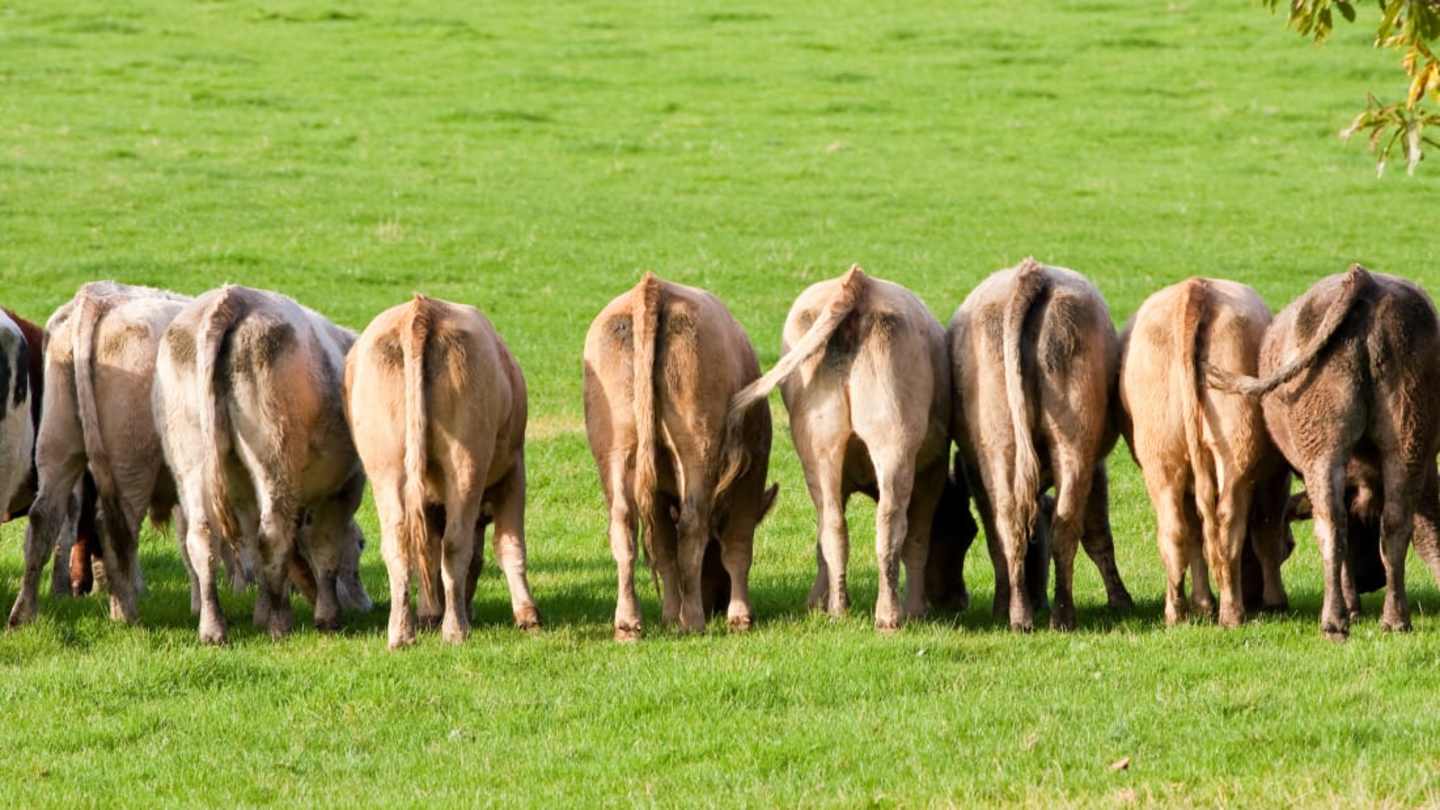
Cows often get blamed for “cow farts,” but the biggest methane issue usually comes from the front end, not the back end. Cattle are ruminants, meaning they have a specialized digestive system with a large fermentation chamber called the rumen. Inside the rumen, microbes break down grass and other plant material through enteric fermentation. That process produces methane, and much of it is released when cows belch.
So yes, cows can fart. But when people talk about cattle and climate change, cow burps deserve more attention. Methane is a powerful greenhouse gas, and livestock methane is a serious environmental topic. The funny phrase “cow farts” may get clicks, but the more accurate phrase is “cow burps and digestive methane.” Less catchy, unfortunately. Science is not always good at branding.
Researchers are studying ways to reduce methane from cattle without harming the animals. Some approaches include feed additives, improved diets, selective breeding, seaweed supplements, and better manure management. The goal is not to shame cows for being cows. They are simply doing what ruminants do: turning grass humans cannot eat into milk, meat, and manure while hosting a microscopic fermentation festival in their stomachs.
3. Birds Usually Do Not Fart Like Mammals Do
One of the strangest facts about animal flatulence is that birds generally do not fart in the same way mammals do. Birds have digestive systems that move food quickly, and they usually do not carry the same kind of gas-producing gut bacteria found in many mammals. That means a healthy bird is not typically sitting on a branch quietly releasing tiny feathered whoopee cushions.
This surprises many people because birds are already famous for dropping things from the sky with impressive timing. But droppings are not farts. A parrot may make a fart-like noise because parrots are talented mimics and tiny chaos comedians, but the sound is usually produced vocally, not by digestive gas.
That does not mean gas could never exist in a bird’s digestive tract. Biology is full of exceptions, and illness, unusual diets, or digestive problems can create abnormal symptoms. But as a general animal farting fact, birds are among the least gassy vertebrates. The next time someone blames a pigeon for a mysterious smell, demand evidence. Politely, of course. Pigeons have lawyers now.
4. Termites Are Tiny Methane Machines
Termites may be small, but their digestive systems are mighty. Many termites eat wood and other plant material rich in cellulose. Like cows, they rely on symbiotic microorganisms to break down tough plant matter. During this process, methane can be produced and released.
Termite methane is not the same scale as industrial pollution or large livestock systems, but it is scientifically important because termites are widespread and abundant. Their role in the carbon cycle shows how even tiny animals can influence environmental chemistry. A termite colony is basically a miniature recycling plant, except the workers have six legs, no coffee breaks, and a suspicious amount of gas.
Termites also remind us that animal farting is not just a mammal story. Insects, fish, reptiles, and other animals can produce or release gases in different ways. Some of those gases come from true digestion. Others come from trapped air or specialized behaviors. When discussing animal farts, the key question is always: where did the gas come from, and how did it leave?
5. Herring Can Make Fart-Like Sounds Underwater
One of the best animal farting facts belongs to herring. Scientists have documented that Pacific and Atlantic herring can produce sounds known as Fast Repetitive Tick sounds, often shortened to FRTs. Yes, the abbreviation is real, and yes, marine biology occasionally has the sense of humor of a middle-school lunch table.
These sounds are made when herring release bubbles from the anal duct. The result is a burst of high-frequency pulses underwater. Researchers have suggested that these sounds may help herring communicate, especially when they are schooling together in low-light conditions. In other words, some fish may use fart-like signals to stay connected with the group.
This does not mean herring are joking with each other at the bottom of the sea. The behavior appears practical. In dark water, sound travels well, and schooling fish benefit from knowing where their neighbors are. Still, the idea of fish using bubble bursts as a social signal is one of nature’s finest reminders that reality is often weirder than anything a comedy writer could invent.
6. Digestive Gas Can Affect Buoyancy in Some Aquatic Animals
Gas is not only about smell or sound. In aquatic animals, gas can also affect buoyancy. Manatees are often mentioned in discussions about flatulence because gas in their digestive system can influence how they rise, sink, or remain level in the water. When too much gas builds up, buoyancy can become a problem, and the animal may have difficulty diving normally.
It is important not to oversimplify this into “manatees steer by farting” as if they are living pool toys with biological jet packs. The reality is more nuanced. Manatees have large digestive systems, eat lots of aquatic vegetation, and produce gas as part of digestion. That gas can affect body position in water, especially if the animal is constipated or experiencing digestive trouble.
The broader lesson is that gas has physical consequences. In humans, bloating can feel uncomfortable. In animals that swim, float, dive, or migrate through water, gas balance may affect movement. A fart is not always just a punchline. Sometimes it is physics wearing a snorkel.
7. The Smelliest Animal Farts Depend on Diet, Digestion, and Chemistry
People often ask which animal has the worst farts. The honest answer is: it depends. Smell is shaped by diet, gut microbes, digestive speed, and the chemical compounds present in the gas. Carnivores and omnivores can produce especially strong odors because protein digestion may create sulfur-containing compounds. Anyone who has owned a dog after a questionable snack understands this without needing a laboratory grant.
Marine mammals such as seals and sea lions are often described as impressively smelly, partly because their diets are rich in fish and protein. Dogs can also be famously foul, especially when they eat table scraps, change diets too quickly, swallow air, or have sensitive stomachs. Horses, meanwhile, can produce plenty of gas because they ferment fiber in the hindgut. In horses, however, gas buildup can become medically serious, so excessive bloating or signs of pain should never be treated as a joke.
The smell of animal flatulence is not a moral failing. A skunk is not “rude” for smelling strong, and a bulldog is not “planning an attack” every time the room goes quiet. Gas is chemistry. Some chemistry simply arrives with dramatic timing.
Why Animal Farting Matters More Than You Think
Animal farting may sound silly, but it connects to several serious scientific ideas. First, it tells us about digestion. Gas reveals how food is being broken down, what microbes are active, and how an animal’s body handles different nutrients. Second, animal gas can affect health. In pets and livestock, sudden changes in flatulence may point to diet issues, food intolerance, parasites, infection, or digestive disease.
Third, animal gas matters for climate science. Methane from ruminant digestion, manure, wetlands, termites, and other biological sources is part of the global methane cycle. Understanding where methane comes from helps researchers develop better environmental strategies. This is why scientists study cow diets, termite gut microbes, feed additives, and fermentation pathways. The topic may begin with a giggle, but it ends in atmospheric chemistry.
Finally, flatulence helps us appreciate biodiversity. Animals do not all process food the same way. A cow, a herring, a termite, a parrot, and a manatee live in different worlds with different digestive tools. Their gas stories reveal evolutionary adaptations. Some animals ferment plants in giant stomach chambers. Some pass food quickly and avoid gas buildup. Some release bubbles that may help with communication. Nature did not design one digestive system and call it a day. Nature made a buffet of biological plumbing.
Common Questions About Animal Farts
Do all mammals fart?
Most mammals can fart, but not all mammals produce gas in the same amount or in the same way. Diet, gut microbes, and digestive anatomy make a huge difference. Some species have been debated by scientists because gas may be absorbed, released differently, or simply not observed often.
Do fish fart?
Some fish release gas or bubbles from the rear end, and herring are famous for producing fart-like sounds. However, not every bubble from a fish is the same as digestive flatulence. Fish also use swim bladders and other systems involving gas, so context matters.
Can animal farts be dangerous?
For the animal, occasional gas is usually normal. But severe bloating, pain, loss of appetite, vomiting, diarrhea, or repeated distress can be a medical warning sign. This is especially important in pets, horses, and livestock. For the planet, methane-producing digestion in large-scale livestock systems is an environmental concern researchers continue to address.
Why do dog farts smell so bad?
Dog farts can smell strong because of diet, swallowed air, gut bacteria, food sensitivities, and sulfur compounds from protein digestion. Sudden or severe gas may mean the dog ate something it should not have, which is basically the official dog hobby.
Extra Experiences and Real-Life Observations About Animal Farting
Anyone who has spent time around animals knows that flatulence is not just a biology term. It is an experience. It has timing. It has atmosphere. It sometimes has the power to make an entire family look accusingly at one innocent-looking golden retriever who is suddenly very interested in the ceiling.
Dog owners may have the richest catalog of animal farting experiences. A dog can be sleeping peacefully, paws twitching in a dream, when a tiny sound escapes and the animal wakes up startled, as if the couch itself has betrayed him. Some dogs ignore their own gas completely. Others sniff the air with deep concern, then leave the room, forcing everyone else to deal with the consequences. This is not science in the peer-reviewed sense, but it is household data collected across millions of living rooms.
Farm experiences offer a different perspective. Around cattle, goats, sheep, and horses, gas is less shocking because large herbivores are built around fermentation. Hay, grass, silage, and grain all move through digestive systems designed to extract energy from plant material. In barns, the smell is not usually one single dramatic fart. It is a layered atmosphere of feed, bedding, manure, animals, moisture, and microbial activity. People who work with livestock learn to distinguish normal barn smells from warning signs. A little gas is ordinary. A bloated animal standing uncomfortably, kicking at its belly, or refusing food is a very different situation.
Zoos and aquariums add another layer of experience. Keepers pay close attention to diet because even small changes can affect digestion. Switching food too quickly may cause gas, loose stool, or discomfort. High-fiber diets, enrichment foods, seasonal produce, and treats must be balanced carefully. The public may laugh at the idea of a gassy animal, but animal-care teams see digestion as a daily health report. What goes in, what comes out, and what smells unusual can all matter.
Classrooms also love this topic because animal farting is a perfect gateway into science. Students who might yawn at the word “fermentation” suddenly become alert when they learn that microbes in a cow’s rumen create methane. A lesson about herring bubble sounds can introduce animal communication. A discussion of bird digestion can explain anatomy and microbiomes. Termite gas can lead to ecosystems and decomposition. The joke opens the door; the science walks in wearing sensible shoes.
Pet owners can use this knowledge practically. If a cat or dog becomes more gassy after a new food, the diet may be too rich, introduced too fast, or poorly suited to that animal. Feeding table scraps, especially fatty foods, can turn a peaceful evening into a scented emergency. Slow-feeder bowls may help dogs that gulp air while eating. Regular exercise can support digestion. And when gas comes with pain, vomiting, diarrhea, or swelling, it is time to stop laughing and call the vet.
The best experience-related lesson is simple: animal farts are normal, but context matters. A single silly toot from a dog is comedy. Repeated painful bloating in a horse is urgent. Cow methane is not a joke when viewed through climate science. Herring bubble sounds are not rude; they may be communication. Termites are not trying to warm the planet; they are digesting wood with microbial help. Once you understand the biology, animal farting becomes more than a punchline. It becomes a funny, fascinating sign that life is constantly transforming food into energy, movement, sound, smell, and occasionally one very awkward moment at the dinner table.
Conclusion: Animal Farts Are Funny, But the Science Is Serious
Animal farting proves that nature has a sense of humor, but it also shows how digestion, microbes, behavior, and climate are connected. Cows produce methane mostly through burping. Birds usually avoid mammal-style flatulence. Termites release methane while digesting wood. Herring may communicate with bubble bursts. Manatees show how digestive gas can affect buoyancy. Dogs remind us that smell is chemistry with dramatic timing.
The next time someone laughs at the phrase “animal farts,” let them laugh. Then tell them they are laughing at microbiology, ecology, atmospheric science, animal behavior, and digestive anatomy all at once. That is not lowbrow humor. That is interdisciplinary education with sound effects.














