Some TV commercials vanish the second the chips bowl is empty. Others march into pop culture, steal a recliner, and stay there forever. The most famous TV commercials do more than sell soda, sneakers, cereal, insurance, cars, computers, or candy. They create catchphrases, shape brand identity, launch celebrities, win awards, and occasionally make America pause mid-nacho to say, “Wait, that was actually brilliant.”
This list celebrates 71 iconic TV commercials that still pack a punch because they understood one golden rule: people remember feelings faster than features. A good ad says, “Buy this.” A great ad says, “You already know this moment, this joke, this fear, this dream, this tiny emotional crisis involving a sandwich and no milk.”
Why Famous TV Commercials Stay Famous
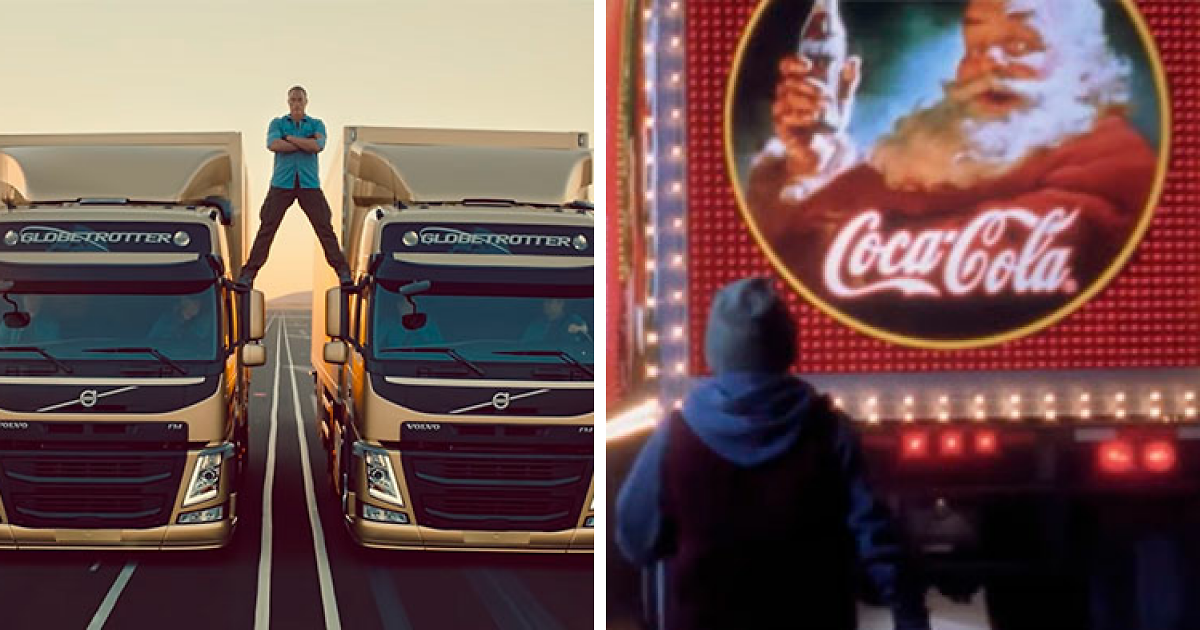
Classic commercials usually win with one of five weapons: humor, surprise, emotion, simplicity, or cultural timing. Apple’s “1984” made a computer feel like a revolution. Coca-Cola’s Mean Joe Greene spot turned a football giant into a soft-hearted legend. Wendy’s “Where’s the Beef?” transformed a fast-food comparison into a national phrase. Old Spice rebooted an aging brand with absurd confidence and a man on a horse. That is not just advertising; that is creative witchcraft wearing a media-buy invoice.
71 Famous Commercials That Still Matter
1. Apple “1984”
Apple’s 1984 Macintosh commercial remains one of the most studied ads ever made. It barely showed the product, but it sold an idea: technology as rebellion. Its cinematic style made Super Bowl advertising feel like prime-time theater.
2. Coca-Cola “Mean Joe Greene”
A bruising football star, a young fan, and one small act of kindness made this Coca-Cola commercial unforgettable. It worked because it made refreshment feel human instead of fizzy.
3. Wendy’s “Where’s the Beef?”
Clara Peller’s blunt delivery turned a burger-size joke into one of America’s sharpest advertising catchphrases. The line became shorthand for calling out empty promises.
4. California Milk Processor Board “Got Milk?”
The original “Aaron Burr” commercial proved that deprivation can be funnier than abundance. A mouthful of peanut butter and no milk created one of the simplest, stickiest campaigns in food advertising.
5. Old Spice “The Man Your Man Could Smell Like”
Old Spice used fast cuts, surreal humor, and Isaiah Mustafa’s deadpan charm to make body wash feel like a comedy event. It also showed how TV, YouTube, and social media could amplify each other.
6. Nike “Just Do It”
Nike’s campaign turned athletic advertising into personal motivation. Instead of selling shoes as equipment, it sold movement, discipline, and the heroic possibility of getting off the couch.
7. Volkswagen “The Force”
A tiny Darth Vader trying to control a Passat became one of the internet era’s most beloved Super Bowl ads. The commercial blended nostalgia, family humor, and perfect timing.
8. Snickers “You’re Not You When You’re Hungry”
Betty White helped launch a campaign built on one universal truth: hunger can turn anyone into a cranky alternate version of themselves. Funny, simple, endlessly repeatable.
9. Budweiser Clydesdales
The Clydesdales became emotional shorthand for heritage, ceremony, and Americana. Even people who skip beer ads remember the horses.
10. Google “Parisian Love”
Google told a romance through search queries. No loud voiceover, no celebrity chaos, just a life story unfolding one search at a time.
11. McDonald’s “The Showdown”
Michael Jordan and Larry Bird playing an impossible game of H-O-R-S-E made the Big Mac feel like a championship trophy.
12. Pepsi Cindy Crawford
A supermodel, a vending machine, and two stunned kids gave Pepsi one of the most replayed visual gags of the 1990s.
13. Always “Like a Girl”
This campaign reframed an insult as a statement of confidence. It showed that commercials can challenge language, not just decorate it.
14. Dove “Real Beauty Sketches”
Dove’s emotional experiment sparked conversations about self-image and beauty standards. It was advertising, yes, but it also felt like a mirror.
15. Dos Equis “The Most Interesting Man in the World”
With dry narration and exaggerated legend-building, this campaign created a character people quoted long after the commercial break ended.
16. E-Trade Talking Baby
A baby discussing finance was ridiculous enough to work. The joke made online trading feel accessible without drowning viewers in jargon.
17. Geico Gecko
The Geico Gecko gave insurance a friendly face. That is not easy; insurance paperwork has the natural charm of a printer jam.
18. Geico Cavemen
The cavemen campaign turned a simple slogan into a running social joke about being underestimated.
19. Progressive Flo
Flo became one of modern advertising’s most recognizable brand characters by making insurance retail feel oddly cheerful.
20. Allstate Mayhem
Mayhem personified everyday disasters with comic menace, making insurance risks memorable without becoming a lecture.
21. State Farm “Jake from State Farm”
A late-night phone call and one suspicious spouse gave State Farm a character who survived multiple campaign eras.
22. Tootsie Pop “How Many Licks?”
A cartoon owl, a childlike question, and a crunchy ending made this candy ad permanently quotable.
23. Life Cereal “Mikey Likes It”
The commercial worked because it captured family-table skepticism. If picky Mikey liked it, the cereal had social proof before social proof was a buzzword.
24. Energizer Bunny
The Energizer Bunny kept going, literally and culturally. It became a metaphor for persistence.
25. Duracell Battery Reliability Ads
Duracell turned battery life into drama, making small household power feel important.
26. M&M’s “They Do Exist”
The talking M&M characters gave candy personalities, turning a snack into a sitcom ensemble.
27. Mentos “The Freshmaker”
Cheesy? Absolutely. Memorable? Completely. Mentos commercials leaned into playful problem-solving with a wink.
28. Taco Bell Chihuahua
The Taco Bell Chihuahua became a late-1990s pop-culture mascot, proving that tiny dogs can carry enormous media weight.
29. Burger King “Subservient Chicken”
Part TV stunt, part digital experiment, this campaign helped connect traditional commercials with interactive online behavior.
30. KFC Colonel Sanders Revivals
KFC repeatedly reinvented its founder as a comic character, showing how brand heritage can be both nostalgic and absurd.
31. Domino’s “Avoid the Noid”
The Noid gave pizza delivery a villain. Strange? Yes. Effective? Also yes.
32. Pizza Hut Celebrity Spots
Pizza Hut often used celebrity energy to turn dinner into a family event with extra cheese and extra noise.
33. Subway Five-Dollar Footlong
The jingle did what jingles dream of doing: it lodged itself in millions of heads and refused to pay rent.
34. Oscar Mayer Wienermobile Ads
Few brand vehicles are as instantly recognizable. The Wienermobile made processed meat strangely whimsical.
35. Pillsbury Doughboy
The Doughboy’s giggle gave baking a soft, family-friendly personality.
36. Kool-Aid Kool-Aid Man
A giant pitcher breaking through walls should not be subtle. Thankfully, it never tried to be.
37. Mr. Clean Mr. Clean Mascot
Mr. Clean turned household cleaning into a superhero fantasy with fewer capes and more sparkling countertops.
38. Bounty “The Quicker Picker Upper”
Bounty made paper towels memorable by owning a practical promise and repeating it clearly.
39. Charmin Bears
The Charmin bears made bathroom tissue advertising less awkward by going fully cartoonish.
40. Clorox Clean Home Ads
Clorox commercials often succeed by connecting cleanliness with comfort, safety, and the relief of wiping up chaos.
41. Tide “It’s a Tide Ad”
Tide cleverly hijacked the structure of other commercials by pointing out that clean clothes appear in nearly every ad.
42. Federal Express “Fast Talker”
This classic ad used rapid-fire office comedy to make speed feel urgent, funny, and essential.
43. UPS “What Can Brown Do for You?”
UPS built a simple color association into a business identity. Brown became more than a uniform; it became a promise.
44. Verizon “Can You Hear Me Now?”
One line turned network reliability into a national joke and a competitive advantage.
45. AT&T “Reach Out and Touch Someone”
This campaign made long-distance calling feel emotional, especially when phone calls were still events.
46. Sprint Network Comparison Ads
Sprint often used direct comparison to simplify the complicated world of mobile plans.
47. IBM Business Technology Ads
IBM’s best commercials made complex computing sound like practical problem-solving, not basement wizardry.
48. Microsoft Windows Launch Campaigns
Microsoft advertising has often sold productivity as empowerment, especially when personal computing moved into everyday homes.
49. Intel “Intel Inside”
Intel made an invisible computer chip into a consumer-facing brand. That is a marketing magic trick.
50. Dell “Dude, You’re Getting a Dell”
A casual catchphrase helped Dell feel youthful and approachable during the home-PC boom.
51. Sony Bravia Color Ads
Sony’s visually rich commercials turned picture quality into spectacle.
52. Honda “Cog”
This elaborate chain-reaction ad was a love letter to engineering precision and patience.
53. Chevrolet “Like a Rock”
Chevrolet used music and rugged imagery to associate trucks with endurance and working-class pride.
54. Ford Mustang Ads
Ford’s Mustang commercials often sell freedom more than transportation. The car becomes an attitude with wheels.
55. Jeep Adventure Campaigns
Jeep commercials thrive on mud, mountains, and the promise that your grocery run could become an expedition.
56. Toyota Reliability Ads
Toyota often wins by making dependability feel smart rather than boring.
57. Lexus December to Remember
The giant bow became a luxury-car holiday symbol, even if most people’s gift budgets are more “socks” than “sedan.”
58. Master Lock Tough Under Fire
Master Lock dramatized durability with one powerful demonstration, proving that a simple product test can become brand legend.
59. De Beers Diamond Campaigns
De Beers helped connect diamonds with romance, commitment, and cultural ritual through decades of advertising.
60. Hallmark Emotional Greeting Card Ads
Hallmark commercials specialize in emotional precision: the right card, the right pause, and suddenly someone is pretending not to cry.
61. Kodak “Share Moments” Ads
Kodak sold memory before smartphones turned everyone into a walking photo archive.
62. Polaroid Instant Camera Commercials
Polaroid commercials made instant photos feel like small miracles.
63. Reebok Terry Tate, Office Linebacker
This campaign turned workplace frustration into slapstick fantasy. It was loud, ridiculous, and impossible to ignore.
64. Gatorade Michael Jordan Campaigns
Gatorade linked hydration with athletic greatness through Michael Jordan’s magnetic presence.
65. ESPN “This Is SportsCenter”
ESPN made athletes part of office comedy, creating a long-running campaign that treated sports culture like an inside joke everyone understood.
66. Disney “I’m Going to Disney World”
The post-championship line became a celebration ritual, tying Disney to victory, family travel, and wish fulfillment.
67. Monster.com “When I Grow Up”
This darkly funny career ad used children saying bleak adult ambitions to make job dissatisfaction impossible to ignore.
68. CareerBuilder Monkey Office Ads
CareerBuilder used office monkeys to dramatize workplace frustration with just enough absurdity to sting.
69. GoDaddy Early Super Bowl Ads
GoDaddy used shock value to build awareness quickly, though its approach also showed the risks of attention without lasting warmth.
70. Ram Trucks “So God Made a Farmer”
This commercial leaned on voice, photography, and respect for agricultural labor to create a solemn Super Bowl moment.
71. Mountain Dew “Puppy Monkey Baby”
Some ads are remembered because they are beautiful. This one is remembered because the brain cannot delete it. That still counts.
What These Commercials Teach About Great Advertising
Great Commercials Are Built Around One Clear Idea
The best TV ads are rarely complicated. Apple said the Macintosh was different. Wendy’s said competitors were serving too much bun and not enough burger. Snickers said hunger changes your personality. “Got Milk?” said you do not appreciate milk until you desperately need it. Each idea fits in a sentence, which is why it fits in memory.
Characters Make Brands Easier to Remember
The Geico Gecko, Flo, Mayhem, Mr. Clean, the Pillsbury Doughboy, and the Kool-Aid Man prove that characters can turn ordinary categories into entertainment. Insurance, cleaning products, batteries, and paper towels are not naturally glamorous. Add the right mascot, however, and suddenly the brand has a face, a voice, and a reason to return next week.
Emotion Beats Explanation
Many famous commercials barely explain product specs. Coca-Cola’s Mean Joe Greene spot does not lecture viewers about carbonation. Google’s “Parisian Love” does not list search-engine features like a software manual wearing a tie. Instead, these ads use emotion to imply value. The audience fills in the rest.
Humor Gives Ads a Second Life
Funny commercials travel well because people repeat them. A sharp line, odd character, or ridiculous visual becomes office conversation, playground imitation, late-night parody, and eventually nostalgia. Humor turns paid media into shared culture.
500-Word Experience Section: Why These Ads Still Feel Personal
Watching famous TV commercials is a strangely personal experience because ads often attach themselves to ordinary life. You may not remember the exact year a commercial aired, but you remember the couch, the carpet, the family member who laughed too loudly, or the snack that disappeared before halftime. Commercials sneak into memory through the side door. They are not invited like movies or albums; they simply arrive between things we actually planned to watch. Then, somehow, they stay.
One reason these commercials still pack a punch is that they compress big feelings into tiny packages. A great commercial is like a short story with no time to waste. It needs a setup, a turn, and a payoff before someone gets up to check the oven. That pressure creates creative clarity. The best ads do not ramble. They walk in, make the point, and leave the room before the audience can get bored.
There is also a communal magic to TV commercials, especially Super Bowl commercials. In the streaming era, people often watch different shows at different times on different screens. Classic commercials remind us of a period when millions of viewers saw the same joke or emotional twist at once. The next day, people repeated lines at school, work, grocery stores, and family dinners. A commercial could become a temporary national language. Everyone knew the reference, and if they did not, someone was eager to perform it badly.
From a marketing perspective, these ads are also useful reminders that attention is not the same as affection. Some commercials get noticed because they are loud, weird, or controversial. Fewer are loved. The most enduring ads usually balance surprise with meaning. Volkswagen’s little Darth Vader is adorable, but the ad also shows family tenderness. Snickers is silly, but the hunger insight is universal. Old Spice is absurd, but the brand transformation is strategic. Dove and Always are emotional, but they connect to broader social conversations. The punch comes from the combination.
For writers, creators, and business owners, the lesson is not to copy these commercials frame by frame. Please do not put a tiny Sith Lord in every local furniture ad. The lesson is to find the human truth beneath the product. What frustration does it solve? What hope does it represent? What joke does the audience already understand? What moment makes people say, “That is so true”? Once you find that truth, the commercial has a chance to become more than promotion.
The funniest thing about famous TV commercials is that they were originally interruptions. They paused the show, delayed the game, and stood between viewers and the thing they wanted. The great ones transformed that interruption into the thing people remembered most. That is the real punch: when advertising becomes entertainment, memory, and cultural shorthand all at once.
Conclusion
The most famous TV commercials endure because they respect the audience’s time and intelligence. They do not merely announce products; they create moments. They turn a burger complaint into a catchphrase, a body wash ad into a comedy sketch, a search engine into a love story, and a computer launch into a cultural landmark. Whether funny, emotional, strange, bold, or beautifully simple, these 71 commercials prove that great advertising can outlive the media buy and become part of everyday language.