Note: This article is based on real public information from official space agency updates and reputable space-science reporting. The “finger in the hole” moment is treated as the famous human detail of the story, while the confirmed repair is described accurately: the International Space Station crew located a tiny leak in the Soyuz MS-09 spacecraft and sealed it with approved patching materials.
The Tiny Hole That Made Earth Hold Its Breath
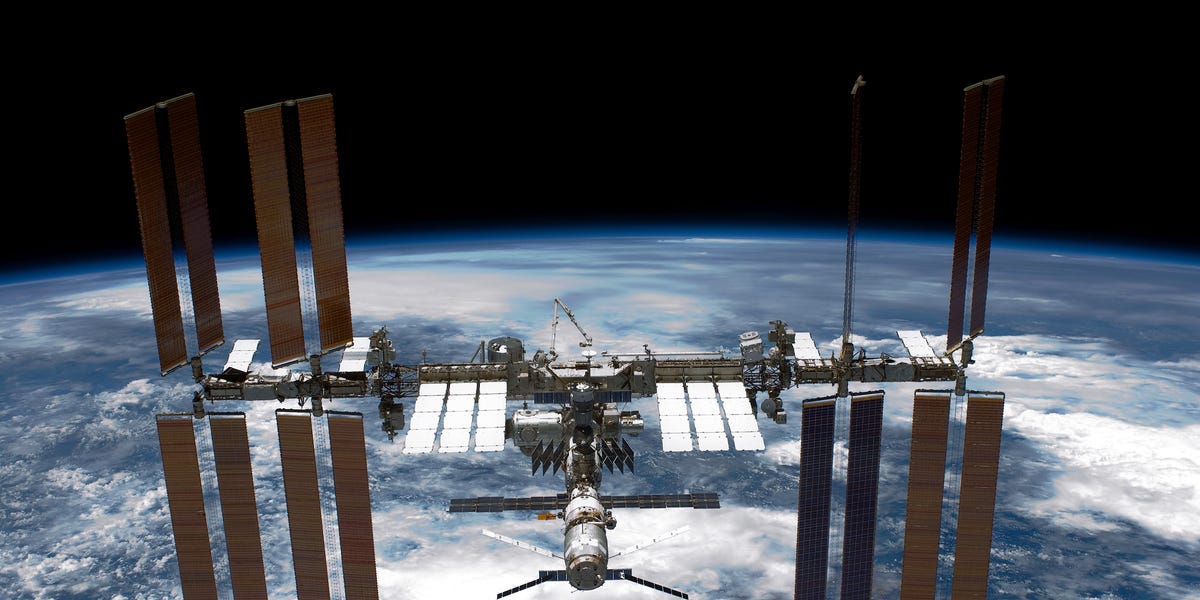
Space is beautiful, silent, and extremely bad at forgiving mistakes. On Earth, a small hole in the wall might mean a draft, a suspicious whistle, or a bill from a contractor. On the International Space Station, a small hole can mean air escaping into the endless vacuum outside. That is why the story of an astronaut plugging a leak on the space station with his finger became instantly unforgettable. It sounds like something from a cartoon, except the setting was real, the pressure drop was real, and the crew was floating more than 250 miles above Earth.
The incident happened in late August 2018 aboard the International Space Station, often called the ISS. Flight controllers noticed a slight drop in cabin pressure while the Expedition 56 crew was sleeping. The decrease was small enough that mission control did not wake the crew immediately. That detail matters. This was not a Hollywood-style disaster where sirens screamed, coffee floated sideways, and someone shouted, “We have 30 seconds!” Instead, it was the more realistic version of spaceflight: trained people, calm procedures, checklists, communication between Houston and Moscow, and a tiny problem treated with enormous seriousness.
The leak was eventually traced to a hole about two millimeters wide in the orbital compartment of the Russian Soyuz MS-09 spacecraft, which was docked to the station’s Rassvet module. Two millimeters is smaller than a pencil eraser. It is also big enough to make engineers suddenly very interested in pressure readings. The hole was in the upper orbital section of the Soyuz, not in the descent module that carries astronauts back to Earth. That distinction helped reduce immediate risk, but it did not make the situation something anyone could casually ignore.
Did an Astronaut Really Use a Finger to Stop the Leak?
The most memorable version of the story says an astronaut plugged the space station leak with his finger. The image is irresistible: one human fingertip standing between a breathable home in orbit and the vacuum of space. It is the kind of detail that makes the internet sit upright and say, “Finally, space plumbing.”
The viral account is connected to early moments during the crew’s response, when the leak site was being identified and temporarily managed. However, the official repair was not a bare-finger solution. NASA reported that the crew slowed the leak with Kapton tape and later used an epoxy sealant on a gauze wipe to plug the hole. Soyuz commander Sergey Prokopyev of Roscosmos was identified in official updates as the crew member who applied the epoxy repair. Other crew members, including Oleg Artemyev, assisted during the response.
So, was the finger part true? In the broad public retelling, yes, it captures the dramatic human moment of physically covering or pointing to the small leak during troubleshooting. But as a technical explanation, “an astronaut saved the ISS with his finger” is incomplete. A finger may help locate, demonstrate, or temporarily cover a tiny leak, but a space station does not rely on heroic thumb pressure as a maintenance strategy. NASA and Roscosmos rely on procedures, tools, materials, and people who know exactly how to stay calm when the universe becomes inconvenient.
How the Crew Found the Space Station Leak
Finding a tiny air leak inside a massive orbital laboratory is not as easy as walking around a room and listening for a hiss. The ISS is full of fans, pumps, computers, cables, panels, equipment racks, and normal background noise. The crew followed leak-isolation steps, including closing hatches and checking different sections of the station. Eventually, the problem was narrowed to the Soyuz 55S habitation module, also known as the orbital module of Soyuz MS-09.
The crew used an ultrasonic leak detector to help locate the escaping air. This tool can detect high-frequency sounds associated with gas moving through a small opening. Think of it as a highly specialized stethoscope for a spacecraft. Instead of listening to a heartbeat, it listens for the faint song of your atmosphere trying to leave.
Once the hole was found behind a panel in the Soyuz toilet area, the crew had a clearer picture of the problem. The station’s atmosphere was dropping slowly, not catastrophically. NASA described the crew as never being in danger. Still, every pressure leak in space deserves full attention. On Earth, air is everywhere, which makes us spoiled. In orbit, every breath depends on sealed walls, life-support systems, cargo resupply, and careful monitoring.
The Actual Repair: Tape, Gauze, and Epoxy
The first step was a temporary slowdown. Kapton tape, a heat-resistant material often used in spacecraft applications, was applied at the leak site. Then the crew and flight controllers worked together on a longer-term repair. The solution used epoxy sealant and a gauze wipe, creating a patch that stabilized the station’s pressure.
This may sound surprisingly low-tech. After all, the International Space Station is a flying laboratory assembled by multiple nations, packed with advanced systems, and traveling around Earth at roughly 17,500 miles per hour. Yet the fix involved materials that sound like they escaped from a garage shelf. That is not because space agencies are cheap. It is because good engineering often looks simple at the point of use. The brilliance is in knowing which material works, how it behaves in microgravity, how it bonds, how it affects safety, and how it fits into an approved emergency response.
After the patch was applied, flight controllers in Houston and Moscow continued monitoring the cabin pressure. The station’s pressure stabilized, and the crew returned to normal operations. The incident became a dramatic reminder that spaceflight is not only about rockets and spacewalks; it is also about maintenance, teamwork, and occasionally treating a spacecraft like the world’s most expensive bicycle tire.
Why a Two-Millimeter Hole Matters in Space
A two-millimeter hole seems almost laughably small until you remember what is on the other side of the wall. Outside the ISS is not “thin air.” It is vacuum. The pressure difference pulls air outward, and even a small opening can gradually reduce the breathable atmosphere inside a sealed spacecraft.
The danger depends on the size of the hole, the volume of the spacecraft, and the rate of pressure loss. In this case, the rate was slow enough for the crew to work methodically. That is why mission control allowed the astronauts to continue sleeping until their scheduled wake-up time. In a faster depressurization event, the response would be much more urgent. Crews train for those scenarios, including isolating modules, closing hatches, and moving toward return vehicles if necessary.
The ISS is designed with compartmentalization for exactly this reason. If one section has a problem, hatches can be closed to protect the rest of the station. This approach is not glamorous, but it is essential. Spacecraft safety often comes down to layers: layers of shielding, layers of procedures, layers of communication, and layers of “let’s not make this worse.”
The Mystery: Micrometeorite, Manufacturing Error, or Drill Hole?
At first, one possible explanation was a micrometeorite or tiny space debris impact. That would not have been surprising. The ISS operates in low Earth orbit, where small debris and natural particles can travel at extremely high speeds. Spacecraft use protective shielding, including Whipple shield designs, to reduce the risk from impacts. Still, orbital debris remains one of the constant hazards of space operations.
However, the story became stranger when later reports suggested the hole looked drilled rather than punched by a micrometeorite. Images appeared to show marks near the hole, raising questions about whether the damage was caused by human error during manufacturing or by some other action. Russian officials opened an investigation. NASA and Roscosmos issued statements urging people to avoid jumping to conclusions before the investigation was completed.
This is where the incident drifted from engineering problem into space mystery. Some speculation became dramatic and unfair, including rumors about possible sabotage. Responsible reporting should be careful here. What is known is that the leak was real, the hole was small, the repair worked, and the cause was investigated. What should not be treated as proven is any sensational claim about a specific individual causing the damage. Spaceflight already has enough real danger without adding tabloid rocket fuel.
What This Incident Reveals About Astronaut Training
The Soyuz MS-09 leak showed why astronauts and cosmonauts train for emergencies that may never happen. The calm response did not come from luck. It came from years of preparation, simulation, and practice. Crew members learn how to handle fires, ammonia leaks, pressure losses, medical emergencies, equipment failures, and communication challenges. They also learn how to work with international teams under stress.
In this case, the response required cooperation between the crew in orbit and mission controllers in Houston and Moscow. That coordination is one of the underrated miracles of the ISS. The station is not just a machine; it is a partnership. American, Russian, European, Japanese, and Canadian contributions have kept it operating for decades. Even when politics on Earth becomes complicated, the station depends on technical trust and professional discipline.
The crew’s response also shows the importance of staying boring in a crisis. That may sound strange, but “boring” is a compliment in space operations. No panic. No improvising wildly. No cinematic speeches while oxygen pours out of the wall. The best emergency response is often calm, repetitive, and procedural. Find the problem. Confirm the data. Communicate clearly. Apply the approved fix. Monitor the result. Then breathe, preferably from inside the spacecraft.
The Human Side of a Space Emergency
What makes the finger-plug story so popular is not only the danger. It is the human scale of it. The ISS is one of the most complex structures ever built, yet the image people remember is a person touching a tiny hole. That contrast is powerful. Space exploration can feel distant, expensive, and abstract. A fingertip on a leak makes it suddenly relatable.
Everyone has had a small household emergency: a pipe dripping under the sink, a tire losing air, a window not sealing properly, a roof deciding that rain belongs indoors. The ISS leak was obviously far more serious, but emotionally it connects to the same human instinct: find the problem and stop the leak. The difference is that astronauts do it while floating, wearing mission patches, and not having the luxury of calling a plumber who says he can come “sometime between Tuesday and the heat death of the universe.”
The incident also reminds us that astronauts are not superheroes in the comic-book sense. They are highly trained professionals who use ordinary human qualitiesattention, patience, teamwork, courage, and humorto solve extraordinary problems. The fact that the leak was managed without injury or drama is not anticlimactic. It is the victory.
Common Myths About the ISS Leak
Myth 1: The ISS Was Seconds Away From Disaster
The pressure drop was real, but it was slow. Flight controllers determined there was no immediate danger, which is why the crew was not awakened in the middle of their sleep period. That does not make the leak unimportant; it means the response could be controlled and methodical.
Myth 2: A Finger Was the Permanent Fix
The confirmed repair involved Kapton tape, epoxy sealant, and gauze. A finger may have played a role in the famous visual retelling, but the actual pressure-stabilizing repair used materials selected for the task.
Myth 3: The Hole Was in the Main ISS Hull
The leak was traced to the orbital compartment of the Soyuz MS-09 spacecraft docked to the station. It was part of the visiting Soyuz vehicle, not the central body of the ISS itself.
Myth 4: The Cause Was Publicly Settled Immediately
The cause became the subject of investigation and debate. Early possibilities included micrometeorite damage, but later attention focused on signs that the hole may have been drilled. Careful readers should separate confirmed facts from speculation.
Why the Story Still Matters Today
The ISS leak remains relevant because the space station is aging, and future space habitats will face similar risks. As NASA, commercial companies, and international partners plan missions to the Moon, Mars, and private orbital stations, leak detection and repair will remain fundamental. A habitat on Mars cannot depend on a quick resupply ship arriving tomorrow. A lunar station cannot treat pressure loss as a minor inconvenience. The farther humans go, the more important repair culture becomes.
The story also highlights the need for transparency and careful communication. Space incidents attract public attention quickly. A tiny hole can become a global mystery within hours. Agencies must balance technical investigation, crew privacy, international relationships, and public trust. Clear information helps prevent speculation from filling the vacuum, which, as we have already established, is not something anyone wants near a spacecraft.
Most importantly, the incident shows that space exploration is not made safe by pretending risks do not exist. It is made safer by expecting problems, training for them, designing backup systems, and learning from every anomaly. The ISS has survived because thousands of people treat small details as big responsibilities.
Experiences and Lessons Inspired by “An Astronaut Plugged the Leak on the Space Station With his Finger”
The story of an astronaut plugging a space station leak with his finger offers more than a memorable headline. It offers a surprisingly useful way to think about pressure, responsibility, and problem-solving in everyday life. Most of us will never float through the Soyuz orbital module with an ultrasonic leak detector in hand. Most of us will never hear mission control discussing cabin pressure trends while Earth glows outside the window. But almost everyone knows what it feels like when a small problem suddenly becomes the only problem in the room.
One practical lesson is that tiny issues deserve attention before they become giant issues. A two-millimeter hole did not destroy the ISS, but nobody ignored it. The same principle applies to homes, workplaces, health, finances, and relationships. A small water stain on a ceiling, a strange noise in a car, a missed deadline, or a repeated misunderstanding can be easy to dismiss. Yet small leaks have a talent for becoming expensive speeches later. The astronauts’ response teaches a simple rule: investigate early, repair carefully, and keep monitoring after the fix.
Another experience connected to this topic is the value of staying calm when the situation feels absurd. Imagine being told that your spacecraft has a leak. That sentence alone could make a person reconsider every life choice since kindergarten. But the ISS crew did not respond with panic. They used procedures. They communicated. They narrowed the problem. In daily life, the same approach works better than emotional fireworks. When something goes wrong, the first job is not to dramatize it. The first job is to locate the leak.
The incident also shows why teamwork matters. No single person “saved the station” in the simple movie-trailer sense. The successful response involved astronauts and cosmonauts in orbit, flight controllers on the ground, engineering teams, and international coordination. The finger may be the famous image, but the system solved the problem. That is true in many human projects. One person may get the headline, but the real success usually belongs to a network of people doing their jobs well.
There is also a lesson in humility. Space technology is advanced, but the repair involved tape, gauze, and epoxy. Sometimes the best solution is not the flashiest one. A good fix is the one that works safely. This is comforting for anyone who has ever solved a problem with duct tape, a checklist, and a sincere promise to do a proper repair later. The difference, of course, is that NASA documents the process more carefully than your uncle repairing a lawn chair.
Finally, the story reminds us that human exploration is built on courage plus maintenance. Rockets inspire us, but repairs keep us alive. The glamorous part of spaceflight is launch day; the heroic part may be quietly patching a hole no wider than a grain of rice. That is why this story remains so compelling. It shows humanity at its best: curious enough to live in orbit, disciplined enough to handle danger, and practical enough to plug the leak first and tell the story later.
Conclusion
The tale of an astronaut plugging a leak on the space station with his finger is a perfect space story because it is dramatic, oddly funny, and rooted in real engineering. The 2018 Soyuz MS-09 leak was small, but it carried big lessons. A tiny hole caused a measurable pressure drop aboard one of humanity’s most important laboratories. The crew responded calmly, found the source, slowed the leak, and sealed it with approved materials. The station remained safe, the crew was not in immediate danger, and the incident became a classic example of how preparation turns a scary headline into a successful repair.
In the end, the most impressive part is not the finger. It is the discipline behind it. Space does not reward panic, ego, or guesswork. It rewards training, teamwork, and respect for small details. Whether the leak was caused by manufacturing error, drilling, or another unresolved factor, the response proved that astronauts are not just explorers. They are troubleshooters, mechanics, scientists, and calm professionals who can face a two-millimeter problem in a zero-forgiveness environment. That is worth remembering the next time your sink drips and you feel personally attacked by plumbing.