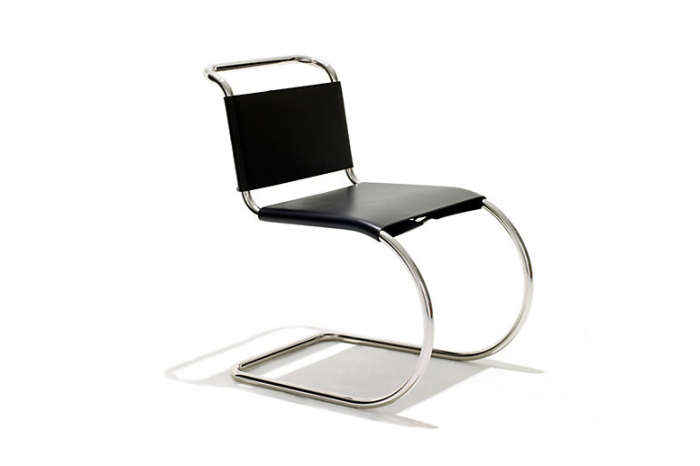
The Mies Van Der Rohe MR Chairs are the kind of furniture that politely walks into a room, says almost nothing, and somehow becomes the most interesting guest there. Designed in 1927 by Ludwig Mies van der Rohe, the MR Chair is a classic example of modernist furniture: lean, elegant, functional, and just dramatic enough to remind you that “less is more” does not mean “less personality.”
With its sweeping tubular steel frame, cantilevered structure, and refined seat materials such as leather, cowhide, or handwoven rattan, the MR Chair helped define what modern furniture could be. It was not carved, padded, and decorated like many older chairs. Instead, it used industrial materials with architectural precision. In other words, it did not try to look like a throne. It tried to look like the future.
Nearly a century later, MR Chairs still appear in homes, offices, galleries, hotels, and design collections because they balance beauty with usefulness. They are sculptural without being fussy, luxurious without shouting, and simple without feeling boring. That is a very difficult trick to pull off, especially for something whose main job is to support a person who may or may not be holding a cup of coffee.
Who Was Ludwig Mies Van Der Rohe?
Ludwig Mies van der Rohe was one of the most influential architects and designers of the 20th century. Born in Aachen, Germany, in 1886, he became a central figure in modern architecture and later moved to the United States, where he led the architecture school at the Illinois Institute of Technology in Chicago. His buildings, including the Barcelona Pavilion, the Farnsworth House, Crown Hall, the Seagram Building, and 860–880 Lake Shore Drive, helped shape the glass-and-steel language of modern cities.
Mies is often associated with the famous phrase “less is more.” That idea was not about making things empty or cold. It was about removing unnecessary decoration so that proportion, material, structure, and space could do the talking. His furniture followed the same philosophy. The MR Chair does not hide how it works. It celebrates its structure, almost like a tiny building you can sit on.
What Are Mies Van Der Rohe MR Chairs?
Mies Van Der Rohe MR Chairs are a group of modernist chairs designed around a tubular steel frame and a cantilevered form. The “MR” initials refer to Mies Rohe, and the collection includes several variations, such as armless side chairs, armchairs, and lounge versions. The most recognizable MR Chairs feature a continuous curved steel frame that runs from the floor up into the back and down again, creating a spring-like seating experience without rear legs.
This cantilevered design was radical in the 1920s. Traditional chairs usually depended on four legs, visible joints, and heavy wooden construction. The MR Chair replaced that familiar formula with a floating seat and a flexible steel frame. It looked light, modern, and almost impossible at first glance. The chair seemed to ask, “Who needs back legs anyway?” and then answered itself by working beautifully.
The Historical Context Behind the MR Chair
The MR Chair was introduced during a period when designers were rethinking nearly everything about modern life. In the early 20th century, architecture, furniture, and industrial design were moving away from excessive ornament and toward clarity, efficiency, and mass production. The Bauhaus movement played a major role in this shift by encouraging designers to unite art, craft, technology, and everyday function.
Mies was connected to this world of experimentation. He later became the final director of the Bauhaus before the school closed in 1933. The MR Chair reflects the same modernist spirit: it uses new materials, embraces industrial production, and treats furniture as part of a complete architectural environment.
The design also connects to the development of the cantilever chair. Architect Mart Stam created an early cantilevered chair concept in the 1920s, and Marcel Breuer explored tubular steel furniture around the same time. Mies brought his own architectural refinement to the idea, softening the geometry with a graceful curve and creating a chair that felt both technical and elegant.
Why Tubular Steel Was So Important
One of the defining features of MR Chairs is tubular steel. Today, steel furniture may seem normal, but in the 1920s it represented progress, speed, and industrial modernity. Tubular steel was strong, relatively lightweight, and visually clean. It allowed designers to create forms that would have been difficult or impossible with traditional wood construction.
For the MR Chair, tubular steel made the cantilever possible. The frame could bend slightly under the sitter’s weight, creating a gentle spring effect. That subtle movement is part of the chair’s charm. It does not bounce like a playground toy, thankfully, but it has a responsive quality that makes the chair feel alive.
The polished chrome finish also added a sleek, reflective surface that worked beautifully with modern interiors. Chrome could catch light, echo glass, and contrast with natural materials such as cane, rattan, leather, or cowhide. The result was a chair that looked machine-made and human-friendly at the same time.
Design Features That Make MR Chairs Iconic
1. The Cantilevered Frame
The most important design feature of the MR Chair is its cantilevered frame. Instead of four legs, the chair uses a continuous steel structure that supports the sitter from the front and base. This gives the seat a floating appearance and creates gentle flexibility. The engineering is simple to look at but highly sophisticated in practice.
2. The Elegant Curve
Many cantilever chairs have sharp angles, but Mies gave the MR Chair a long, sweeping curve. This softens the industrial material and gives the chair a refined silhouette. From the side, the frame looks almost like a line drawing in space. It is furniture reduced to its essential gesture.
3. Honest Materials
MR Chairs do not pretend to be something else. Steel looks like steel. Leather looks like leather. Rattan looks like rattan. This honesty is central to modernist design. Instead of covering structure with decoration, the chair lets materials express their own character.
4. Balanced Proportions
Mies had an exceptional sense of proportion, and the MR Chair proves it. The seat height, back angle, frame radius, and material contrast all feel carefully considered. Nothing looks random. Nothing looks overworked. The chair has the calm confidence of someone who knows exactly what they are wearing.
Popular MR Chair Variations
The MR Collection includes several related pieces, each suited to different uses. The armless MR Side Chair is often used around dining tables, conference tables, or desks. It has a clean profile and slips easily into modern interiors without visually crowding the space.
The MR Armchair adds arms for extra comfort and presence. It works well as a dining chair, accent chair, or office side chair. The arms make the design feel slightly more formal, but the open frame keeps it from becoming bulky.
The MR Lounge Chair is lower and more relaxed, designed for longer sitting. It often features leather straps or cushions and has a more luxurious feel. While the side chair is ready for dinner conversation, the lounge chair is ready for a book, a record player, and a suspiciously perfect afternoon.
MR Chairs and the Bauhaus Spirit
The MR Chair is often described as Bauhaus-inspired, and for good reason. It reflects many of the movement’s key ideas: functional design, industrial materials, clean lines, and the belief that beautiful objects should serve real life. However, the MR Chair is not merely a classroom exercise in minimalism. It has warmth, rhythm, and elegance.
Bauhaus design sometimes gets unfairly accused of being cold or severe. The MR Chair offers a strong counterargument. Its steel frame is precise, but its curve is graceful. Its structure is rational, but its sitting experience is surprisingly comfortable. It proves that modern design can be disciplined and inviting at the same time.
How MR Chairs Compare With Other Mies Furniture
Mies van der Rohe designed several famous furniture pieces, including the Barcelona Chair, Brno Chair, Tugendhat Chair, and Barcelona Couch. Compared with the Barcelona Chair, the MR Chair is lighter, more linear, and more casual. The Barcelona Chair feels ceremonial, as if it expects a royal guest or at least someone wearing excellent shoes. The MR Chair feels more adaptable and everyday.
Compared with the Brno Chair, the MR Chair has a more expressive curve and a more visibly springy frame. The Brno Chair is sleek and architectural, while the MR Chair feels more lyrical. Both share Mies’s interest in steel, proportion, and modern luxury, but the MR Chair has a distinctive visual movement that makes it instantly recognizable.
Why MR Chairs Still Work in Modern Interiors
One reason Mies Van Der Rohe MR Chairs remain popular is that they do not belong to just one decorating style. They can sit comfortably in a minimalist apartment, a midcentury modern home, a glass-walled office, a warm contemporary dining room, or even a traditional space that needs a crisp modern counterpoint.
The open frame helps the chair feel light. This is especially useful in smaller rooms, where heavy furniture can make everything feel crowded. Because the MR Chair exposes space rather than blocking it, it can make a dining area or office look cleaner and more breathable.
The material options also help. A rattan or cane seat adds natural texture and works well with wood, plants, linen, and warm neutral palettes. A leather or cowhide version feels more polished and can complement stone, glass, metal, and darker interiors. The chair is minimalist, but it is not one-note.
Where to Use Mies Van Der Rohe MR Chairs
Dining Rooms
MR Side Chairs are excellent around a dining table because they bring elegance without visual heaviness. They pair beautifully with glass, marble, wood, or metal tables. A set of MR Chairs can make a dining room feel curated without turning dinner into a museum visit.
Home Offices
An MR Chair can work as a stylish guest chair or occasional desk chair. It is especially effective in offices where you want a professional but creative atmosphere. It says, “I read architecture books,” even if the nearest book is actually a takeout menu.
Living Rooms
MR Lounge Chairs can serve as accent seating in a living room. Their low profile and sculptural frame make them ideal beside a sofa, near a window, or in a reading corner. They add design credibility without demanding the entire room become a shrine to chrome.
Commercial Spaces
Hotels, galleries, reception areas, and executive offices often use MR Chairs because they communicate taste, history, and restraint. They are recognizable to design lovers but still practical for everyday use.
Authentic MR Chairs vs. Reproductions
Because MR Chairs are design icons, many reproductions and inspired versions exist. Authentic licensed versions are associated with high-quality materials, careful proportions, and manufacturing standards that preserve the original design intent. They often include maker marks, stamps, or documentation depending on the producer and period.
Reproductions can vary widely. Some look reasonably close from across the room, while others lose the refined proportions that make the original so special. With a chair as simple as the MR, small differences matter. A slightly awkward curve, cheap chrome finish, poor welding, or low-quality seat material can turn elegance into “office waiting room, but make it confused.”
If you are buying an MR Chair, consider the source, materials, dimensions, finish quality, and construction details. Vintage pieces may have wear, replaced seats, or restoration history, so documentation is valuable. For new purchases, buying through authorized sellers helps ensure authenticity and quality.
Comfort: Are MR Chairs Actually Nice to Sit In?
Yes, MR Chairs can be comfortable, especially when used for their intended purpose. The cantilevered frame provides a gentle flex, and the angled back gives support without forcing a stiff posture. The experience depends on the version, seat material, and individual preference.
Rattan or cane versions feel breathable and supportive. Leather versions can feel more luxurious and structured. Lounge versions are better for extended relaxation, while side chairs are ideal for dining, meetings, and shorter sitting sessions. Like many classic designs, the MR Chair is not trying to be an overstuffed recliner. It will not swallow you like a marshmallow. It offers poisedmallow. It offers poised comfort, not nap-trap comfort.
How to Style MR Chairs
To style MR Chairs well, let them breathe. Their open structure looks best when the surrounding space is not overly cluttered. Pair them with clean-lined tables, simple lighting, and materials that contrast with steel. Wood adds warmth. Stone adds sophistication. Linen adds softness. Plants add life. A good rug can ground the arrangement and prevent the chrome from feeling too cool.
For a classic modern look, pair MR Chairs with a glass or marble table. For a warmer contemporary look, use them with a walnut or oak dining table. For a more eclectic room, mix MR Chairs with vintage art, textured textiles, and handmade ceramics. The chair is disciplined enough to hold its own, but flexible enough to join a more personal interior.
Care and Maintenance Tips
MR Chairs are built around durable materials, but they still deserve proper care. Chrome or powder-coated steel should be wiped with a soft cloth and kept free of abrasive cleaners. Leather should be conditioned according to the manufacturer’s guidance and protected from direct sunlight when possible. Rattan and cane should be kept away from extreme dryness or moisture, which can weaken natural fibers over time.
Check the seat material periodically, especially on vintage chairs. Rattan, cane, leather straps, and upholstery can stretch or wear with use. Professional restoration may be worthwhile for older pieces, particularly if the frame is original and in good condition.
Why Designers Still Love MR Chairs
Designers love MR Chairs because they solve several problems at once. They provide seating, add architectural interest, introduce material contrast, and bring historical depth to a room. They are visually strong but not bulky. They are famous but not overbearing. They can make a space feel smarter without making it feel like homework.
The chair also represents a powerful design lesson: simplicity is not easy. Anyone can remove details. The challenge is removing details while keeping comfort, strength, beauty, and character. Mies managed to do that with the MR Chair. That is why the design still feels fresh long after most trends have packed their little trend suitcases and left town.
Buying Considerations for MR Chairs
Before buying Mies Van Der Rohe MR Chairs, think about how they will be used. For daily dining, consider durability, seat comfort, and ease of cleaning. For a formal sitting area, you may prioritize finish, material richness, and visual impact. For a vintage purchase, inspect the frame, seat, welds, markings, and any signs of repair.
Measure carefully. The MR Chair has an airy profile, but it still needs enough room for the cantilevered base and gentle movement. Around a dining table, leave comfortable spacing between chairs so the frames do not bump into each other. Also consider flooring. Protective glides or pads may help prevent scratches, especially on wood floors.
The Lasting Legacy of Mies Van Der Rohe MR Chairs
The MR Chair matters because it captures a major turning point in design history. It shows how industrial materials could become elegant domestic objects. It shows how architecture and furniture could speak the same language. Most importantly, it shows that a chair can be practical, beautiful, and intellectually interesting without needing carved lions, velvet tassels, or the emotional energy of a palace hallway.
Its influence can be seen in countless cantilever chairs that followed. The idea of a floating seat supported by a continuous frame became a modern furniture staple. Yet the MR Chair remains special because of its proportions, its curve, and its quiet authority. It is not just a chair from the 1920s. It is a chair that helped invent the look of modern living.
Personal Experience and Practical Impressions: Living With MR Chairs
Experiencing Mies Van Der Rohe MR Chairs in a real room is different from admiring them in a photograph. In images, the chair can look almost too perfect, like a design diagram that escaped from an architecture textbook. In person, however, the MR Chair has warmth and presence. The curve of the steel frame catches light throughout the day, changing from crisp and bright in the morning to soft and reflective in the evening. It is one of those rare pieces that looks simple at first and more interesting the longer you live with it.
One of the most noticeable qualities is how light the chair feels visually. In a dining room, MR Chairs do not crowd the table. You can see through and around them, which makes the entire space feel more open. This is especially helpful in apartments, narrow dining areas, or rooms where every square foot has to earn its keep. A heavier upholstered chair might make the same room feel boxed in, while the MR Chair keeps the atmosphere clean and relaxed.
The sitting experience is also memorable. The slight flex of the cantilevered frame gives the chair a gentle responsiveness. It is not wobbly, and it should not feel unstable, but it does have a subtle give that makes it different from a rigid four-legged chair. That small movement creates comfort without adding bulky padding. It feels engineered, but not mechanical. It feels elegant, but not precious.
Material choice makes a big difference. A rattan MR Chair feels casual, breathable, and organic. It works beautifully in warm interiors with wood floors, woven rugs, indoor plants, and soft neutral colors. A leather or cowhide version feels more formal and architectural. It pairs well with polished tables, darker rooms, gallery-style walls, and spaces where you want a sharper design statement. Neither is “better” in a universal sense. The best version depends on the mood of the room and the habits of the people using it.
In everyday use, MR Chairs reward thoughtful placement. They look best when they are not squeezed into a crowded corner or buried under visual clutter. Give the frame space, and it becomes almost sculptural. Around a dining table, they create a rhythm of repeated curves that feels calm and intentional. As a single accent chair, an MR Chair can anchor a reading corner or create a stylish pause near a window.
There is also an emotional pleasure in using a design with real history. Sitting in an MR Chair is not just sitting in a chair; it is participating in a design conversation that began nearly 100 years ago. That may sound dramatic, but good design often works that way. It connects daily routines with bigger ideas about materials, technology, beauty, and how people live. You can eat breakfast in it, answer emails in it, or have a conversation across the table, and the chair quietly brings a piece of modern design history along for the ride.
Of course, MR Chairs are not for everyone. If someone wants a deep, cushiony chair for marathon lounging, this may not be the first choice. If a household includes rough daily use, pets with ambitious claws, or children who believe furniture is an indoor jungle gym, material selection and durability matter even more. But for people who appreciate clean lines, historical significance, and furniture that can transform a room without shouting, MR Chairs are a remarkably satisfying choice.
The best experience with MR Chairs comes from treating them as both functional seating and visual architecture. They are not background furniture. They shape the room. They make a dining table look sharper, a living room feel more curated, and an office feel more intentional. And unlike trend-driven pieces that look tired after a few seasons, the MR Chair has already survived nearly a century of changing tastes. That is not just good design. That is design with excellent cardio.
Conclusion
Mies Van Der Rohe MR Chairs remain among the most important modern furniture designs because they combine technical innovation, visual elegance, and everyday usefulness. Designed in 1927, they transformed the idea of what a chair could be by using tubular steel, cantilevered construction, and a graceful minimalist form. Whether used in a dining room, office, lounge, or gallery-like interior, the MR Chair brings a sense of architectural clarity and timeless sophistication.
Their appeal lies in restraint. They do not rely on decoration to impress. Instead, they use proportion, material, and structure to create beauty. That is why MR Chairs still feel relevant today. They are not simply vintage icons; they are living examples of modern design at its best.
Note: This article is based on synthesized information from reputable museum, manufacturer, architecture, and design-history references, rewritten in original American English for web publication.
: