
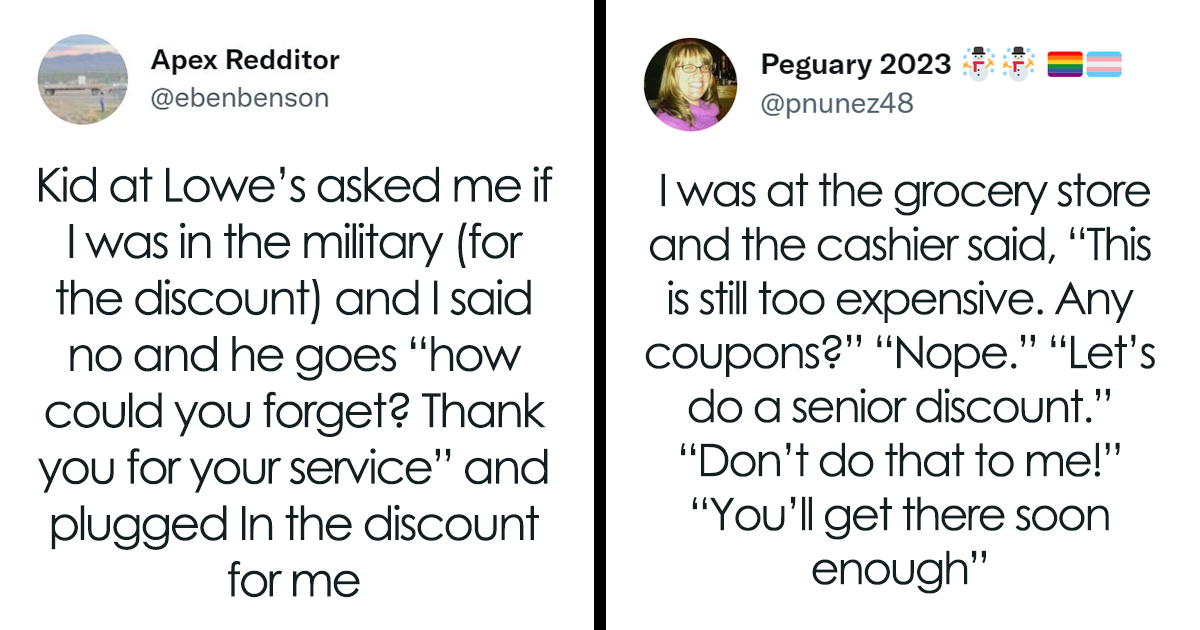
Retail workers do not wear capes. They wear name tags, comfortable shoes, and the brave facial expression of someone who has heard “but the sign said…” seven times before lunch. Still, every so often, a cashier, sales associate, department lead, or store manager becomes the unexpected hero of someone’s day by finding a discount, honoring a confusing tag, applying a forgotten coupon, or gently bending a rule without breaking the law, the register, or their own patience.
In a world where grocery bills, school supplies, home repairs, electronics, and holiday gifts can make a wallet whimper, a small discount can feel huge. The best retail workers understand that customer service is not just about scanning items quickly. It is about reading the room, knowing store policies, spotting legitimate savings, and sometimes saying, “Let me see what I can do,” which is basically the retail version of a superhero landing.
This article explores 26 realistic, policy-friendly examples of retail workers helping customers save money. These are not stories about fraud, fake returns, barcode swapping, or demanding special treatment. They are examples of human judgment: price matching, coupon recovery, open-box markdowns, loyalty rewards, senior discounts, damaged-package reductions, price adjustments, and supervisor-approved exceptions. In other words, the good kind of “bending the rules”the kind that keeps trust intact and turns a stressful shopping trip into a small win.
Why Retail Workers Can Make Such a Big Difference
Retail is built on rules: return windows, coupon exclusions, price-match requirements, inventory systems, sale dates, loyalty terms, and supervisor approvals. Those rules matter because stores need consistency and fairness. But retail is also full of tiny gray areas. A shelf tag might not update. A customer may have forgotten to clip a digital coupon. A package may be dented while the product inside is perfectly fine. A sale may start tomorrow, but the sign is already up today. That is where trained, thoughtful employees shine.
The best retail workers do not simply “give away money.” They know how to look for legitimate savings that customers may not realize are available. They check the app. They compare the online price. They ask a manager. They scan the loyalty account. They know when an open-box discount is appropriate and when a price match is allowed. They also know when to say no, because real customer service protects both the shopper and the business.
26 Times Retail Workers Were Discount Heroes
-
1. The cashier who found the coupon the customer forgot
A customer arrived with a cart full of groceries and a budget that was clearly doing gymnastics. The cashier noticed several items had digital coupons available in the store app. Instead of shrugging and moving on, they helped the customer clip the offers before finishing the transaction. The savings were not massive, but the relief was. Sometimes heroism looks like saying, “Hold on, this cereal has a deal.”
-
2. The electronics associate who honored the online price
A shopper found a laptop on the store shelf for one price, then saw the same model listed lower on the retailer’s website. The associate checked the model number, confirmed the item was identical and in stock online, and requested a price match. No arguing, no dramatic courtroom energy near the mouse padsjust a clean, policy-approved discount.
-
3. The manager who approved a damaged-box markdown
A blender box looked like it had survived a small tornado, but the product inside was sealed and undamaged. The customer asked politely if there was any flexibility. The manager inspected it and offered a modest markdown. The store moved imperfect packaging, and the shopper saved money. The blender lived happily ever after, probably making smoothies with main-character confidence.
-
4. The clothing associate who spotted a missed clearance tag
A jacket rang up at full price even though the rack had a clearance sign. The associate walked back, checked the display, and realized the style had been moved but not updated correctly in the system. Rather than blame the customer, they adjusted the price. Clear communication plus a quick floor check turned frustration into loyalty.
-
5. The bookstore employee who stacked the right promotion
A parent buying books for a child’s school project was about to pay full price. The employee explained that one title qualified for a “buy more, save more” promotion and another counted toward a rewards offer. The final bill dropped enough to add one extra paperback. Somewhere, a kid got another book and a parent got a tiny financial high-five.
-
6. The hardware worker who suggested a cheaper solution
A customer came in ready to buy an expensive replacement part for a leaky sink. A plumbing associate asked a few questions and pointed them toward a low-cost washer and tape instead. It was technically not a discount at the register, but it was a discount on the whole problem. The best retail workers do not oversell; they solve.
-
7. The pharmacy cashier who checked the store card
A customer purchasing over-the-counter health items did not realize their loyalty account had personalized savings. The cashier asked for a phone number, found the account, and applied the available discounts. The customer saved a few dollars on essentials, which matters when essentials are exactly the things people cannot simply skip.
-
8. The toy store employee who gave the sale price one day early
A grandparent buying a birthday gift discovered the toy would be on sale the next morning. The employee checked with a supervisor and received approval to honor the upcoming price because the sale signage had already been placed. It was a small exception, but it saved the customer an unnecessary return trip and made the store look organized, even if the signs had been a little too eager.
-
9. The grocery clerk who helped apply a senior discount
A senior shopper did not know the store had a monthly discount day for eligible customers. The clerk explained the program, helped connect it to the shopper’s loyalty account, and made sure the discount applied before payment. That is not just customer service; that is community service with a receipt.
-
10. The beauty associate who found a gift-with-purchase deal
A customer was buying skincare and had no idea the brand had a promotion. The associate rearranged the purchase slightly so it qualified for a gift set and a small discount. The customer left with the same products, extra samples, and the glamorous feeling of beating the system without actually doing anything suspicious.
-
11. The home goods cashier who respected a shelf-tag mistake
A lamp was displayed under a lower price tag for a similar item. The cashier called a floor associate, confirmed the setup was confusing, and a manager approved the lower price as a courtesy. Good stores know that if the customer reasonably relied on store signage, a fair adjustment can be smarter than a long argument under fluorescent lighting.
-
12. The shoe employee who offered an open-box pair
A customer loved a pair of shoes but hesitated at the price. The employee checked the back room and found the same size in an open box from a returned online order. The shoes were unworn, but the packaging was imperfect, so the store could mark them down. Cinderella would have appreciated this level of inventory management.
-
13. The appliance associate who explained price adjustments
A customer returned to the store after seeing their newly purchased refrigerator drop in price. Instead of dismissing them, the associate explained the price-adjustment window, checked the purchase date, and helped process the difference. A few minutes of patience saved the customer serious money and probably earned the store another appliance purchase later.
-
14. The pet store worker who found a subscription discount
A dog owner buying the same food every month was paying shelf price each time. The employee showed them how the store’s subscription or repeat-delivery program could reduce the cost. The dog did not understand the economics, but he did approve of the continued snack supply.
-
15. The cashier who split a transaction to apply rewards fairly
A shopper had rewards that applied only to certain categories. The cashier noticed the system would not apply them correctly in one large order, so they split the transaction within policy. The customer saved money, and the receipt became slightly longer than a medieval scroll, but everyone survived.
-
16. The sporting goods associate who recommended last season’s model
A customer wanted new running shoes but did not need the newest release. The associate recommended the previous model, explaining that it had nearly the same features at a lower price. That kind of honesty builds trust. It also proves that “new” and “best for you” are not always the same thing.
-
17. The supermarket worker who saved bruised produce
A shopper asked about slightly bruised fruit for baking. The produce employee created a reduced-price bag instead of tossing perfectly usable food. The customer saved money, the store reduced waste, and banana bread became the true winner.
-
18. The craft store cashier who waited for the right coupon
A customer buying supplies for a school project had a coupon that activated later that day. The cashier checked whether a current coupon was available and found a similar valid offer. The discount helped keep the project affordable, and the glitter budget remained dangerously alive.
-
19. The furniture employee who pointed out a floor model
A customer loved a table but could not justify the full price. The employee mentioned that the floor model was being discontinued and could be sold at a markdown with manager approval. A few tiny scratches became a meaningful discount. In furniture, “character” is often just a nicer word for “you saved money.”
-
20. The cashier who applied a forgotten military discount
A veteran shopper did not ask for a discount because they were not sure the store offered one. The cashier noticed a military ID while checking age-restricted merchandise and politely mentioned the eligible savings. The discount was small, but the respect behind it was not.
-
21. The garden center worker who saved a struggling plant
A customer wanted herbs for a balcony garden. The employee pointed out a few healthy-but-ugly plants on markdown and explained how to revive them. The customer saved money and got a mini gardening lesson. The basil may have looked dramatic, but it still had pesto potential.
-
22. The department lead who corrected a missed bundle deal
A customer bought a printer, paper, and ink, not realizing the combination qualified for a bundle discount. The department lead caught it during checkout and adjusted the sale. That kind of attention matters because bundle deals are easy to miss, especially when printer ink pricing already feels like a riddle written by a dragon.
-
23. The apparel cashier who honored an expired coupon as a courtesy
A customer brought in a coupon that had expired the previous day. The cashier could not approve it alone, but a supervisor allowed a one-time courtesy because the customer had received the mailer late. This is the kind of exception that works best when everyone stays calm, polite, and realistic.
-
24. The auto parts employee who prevented an unnecessary purchase
A driver came in expecting to buy a costly battery. The employee tested the battery first and discovered the issue was corrosion on the terminals. A cheaper cleaning kit solved the problem. The customer did not get a “discount” on a battery; they got an even better deal: not buying one at all.
-
25. The checkout worker who helped a customer use gift cards wisely
A shopper had multiple small gift cards and a coupon with a minimum purchase requirement. The cashier explained the best order of payment so the coupon applied before the gift cards were used. It was not magic, but it felt like magic to the customer watching the total drop.
-
26. The manager who chose compassion during a hard moment
A parent at checkout realized they were short on funds for school supplies. The manager removed a nonessential item, applied a store coupon, and approved a small discount on a damaged notebook pack. The customer left with what the child needed. The store did not lose much, but it gained something valuable: a customer who would remember being treated like a person.
What These Discount Stories Teach Us About Great Retail Service
The heart of these examples is not rule-breaking. It is judgment. A good retail worker understands the difference between a reasonable exception and a risky one. Honoring a misleading shelf tag, checking a valid online price, applying an eligible loyalty offer, or discounting damaged packaging can be smart business. Giving discounts to anyone who yells loudly enough is not customer service; it is chaos with a receipt printer.
Great retail service also depends on training. Employees need to know which discounts can be combined, which price matches require identical model numbers, which coupons exclude clearance, and when a supervisor must approve an adjustment. When stores train workers well, employees can solve problems confidently instead of calling a manager for every tiny mystery.
Customers play a role too. The shoppers most likely to receive help are usually the ones who ask clearly, bring proof, stay polite, and accept the answer if the policy truly does not allow an exception. A calm “Could you please check whether this qualifies?” will almost always work better than “I know the CEO.” Unless you do know the CEO, in which case, congratulations, but the cashier still needs the barcode.
How Customers Can Ask for Discounts Without Being That Customer
Bring proof, not pressure
If you want a price match, show the current listing, model number, size, color, and availability. Screenshots may not always qualify because prices change quickly, but they can help start the conversation. The easier you make it for the employee to verify the deal, the better your chances.
Ask about options instead of demanding exceptions
Try asking, “Are there any current promotions on this?” or “Does this qualify for a price adjustment?” This gives the worker room to help you within policy. It also keeps the mood friendly, which matters when someone has been standing for six hours and surviving on break-room coffee.
Understand that not every no is personal
Some discounts cannot be applied because of manufacturer rules, third-party sellers, membership-only pricing, clearance exclusions, expired promotions, or system limitations. A good employee may still look for another option, but they cannot always turn a no into a yes.
Use loyalty programs wisely
Many stores reserve the best savings for loyalty members, app users, email subscribers, or cardholders. That does not mean every program is worth joining, but for stores you visit often, checking digital coupons before checkout can prevent the classic parking-lot realization: “I could have saved $12 if I clicked one button.”
Experiences From the Retail Floor: Why Small Discounts Feel So Big
Anyone who has worked retail knows that the register is not just a machine. It is a tiny stage where money stress, time pressure, embarrassment, confusion, and hope all show up at once. A customer may look calm while silently calculating whether they can afford dinner and laundry detergent. A parent may be choosing between the backpack their child wants and the one they can pay for. A college student may be trying to stretch a gift card across groceries, notebooks, and a phone charger that mysteriously disappeared into the same universe as missing socks.
That is why a thoughtful discount can feel emotional. The dollar amount may be small, but the timing can be huge. Five dollars off baby formula, ten percent off work shoes, a price match on a microwave, or a markdown on a winter coat can make someone feel seen instead of processed. Retail workers often witness these moments up close. They see the customer’s shoulders drop when the total comes down. They hear the quiet “thank you” that means more than the receipt shows.
Good employees also know that kindness has boundaries. A cashier cannot invent a coupon from thin air. A sales associate cannot ignore policy because a customer is angry. A manager cannot approve every exception without damaging the business. But within those boundaries, there is room for creativity. Maybe the customer qualifies for a loyalty reward. Maybe the store has a price-adjustment window. Maybe there is a floor model, an open-box item, a dented package, a manager’s markdown, a rain check, or a less expensive alternative that works just as well.
The best retail workers become experts in these small pathways. They learn which brands run frequent promotions, which items are about to be discontinued, which coupons can combine, and which department leads are authorized to approve a markdown. They also learn how to talk to customers with dignity. Instead of saying, “No, you are wrong,” they say, “Let me check what I can do.” That sentence can cool down an entire interaction.
Customers remember that. They may forget the exact discount, but they remember the employee who walked back to check the shelf tag. They remember the associate who said the cheaper model was good enough. They remember the manager who did not make them feel ashamed for being short on money. In an age of self-checkout lanes, chatbots, digital coupons, and constantly shifting prices, human judgment still matters. A worker who knows the rules and cares about people can create the kind of experience no algorithm can fully copy.
So yes, retail discount heroes exist. They are not handing out free televisions from the stockroom or secretly rewriting corporate policy with a Sharpie. They are doing something better: using knowledge, empathy, and common sense to help customers save when it is fair. That is the kind of service that builds loyalty, reduces conflict, and reminds everyone that shopping is still a human experienceeven when the receipt is long enough to qualify as light reading.
Conclusion
Retail workers are often asked to be cashiers, problem-solvers, product experts, unofficial therapists, coupon detectives, and peacekeepers all at once. When they help customers find legitimate discounts, they do more than lower a total. They create trust. The best examples of rule-bending are not about cheating the system; they are about understanding it well enough to find fair savings inside it.
For shoppers, the lesson is simple: ask politely, bring proof, know the policy, and treat workers with respect. For retailers, the message is just as clear: train employees, empower reasonable judgment, and remember that a well-handled discount can turn a one-time buyer into a loyal customer. Sometimes the smallest price adjustment becomes the biggest reason someone comes back.














