
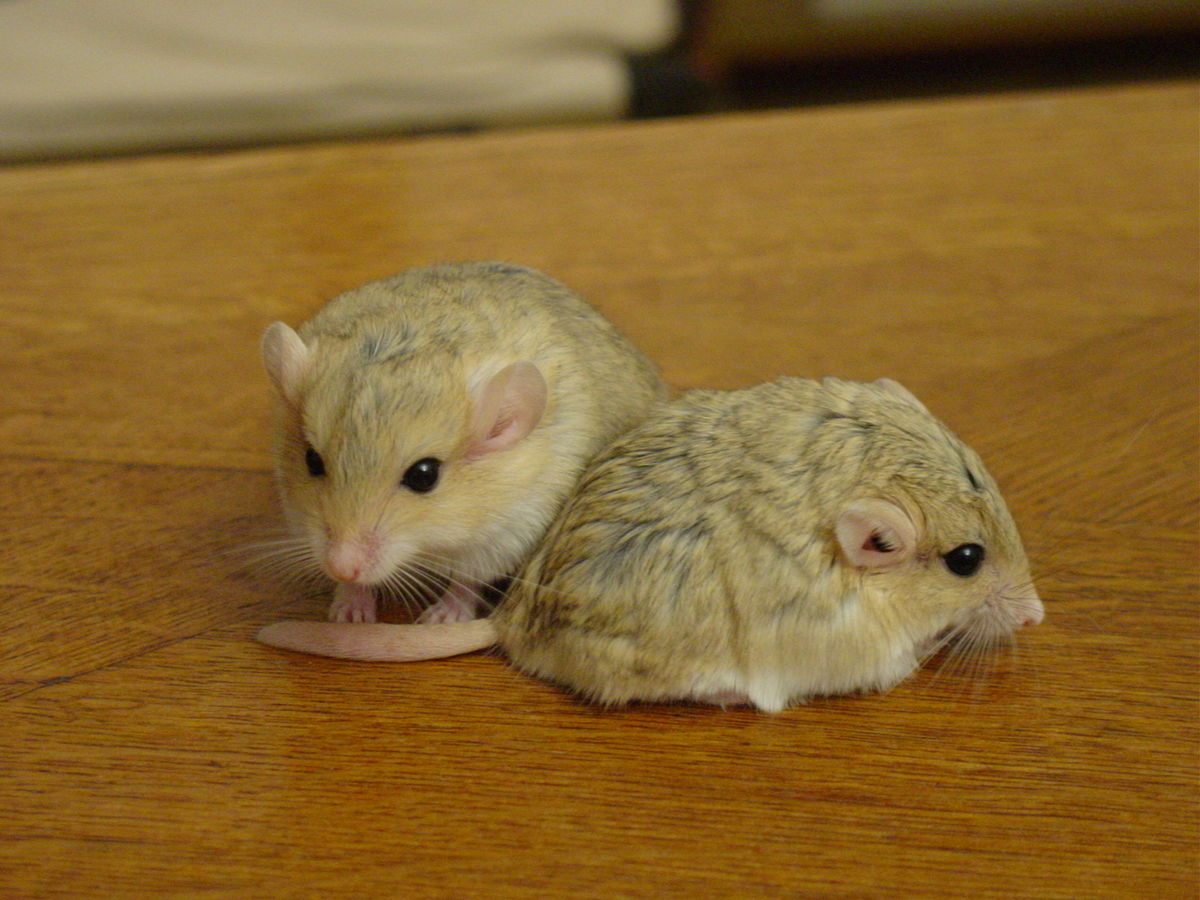
Rats have had a rough public relations career. Somewhere between spooky alley scenes, cartoon villains, and the phrase “rat problem,” these tiny whiskered acrobats became the unofficial mascots of “absolutely not.” But the truth is much softer, smarter, anddare we saycuter than their reputation suggests.
Domestic rats, often called fancy rats, are not the same as wild rats scurrying around dumpsters or subway tracks. Pet rats are social, intelligent, trainable animals that can bond with people, learn routines, recognize voices, and even enjoy gentle play. Their bright eyes, tiny hands, button noses, and “excuse me, do you have snacks?” expressions make them surprisingly charming companions.
This article is not here to pretend every rat belongs in your kitchen pantry. Wild rodents can carry germs and should be handled with care from a distance. But it is here to make a fair case for rats: the clean, cuddly, clever, treat-loving pets that have won over thousands of people who once said, “Never in my house,” and then somehow ended up buying tiny hammocks.
Why Do Rats Have Such a Bad Reputation?
Rats are often associated with mess, disease, and unwanted household invasions. That reputation is not totally random: wild rodents can contaminate food, damage property, and spread illness through droppings, urine, saliva, or bites. Responsible public health advice makes it clear that wild rodents should not be treated like pets, no matter how round their ears are.
But the mistake comes when people place all rats into one scary category. A wild rat living in a storm drain and a well-cared-for domestic rat from a responsible rescue or breeder are very different situations. One is a wildlife and sanitation issue. The other is a companion animal that needs a safe enclosure, clean bedding, good food, enrichment, veterinary care, and gentle handling.
It is a little like judging every dog by a stray coyote. Same general animal neighborhood? Sure. Same experience? Absolutely not.
Meet the Cute Side of Rats
Pet rats are small mammals with big personalities. Many enjoy climbing onto shoulders, exploring sleeves, sitting in hoodie pockets, and politely investigating whatever their humans are eating. They can look hilariously serious while holding a pea with both front paws, as if reviewing a tiny business contract.
Their charm comes from a mix of curiosity and social confidence. A relaxed rat may brux, which means grinding its teeth softly. Sometimes that comes with boggling, when the eyes appear to gently bulge in and out because of jaw movement. To new rat owners, boggling can look like the rat is buffering. In reality, it often happens when a rat is comfortable or content.
Cute rats come in many varieties: sleek black hooded rats, cream-colored dumbo rats with oversized ears, silver-gray rats that look like pocket-sized philosophers, and curly-coated rex rats that seem to have rolled out of bed and decided to make it fashion. Their differences in coat, color, markings, and ear shape are part of what makes the fancy rat world so unexpectedly adorable.
Rats Are Much Smarter Than People Think
One of the best reasons rats deserve a reputation makeover is their intelligence. Veterinary sources describe rats as extremely intelligent, inquisitive, interactive, and social. Many pet rats can learn to come when called, perform simple tricks, navigate obstacle courses, and understand daily routines.
Training a rat is not only possible; it can be genuinely fun. With patience and small treats, rats can learn to spin, stand on their back legs, jump through hoops, fetch small objects, or run through tunnels. They are quick learners because they are curious and food motivatedthe same magical combination that powers many successful students and most people near a plate of fries.
This intelligence is also why rats need enrichment. A bored rat is not a happy rat. They benefit from climbing ropes, cardboard boxes, hammocks, tunnels, chew toys, puzzle feeders, and supervised playtime outside the cage. Their brains are busy little engines, and they need safe things to investigate.
Rats Are Social Animals With Big Little Hearts
Rats are not solitary decorations. They are deeply social animals and usually do best with at least one same-sex companion. A single rat may become lonely, especially if the human family is away for school, work, or daily responsibilities. Two or more compatible rats can groom each other, sleep in a warm pile, play chase, and communicate in ways humans cannot fully hear.
Research has also given rats a surprisingly sweet spotlight. University of Chicago scientists found that rats showed helping behavior toward trapped companions, and later research explored how social experience affects that behavior. In plain English: rats are not just snack machines with tails. They are social mammals that respond to other rats.
That does not mean every rat is automatically a tiny saint. Like people, rats have personalities. Some are bold. Some are shy. Some act like professional escape artists. Some believe your sleeve is a luxury tunnel system installed for their convenience. But with gentle, consistent handling, many domestic rats become affectionate and interactive pets.
Are Pet Rats Clean?
Here is where the rat rumor mill really needs a mop and a correction notice. Pet rats are generally clean animals. They groom themselves frequently and can often be litter trained. A clean cage, safe bedding, regular spot-cleaning, and proper ventilation make a huge difference in odor control.
Most unpleasant smells blamed on rats are actually cage-care issues. Wet bedding, old food, poor airflow, and infrequent cleaning will make almost any small animal habitat smell bad. A well-maintained rat enclosure should not smell like a haunted basement.
Good hygiene still matters. Anyone handling rats, their bedding, food bowls, toys, or cage should wash their hands afterward. Public health guidance recommends handwashing after touching animals or their habitats, even when the animal looks healthy and clean. This is not an insult to rats. It is basic pet care, the same practical habit you should use with many animals.
What Makes a Rat Cute?
Cuteness is subjective, but rats have several features working in their favor. First, the nose. A rat nose is constantly twitching, sampling the world like a tiny radar dish. Second, the whiskers. Rat whiskers are highly sensitive and help them explore their surroundings, almost like touch tools on their face.
Third, the hands. Rats use their front paws with shocking precision. Watching a rat hold a blueberry is like watching a miniature person enjoy a snack with deep emotional commitment. They nibble, pause, turn the food, nibble again, and somehow make lunch look like a major life event.
Then there are dumbo rats, named for their larger, lower-set ears. These rats often have a round, gentle look that can melt even a serious rat skeptic. Add a cozy fleece hammock, a sleepy rat pile, and one little nose peeking out, and suddenly the “rats are gross” argument begins to collapse like a cheap cardboard tunnel.
Pet Rats vs. Wild Rats: The Important Difference
To appreciate cute rats responsibly, it is important to separate domestic pet rats from wild rats. Pet rats are bred and raised for companionship. They should come from reputable rescues, shelters, or ethical breeders who focus on health and temperament. Wild rats, on the other hand, should not be caught, handled, or kept as pets.
Wild rodents can carry diseases and parasites, and they may bite if frightened. If someone finds wild rats in a home, garage, restaurant, or school, the right response is safe rodent control, sanitation, and preventionnot cuddling, feeding, or trying to turn one into “Sir Squeaks-a-Lot.”
Domestic rats can be wonderful pets, but they also require responsibility. They need a spacious cage, daily interaction, safe chew items, a balanced diet, clean water, and access to an exotic-animal veterinarian when health concerns appear. Their average lifespan is usually around two to four years, which is short compared with cats or dogs. That short lifespan can be emotionally hard, but many rat lovers say the bond is worth it.
What Do Pet Rats Need to Be Happy?
A Spacious, Secure Cage
Rats need room to climb, stretch, explore, and play. A good rat cage should have multiple levels, safe platforms, hammocks, hides, chew toys, and secure doors. Rats are clever escape artists, so a flimsy latch is basically a puzzle invitation.
Companionship
Because rats are social, they usually thrive with other rats. Same-sex pairs or groups are common, unless the rats are spayed or neutered and introductions are handled carefully. Keeping only one rat should be avoided unless there is a specific medical or behavioral reason.
Healthy Food
A balanced rat diet typically includes a quality rat block or pellet as the foundation, with small amounts of safe vegetables, fruits, grains, and protein treats. Rats love variety, but not everything humans eat is safe or healthy for them. Sugary, salty, fatty foods should be limited.
Enrichment and Play
Rats need mental stimulation. Cardboard boxes, paper bags, tunnels, climbing ropes, dig boxes, and treat puzzles can turn an ordinary day into a rat amusement park. Supervised free-roam time in a rat-proofed area lets them explore safely while bonding with their people.
Veterinary Care
Rats can develop respiratory issues, tumors, dental problems, and other health concerns. Because they are prey animals, they may hide signs of illness until a problem is advanced. A rat owner should watch for changes in breathing, appetite, weight, energy, posture, or grooming and contact an exotic-pet veterinarian when something seems wrong.
Why Rats Make Surprisingly Good Pets
Pet rats fit into a unique space between low-maintenance myths and high-connection reality. They are smaller than cats or dogs, but they are not “set it and forget it” pets. They need daily care, but they also give back with interaction, personality, and funny little routines.
Many rats recognize their owners and come to the cage door when they hear familiar footsteps. Some enjoy shoulder rides. Some gently groom human fingers. Some steal tissues and build nests with the seriousness of award-winning architects. They are small, but their presence can fill a room with life.
They are especially appealing to people who enjoy observing animal behavior. Rats communicate with body language, scent, touch, and ultrasonic sounds humans usually cannot hear. Watching them solve problems, build nests, stash snacks, or negotiate sleeping positions in a hammock can be more entertaining than scrolling social media for another twenty minutes. And unlike the internet, a rat will not show you an ad for shoes you already bought.
Common Myths About Rats
Myth 1: Rats Are Dirty
Domestic rats groom often and can be quite tidy when their habitat is cleaned regularly. Odor usually comes from poor cage maintenance, not from rats being naturally filthy.
Myth 2: Rats Always Bite
Well-socialized pet rats are often gentle and rarely bite unless scared, hurt, mishandled, or provoked. Like any animal, they need respectful handling and patience.
Myth 3: Rats Do Not Bond With People
Many pet rats bond strongly with their owners. They may seek attention, respond to voices, enjoy being petted, or climb onto trusted people during playtime.
Myth 4: Rats Are Boring Cage Pets
A bored rat is a sign of a boring setup, not a boring animal. With toys, training, tunnels, and interaction, rats can be active, clever, and hilarious companions.
Some Cute Rat Moments That Change Minds
Imagine a cream-colored rat peeking out of a fleece cube with only its nose and whiskers visible. Cute. Now imagine two rats sleeping in a pile, one using the other as a pillow while a third rat attempts to join and accidentally sits on everyone. Very cute. Now imagine a rat holding a piece of pasta with both paws and chewing with the focus of someone reviewing tax documents. Extremely cute.
Rats are also masters of tiny drama. Give them a new cardboard box, and they explore it like archaeologists entering a lost temple. Offer a pea, and they may carry it away like treasure. Put a hammock in the cage, and they may treat it like a luxury hotel suite. The daily theater of pet rats is part comedy, part science documentary, and part “how did you get up there?”
This is why rat owners often become passionate advocates. They know the secret: once you actually meet a friendly pet rat, the stereotype starts to wobble. The animal that seemed scary becomes curious. The tail that seemed weird becomes useful for balance. The face that seemed suspicious becomes absurdly expressive.
How to Appreciate Rats Without Ignoring Safety
Loving cute rats does not mean pretending all rat-related concerns are fake. Responsible rat appreciation includes common sense. Do not handle wild rats. Do not let pet rats roam near food-preparation areas. Wash hands after handling them or cleaning their cage. Supervise children. Keep the enclosure clean. Schedule veterinary care when needed.
It is completely possible to say, “Wild rodents in the walls are a problem,” and also say, “My friend’s pet rat in a hammock is adorable.” Both statements can live peacefully in the same brain.
That balance is the heart of the rat redemption story. Rats are not monsters. They are animals. In the wild, they can create real health and property concerns. In a responsible home, domestic rats can be affectionate, intelligent companions with an unfairly bad public image.
500-Word Experience Section: Learning to See Rats Differently
The first time many people meet a pet rat, they expect to feel nervous. That reaction makes sense. We grow up hearing rats described as dirty, sneaky, and dangerous. Then a domestic rat climbs gently onto someone’s sleeve, pauses to sniff the air, and suddenly the whole stereotype begins to look a little dramatic.
A common experience among new rat fans is surprise at how social they are. A friendly rat does not just sit in a cage like a decoration. It investigates. It listens. It notices when the cage door opens. Some rats will come running to the front of the cage when they hear a familiar voice, especially if that voice has a long and generous history of delivering snacks.
One of the sweetest things about rats is how they turn ordinary objects into adventures. A cardboard box becomes a castle. A paper towel tube becomes a tunnel. A pile of fleece becomes a mountain range. Watching rats explore reminds you that curiosity does not need expensive equipment. Sometimes joy is just a box with a hole in it and a friend to chase through it.
People who care for rats often describe small bonding rituals. Maybe the rats get a bit of vegetable during evening cage check. Maybe they climb onto a shoulder during supervised playtime. Maybe one shy rat slowly becomes brave enough to take a treat from a hand. These moments are not flashy, but they are meaningful. They show trust growing in tiny steps.
There is also humor in living with rats. They can be clever in ways that feel almost suspicious. A rat may learn exactly where treats are stored. Another may discover how to move bedding into a food bowl for reasons known only to rat management. One rat may carefully stash snacks, while a cage mate follows behind and steals them. It is like watching a tiny sitcom with whiskers.
Of course, pet rats are not perfect. They chew. They need cleaning. They can develop health problems. Their short lifespan can be heartbreaking. But those realities do not erase the affection people feel for them. In fact, their short lives often make owners appreciate the small daily moments even more: the warm weight of a rat in a sleeve, the soft sound of nibbling, the sleepy pile in a hammock, the little face that appears when dinner arrives.
The biggest lesson rats offer is simple: reputation is not the same as reality. When people take time to learn about domestic rats, they often discover animals that are intelligent, clean, social, and full of personality. They may not be everyone’s dream pet, and that is fine. But they deserve to be understood as more than a punchline, a fear, or a shadow in an alley.
So yes, rats can be cute. Very cute. Ridiculously cute, even. Cute enough to make a person who once said “absolutely not” start comparing hammock fabrics online. And if that is not a public relations comeback, what is?
Conclusion: Rats Deserve a Second Look
Rats are not the villains they are often made out to be. Domestic pet rats can be affectionate, playful, intelligent, and surprisingly clean when cared for properly. They learn tricks, bond with people, enjoy social companionship, and bring a lot of personality in a very small package.
The key is understanding the difference between wild rats and pet rats. Wild rodents should be managed safely and respectfully from a distance. Domestic rats, however, can be wonderful companions for responsible owners who are ready for daily care, hygiene, enrichment, and veterinary attention.
In the end, rats are not “bad.” They are misunderstood. Give a friendly pet rat a cardboard tunnel, a clean hammock, and a safe home, and it may just become one of the cutest little ambassadors the animal kingdom has to offer.














