
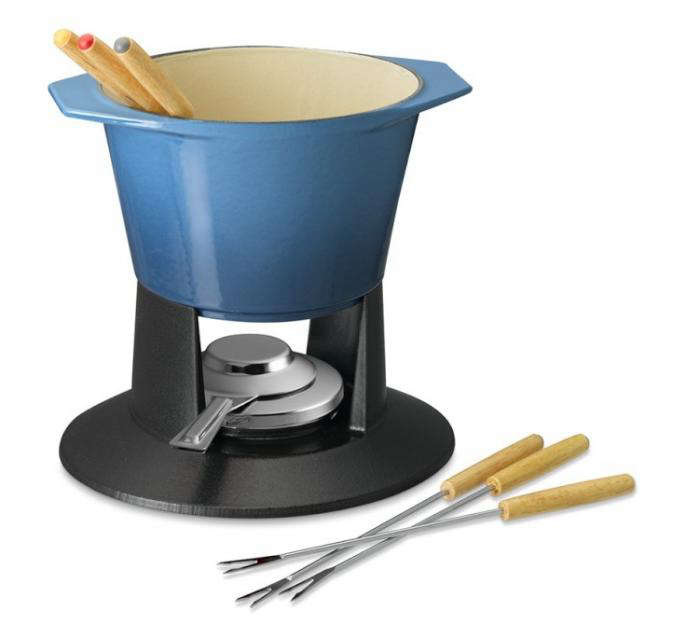
The Le Creuset Fondue Pot is the sort of kitchen piece that makes people suddenly say things like, “We should host more dinner parties,” even if their usual dinner party is a solo bowl of cereal eaten over the sink. It is colorful, sturdy, dramatic in the best French-cookware way, and built for one of the most social meals ever invented: fondue.
Fondue has a magical way of turning dinner into an event. Cheese bubbles. Bread disappears. Someone drops an apple slice into the pot and pretends it was part of the plan. A good fondue setup does more than melt ingredients; it keeps the conversation warm. That is where Le Creuset’s enameled cast iron design earns attention. It is not just pretty cookware wearing a designer coat. It is a practical pot made for steady heat, table presentation, and long, relaxed dipping.
This guide explores what makes the Le Creuset Fondue Pot special, how it compares with other fondue sets, what to cook in it, how to clean it, and whether it deserves a spot in your kitchen. Spoiler: if you love cheese, chocolate, cozy entertaining, or cookware that looks good enough to leave out on purpose, this pot has a strong argument.
What Is the Le Creuset Fondue Pot?
The Le Creuset Fondue Pot is an enameled cast iron fondue set designed for preparing and serving cheese fondue, chocolate fondue, broth fondue, and in some uses, hot oil fondue. Depending on the market and listing, the pot is commonly described around the 2-liter to 2.5-quart range, which puts it in a generous size category for small gatherings, date nights, holiday appetizers, or a full fondue dinner.
A typical Le Creuset fondue set includes the enameled cast iron pot, a stand, a burner, a fork guide or splash guard, and six color-coded fondue forks. The color-coded forks are not just decorative; they prevent the classic dinner-table mystery of “Wait, was the blue fork mine or yours?” Nobody wants a detective episode in the middle of melted Gruyère.
The pot itself is the star. Le Creuset is famous for enameled cast iron cookware, and that material makes sense for fondue because it holds heat evenly and steadily. Cheese fondue does not enjoy violent temperature swings. Chocolate is even moodier. A heavy pot helps maintain a gentle, consistent warmth, reducing the risk of scorching, separating, or turning your romantic dinner into a dairy-based science experiment.
Why Enameled Cast Iron Works So Well for Fondue
Fondue sounds simple: melt something delicious, dip food into it, smile. But smooth fondue depends on heat control. Too much heat can make cheese grainy. Too little heat can turn the pot into a lukewarm swamp. Enameled cast iron solves many of these problems because it absorbs heat slowly, distributes it evenly, and holds it for a long time.
Steady Heat for Cheese
Classic cheese fondue often uses Alpine cheeses such as Gruyère, Emmental, raclette, or Comté, combined with wine, lemon juice, kirsch, mustard, garlic, and a starch such as cornstarch. The goal is a smooth emulsion. The enemy is impatience. The Le Creuset Fondue Pot’s cast iron body helps keep the cheese warm after it is melted, while the burner maintains serving temperature at the table.
Gentle Warmth for Chocolate
Chocolate fondue is more forgiving than cheese, but it still appreciates kindness. Heavy cookware helps cream warm evenly before chocolate is added. Once the chocolate is glossy and smooth, the pot can keep it dip-ready for strawberries, bananas, marshmallows, pound cake, pretzels, or, if the evening is going particularly well, all of the above.
Strong Presentation
Let us be honest: the Le Creuset Fondue Pot also looks fantastic. Le Creuset cookware has long been associated with vibrant enamel colors, classic silhouettes, and “leave it on the table so guests can admire it” energy. Fondue is visual and communal, so presentation matters. A matte white, red, black, flame, or other Le Creuset finish can turn a normal table into something that feels planned, even if you cleaned the living room by throwing everything into one closet five minutes before guests arrived.
Key Features of the Le Creuset Fondue Set
The features that matter most are not gimmicks. They are practical details that improve cooking, serving, and cleanup.
Enameled Cast Iron Construction
The enameled cast iron body is durable, heat-retentive, and naturally suited to low and medium heat cooking. The enamel interior also means the pot does not need seasoning like traditional bare cast iron. It resists flavor absorption, which is important if you plan to make cheese fondue on Friday and chocolate fondue on Saturday. Chocolate with a whisper of garlic may sound avant-garde, but your guests may not applaud the innovation.
Stovetop Compatibility
One major advantage of the Le Creuset Fondue Pot is that the pot can be used directly on the stovetop. This is useful because the best fondue is usually prepared on the stove, where you have better control, and then transferred to the stand for serving. Many Le Creuset cast iron pieces are compatible with gas, electric, ceramic, radiant, and induction cooktops, but users should always check the exact product instructions for their model.
Table Burner and Stand
The stand raises the pot above the burner so the fondue stays warm during serving. The burner is meant for holding heat, not aggressively cooking from scratch. Think of it as the polite table assistant that keeps the cheese cozy, not the main chef. For cheese and chocolate, low, steady heat is your friend.
Six Fondue Forks
Six forks make the set appropriate for a small group. Each guest can spear bread, fruit, vegetables, cooked meats, or dessert bites. The best fondue forks are long enough to keep hands away from heat and sharp enough to hold food securely. Color coding keeps things civilized, which is useful because melted cheese already lowers everyone’s self-control.
What Can You Make in a Le Creuset Fondue Pot?
The Le Creuset fondue set is versatile enough for several styles of fondue. The most popular are cheese, chocolate, and broth. Each one creates a different mood.
Classic Cheese Fondue
Cheese fondue is the traditional star. A reliable version starts by rubbing the inside of the pot with cut garlic. Then warm dry white wine with a little lemon juice. Toss grated cheese with cornstarch before adding it gradually to the warm liquid. Stir slowly and consistently until smooth. Finish with kirsch, mustard, nutmeg, or pepper if desired.
Good dippers include crusty bread cubes, roasted baby potatoes, steamed broccoli, blanched asparagus, apple slices, pear slices, cornichons, and cooked sausage. Bread is classic, but apples deserve special praise. Their crisp sweetness cuts through the richness like a tiny edible palate cleanser.
Chocolate Fondue
Chocolate fondue turns dessert into a group activity. Warm heavy cream gently, then add chopped chocolate off the heat and whisk until smooth. Dark chocolate gives a more grown-up flavor; milk chocolate is crowd-pleasing; a mix of both often wins the room. Add vanilla, espresso powder, orange zest, or a splash of liqueur if the audience is adult and cheerful.
For dipping, use strawberries, bananas, pineapple, pretzels, marshmallows, cookies, brownies, rice crispy treats, or cubes of pound cake. The Le Creuset pot’s heat retention is helpful here because chocolate should stay warm but not scorch.
Broth Fondue
Broth fondue is a lighter dinner option. A seasoned broth simmers in the pot while guests cook thin slices of beef, chicken, shrimp, mushrooms, zucchini, bok choy, or other vegetables. This style is interactive and satisfying, especially when served with dipping sauces such as garlic aioli, ginger-soy sauce, spicy mustard, or herb yogurt.
For food safety, raw meats and seafood should be handled carefully, kept separate from ready-to-eat foods, and cooked thoroughly. Use separate plates for raw and cooked items. Fondue is fun; cross-contamination is not invited.
How to Use the Le Creuset Fondue Pot
Using the pot well is mostly about patience. Fondue rewards calm cooks. It does not reward people who crank the burner to high and hope dairy respects their schedule.
Step 1: Prep Everything First
Cut bread, fruit, vegetables, and meats before the fondue begins. Grate cheese instead of cubing it so it melts evenly. Chop chocolate finely. Set forks, plates, napkins, and sauces on the table. Fondue moves smoothly when all the supporting actors are ready.
Step 2: Cook on the Stovetop
For cheese or chocolate, prepare the fondue on the stovetop over low to medium-low heat. Add ingredients gradually. Stir often. Avoid boiling cheese fondue because high heat can cause graininess or separation. If the mixture gets too thick, a splash of wine, broth, or cream can loosen it depending on the recipe.
Step 3: Transfer to the Stand
Once the fondue is smooth, carefully move the pot to its stand. Light the burner according to the manufacturer’s instructions. Adjust the flame so the mixture stays warm without bubbling aggressively. If the bottom begins to brown too quickly, lower the heat or briefly extinguish the burner.
Step 4: Stir Occasionally
Guests should stir gently as they dip, especially with cheese. A figure-eight motion keeps the mixture moving and helps prevent hot spots. It also makes everyone look like they know secret Alpine etiquette.
Le Creuset Fondue Pot vs. Electric Fondue Pots
Electric fondue pots are convenient because they offer adjustable heat settings and do not require fuel. They can be excellent for casual use, especially for people who want plug-in simplicity. However, they often lack the table presence and heat-retention benefits of enameled cast iron.
The Le Creuset Fondue Pot is better suited for people who value traditional presentation, durable materials, and stovetop-to-table cooking. It feels more like cookware and less like a small appliance. The trade-off is that it requires fuel, setup, and a little more attention. In return, you get a beautiful piece that can anchor a dinner table and potentially last for many years with proper care.
Is the Le Creuset Fondue Pot Worth It?
The honest answer depends on how you cook and entertain. The Le Creuset Fondue Pot is not the cheapest way to melt cheese. A saucepan can make fondue. A basic electric pot can keep it warm. A microwave can melt chocolate, although it will not make your table look like a charming chalet.
What Le Creuset offers is a premium combination of performance, durability, design, and emotional appeal. It is for people who enjoy the ritual of cooking as much as the result. If fondue is a once-every-five-years novelty, a budget option may make more sense. If you host holiday dinners, love interactive meals, collect Le Creuset cookware, or want a gift that feels special, the fondue pot becomes easier to justify.
It is also a strong wedding, housewarming, anniversary, or holiday gift. Unlike trendy gadgets that vanish into the cabinet after three uses, a fondue pot invites repeat occasions: Valentine’s Day, New Year’s Eve, ski weekends, birthday appetizers, family game nights, or cozy Sundays when everyone agrees that dinner should involve melted cheese.
Cleaning and Care Tips
Le Creuset enameled cast iron is often labeled dishwasher-safe, but handwashing is widely recommended to preserve the enamel’s appearance. For regular cleaning, let the pot cool first. Do not shock a hot pot with cold water. Sudden temperature changes can damage enamel, and nobody wants a dramatic cookware tragedy after dessert.
Wash with warm water, mild dish soap, and a non-abrasive sponge. For stuck-on cheese or chocolate, soak the pot with warm soapy water before scrubbing gently. Avoid steel wool, harsh scouring pads, and metal tools. If residue remains, simmer water with a little baking soda, let it cool, then clean again. Dry the pot thoroughly before storing.
For the forks, burner, and stand, follow the instructions included with the specific set. Fuel components should be cleaned and stored safely. Always make sure the burner is completely cool before handling. Treat the burner with the same respect you would give any open flame, because technically, that is exactly what it is.
Best Foods to Serve With Fondue
The best fondue spread balances rich, crisp, fresh, salty, and sweet items. For cheese fondue, start with bread but do not stop there. Roasted potatoes, apples, pears, steamed vegetables, cooked sausage, and pickles all bring contrast. For broth fondue, choose thinly sliced proteins and quick-cooking vegetables. For chocolate, mix fruit with crunchy and cakey dippers so every bite feels different.
A smart fondue table also includes small plates, extra napkins, and a few sauces. Guests should use the fondue forks for dipping, then slide the food onto their plate before eating. This keeps things tidy and avoids the dreaded double-dip. Fondue is communal, not lawless.
Common Mistakes to Avoid
Using Heat That Is Too High
High heat is the fastest way to ruin cheese fondue. Keep the stovetop low to medium-low and the table burner gentle. Smooth fondue is built slowly.
Adding Cheese Too Quickly
Add cheese by the handful and let each addition melt before adding more. This prevents clumping and helps create a stable texture.
Skipping the Starch
Cornstarch or flour helps bind melted cheese with liquid. Without it, fondue can separate into oil and clumps. That may still taste fine, but visually it says, “We tried.”
Forgetting the Dippers
Fondue needs variety. Bread alone works, but a mix of vegetables, fruit, potatoes, and proteins makes the meal more balanced and more fun.
Real-Life Experiences With the Le Creuset Fondue Pot
The Le Creuset Fondue Pot shines most when it becomes the center of the table rather than just another serving dish. In a typical home setting, the experience starts before the first bite. The pot has weight, color, and presence. When it lands on the table, people notice. It creates a small moment of theater, and that matters because fondue is partly food and partly performance.
For a cheese night, the best experience is usually a casual gathering of four to six people. The pot size feels generous without becoming overwhelming. Prepare the cheese mixture on the stove, bring it to the table, light the burner, and let everyone settle in. The first few dips are always careful. Then someone discovers roasted potatoes in cheese. Conversation pauses. This is normal. Potatoes have that effect.
One practical experience many hosts appreciate is how forgiving the cast iron can be once the fondue is ready. A thinner pot may cool too quickly when moved to the table, especially in a chilly room. The Le Creuset pot holds warmth with confidence. Guests can take their time instead of racing against a solidifying cheese clock. That slower pace is part of the charm. Fondue should feel relaxed, not like a dairy emergency.
Chocolate fondue creates a different mood. It is less formal, more playful, and great for families. Kids love choosing their own dippers, and adults pretend they are only having “one more strawberry” while clearly aiming for the brownie cubes. The enameled interior helps with cleanup if the chocolate is treated gently and not overheated. The key is to keep the burner low and stir occasionally. Chocolate likes attention, but not drama.
Broth fondue is the most dinner-like experience. It requires more prep because raw ingredients need safe handling, but it can be surprisingly elegant. Arrange vegetables, shrimp, thin beef slices, and sauces on platters. The Le Creuset pot’s sturdy stand helps the setup feel secure, which is important when people are cooking at the table. This is not the moment for wobbly cookware.
Storage is the one practical downside. A fondue set has parts: pot, stand, burner, forks, and sometimes inserts or guides. It needs cabinet space. However, many owners treat it like seasonal entertaining gear, bringing it out for cold weather, holidays, birthdays, and special dinners. Because the pot looks attractive, it can also sit on open shelving without looking like clutter.
The biggest emotional benefit is that the Le Creuset Fondue Pot encourages people to linger. It slows dinner down. Guests dip, stir, laugh, negotiate over the last bread cube, and scrape the delicious browned bits from the bottom. In a world of fast meals and faster scrolling, that kind of table experience feels refreshingly human. The pot does not just cook fondue; it creates a reason to gather.
Conclusion
The Le Creuset Fondue Pot is a premium piece of cookware for people who want fondue to feel special. Its enameled cast iron construction offers steady heat, its table-ready design brings charm, and its versatility makes it useful for cheese, chocolate, and broth-based meals. It is not the cheapest fondue option, but it delivers the kind of durability, beauty, and hosting experience that can make it worth the investment.
If you enjoy cozy entertaining, interactive dinners, or cookware that earns compliments before the food even arrives, this fondue pot deserves serious consideration. Use gentle heat, prepare good dippers, clean it carefully, and it can become more than a pot. It can become the reason everyone asks, “When are we doing fondue night again?”














