
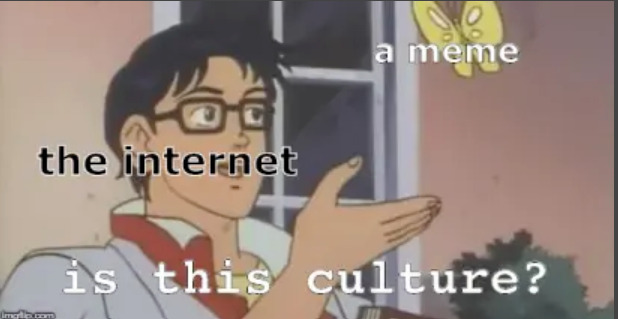
Some people collect stamps. Some people collect vintage coins. And then there are the brave, sleep-deprived citizens of the internet who collect memes like emotional support snacks. The phrase “Hey Pandas, Show The Funniest Memes” sounds simple, but it taps into something wonderfully universal: the need to laugh at life before life laughs first.
Memes have become the modern version of passing a funny note in class, except now the note can travel across the world in three seconds, get remixed by twenty strangers, and return wearing sunglasses, a cat face, and a caption about Monday morning. From wholesome animal memes to painfully relatable work jokes, memes are more than disposable internet fluff. They are tiny comedy packages, social commentary, mood boosters, and sometimes the only accurate description of how we feel before coffee.
This article explores why funny memes work, what makes people share them, how online communities like Bored Panda-style “Hey Pandas” prompts encourage participation, and why the funniest memes often come from ordinary experiences. No complicated theory goggles requiredjust a sense of humor and maybe a snack.
What Does “Hey Pandas, Show The Funniest Memes” Mean?
“Hey Pandas” is the kind of friendly community call that invites readers to join the fun rather than simply scroll past it. It feels casual, warm, and slightly chaotic in the best possible way. Instead of one editor deciding what counts as funny, the audience becomes part of the joke machine. People submit, vote, comment, and react. The result is a living collection of humor shaped by real internet users.
The idea behind funniest memes is not just “show me a picture with words.” It is more like: “Show me the tiny digital artifact that made you snort-laugh at 1:14 a.m. while pretending you were going to sleep early.” That is the magic. The funniest memes are rarely polished like professional comedy. They are quick, messy, specific, and honest.
A great meme can say, “I am overwhelmed,” “I need pizza,” “My cat owns this apartment,” or “This meeting could have been an email” faster than a paragraph ever could. In a world where attention spans are treated like endangered wildlife, memes survive because they get to the point immediately.
Why Memes Became the Internet’s Favorite Joke Format
A meme is generally understood as an amusing or interesting image, video, phrase, or idea that spreads widely online, especially through social media. But that definition only explains the skeleton. The personality comes from how people remix it.
Internet memes thrive because they are easy to understand, easy to edit, and easy to share. A person sees a familiar template, adds a caption about school, work, pets, relationships, cooking disasters, or “just five more minutes” of sleep, and suddenly thousands of people feel personally attackedin a friendly way.
Memes Are Fast
Traditional jokes often need setup, timing, and delivery. Memes arrive fully dressed for the party. The image provides context, the caption lands the punchline, and the viewer decides within seconds whether it deserves a laugh, a share, or a dramatic “too real” comment.
Memes Are Relatable
The funniest memes often work because they turn private feelings into public comedy. Everyone thinks they are the only one who opens the fridge three times hoping new food has magically appeared. Then a meme says it out loud, and suddenly it becomes a shared human ritual.
Memes Are Remixable
A strong meme template is like a comedy costume. Anyone can wear it. The same image can become a joke about finals week, parenting, office life, online shopping, gym motivation, or trying to assemble furniture without reading the instructions. Spoiler: the instructions were important.
The Anatomy of a Funny Meme
Not all memes are created equal. Some become instant classics; others sink quietly into the digital swamp. The funniest memes usually share a few common traits.
1. A Clear Emotional Trigger
Funny memes usually begin with a recognizable emotion: frustration, surprise, confusion, embarrassment, joy, panic, or that mysterious feeling when your phone battery is at 1% and you suddenly become a medieval traveler searching for power.
For example, a meme about forgetting why you walked into a room works because nearly everyone has experienced that tiny brain reboot. It is not dramatic. It is not fancy. But it is universal, and that makes it funny.
2. A Strong Visual
Images matter. A confused dog, a suspicious cat, a dramatic cartoon character, or a celebrity reaction shot can carry half the joke before the caption even arrives. The best meme images look like they already know the punchline.
3. A Caption That Feels Honest
The caption is where the meme earns its laugh. It should feel specific enough to be fresh but broad enough for many people to relate. “Me when I have responsibilities” is fine. “Me opening one email and needing a recovery nap” is better. Specificity gives the joke a sharper bite.
4. Perfect Timing
Memes are deeply connected to timing. A joke about holiday shopping hits harder in December. A meme about summer heat feels more alive when everyone is melting into their furniture. Timing turns a funny idea into a shareable moment.
Popular Types of Funny Memes
The internet is basically a giant comedy buffet, and memes are the tiny plates. Some categories appear again and again because they never stop working.
Animal Memes
Animal memes are the golden retrievers of internet humor: loyal, cheerful, and almost impossible to dislike. Cats look judgmental. Dogs look enthusiastic. Raccoons look like they have questionable financial plans. Add one sharp caption, and suddenly an animal photo becomes a tiny sitcom.
Animal memes work because they let humans project emotions onto creatures that cannot object. A cat staring at the wall becomes “me pretending to understand the assignment.” A dog wrapped in a blanket becomes “me avoiding all adult responsibilities.” It is silly, harmless, and wonderfully effective.
Work and School Memes
Few things unite people faster than shared suffering, and work or school memes know this very well. They capture the experience of deadlines, awkward meetings, group projects, unread messages, and the classic tragedy of realizing the weekend lasted approximately seven minutes.
These memes are funny because they turn stress into a wink. They do not solve the problem, but they make the problem feel less lonely. Sometimes that is enough to keep you from glaring at your calendar like it personally betrayed you.
Parenting and Family Memes
Family memes are built from everyday chaos: kids asking impossible questions, parents hiding snacks, relatives giving “helpful” advice, and pets behaving like unpaid toddlers. Their humor comes from recognition. Anyone who has lived with other humans knows that the home is basically a sitcom with laundry.
Food Memes
Food memes are delicious because they combine appetite with honesty. They admit what many people privately know: salad is nice, but fries have better public relations. Whether the joke is about late-night snacks, failed recipes, or eating shredded cheese straight from the bag, food memes understand the human condition with suspicious accuracy.
Technology Memes
Technology memes cover everything from slow Wi-Fi to autocorrect betrayal. They are funny because modern life depends on devices that occasionally behave like moody wizards. One minute your laptop is fine; the next minute it is updating for “about 3 minutes,” which everyone knows means “please make tea and reconsider your life choices.”
Why “Relatable” Often Beats “Perfect”
The funniest memes are not always the most beautifully designed. In fact, overly polished memes can feel like a brand wearing a fake mustache and trying to sit with the cool kids. Relatability usually matters more than graphic design.
A slightly blurry image with a painfully accurate caption can outperform a glossy design because it feels human. People do not share memes only because they are funny. They share them because the meme says, “This is me,” “This is us,” or “Please look at this and understand my emotional weather forecast.”
That is why low-effort formats sometimes become huge. A meme can look simple and still hit hard if the idea is sharp. Internet humor rewards recognition. The faster someone can see themselves in the joke, the more likely they are to laugh and send it to a friend.
Memes as Community Language
Memes are not just jokes; they are social signals. Sharing a meme can mean “I thought of you,” “We have the same weird brain,” or “This explains my entire personality better than my resume.” In online communities, memes become a shared language.
That is why prompts like “Hey Pandas, Show The Funniest Memes” are powerful. They invite users to bring their own taste, humor, and experiences into the conversation. One person may post a wholesome dog meme. Another may share a sarcastic office meme. Someone else may submit a meme so specific it feels like it was forged in the fires of their personal calendar.
The fun comes from variety. A good meme thread feels like walking through a comedy museum where every exhibit was created by someone avoiding chores.
Classic Meme Examples That Still Work
Some meme formats survive because their emotional logic is timeless. The exact image may change, but the feeling remains familiar.
The Distracted Reaction Meme
This type of meme usually shows someone paying attention to the wrong thing. It works for jokes about procrastination, temptation, bad decisions, and the universal experience of choosing fun over responsibility. The formula is simple: one thing you should do, one thing you want to do, and one human brain making suspicious choices.
The “This Is Fine” Mood
Memes about pretending everything is fine while chaos unfolds are popular because they capture modern stress perfectly. They are funny not because disaster is fun, but because the calm denial is familiar. Many people have emotionally sat in that cartoon room, sipping imaginary coffee while their inbox catches fire.
The Overconfident Fail
Another durable meme format shows someone entering a situation with confidence and immediately learning humility. This works for cooking, exams, DIY projects, gym goals, and any attempt to “quickly fix” technology. The internet loves ambition, but it loves a harmless flop even more.
How to Choose the Funniest Memes for a Post
If you are curating a meme article, social media gallery, or community thread, the goal is not to collect random jokes like loose socks. The best meme collections have rhythm.
Start with Broad Relatability
Open with memes most people understand immediately: Monday moods, pets, food, sleep, social awkwardness, or technology struggles. These create a welcoming entry point.
Add Niche Humor Carefully
Niche memes can be hilarious, but they need context. A meme about a very specific hobby may be comedy gold to insiders and total alphabet soup to everyone else. Mix niche jokes with broader ones to keep readers engaged.
Keep It Clean and Shareable
Clean memes travel farther. A funny meme that readers can send to friends, coworkers, parents, classmates, or group chats has a better chance of spreading. Shock humor may get attention, but clever humor has longer legs.
Avoid Repetition
Even a great joke gets tired if repeated too many times. A strong meme roundup should vary tone: sarcastic, wholesome, absurd, observational, and lightly chaotic. Think of it like seasoning. Too much of one flavor and suddenly the soup is yelling.
Why Memes Help People Cope
Memes can be surprisingly comforting. During stressful periods, people often use humor to process uncertainty. A meme does not erase pressure, but it can make the pressure feel shared. That small laugh becomes a tiny emotional reset button.
This is why memes about burnout, awkwardness, anxiety, and everyday failure resonate so strongly. They turn difficult feelings into something people can point at and say, “Exactly.” The humor creates distance from the problem without denying it exists.
Of course, memes are not a replacement for real support, rest, or meaningful conversation. But as a lighthearted coping tool, they can help people feel less alone. Sometimes the right meme at the right moment feels like a friend handing you a cookie and saying, “Yes, life is weird. We noticed too.”
The New Challenge: AI Slop and Meme Authenticity
As digital tools become more advanced, the internet is seeing more low-quality, mass-produced content. Many users now describe this flood of cheap or artificial material as “slop.” In meme culture, authenticity matters because the best jokes feel like they came from a real person noticing a real absurdity.
AI-generated memes can be funny, but they can also feel empty when they miss context, timing, or human weirdness. A truly great meme often includes a tiny imperfection: a clumsy crop, a strange expression, a caption that feels too specific to be manufactured. That human fingerprint is part of the charm.
For meme creators and curators, the lesson is simple: do not chase quantity at the expense of personality. One sharp, relatable meme is worth more than fifty bland images that look like they were assembled by a toaster with Wi-Fi.
Tips for Creating Your Own Funny Memes
You do not need expensive software or a comedy degree to create a funny meme. You need observation, timing, and the courage to admit that your dishwasher has more emotional stability than you do.
Use Everyday Truths
Look for moments people recognize: pretending to be productive, forgetting passwords, waiting for food delivery, avoiding small talk, or opening a message and deciding it requires “three to five business days” of emotional preparation.
Keep Captions Short
A meme caption should be quick. If readers need a map, a flashlight, and a glossary to understand the joke, it may be too long. Short captions usually land harder.
Match Image and Text
The funniest memes create a perfect marriage between expression and caption. A dramatic image needs a dramatic thought. A blank stare needs a caption about mental buffering. The image should make the text funnier, not merely stand beside it awkwardly like two strangers in an elevator.
Test It on a Friend
If one friend immediately says, “That is literally me,” you may have a winner. If they respond with “I don’t get it,” do not panic. Meme creation is trial, error, and occasionally deleting something before the group chat sees it.
Experiences Related to “Hey Pandas, Show The Funniest Memes”
The best experience of browsing a “show the funniest memes” thread is the feeling that the internet briefly remembered how to be fun. Not productive. Not dramatic. Not trying to sell you a course about becoming a millionaire by Tuesday. Just fun. A good meme thread feels like entering a room where everyone has brought one ridiculous joke and placed it on the table like a potluck dish.
One of the most enjoyable parts is the surprise factor. You might begin with a simple cat meme and end up laughing at a joke about office printers, forgotten leftovers, or the emotional journey of checking your bank account after ordering takeout. The randomness is part of the charm. Memes do not always follow neat categories. They bounce from pets to parenting to school stress to “why did I walk into this room?” with the grace of a raccoon on roller skates.
Another memorable experience is seeing how different people interpret the same idea. One person may find a meme funny because it reminds them of their dog. Another may laugh because it perfectly describes their coworker. Someone else may tag a friend with no explanation because the meme is the explanation. In that moment, humor becomes social glue. The meme is not just content; it is a tiny bridge between people.
There is also a special comfort in discovering that your oddly specific habits are not unique. Maybe you save screenshots you never look at again. Maybe you open the fridge when bored. Maybe you say “I’ll go to bed early tonight” with the confidence of a person who has learned nothing from history. Then a meme describes that exact behavior, and suddenly you feel seen. Slightly attacked, yes, but seen.
Community meme threads can also be a refreshing break from polished social media. So much online content tries to look perfect: perfect meals, perfect rooms, perfect vacations, perfect morning routines performed by people who apparently wake up glowing. Memes are different. Memes say, “I spilled coffee on my sleeve, forgot my password, and called my teacher ‘Mom’ in 2012, but we are going to laugh about it.” That honesty is valuable.
For publishers, a meme-focused article can create strong reader engagement because it naturally invites participation. Readers do not just consume; they compare, comment, share, and remember. A title like “Hey Pandas, Show The Funniest Memes” works because it sounds like a conversation starter, not a lecture. It gives readers permission to join the joke.
In the end, the funniest memes are not always the loudest or most complicated. They are the ones that capture a feeling with almost unfair accuracy. They make ordinary life look hilarious for a second. And honestly, in a world where printers jam, emails multiply, and laundry somehow respawns every week, that second of laughter is doing important work.
Conclusion
“Hey Pandas, Show The Funniest Memes” is more than a playful title. It is an invitation to celebrate the internet’s favorite comedy format: quick, relatable, remixable humor made by everyday people. Memes work because they compress emotion into a tiny, shareable package. They help us laugh at stress, connect with others, and turn boring moments into comedy material.
The funniest memes usually come from real life: tired mornings, awkward conversations, hungry decisions, pet behavior, school deadlines, work chaos, and the endless battle between responsibility and the desire to do absolutely nothing. Whether you are creating memes, collecting them, or just scrolling through a community thread for a quick mood boost, the best ones remind us that life is weirdand thankfully, weird is very memeable.
Note: This article is written as original, publication-ready HTML content. It does not include copied meme captions, embedded source links, or external content references.














