
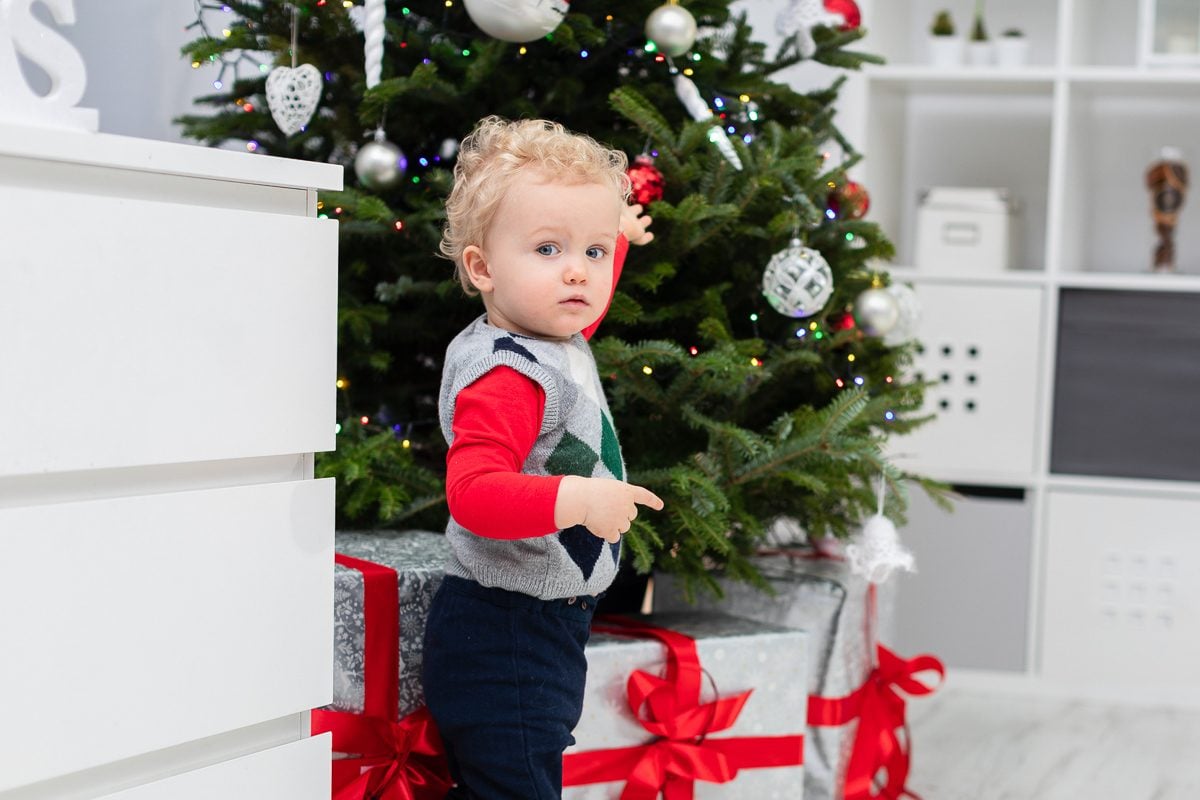
A Christmas tree is supposed to bring joy, sparkle, and that warm “holiday movie” feeling. A toddler, however, sees something slightly different: a giant indoor climbing toy covered in shiny snacks, blinking buttons, dangling treasures, and possibly a water bowl. In other words, your tree is not just décor. It is a seasonal toddler magnet with branches.
The good news? You do not have to choose between holiday magic and household sanity. Learning how to toddler-proof your Christmas tree helps you keep the season festive while reducing risks such as tip-overs, choking hazards, broken ornaments, electrical accidents, burns, and tree-related chaos. With a few smart adjustments, your Christmas tree can still look beautiful without turning your living room into a pine-scented obstacle course.
This guide covers practical, parent-tested, safety-focused ways to babyproof and toddler-proof a Christmas tree, from choosing the right location to creating a kid-safe decoration zone. Think of it as holiday decorating with a tiny, curious quality-control inspector in mind.
Why Toddler-Proofing a Christmas Tree Matters
Toddlers are professional explorers. They pull, poke, taste, climb, tug, shake, and investigate with the confidence of a tiny home inspector who has never read a safety manual. Christmas trees create several hazards because they combine height, weight, electricity, small objects, sharp pieces, and novelty.
The most common Christmas tree risks for toddlers include:
- Tip-over injuries from pulling on branches or ornaments
- Choking hazards from small ornaments, hooks, berries, bells, beads, or loose pieces
- Cuts from glass ornaments or broken bulbs
- Electrical risks from cords, plugs, lights, and outlets
- Burn risks from hot lights, candles, fireplaces, or heaters near the tree
- Poisoning risks from holiday plants, artificial snow, batteries, or old decorations
- Fire hazards from dry trees, overloaded outlets, damaged lights, or heat sources
That list sounds dramatic, but do not panic. Toddler-proofing is mostly about changing what your child can reach, pull, chew, or climb. Your tree does not need to become a sad little undecorated cone in the corner. It simply needs a smarter setup.
Start With the Safest Tree You Can Choose
Real Tree or Artificial Tree?
Both real and artificial Christmas trees can be toddler-friendly when chosen and maintained carefully. If you prefer a real tree, choose one that is fresh. Needles should be green, flexible, and not falling off in handfuls when touched. A dry tree is more brittle, messier, and more flammable. Once it is home, cut the trunk base if needed, place it in water promptly, and check the water level every day.
If you choose an artificial Christmas tree, look for one labeled fire-resistant or fire-retardant. This does not mean the tree is fireproof, but it is a safer choice than an unlabeled tree. Also inspect artificial branches for loose wires, sharp metal ends, or shedding plastic needles before assembling it.
Consider a Smaller Tree for the Toddler Years
If your child is in the “I wonder what happens if I pull this?” stage, a smaller tree may be the hero of the season. A tabletop tree placed safely out of reach, a half-wall tree, or a slim tree in a protected corner can reduce temptation. Some families use a full-size tree in a gated area and give the toddler a separate soft felt tree to decorate. That way, everyone gets a tree, and nobody has to say “please stop hugging the branches” 47 times before lunch.
Pick the Right Location
Where you place the tree matters as much as what you put on it. Choose a spot that is visible to adults but not in the center of your toddler’s main running path. Avoid placing the tree near stairs, doorways, fireplaces, space heaters, radiators, candles, or high-traffic corners.
A safe Christmas tree location should be:
- At least several feet away from heat sources
- Not blocking an exit or walkway
- Near an outlet so cords do not stretch across the room
- Easy for adults to supervise
- Harder for toddlers to access from multiple sides
A corner is often the best choice because it limits access and gives you two walls for support. If your toddler is especially energetic, determined, or suspiciously quiet near the tree, a corner setup plus a physical barrier can make a huge difference.
Anchor the Christmas Tree So It Cannot Tip Over
The first rule of toddler-proofing a Christmas tree is simple: the tree should stay upright even if your toddler decides it needs a hug, a shake, or a full engineering inspection.
Start with a sturdy, wide tree stand that fits your tree properly. Do not use a stand that feels wobbly, undersized, or held together by holiday optimism. For extra security, anchor the tree to the wall or ceiling using clear fishing line, zip ties, or safety straps attached to a wall hook or eye bolt. Place the anchor point high enough that it stabilizes the upper portion of the tree without being obvious.
If you live in a rental, consider removable wall-safe options, but be realistic. A tiny adhesive hook may hold a paper snowflake; it may not hold back a toddler-powered evergreen. When in doubt, choose a smaller tree, use a barrier, or place the tree somewhere less accessible.
Create a Toddler Barrier Around the Tree
Barriers are not always pretty, but neither is a tree lying sideways while your toddler proudly holds a glitter reindeer. A physical barrier is one of the most effective ways to toddler-proof your Christmas tree.
Good options include:
- A baby gate or play yard around the tree
- A decorative fireplace screen
- A wide basket-style tree collar that limits access to the stand
- Furniture arranged to create a soft boundary
- A low decorative fence designed for indoor use
Make sure the barrier itself is safe. It should not have sharp edges, climbable horizontal bars, loose pieces, or openings that could trap a child’s head or limbs. Also avoid placing chairs, ottomans, toy boxes, or gift stacks near the tree because toddlers are excellent climbers and do not respect the architectural limits of holiday décor.
Decorate From the Top Down
When toddlers are involved, your tree should have zones. The top zone is for fragile, sentimental, or adult-only ornaments. The middle zone is for sturdy decorations that can survive curious hands. The bottom zone is for soft, large, safe itemsor nothing at all.
Keep Fragile Ornaments High
Glass ornaments, ceramic decorations, sharp metal pieces, heirlooms, and anything with glitter that sheds like a disco snowstorm should go high on the tree. If an ornament would make you gasp if it fell, it does not belong on a low branch.
Use Shatterproof Ornaments
Shatterproof ornaments are a parent’s best friend. Look for plastic, felt, fabric, wood, or soft foam decorations. Choose ornaments that are too large to fit inside a toddler’s mouth and do not have small detachable parts. Bells, beads, tiny bows, sequins, googly eyes, and miniature accessories may look adorable, but they can become choking hazards if they come loose.
Skip Metal Hooks
Traditional metal ornament hooks can scratch, poke, and disappear into carpet like tiny holiday booby traps. Replace them with ribbon loops, pipe cleaners twisted securely, soft string, or built-in ornament hangers. Tie ornaments firmly to branches instead of simply hanging them where one gentle tug can send them flying.
Avoid Decorations That Look Like Food
Candy canes, gingerbread ornaments, popcorn garlands, chocolate decorations, and realistic fruit ornaments are charmingbut toddlers may not understand the difference between “decorative cookie” and “snack opportunity.” If it looks edible, smells sweet, or hangs at toddler height, expect investigation.
For a toddler-safe Christmas tree, avoid edible decorations and food-shaped ornaments on low branches. If you love the look, keep them high and secure, or use oversized, non-breakable versions that cannot fit in a child’s mouth.
Be Smart About Lights and Cords
Christmas lights add magic, but electrical safety deserves serious attention. Use lights that are tested and labeled by a recognized safety laboratory. Inspect every strand before decorating. Toss any set with frayed wires, cracked sockets, loose bulbs, exposed wiring, or signs of overheating.
LED lights are usually a better choice around toddlers because they stay cooler than many older incandescent lights and use less energy. Still, no light strand should be treated like a toy. Keep lights out of reach as much as possible, especially bulbs, plugs, and control boxes.
Hide and Secure Cords
Loose cords are tempting for toddlers and dangerous for everyone. Run cords behind furniture when possible, use cord covers, and keep plugs blocked from little hands. Never stretch cords across walkways, under rugs, or through doorways where they can be pinched or damaged.
A timer or smart plug can help ensure lights turn off at bedtime or when you leave the house. Holiday lights should not be left on unattended, especially on a real tree that dries out over time.
Protect the Tree Stand and Water Bowl
A real Christmas tree stand can look like a mysterious indoor pond to a toddler. Unfortunately, tree water may contain dirt, sap, needles, bacteria, or additives, and it is not something children should drink or splash in.
Use a covered tree stand if possible. A secure tree collar can help block access, but make sure it does not interfere with watering or become a climbing step. Clean up fallen needles daily because they can be sharp, messy, and potentially a choking concern for younger children.
Skip Tinsel, Angel Hair, and Loose Garlands
Tinsel may sparkle beautifully, but it is not ideal for toddler households. It can be pulled off, mouthed, swallowed, wrapped around fingers, or scattered into every corner of your home by someone wearing footie pajamas. Loose garlands can also become tugging hazards, especially if they are heavy or wrapped around the tree in long loops.
If you want sparkle, choose wide ribbon secured high on the tree or soft fabric garland tied firmly in place. Avoid anything stringy, sharp, glassy, or easy to pull apart.
Watch Out for Holiday Plants and Extras
Toddler-proofing your Christmas tree also means checking the area around it. Holly berries, mistletoe berries, Jerusalem cherry, and some decorative plants can be harmful if swallowed. Keep all holiday plants out of reach, and choose child-safe alternatives when possible.
Also be careful with:
- Button batteries in light-up decorations
- Musical ornaments with battery compartments
- Artificial snow sprays
- Snow globes
- Scented oils or reed diffusers near the tree
- Heavy stocking holders placed on mantels
- Wrapped gifts with ribbons, bows, small parts, or batteries
Button batteries are especially dangerous if swallowed. Any decoration powered by small batteries should be kept well out of reach and checked to ensure the battery compartment is screwed shut.
Make a Toddler-Friendly Decoration Zone
One of the easiest ways to protect the “real” tree is to give your toddler something they are allowed to touch. A felt Christmas tree on the wall, soft ornaments in a basket, or a small toddler-safe tree can redirect curiosity in a positive way.
You can say, “This is your tree to decorate, and that is the family tree to look at.” Will this work perfectly every time? Of course not. Toddlers are adorable, not robots. But giving them an approved holiday activity reduces the forbidden-fruit effect of the main tree.
Teach Simple Tree Rules
Toddler-proofing is not only about physical barriers. It is also about repetition, modeling, and calm limits. Use simple rules such as:
- “Gentle hands.”
- “Look, don’t pull.”
- “Ornaments stay on the tree.”
- “Lights are not for mouths.”
- “Ask a grown-up if you want to touch.”
Show your child how to gently touch a soft ornament with one finger. Praise safe behavior. Redirect quickly when they pull or grab. Long lectures are not necessary; toddlers are not sitting down for a holiday safety seminar. Short, consistent phrases work best.
Check the Tree Every Day
A toddler-proof Christmas tree is not a one-time project. It needs daily maintenance. Each morning or evening, do a quick safety scan.
Your daily tree check should include:
- Is the tree still stable?
- Is the stand secure?
- Does the real tree need water?
- Are there fallen needles to sweep?
- Are ornaments loose or broken?
- Are cords hidden and intact?
- Are lights working properly?
- Have gifts, chairs, or toys created a new climbing route?
This takes only a minute, but it can prevent many small problems from turning into holiday drama.
Common Mistakes to Avoid
Decorating the Bottom Branches Like Usual
The bottom third of the tree is toddler territory. Anything placed there should be safe to touch, large enough not to choke on, and durable enough to survive being admired with enthusiasm.
Using Breakable Ornaments “Just This Once”
One glass ornament at toddler height is one too many. Toddlers have excellent timing and will find the most fragile decoration the moment you turn around to stir cocoa.
Leaving Lights Plugged In Overnight
Turn off tree lights before bed and when leaving home. A timer makes this easier and helps protect against forgetfulness during the busiest season of the year.
Ignoring Gift Safety
Wrapped presents can contain small toys, batteries, candy, cosmetics, alcohol, or sharp packaging. Keep gifts out of toddler reach until it is time to open them, especially if you do not know what is inside.
of Real-Life Experience: What Actually Works With Toddlers and Christmas Trees
In real family life, toddler-proofing a Christmas tree is less about creating a perfect magazine-ready setup and more about making smart compromises. The first lesson many parents learn is that toddlers do not see decorations the way adults do. Adults see a sentimental ornament from a first Christmas together. Toddlers see a shiny ball at eye level that clearly wants to be tested for bounce performance.
A practical approach is to decorate in stages. On the first day, put up the tree with lights only, then watch how your toddler reacts. Some children glance at it and move on. Others treat it like a new roommate who requires constant attention. After a day or two, you will know whether you need a full baby gate fortress or simply safer ornaments on the bottom branches.
Another experience-based tip is to keep the most tempting ornaments off the tree entirely for a year or two. This can feel sad at first, especially if you love heirloom ornaments, but it is temporary. Store delicate pieces safely and create a “toddler season” version of your tree with felt stars, wooden shapes, fabric candy canes, soft snowflakes, and large plastic ornaments. The tree can still look charming, and you will spend less time whisper-yelling, “No, no, no, not Grandma’s angel!” across the room.
Many parents also discover that the tree skirt becomes a problem before the ornaments do. Toddlers tug it, hide toys under it, sit on it, wrap themselves in it, or drag it across the floor like a royal cape. A structured tree collar may be easier to manage than a loose fabric skirt. If you use a skirt, choose one without beads, sequins, long ties, or small decorative pieces.
Supervision matters, but realistic supervision matters more. Nobody can stare at a Christmas tree every second of December. That is why barriers, anchors, and safe decorations are so valuable. They protect your child during those normal moments when you are carrying laundry, answering the door, cooking dinner, or wondering why the house suddenly got quiet.
It also helps to involve toddlers in safe ways. Let them hang soft ornaments on low branches. Give them a basket of “yes” ornaments they can move around. Let them turn the lights on with adult help. The more included they feel, the less likely they may be to launch a secret ornament-removal mission behind the couch.
Finally, accept that the tree may look a little bottom-heavy, top-heavy, sideways, or creatively edited by small hands. That is part of the season. A toddler-proof Christmas tree is not about perfection. It is about keeping children safe, protecting your favorite decorations, and preserving enough peace that you can enjoy the glow of the lights after bedtimewhen the tiny holiday inspector is finally asleep.
Conclusion
Learning how to toddler-proof your Christmas tree helps you enjoy the holidays with more confidence and fewer “what are you chewing?” moments. Start with a stable tree, anchor it well, choose a safe location, keep fragile ornaments high, avoid choking hazards, manage cords carefully, and use barriers when needed. Add a toddler-friendly decoration option, repeat simple rules, and check the tree daily.
Your Christmas tree can still be beautiful, festive, and full of family memories. It may just need fewer glass ornaments near the floor and more soft snowmen that can survive being loved aggressively. That is not a design failure. That is parenting with twinkle lights.
Note: This article is based on widely accepted pediatric safety, poison prevention, fire prevention, and consumer safety guidance. It is intended for general home-safety education and should not replace advice from your pediatrician, local fire department, poison control center, or product manufacturer instructions.














