
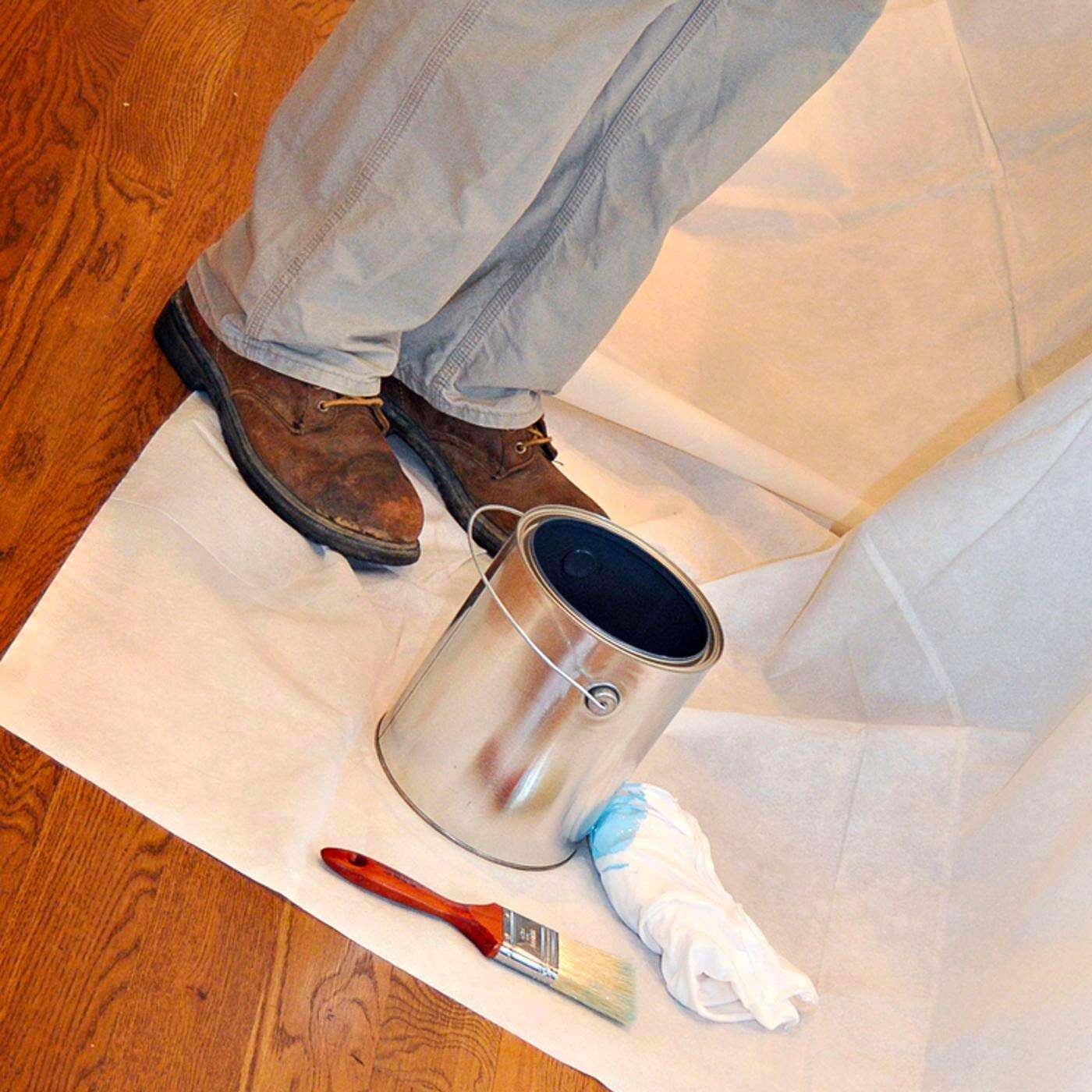
Painting a room sounds wonderfully simple until gravity joins the project. A roller flicks tiny dots across the floor. A paint tray performs an Olympic-level wobble. Someone steps in a drip and tracks “decorative speckles” across the hallway like a very confident raccoon. That is exactly why choosing the right painters drop cloth or tarp matters.
The best drop cloth for painting is not always the cheapest plastic sheet in the aisle. Canvas, butyl-backed cloths, paper-plastic hybrids, folding mats, and non-slip runners all protect floors differently. Hardwood needs grip and leak resistance. Carpet needs absorbency. Tile needs anti-slip backing. Stairs need something that will not turn your DIY weekend into a slapstick comedy scene.
For this 2025 guide, we synthesized current product information and practical painting-prep advice from major U.S. retailers, paint brands, surface-protection manufacturers, and home improvement resources. The goal is simple: help you choose the right painter’s tarp or drop cloth before the first can of paint is opened and the first “Oops” echoes through the room.
Quick Comparison: Best Painters Drop Cloth and Tarp Picks for 2025
| Pick | Best For | Material Type | Why It Stands Out |
|---|---|---|---|
| Trimaco Eliminator Slip Resistant Butyl Drop Cloth | Hardwood, tile, and high-traffic areas | Butyl-backed fabric | Excellent grip, leak resistance, and professional-duty durability |
| Everbilt Heavy Duty Canvas Drop Cloth | Everyday DIY room painting | Reusable canvas | Absorbent, washable, and easy to find in multiple sizes |
| Harbor Freight 9 ft. x 12 ft. Canvas Drop Cloth | Budget-friendly floor protection | Heavy canvas | Good coverage and value for occasional home projects |
| Trimaco Stay Put Canvas Plus | Slippery floors and hallways | Canvas, plastic film, non-slip backing | Three-layer protection with better grip than traditional canvas |
| Zibra Speed Drop | Stairs, trim work, and furniture refinishing | Triple-layer folding mats | Compact panels that are easy to place and move |
| Trimaco Quick Drop Folding Mat | Fast touch-ups and small jobs | Coated folding fabric mat | Quick setup, easy storage, and reusable protection |
| Trimaco One Tuff Paper/Plastic Drop Cloth | Messy painting, staining, and remodeling | Paper/plastic hybrid | Absorbent top with leak-resistant backing |
How to Choose the Best Painters Drop Cloth or Tarp
Before buying, think about the floor you are protecting, the kind of paint you are using, and how much walking will happen during the job. A thin plastic tarp may work over a sofa, but it can be slippery and annoying underfoot. Traditional canvas is comfortable to walk on and absorbs drips, but plain canvas can allow heavy spills to seep through if you do not clean them up quickly. A butyl-backed or plastic-lined drop cloth adds leak resistance, which is especially helpful over wood, laminate, tile, and freshly installed floors you promised yourself you would never scratch.
Canvas vs. Plastic vs. Butyl-Backed Drop Cloths
Canvas drop cloths are the classic painter’s choice because they are reusable, washable, and less slippery than plastic. They also drape nicely over furniture and baseboards. The downside is that lightweight canvas may not block a big spill.
Plastic drop cloths are inexpensive and waterproof, but they can slide around on floors and tear under ladders, shoes, or chair legs. They are better for covering furniture, cabinets, windows, and items that will not be walked on.
Butyl-backed and multi-layer drop cloths combine grip, leak resistance, and durability. They usually cost more, but they make sense for hardwood, tile, stairs, and professional jobs where one leak could become an expensive apology.
1. Best Overall: Trimaco Eliminator Slip Resistant Butyl Drop Cloth
The Trimaco Eliminator Slip Resistant Butyl Drop Cloth is the strongest all-around choice for protecting floors in 2025, especially if you are painting over hardwood, tile, vinyl plank, or laminate. It is designed as a professional-grade drop cloth with a protective backing that resists leaks from paint and stains. The slip-resistant surface helps keep it in place better than ordinary canvas, which is a major advantage when you are walking, rolling, climbing a step stool, or doing the awkward “don’t touch the wet wall” shuffle.
This is the type of painter’s drop cloth you buy when the floor underneath is not something you want to gamble with. It is heavier than a basic canvas sheet, but that weight is part of the appeal. It lies flatter, feels more stable, and offers serious protection for repeated use.
Why We Like It
It brings together the three things most painters want: grip, leak resistance, and durability. Traditional canvas is great for many jobs, but the Eliminator is better for expensive floors and busy work zones. If you are painting a furnished living room, hallway, kitchen, or entryway, this pick earns its place.
Keep in Mind
It is not the cheapest option. It is also usually spot-clean only, so do not treat it like a basic cotton canvas drop cloth you can casually toss in the washer. Think of it as premium floor insurance with corners.
2. Best Everyday Canvas: Everbilt Heavy Duty Canvas Drop Cloth
The Everbilt Heavy Duty Canvas Drop Cloth is a practical pick for homeowners who want a reusable, reliable canvas drop cloth for interior painting, cleaning, sanding, and general home improvement projects. Common sizes such as 6 ft. x 9 ft. and 9 ft. x 12 ft. are easy to work with in bedrooms, living rooms, and dining areas.
This drop cloth absorbs paint splatters and small drips, helping prevent paint from being tracked across the room. It also folds easily for storage, which matters more than people admit. A good drop cloth should not require its own garage bay and emotional support group.
Why We Like It
It hits the sweet spot for most DIY users. It is more durable than disposable plastic, more comfortable underfoot, and useful beyond painting. You can use it while moving furniture, protecting countertops during small repairs, or covering items in a dusty workshop.
Best Use
Use this canvas drop cloth for wall painting, ceiling touch-ups, furniture protection, and moderate foot traffic. For hardwood or tile, consider taping the edges or pairing it with a non-slip layer if the room will be busy.
3. Best Budget Pick: Harbor Freight 9 ft. x 12 ft. Canvas Drop Cloth
For occasional painters who want good coverage without spending too much, the Harbor Freight 9 ft. x 12 ft. Canvas Drop Cloth is a strong budget option. It offers a generous size for covering floors, furniture, appliances, and cabinets during painting or repair work. The tightly woven canvas absorbs splatters better than lightweight plastic and is reusable when cared for properly.
This pick is especially useful for homeowners who paint once or twice a year and do not need a premium contractor-grade setup. It is also a smart choice if you need multiple cloths to cover a larger room without moving the same cloth every fifteen minutes. Moving a wet drop cloth during a paint job is how tiny paint freckles find their way onto places you swear were “definitely covered.”
Why We Like It
The value is hard to ignore. You get a large canvas surface that works for common painting tasks, cleaning projects, and general home maintenance.
Keep in Mind
Budget canvas is not the same as leakproof protection. If you spill a full tray of paint, clean it quickly. For luxury vinyl, hardwood, marble, or freshly refinished floors, upgrade to a lined, butyl-backed, or slip-resistant drop cloth.
4. Best Non-Slip Runner: Trimaco Stay Put Canvas Plus
The Trimaco Stay Put Canvas Plus is one of the best painters drop cloth options for hallways, stairs, and smooth floors where ordinary canvas tends to shift. Its three-layer design includes an absorbent canvas top, a leak-resistant middle layer, and a non-slip backing. That combination makes it more secure than a standard canvas cloth and more comfortable to use than thin plastic.
This pick is particularly helpful when painting trim, baseboards, doors, and narrow spaces. A runner-style drop cloth can follow your work area without swallowing the room. It also reduces the risk of bunching around ladders, paint trays, and extension poles.
Why We Like It
The Stay Put Canvas Plus solves a common problem: canvas is nice, but it can move on slick surfaces. The added backing helps the drop cloth stay in place while the top layer catches drips and splatter.
Best Use
Use it for hallways, foyers, stair landings, kitchen floors, bathroom floors, and any area where slipping is a concern. It is also excellent for protecting a walkway between the paint can and the work zone.
5. Best for Stairs and Small Zones: Zibra Speed Drop
The Zibra Speed Drop is not a traditional painter’s tarp. It is a set of reusable folding mats designed for targeted protection. The panels are especially useful on stairs, risers, small rooms, furniture refinishing zones, and quick trim projects.
Instead of wrestling with a giant sheet of canvas in a narrow staircase, you can place compact panels exactly where they are needed. That makes setup easier and cleanup faster. For DIYers who paint furniture, refresh railings, or do detailed brushwork, this style is refreshingly practical.
Why We Like It
It reduces the chaos factor. Large drop cloths are great in open rooms, but they can bunch, fold, and misbehave in tight spaces. Folding mats are more controlled and easier to reposition.
Keep in Mind
This is not the best choice for covering an entire living room floor. It is a specialty pick for stairs, small work areas, touch-ups, and furniture projects.
6. Best Quick Setup Mat: Trimaco Quick Drop Folding Mat
The Trimaco Quick Drop Folding Mat is designed for painters who want to drop protection into place and start working. It is commonly available in a compact 2 ft. x 7 ft. size and uses coated fabric for leak-resistant protection. It folds for storage, moves easily from room to room, and works well under paint trays, small ladders, and touch-up zones.
This is the drop cloth equivalent of a grab-and-go snack. It will not cover a ballroom, but it is exactly what you want when you are painting a door frame, patching a wall, touching up baseboards, or protecting the floor under a small project area.
Why We Like It
It is fast, reusable, and tidy. Many painting messes happen during “just a quick touch-up” jobs because people skip floor protection entirely. The Quick Drop makes protection easy enough that you might actually use it.
Best Use
Place it under paint cans, trays, brushes, hardware, or small furniture projects. It also works well in apartments and condos where storage space is limited.
7. Best Hybrid Tarp: Trimaco One Tuff Paper/Plastic Drop Cloth
The Trimaco One Tuff Paper/Plastic Drop Cloth is a smart option for messier work such as staining, plastering, sanding, and remodeling. Its design pairs an absorbent top layer with a leak-resistant backing, giving it an advantage over simple plastic sheets and standard paper coverings.
This hybrid painter’s tarp is useful when you want something tougher than disposable plastic but do not want to expose a canvas drop cloth to heavy grime, adhesive, stain, or construction debris. It also helps reduce paint tracking because the top layer absorbs drips instead of letting them sit wet on the surface.
Why We Like It
It offers practical protection for jobs that are a little too dirty for your “nice” canvas cloth. It is also a good choice for contractors and serious DIYers who need temporary surface protection during multiple project stages.
Keep in Mind
Check the size carefully before buying. For full-room coverage, you may need more than one sheet, especially if you want overlap at seams and extra coverage around corners.
Best Drop Cloth by Floor Type
Hardwood Floors
Choose a butyl-backed, non-slip, or leak-resistant drop cloth. Hardwood can stain, swell, or show finish damage if paint or solvent sits too long. Avoid thin plastic unless it is fully secured and not used as a walking surface.
Carpet
Canvas is usually a strong choice because it absorbs drips and stays more stable on carpet than plastic. For very light-colored carpet, use a thicker canvas or lined drop cloth to reduce the risk of seep-through.
Tile and Vinyl
Grip matters. Smooth floors can make ordinary plastic or lightweight canvas slide around. Look for non-slip backing, runner-style protection, or painter’s tape along the edges.
Stairs
Use folding mats, non-slip runners, or specially designed stair-friendly protection. Never rely on loose plastic sheeting on stairs. It may be cheap, but so is the banana peel in a cartoon, and we all know how that ends.
Common Drop Cloth Mistakes to Avoid
The first mistake is buying only one drop cloth for a room that clearly needs three. If you have to keep dragging the cloth around, you increase the chance of transferring wet paint to exposed flooring. The second mistake is using thin plastic on walking areas. Plastic can be useful, but it is not pleasant under shoes, ladders, or pets who suddenly decide they are project managers.
The third mistake is ignoring seams and overlaps. If two drop cloths meet in the middle of the room, overlap them generously and tape the seam if needed. Paint has a mysterious talent for finding the one uncovered inch on a floor. The fourth mistake is forgetting the path from the paint can to the wall. Protect not only the area under the wall, but also the walkway where you will refill trays, set brushes down, or move a ladder.
Care and Storage Tips for Reusable Drop Cloths
Let paint dry completely before folding a canvas drop cloth. If it is washable, follow the product label and avoid tossing heavily paint-soaked cloths into a machine without checking care instructions. Shake dust and sanding debris outdoors before storage. Fold cloths neatly and store them in a dry area to prevent mildew and odor.
For butyl-backed or coated drop cloths, spot cleaning is usually safer than machine washing. Wipe spills quickly, let the cloth dry flat, and avoid folding sticky paint into the backing. A little care can turn a good painter’s drop cloth into a multi-year tool instead of a one-project casualty.
Real-World Experience: What Actually Happens When You Protect Floors the Right Way
Here is the honest truth from real painting situations: most floor disasters happen before the painting even looks difficult. It is not always the dramatic spilled gallon. More often, it is the little things. A roller sleeve taps the edge of a tray. A brush gets set down “for one second.” Someone shifts a ladder and discovers that the foot was resting on a hidden paint blob. One tiny mistake turns into a long cleanup session, and suddenly the project has gone from “fresh new wall color” to “why does the hallway have polka dots?”
Using the right painters drop cloth changes the rhythm of the job. With a flimsy plastic sheet, you tend to move cautiously because it crinkles, slides, and sticks to your shoes. With a proper canvas or non-slip drop cloth, the work feels calmer. You can walk, reload the roller, move the tray, and adjust your ladder without constantly looking down like the floor is a trapdoor. That confidence matters, especially for beginners.
One of the best habits is setting up protection before opening the paint can. That sounds obvious, but many DIYers start by taping trim, opening paint, pouring a tray, and then realizing the floor is still exposed. By then, the room already has wet tools, an open can, and a high-risk obstacle course. Lay your drop cloths first. Tape edges where foot traffic is heavy. Cover the route to the sink, garage, or cleanup area. Protect the spot where paint cans will sit. Future-you will be grateful, and future-you is the one who has to clean everything.
Another lesson: runners are underrated. A large 9 ft. x 12 ft. canvas drop cloth is excellent for open floor space, but a runner is often better along baseboards, hallways, and narrow rooms. When painting trim, you do not need a giant fabric island. You need a strip of protection that follows the wall and stays put. Non-slip runners are especially helpful in kitchens and bathrooms, where smooth floors make ordinary cloths slide.
For stairs, do not improvise with loose plastic. Stairs need stable protection because your body weight shifts constantly as you work. Folding mats or grippy runners are safer and easier to reposition. The same goes for furniture refinishing. A compact mat under a chair, table, or cabinet door often works better than dragging out a huge tarp.
The final experience-based tip is to own more than one type of drop cloth. Keep a large canvas cloth for general room painting, a non-slip runner for trim and hallways, and a small folding mat for touch-ups. That simple setup covers most household projects. It also prevents the classic DIY mistake of using the wrong material just because it is the only thing in the closet. A good paint job is not only about the color on the wall. It is also about the floor that still looks innocent when the job is done.
Final Verdict: Which Painters Drop Cloth Should You Buy in 2025?
If you want the best overall floor protection, choose the Trimaco Eliminator Slip Resistant Butyl Drop Cloth. It is durable, leak resistant, and better suited for hard floors than basic canvas. If you want an affordable reusable option for everyday DIY painting, the Everbilt Heavy Duty Canvas Drop Cloth or Harbor Freight 9 ft. x 12 ft. Canvas Drop Cloth will handle most home projects well.
For hallways, stairs, and slick surfaces, the Trimaco Stay Put Canvas Plus is the smarter choice because grip matters as much as coverage. For small projects and fast touch-ups, the Zibra Speed Drop and Trimaco Quick Drop make setup easier. For messy remodeling or staining, Trimaco One Tuff offers strong hybrid protection.
The best painter’s tarp is the one that matches your floor, your project, and your tolerance for cleaning dried paint out of places paint had no business visiting. Spend a little time choosing the right protection now, and your floors will survive the project without becoming part of the art.
Note: Product sizes, availability, and prices may vary by retailer. Always check current product labels, care instructions, and surface compatibility before buying or using any painters drop cloth or tarp.












