
If your patio pots and flower beds look a little too fabulous to abandon when the weather changes, good news: some outdoor garden plants are perfectly happy moving indoors. In fact, a handful of popular annuals, tender perennials, and herbs can go from backyard superstar to windowsill overachiever with less drama than most people expect. Not every plant is thrilled by indoor life, of course. Some take one look at your living room and decide they miss the wind, the bees, and the thrill of full sun. But others settle in beautifully and keep growing, blooming, or flavoring your dinner long after the outdoor season wraps up.
The trick is choosing the right plants. The best outdoor garden plants that thrive indoors usually share a few qualities: they adapt well to containers, tolerate pruning, recover quickly from the move, and don’t need jungle-level conditions to stay attractive. Give them bright light, the right watering routine, decent drainage, and a little patience, and they can keep your home green, colorful, and suspiciously cheerful through the colder months.
Why Some Outdoor Plants Handle Indoor Life Better Than Others
Plants that transition well indoors are usually the ones that already perform nicely in pots, can be cut back without a meltdown, and don’t demand endless space. Tender perennials like geraniums and begonias are famous for this. So are several herbs that spend summer outside and then happily become kitchen companions indoors.
Indoor success also comes down to expectations. “Thriving indoors” does not mean “growing exactly as if it were still outside in July with perfect weather and unlimited sunshine.” It means staying healthy, useful, and attractive with steady care. Most outdoor plants grow more slowly indoors, and that is completely normal. Winter is not the season for dramatic growth spurts. It is the season for survival, steady performance, and making you feel like a gardening genius while it is freezing outside.
- Light matters most. Outdoor plants are used to brighter conditions than most homes provide, so your sunniest window or a simple grow light can make a huge difference.
- Drainage is non-negotiable. A decorative pot with no drainage hole is less a home and more a trap.
- Watering needs change indoors. Plants generally need less water inside than they do outdoors, especially in winter.
- A little grooming goes a long way. Pinching, pruning, and removing tired stems help many plants stay compact and productive.
8 Top Outdoor Garden Plants That Thrive Indoors
1. Geraniums
Geraniums are one of the easiest outdoor flowering plants to bring inside, which is why so many gardeners treat them like seasonal VIPs rather than disposable annuals. If you have a bright, sunny window, geraniums can keep growing indoors and may even continue blooming. Their big advantage is attitude: they bounce back well from pruning, tolerate being potted up for winter, and do not sulk for months out of spite.
To keep geraniums happy indoors, place them where they get strong light, preferably several hours of direct sun. Let the top of the soil dry before watering again, and avoid overwatering, which is the fastest route to a sad, floppy plant. If stems get leggy, pinch them back. Geraniums also prefer cooler indoor conditions than many people realize, so they tend to appreciate a bright room that is not roasting next to a heat vent.
2. Coleus
Coleus is the foliage plant equivalent of a confetti cannon. It is colorful, energetic, and surprisingly cooperative indoors when given bright, indirect light. Because coleus roots easily from cuttings, you do not even have to haul the whole outdoor plant inside. You can snip healthy stems, root them, and start fresh indoor plants that take up less space and adjust more easily.
Indoors, coleus likes evenly moist soil, decent humidity, and regular pinching to stay bushy. If you ignore the pinching, it will try to stretch toward the light like a teenager reaching for the last slice of pizza. Rotate the pot every few days so growth stays even. For gardeners who love bold leaf color and want something fast-growing, forgiving, and cheerful through winter, coleus is hard to beat.
3. Wax Begonias and Dragon Wing Begonias
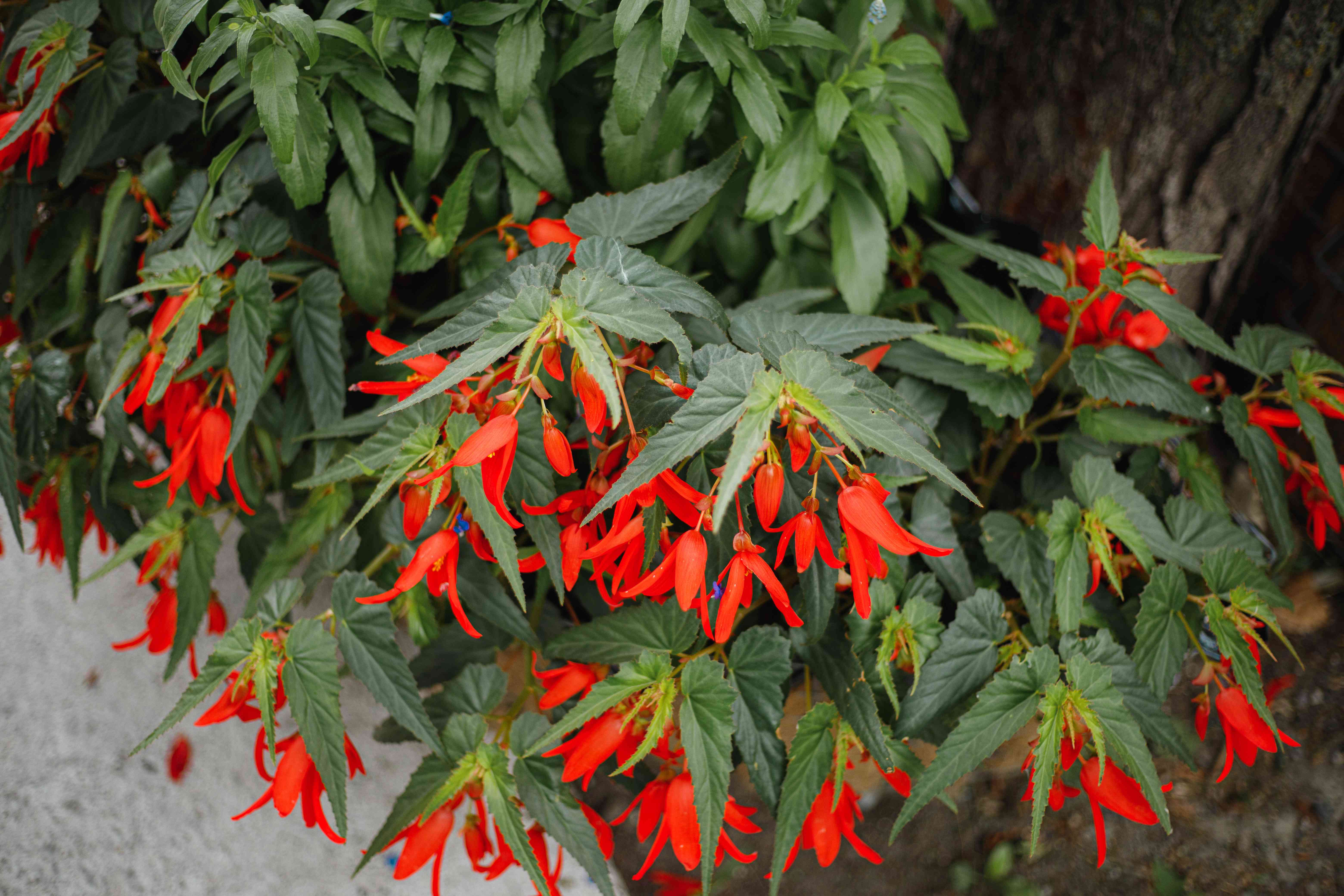
Begonias have a lot going for them indoors: glossy leaves, long bloom time, and a general willingness to look polished without demanding a daily pep talk. Wax begonias are especially adaptable, and Dragon Wing types can also transition indoors well if they get bright light and careful watering. They are excellent choices for gardeners who want flowers without the diva-level maintenance of fussier houseplants.
The key with begonias is moisture balance. They like consistent moisture, but they absolutely do not want wet soil hanging around their roots. Give them bright light, skip the soggy potting mix, and remove faded growth as needed. If the plant gets lanky, trim it back lightly. Begonias are the kind of indoor guests you actually want to host: tidy, attractive, and happy to keep blooming while the rest of the garden takes a nap.
4. Impatiens
Impatiens are famous for lighting up shady garden beds outdoors, but they can also continue indoors if you give them stronger light than their outdoor reputation might suggest. That surprises a lot of gardeners. Outdoors, they tolerate shade beautifully. Indoors, however, they usually perform best in a bright window or under a grow light, especially during short winter days.
If you want winter color without relying entirely on classic houseplants, impatiens are a smart pick. They prefer evenly moist soil and dislike drying out completely, but they also do not want to sit in water. A healthy cutting or a compact plant brought in before cold nights arrive usually makes the transition more smoothly than a giant overgrown specimen. Think of impatiens as the friendly extroverts of the plant world: charming, colorful, and much happier when they are not left in a dark corner.
5. Mint
Mint is one of the best outdoor herbs to move indoors because it grows vigorously, tolerates container life, and gives you an immediate payoff in the kitchen. Tea, cocktails, fruit salads, yogurt sauces, random moments of culinary ambition: mint is ready. It also handles indoor life better than many herbs because it can tolerate a little less light than sun-hungry Mediterranean types.
Keep mint in its own pot unless you enjoy chaos. Outdoors it spreads enthusiastically, and indoors it brings that same overachiever energy. Give it bright light, steady moisture, and regular harvests from the tips to keep it bushy. If stems start looking tired, trim them back and let fresh growth take over. For anyone who wants a plant that is both practical and pleasantly fragrant, mint is a no-brainer.
6. Chives
Chives are one of the easiest edible garden plants to grow indoors, which makes them ideal for people who want success without a horticultural obstacle course. They stay compact, adapt well to pots, and can keep producing usable leaves even when winter light is not perfect. They are especially handy near the kitchen because snipping fresh chives for eggs, potatoes, soups, or dips feels wildly efficient.
Set chives in a bright, sunny location and use a loose potting mix with good drainage. Growth may slow in winter, and that is fine. Resist the urge to baby them with too much fertilizer. What they really want is light, moderate water, and occasional harvesting. Trim leaves instead of tearing them, and the plant will stay neater and rebound faster. In the hierarchy of indoor edible plants, chives are wonderfully low-maintenance and almost offensively useful.
7. Parsley
Parsley may not always get the glamour treatment, but indoors it earns respect fast. It handles cool conditions well, looks lush in a pot, and gives you a reliable supply of fresh leaves when supermarket bundles are either overpriced or mysteriously limp. Flat-leaf parsley is especially handy for cooking, though curly parsley works just as well if you like a little extra texture.
Parsley likes bright light and consistent moisture without waterlogging. It tends to do best in a cool room rather than a hot, dry one. Because it can lean toward the light, rotating the pot helps keep growth even. It may slow down during the darkest part of winter, but it usually stays attractive and useful. Parsley is the quiet achiever of the indoor plant world: not flashy, not needy, but somehow always coming through when dinner needs help.
8. Oregano
Oregano is an excellent pick for gardeners who want a sturdy herb that doubles as an attractive indoor plant. Outdoors it thrives in sunny beds and containers, and indoors it continues to perform well when given bright light and a lighter hand with water. Unlike herbs that demand constant pampering, oregano generally prefers that you not fuss over it too much.
Use a well-draining potting mix and allow the top of the soil to dry slightly between waterings. Pinch stems regularly to keep the plant compact and leafy rather than woody. A sunny south- or west-facing window is ideal, though a grow light can help if your home is short on direct sun. Oregano is perfect for gardeners who want something that smells great, tastes even better, and does not require a five-point emotional support plan to survive indoors.
How to Bring Outdoor Plants Indoors Without Starting a Pest Convention
Inspect First, Bring Inside Second
Before moving any plant indoors, check leaves, stems, and soil for hitchhiking pests. Aphids, spider mites, whiteflies, and scale love free housing. Rinse plants off, remove damaged foliage, and only bring in healthy specimens. This is one of those steps that seems skippable until your indoor jungle becomes an all-you-can-eat buffet for bugs.
Prune for a Better Fit
Outdoor plants often need a haircut before moving inside. Trim overly long stems, dead growth, and faded flowers. This reduces stress on the plant and helps it fit your indoor space without looking like it is trying to annex the bookshelf.
Acclimate Them Gradually
A sudden shift from outdoor conditions to indoor life can shock plants. If possible, ease them into lower light before the move, then place them in the brightest spot you can offer. If your home is dim, a basic grow light is often the difference between “still alive” and “actually looks good.”
Adjust Your Watering Expectations
Plants usually dry out more slowly indoors than they do outside in summer heat and wind. Water based on the plant and the potting mix, not on habit. In other words, the fact that you watered every other day in July does not mean the plant wants that same schedule in January.
What Gardeners Usually Experience When These Plants Move Indoors
There is a very specific kind of satisfaction that comes from bringing outdoor plants inside for the season. It feels a little practical, a little thrifty, and a little smug in the best possible way. Instead of watching every favorite plant fade with the weather, you get to keep part of the garden going right in the middle of your everyday life. A geranium blooming on a windowsill in the middle of winter has a way of making the whole room feel brighter, even before the coffee kicks in. A pot of mint near the kitchen sink makes ordinary routines feel more generous. Snipping chives for breakfast or parsley for soup turns plant care into something you can literally taste.
Gardeners who try this for the first time are often surprised by how different indoor growing feels from outdoor growing. Outside, plants live in a big, dynamic system with rain, wind, pollinators, and light that shifts naturally through the day. Indoors, you become the weather department. You notice which windows get the best sun. You learn which room is too dry, which shelf is too dim, and which heat vent is secretly plotting against your begonias. The experience makes you more observant, not less. You stop treating plants as background decoration and start reading them more closely. Crispy leaf edges? Humidity issue. Pale, stretched stems? More light, please. Droopy oregano in wet soil? Back away from the watering can.
Another common experience is discovering that some plants adapt with almost suspicious ease while others behave like they have been moved into an apartment against their will. Coleus often settles in quickly, especially from cuttings. Chives tend to be wonderfully reasonable. Mint acts like it always intended to live indoors and make itself useful. Geraniums may need a trim and a little patience, but once they adjust, they reward you with color when most outdoor beds are doing absolutely nothing. Impatiens can be lovely too, but they remind you fast that indoor light is not the same thing as outdoor shade. That lesson alone sends many gardeners out to buy a grow light, which then becomes one of those purchases that suddenly feels essential.
There is also an emotional side to the whole process. Bringing outdoor plants indoors extends the gardening season, yes, but it also preserves continuity. The plants you enjoyed on the porch in late summer are still with you in the colder months, just in a different form. They move from decorating your patio to shaping the mood of your home. That shift can be surprisingly comforting. It softens the seasonal transition and keeps your hands in the rhythm of tending, trimming, watering, and noticing. Even if growth slows, the relationship with the plant does not.
Perhaps the best part is that indoor success builds confidence fast. Once you keep one outdoor plant thriving indoors, you start looking at the rest of the garden with new ideas. Which herbs could come in next year? Which coleus color deserves a permanent winter spot? Could that begonia make it through another season indoors? Before long, you are not just gardening outdoors and indoors. You are gardening across seasons, which feels a bit like discovering a loophole in the calendar. And honestly, any hobby that lets you outsmart winter deserves some respect.
Conclusion
If you want a greener home without giving up your favorite outdoor performers, start with plants that already know how to handle containers and a little pruning. Geraniums, coleus, begonias, impatiens, mint, chives, parsley, and oregano all have what it takes to transition from garden life to indoor life with style. Give them strong light, smart watering, and a gentle adjustment period, and they can keep your space lively long after the outdoor growing season ends. In other words, your garden does not have to stop at the door.












