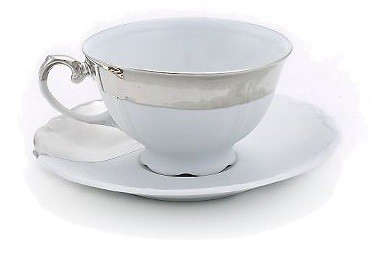
A silver shiny Baroque tea cup and saucer is not the shy guest at the table. It does not whisper, “Please notice me.” It enters the room wearing scrollwork, curves, reflective sparkle, and the confidence of a chandelier that has just discovered good lighting. Whether made of sterling silver, silver plate, porcelain with metallic Baroque ornament, or a modern decorative blend, this style turns a simple tea break into a tiny ceremony.
The phrase “Silver Shiny Baroque Tea Cup and Saucer” may sound like a product listing, but it also describes a whole mood: old-world elegance, ornamental drama, polished surfaces, and tea served with a little theatrical flair. The Baroque look is famous for grandeur, movement, rich detail, and visual energy. When those design ideas meet the reflective charm of silver, the result is a cup-and-saucer set that feels both collectible and usableassuming, of course, that the piece is food-safe and properly cared for.
This guide explores what makes a silver Baroque tea cup and saucer special, how to identify quality, how to style it, how to care for it, and why it remains a favorite among collectors, decorators, tea lovers, and anyone who believes a mug with “World’s Okayest Human” cannot handle every occasion.
What Is a Silver Shiny Baroque Tea Cup and Saucer?
A silver shiny Baroque tea cup and saucer is typically a tea-drinking or decorative set inspired by Baroque design. The cup may be made from porcelain with silver-tone accents, silver-plated metal, sterling silver, or a combination of ceramic and metallic decoration. The saucer usually echoes the cup’s design with raised edges, ornate borders, embossed patterns, scrolls, floral motifs, shells, or dramatic curves.
The word “Baroque” refers to a highly decorative European style that became prominent in the 17th and early 18th centuries. In design language, Baroque often means movement, contrast, drama, luxury, and ornament that refuses to sit quietly in the corner. On a tea cup and saucer, that can appear as swirling handles, scalloped rims, embossed silver surfaces, acanthus leaves, floral relief, cherubs, shells, cartouches, and mirror-like metallic finishes.
The “silver shiny” part matters because silver has a unique visual power. It reflects light beautifully, adds cool-toned elegance, and pairs well with white porcelain, black lacquered trays, marble tables, velvet linens, crystal, and even modern minimalist spaces. A Baroque silver cup does not need a palace to look good, though it would probably accept one if offered.
Why Baroque Design Works So Well on Tea Cups
Tea is already a ritual. You heat water, choose leaves, wait patiently, pour carefully, and pretend you are calmer than your inbox suggests. Baroque design enhances that ritual because it adds ceremony. It transforms the cup from a container into an experience.
Baroque Style Loves Drama
Baroque design is known for grandeur, motion, contrast, and emotional richness. In architecture and decorative arts, it often uses curves, layered surfaces, and lavish materials to create a sense of movement. On a tea cup, these ideas become smaller but no less charming. A curled handle can look like a miniature sculpture. A raised floral border can catch light in dozens of tiny highlights. A shiny silver finish can make morning tea feel like it has hired a personal stylist.
Silver Adds Light and Reflection
Silver has long been valued in tableware because it can take a brilliant polish. Sterling silver, traditionally 92.5 percent silver mixed with other metals for strength, has been a classic material for hollowware and flatware for centuries. Silver plate, meanwhile, offers a similar appearance at a lower cost by coating a base metal with a thin layer of silver. Both can be beautiful, but they differ in value, durability, maintenance, and long-term restoration options.
The Saucer Completes the Performance
A tea cup without a saucer can look casual. A Baroque tea cup with a matching saucer looks intentional. The saucer frames the cup like a stage, catches drips, protects the table, and creates visual balance. In ornate designs, the saucer may be just as decorative as the cup, featuring scalloped edges, embossed borders, engraved lines, or repeating motifs that make the set feel complete.
Common Materials and Finishes
Not every silver shiny Baroque tea cup and saucer is made the same way. Before buying, collecting, gifting, or using one, it helps to understand the most common materials.
Sterling Silver
Sterling silver is the premium option. It is usually marked with “sterling,” “925,” or other hallmarks depending on country of origin. A sterling silver cup and saucer can have strong collectible value, especially if it has a known maker, clear marks, fine craftsmanship, and good condition. Sterling silver is softer than many base metals, so dents, bends, and scratches can happen if it is handled roughly. In return, it offers real precious-metal content and lasting appeal.
Silver Plate
Silver plate is more affordable and often seen in vintage Baroque-style tea sets. A silver-plated piece has a base metal underneath and a thin silver coating on the surface. It can shine beautifully, but if the plating wears through, polishing cannot magically restore the missing layer. It may need professional replating. Many ornate Victorian, Edwardian, and revival-style tea sets are silver plated, and some are highly decorative even if their material value is lower than sterling.
Porcelain with Silver Accents
Some Baroque tea cups are porcelain pieces decorated with silver-tone bands, metallic rims, scrollwork, or mirrored finishes. These are popular for display, gifting, weddings, tea parties, and luxury table settings. Porcelain versions may be lighter and easier to drink from than full metal cups, but the metallic decoration can be delicate. Many should not go in the dishwasher or microwave.
Modern Decorative Silver-Tone Sets
Modern silver-tone Baroque tea cups may use stainless steel, electroplated finishes, resin details, or decorative coatings. These can be attractive for styling and photography, but buyers should check whether they are intended for actual food and beverage use. A cup can be gorgeous and still be more “display queen” than “daily tea warrior.”
How to Identify a Quality Silver Baroque Tea Cup and Saucer
A quality silver shiny Baroque tea cup and saucer should look beautiful, feel balanced, and show thoughtful craftsmanship. The details matter, especially with ornate styles. Baroque design can look luxurious when well made, but cheap when the decoration is muddy, uneven, or overly heavy.
Check the Marks
Look under the cup, on the base of the saucer, near the handle, or along the rim for stamps. Marks such as “sterling,” “925,” maker initials, pattern numbers, country marks, or silverplate labels can reveal important clues. British pieces may use traditional hallmark systems, while American sterling often uses “sterling” or “925.” Silver-plated items may include marks such as “EPNS,” “silver plate,” or manufacturer names.
Study the Craftsmanship
Good Baroque decoration has depth and rhythm. The scrolls should flow naturally. The floral relief should look intentional rather than blob-like. Handles should be firmly attached. Saucer edges should sit evenly on a flat surface. If the cup wobbles like it has had too much espresso, inspect it carefully.
Look for Wear
On silver plate, check high points where plating often wears first: raised scrolls, rims, handle edges, and the center of the saucer. A warm yellow, copper, or gray base metal showing through may indicate wear. On sterling, check for dents, deep scratches, thinning, repairs, or softened details from over-polishing.
Consider Food Safety
If the piece is antique, imported, heavily decorated, cracked, repaired, or unmarked, be cautious before using it for hot tea. Some vintage decorative cups are best kept for display. When in doubt, ask a qualified antiques dealer, silversmith, or restoration specialist. For daily drinking, choose pieces clearly marked and sold as food-safe.
How to Style a Silver Shiny Baroque Tea Cup and Saucer
The beauty of a silver Baroque tea cup is that it can go grand, romantic, vintage, gothic, modern, or even playful. It is surprisingly flexible, as long as you let it be the main character.
Classic Afternoon Tea
Pair the cup and saucer with white linen, a tiered tray, small pastries, cucumber sandwiches, and a polished teaspoon. Add a small vase of roses or peonies. This look works beautifully for bridal showers, birthdays, Mother’s Day, or any afternoon when regular snacks deserve better public relations.
Modern Luxury Table Setting
Place the silver Baroque cup on a black, charcoal, or deep navy tablecloth. Add clear glassware and simple white plates. The contrast makes the silver shine without turning the table into a museum display. This style is perfect for dinner parties where you want elegance without saying, “Yes, I own a powdered wig.”
Romantic Vintage Decor
Use the cup and saucer as a decorative object on a vanity, bookshelf, or bedside table. It can hold wrapped candies, rings, dried lavender, small flowers, or nothing at all. Sometimes the best use of a beautiful object is simply letting it sit there and look expensive.
Photography and Social Media Styling
A shiny silver Baroque tea cup photographs well because it catches highlights. For better photos, place it near a window, avoid harsh overhead light, and use a plain background. Add a book, folded napkin, loose tea leaves, or a single pastry. Keep reflections in mind: silver sees everything, including the photographer crouching like a confused garden gnome.
Best Tea Pairings for a Silver Baroque Cup
The right tea can make the set feel even more special. Strong black teas pair well with traditional silver service, especially English breakfast, Earl Grey, Assam, and Darjeeling. Floral teas such as jasmine, rose, or lavender blends complement the romantic Baroque look. For evening tea, caffeine-free options like chamomile, rooibos, or mint can keep the ceremony without inviting insomnia to the party.
If the cup is metal, remember that metal conducts heat quickly. A full silver cup may feel hot to the touch, so handle it carefully and avoid overfilling. Porcelain cups with silver decoration are usually more comfortable for drinking, but metallic rims can still be sensitive to rough cleaning.
Cleaning and Caring for Silver Tea Cups and Saucers
Silver tarnish is natural. It forms when silver reacts with sulfur-containing compounds in the air and environment. Tarnish is not the same as dirt, although it does have a flair for dramatic entrances. The good news is that proper care can slow tarnish and preserve shine.
Wash Gently
Hand wash silver and silver-decorated tea cups with mild soap, warm water, and a soft cloth. Avoid dishwashers, harsh detergents, abrasive pads, and rough paper towels. Dry immediately and thoroughly, because water spots can dull the shine.
Polish Carefully
Use a gentle silver polish or treated silver cloth when needed. Do not over-polish ornate pieces, because repeated aggressive polishing can soften details over time. On antique pieces, dark patina in recessed areas may add depth and value. Removing every shadow can make a richly detailed piece look flat, like a painting edited with too much brightness.
Store Smartly
Store silver in a dry place away from humidity, rubber, wool, felt, newspaper, and sulfur-rich materials. Anti-tarnish cloths or bags can help slow discoloration. If storing a cup and saucer together, place a soft cloth between them to prevent scratches.
Handle with Clean Hands
Fingerprints can encourage tarnish, especially on polished silver. Clean cotton gloves are useful for valuable pieces, but clean dry hands are usually enough for casual handling. Always lift the cup by its body as well as the handle if it feels delicate. Antique handles have survived decades or centuries; they do not need a stress test during tea time.
Buying Tips: What to Know Before You Purchase
When shopping for a silver shiny Baroque tea cup and saucer, decide first whether you want a functional tea cup, a collectible antique, a decorative display piece, or a photo prop. The right choice depends on your purpose.
For collectors, marks, maker, age, condition, and provenance matter. For decorators, visual impact may be more important than silver content. For daily tea drinkers, comfort, safety, and ease of cleaning should come first. A cup that looks stunning but burns your fingers, wobbles on the saucer, or cannot be washed without anxiety may not become your favorite.
Price can vary widely. Sterling silver pieces generally cost more because of material value and craftsmanship. Silver plate is usually more affordable but still collectible when the maker, pattern, age, or design is desirable. Modern porcelain sets with silver Baroque decoration may offer the most practical balance of beauty and usability.
Why This Style Remains Popular
The silver shiny Baroque tea cup and saucer remains popular because it offers something many modern objects lack: presence. It feels designed, not merely manufactured. It brings texture, history, and ceremony into everyday life. In a world full of plain white mugs and insulated tumblers, a Baroque cup says, “Today, we are drinking tea like the table has a backstory.”
It also fits current design trends. Vintage silver, ornate tableware, maximalist interiors, romantic dining, and curated tea rituals have all regained attention. People want objects with character. A silver Baroque cup does not look algorithm-generated; it looks inherited, discovered, collected, or chosen with delight.
Experience Notes: Living with a Silver Shiny Baroque Tea Cup and Saucer
The first experience of using a silver shiny Baroque tea cup and saucer is usually visual. Before the tea is poured, the cup already does half the hosting. Set it near natural light, and suddenly the table has sparkle. The raised details catch brightness along the rim and handle, while the saucer reflects the cup like a tiny silver pond. It makes even a simple tea bag look like it has upgraded its social circle.
In practical use, the experience depends heavily on the material. A porcelain cup with silver Baroque trim feels familiar in the hand, comfortable for sipping, and easy to enjoy during a slow breakfast. A full silver or silver-plated cup feels more formal and may conduct heat quickly, so it encourages slower, more careful drinking. That is not a bad thing. In fact, it is part of the charm. You do not gulp tea from a Baroque cup while running to answer email. You sit down, breathe, and let the cup remind you that life can occasionally have better manners.
One of the best uses for this style is special hosting. Guests notice it immediately. A silver Baroque cup and saucer can make a small dessert course feel memorable, especially when paired with shortbread, fruit tarts, macarons, or dark chocolate. It works beautifully for holiday tables, bridal brunches, vintage-themed parties, and quiet evenings when you want the room to feel softer and more intentional.
There is also an emotional side to owning one. Ornate tea ware often feels personal. It may remind people of grandparents, antique shops, old hotels, museum rooms, royal dramas, or childhood memories of being told, “Do not touch that, it is for guests.” Using it gently can turn that old rule upside down. Beautiful things become more meaningful when they are not locked away forever.
Maintenance becomes part of the relationship. The shine will change. A little tarnish may appear near the details. You may polish it before a party and feel oddly proud afterward, as if you have restored a tiny moon. The key is not to obsess. Silver is meant to age. Baroque design, with all its curves and shadows, often looks better with a little depth. The goal is not sterile perfection; it is cared-for beauty.
As a decorative object, the cup can live far beyond teatime. On a vanity, it can hold rings or hairpins. On a desk, it can hold paper clips with unreasonable elegance. On a shelf, it can stand alone as a sculptural accent. With a small flower arrangement, it becomes a centerpiece. With wrapped candies, it becomes a peace offering. With nothing inside, it still looks like it has plans for the afternoon.
The biggest lesson from living with a silver shiny Baroque tea cup and saucer is simple: small objects can change the atmosphere of a room. They invite attention, slow the pace, and add a sense of occasion. You do not need to drink tea every day from an ornate silver cup. But when you do, the moment feels deliberate. And sometimes, that is exactly what a busy day needs: hot tea, a polished saucer, and a little harmless drama.
Conclusion
A silver shiny Baroque tea cup and saucer is more than a pretty piece of tableware. It is a blend of art history, craftsmanship, tea culture, and personal style. Its reflective finish brings light, its ornate details bring drama, and its shape brings ceremony to a simple cup of tea. Whether you choose sterling silver, silver plate, porcelain with silver accents, or a modern decorative version, the best piece is one that fits your purpose and makes you happy every time you see it.
For collectors, look for clear marks, strong craftsmanship, and good condition. For decorators, focus on proportion, shine, and visual impact. For tea lovers, prioritize comfort and food-safe use. With gentle cleaning, smart storage, and a light hand when polishing, a silver Baroque cup and saucer can remain beautiful for years. It may not solve all of life’s problems, but it can make tea feel more elegantand honestly, that is a respectable start.